Price on request
In stock
Can't find what you're looking for?
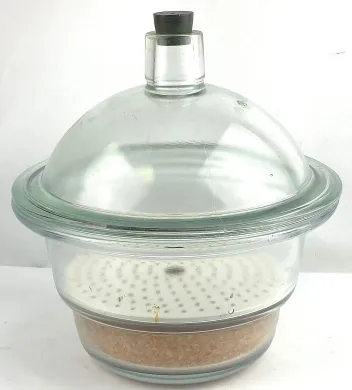
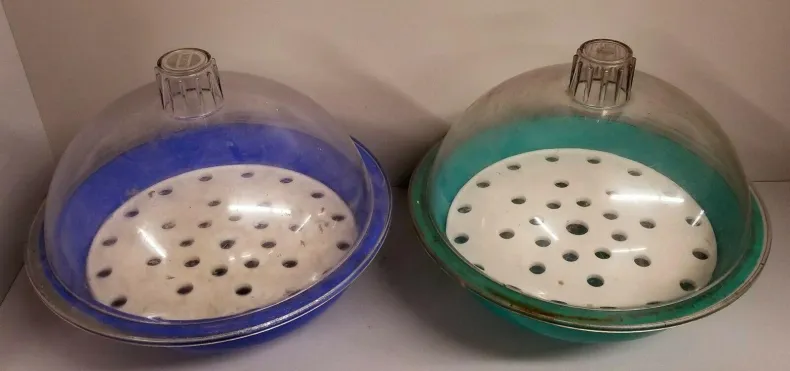
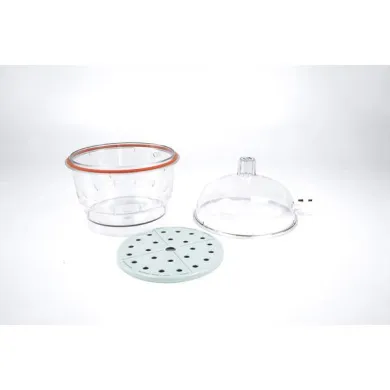
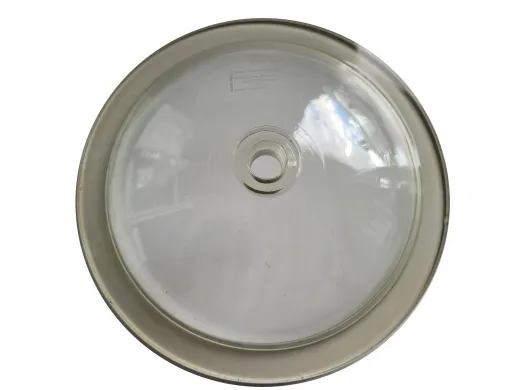
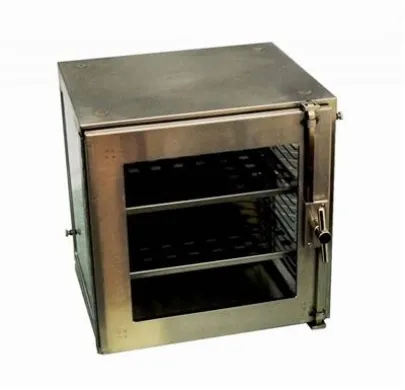
Passive desiccator cabinet by Sanplatec with humidity indicator, acrylic door, and internal shelving for moisture-sensitive storage.
The Sanplatec Dry Keeper Desiccator Cabinet is a passive moisture control storage solution designed for secure containment of moisture-sensitive laboratory materials. Featuring a clear acrylic door with latch, it enables visual inspection without compromising airtight conditions. Internal shelving allows organized storage of multiple samples or components critical in biotechnology and molecular diagnostics workflows.
This cabinet is critical for maintaining sample integrity by preventing moisture degradation and is valued in research fields including cell imaging, clinical diagnostics, and biomedical engineering. Its compact design optimizes benchtop space in tightly regulated laboratory environments.
Lab equipment markets are fragmented. Buyers spend weeks calling distributors, comparing quotes, and verifying supplier reliability. Sellers struggle to reach global research labs.
We built Questpair to fix this. Every supplier on the platform is verified before listing. Every quote you receive comes from a real, vetted seller. AI prepares your case in minutes, then a real specialist takes over.
We're an independent team based in The Netherlands, working with research labs and procurement teams across Europe and worldwide.
With a service contract, ten to fifteen years is normal for most benchtop instruments. Detectors and pumps are the parts that wear first.
Often, yes. Verified suppliers frequently work with service partners converting the instrument. If applicable, we can list servicing options alongside the offer.
Ask a scientist through the request button. Parts are often available even when the instrument itself is discontinued.
Two to six weeks, depending on refurbishment scope and whether calibration is included.
We ship to 38 countries. Crating and customs handling are quoted with the instrument.
Tell us what you need and a scientist finds it for you, usually within the hour.
Last updated 22 October 2026