€1,018.72excl. VAT
In stock
Can't find what you're looking for?
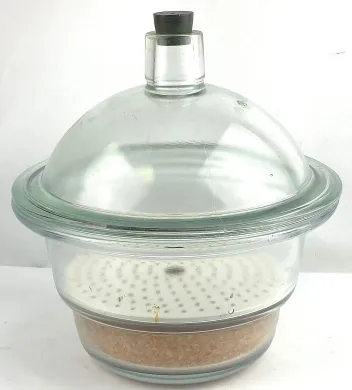
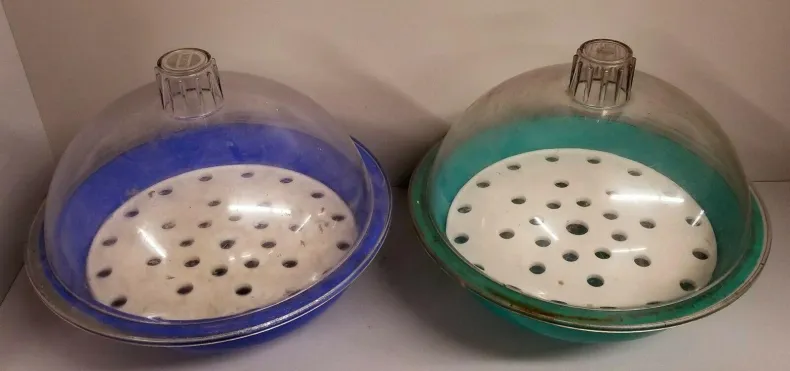
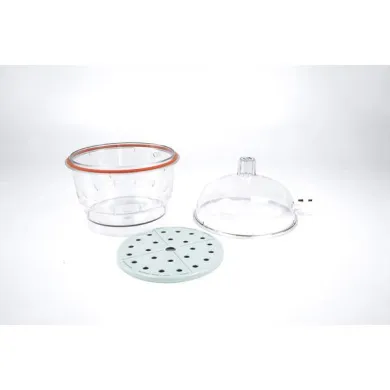
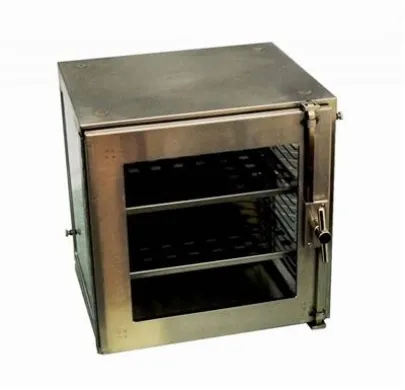
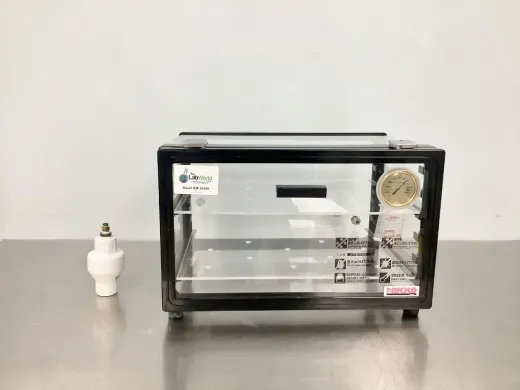
Cubic vacuum desiccator with 1 Torr vacuum, silicone seal, polycarbonate build, and multi-shelf stackable design for biotech labs.
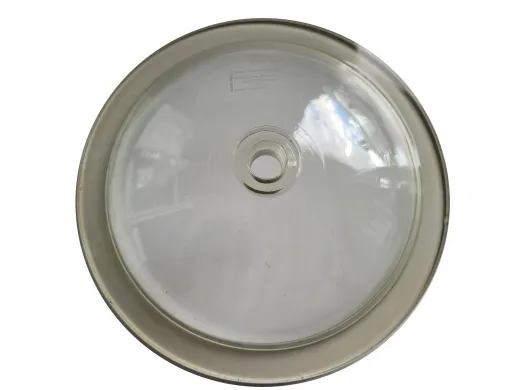
The Jeio Tech Cubic Vacuum Desiccator is engineered to provide a reliable vacuum environment with a maximum vacuum level of 1 Torr (1.33×10⁻⁴ Mpa) sustained for over 72 hours, making it essential for molecular diagnostics and bioprocessing applications requiring moisture-sensitive sample preservation. Constructed from highly transparent, shatterproof, and non-corrosive polycarbonate, this vacuum desiccator ensures durability and ease of cleaning.
Key features include a high-quality silicone gasket for a greaseless airtight seal, optimizing cleanroom settings and cost efficiency in biomanufacturing workflows. The device's three-way stopcock facilitates controlled vacuum draw, vacuum release, and gas exchange, supported by barbed fittings for secure tubing connections—important for synthetic biology labs requiring controlled atmosphere adjustment.
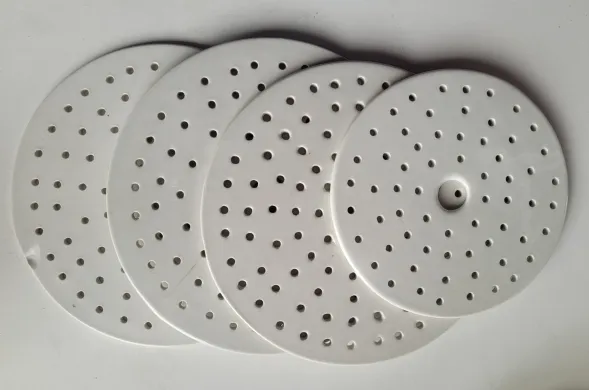
Its multi-shelf design (4 to 6 shelves depending on product size) maximizes internal storage, while the stackable and space-saving configuration suits compact laboratory environments commonly found in biomedical engineering and biotechnology research centers. The integrated vacuum gauge on the front door enables convenient vacuum monitoring, critical for researchers conducting live-cell imaging or fluorescence analyses needing consistent vacuum conditions.
Additional ports enhance usability for gas exchange or pressure regulation, and the option of U models minimizes light exposure, protecting light-sensitive biochemical samples during processing. Compliant with RoHS standards (except VDC-U models), the desiccator supports environmentally conscious laboratory practices.
This vacuum desiccator is widely used in biopharmaceutical production pipelines and molecular cloning workflows where moisture control and sterile conditions are paramount. It stands out for durability, precise vacuum control, and adaptability in applications ranging from neuroscience sample preparation to advanced synthetic biology experimentation.
Lab equipment markets are fragmented. Buyers spend weeks calling distributors, comparing quotes, and verifying supplier reliability. Sellers struggle to reach global research labs.
We built Questpair to fix this. Every supplier on the platform is verified before listing. Every quote you receive comes from a real, vetted seller. AI prepares your case in minutes, then a real specialist takes over.
We're an independent team based in The Netherlands, working with research labs and procurement teams across Europe and worldwide.
With a service contract, ten to fifteen years is normal for most benchtop instruments. Detectors and pumps are the parts that wear first.
Often, yes. Verified suppliers frequently work with service partners converting the instrument. If applicable, we can list servicing options alongside the offer.
Ask a scientist through the request button. Parts are often available even when the instrument itself is discontinued.
Two to six weeks, depending on refurbishment scope and whether calibration is included.
We ship to 38 countries. Crating and customs handling are quoted with the instrument.
Tell us what you need and a scientist finds it for you, usually within the hour.
Last updated 23 October 2026
€1,019 sits above most desiccators here.