€7,866excl. VAT
In stock
Can't find what you're looking for?
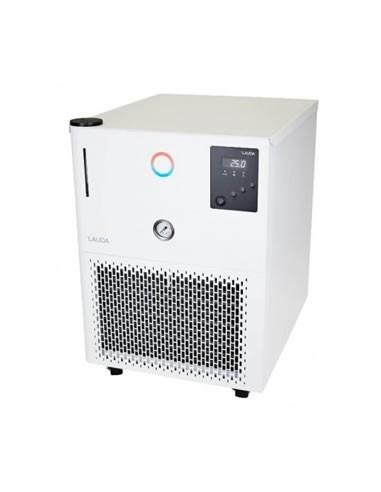
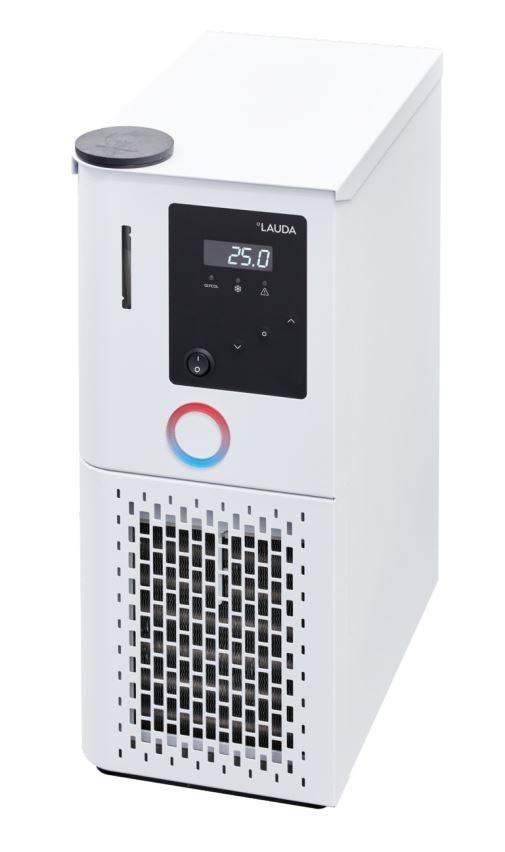
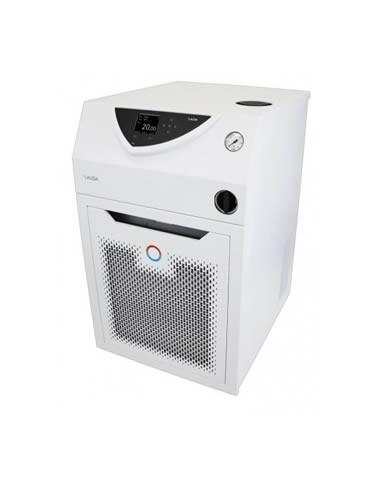
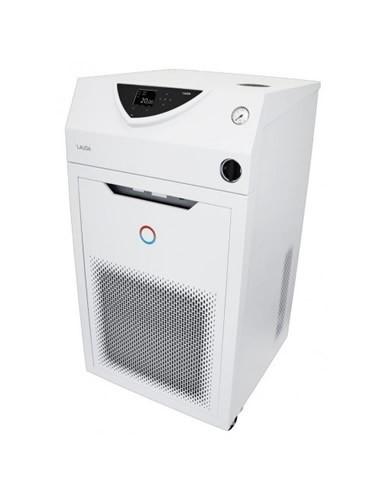
Efficient lab chiller with versatile heat control options.
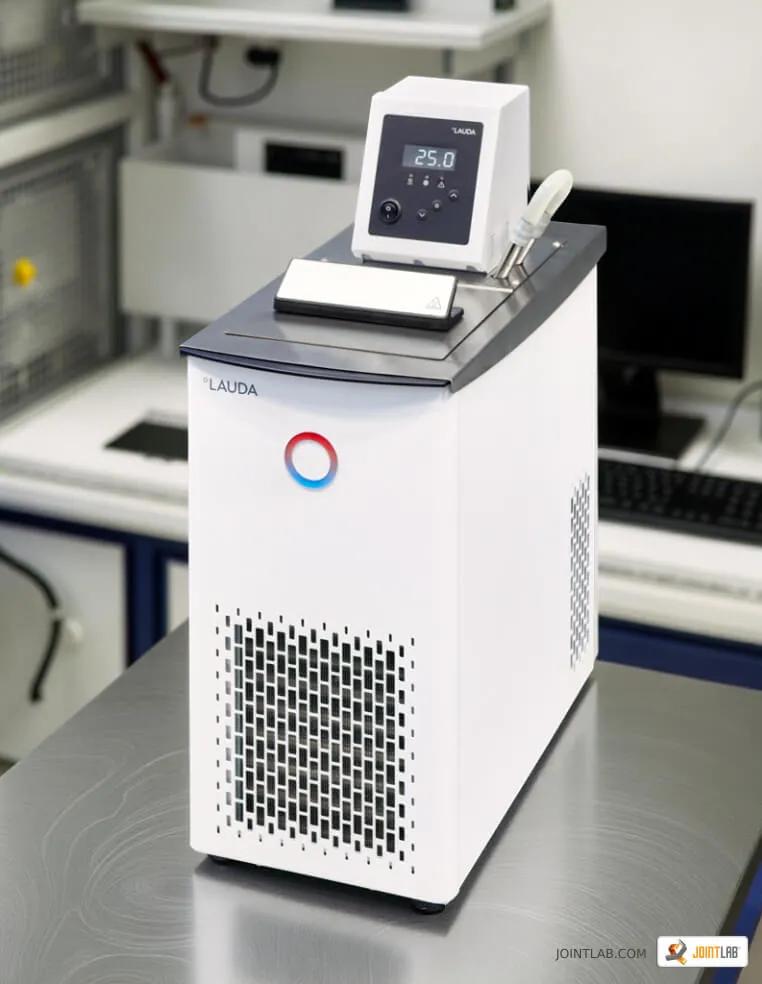
The LAUDA Variocool VC 2000 is part of a series of versatile circulation chillers with cooling capacities ranging from 1200 W to 10 kW, designed to dissipate process heat in laboratory conditions, small plants, or production environments. Operating within a temperature span of -20°C to +80°C, these chillers serve as circulation thermostats suitable for non-flammable heat transfer liquids within a moderate temperature range.
These chillers feature a compact design, intuitive control panels with a color TFT display, and multiple customization options for power, pump pressure, flow rate, and tank size, ensuring optimal adaptation to user-specific needs. All VC models, excluding the VC 600, are available as air-cooled or water-cooled units and are equipped with fixed swivel castors. High-performance models from VC 5000 offer sound insulation or outdoor installation options.
Key features include an adjustable bypass for pressure limitation, a top filling opening with a drain cock, an integrated 150-segment programmer, SmartCool digital energy-saving system, and temperature graphs on display. Applications range from use in devices such as refractometers and polarimeters to bioreactors and chemical reactors.
Technical highlights comprise a USB Type B interface, optional interface upgrades, and easily removable panels for swift maintenance. The model's extensive operating range ensures it is ideal for a diverse array of environments and tasks, sustaining performance with ethanol at specified capacities across varying temperatures.
Examples of applications include lyophilization, crystallization regulation, painting systems, environmental simulation, and testing bench setups. The VC 2000 model's versatility and efficiency make it a preferred choice for rigorous scientific applications.
Lab equipment markets are fragmented. Buyers spend weeks calling distributors, comparing quotes, and verifying supplier reliability. Sellers struggle to reach global research labs.
We built Questpair to fix this. Every supplier on the platform is verified before listing. Every quote you receive comes from a real, vetted seller. AI prepares your case in minutes, then a real specialist takes over.
We're an independent team based in The Netherlands, working with research labs and procurement teams across Europe and worldwide.
With a service contract, ten to fifteen years is normal for most benchtop instruments. Detectors and pumps are the parts that wear first.
Yes. Every verified supplier states which service partners cover the instrument, and we list that alongside the offer.
Ask a scientist through the request button. Parts are often available even when the instrument itself is discontinued.
Two to six weeks, depending on refurbishment scope and whether calibration is included.
We ship to 38 countries. Crating and customs handling are quoted with the instrument.
Tell us what you need and a scientist finds it for you, usually within the hour.
Last updated 19 October 2026
€7,866 sits above most chillers here. The middle half of the 79 with a price runs from €2,245 to €6,235.
1 other listing of this model is available.