52k+ listingsShips to NLResponse within one hour+31 73 711 4717info@questpair.com

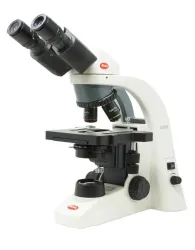
Motic BA210S Biological Compound Microscope with Infinity Optical System

From€1,998.94excl. VAT

In stock

Can't find what you're looking for?

Optical System
Infinity Optical System
Observation tube
Binocular Head Siedentopf type
Inclination
30° inclined, 360º rotating
Interpupillary distance
55-75mm
Diopter adjustment
On both tubes, +/- 5 diopter
All 27 specifications
  • Ships to NL
  • Response within 1 hour
  • Warranty available. Buy without worry
  • Support from a scientist

Specifications 27

Brands
Motic
New/Used
Used
Optical System
Infinity Optical System
Observation tube
Binocular Head Siedentopf type
Inclination
30° inclined, 360º rotating
Interpupillary distance
55-75mm
Diopter adjustment
On both tubes, +/- 5 diopter
Eyepiece
WF10X/20mm
Nosepiece
Reverse quadruple revolving nosepiece with click stops
Objective classification
ASC Infinity Plan Achromat
Objectives
4X/0.10 (DT 17mm), 10X/0.25 (DT 6.4mm), 40X/0.65/S (DT 0.45mm), 100X/1.25/S (DT 0.14mm)
Objective mounting thread
W 4/5" x 1/36" (RMS standard)
Mechanical stage
Built-in low position coaxial mechanical stage with sample holder
Stage size Mechanical Stage X&Y
140mm x 135mm
Range
76 x 40mm
Upper limit stop
Pre-set and adjustable
Condenser
Rack and pinion Abbe 1.25 N.A. with iris diaphragm
Focus mechanism
Coaxial coarse and fine focusing system with tension adjustment
Fine focus precision
2μm minimum increment
Z-Axis movement
20mm
Filter
Built-in frosted glass, no blue filter needed
Illumination
LED 3W with intensity control
Transformer
Internal
Power supply
Universal 100 - 240V 50 - 60Hz
Accessories included
Dust cover and immersion oil (5ml)
Length x Width x Height
360x190x395mm
Weight
7,2Kg

Product description

Infinity optical compound microscope with LED illumination, coaxial focus, and mechanical stage for biological research.

The Motic BA210S biological compound microscope is designed for advanced biology applications, suitable for students, educators, medical professionals, and lab technicians. Features include:

  • Optical System: Infinity Optical System
  • Observation Heads:
  • Binocular Head (Siedentopf type)
  • Trinocular Head (Siedentopf type) with light split ratios of 80/20 or 100/0
  • Inclination & Rotation: 30° inclined observation tube, 360° rotation
  • Interpupillary Distance: Adjustable from 55 to 75 mm
  • Diopter Adjustment: ±5 diopter on both tubes
  • Eyepieces: Wide Field WF10X/20 mm
  • Nosepiece: Reverse quadruple revolving with click stops
  • Objectives (ASC Infinity Plan Achromat):
  • 4X/0.10 (DT 17 mm)
  • 10X/0.25 (DT 6.4 mm)
  • 40X/0.65/S (DT 0.45 mm)
  • 100X/1.25/S (DT 0.14 mm)
  • Objective Mounting Thread: W 4/5" x 1/36" (RMS standard)
  • Mechanical Stage: Built-in low position coaxial stage with sample holder
  • Stage Size: 140 mm x 135 mm with XY range 76 x 40 mm and pre-set adjustable upper limit stop
  • Condenser: Rack and pinion Abbe type, N.A. 1.25, with iris diaphragm
  • Focus Mechanism: Coaxial coarse and fine focus with tension adjustment
  • Fine Focus Precision: 2 μm minimum increment
  • Z-Axis Movement: 20 mm
  • Filter: Built-in frosted glass (no blue filter required)
  • Illumination: 3W LED with intensity control, internal transformer
  • Power Supply: Universal 100–240 V, 50–60 Hz
  • Dimensions: 360 x 190 x 395 mm (L x W x H)
  • Weight: 7.2 kg
  • Included Accessories: Dust cover and 5 ml immersion oil

This instrument combines ergonomic design for comfort and fatigue-free use during extended observation periods.

Why Questpair exists

Lab equipment markets are fragmented. Buyers spend weeks calling distributors, comparing quotes, and verifying supplier reliability. Sellers struggle to reach global research labs.

We built Questpair to fix this. Every supplier on the platform is verified before listing. Every quote you receive comes from a real, vetted seller. AI prepares your case in minutes, then a real specialist takes over.

We're an independent team based in The Netherlands, working with research labs and procurement teams across Europe and worldwide.

Frequently asked questions

How long does laboratory equipment typically last?

With a service contract, ten to fifteen years is normal for most benchtop instruments. Detectors and pumps are the parts that wear first.

Can I get service for older equipment?

Often, yes. Verified suppliers frequently work with service partners converting the instrument. If applicable, we can list servicing options alongside the offer.

Where can I buy parts?

Ask a scientist through the request button. Parts are often available even when the instrument itself is discontinued.

What is the typical lead time for refurbished equipment?

Two to six weeks, depending on refurbishment scope and whether calibration is included.

Does laboratory equipment ship internationally?

We ship to 38 countries. Crating and customs handling are quoted with the instrument.

Reply in one hour

Can't find the exact configuration?

Tell us what you need and a scientist finds it for you, usually within the hour.

Last updated 8 November 2026