52k+ listingsShips to NLResponse within one hour+31 73 711 4717info@questpair.com

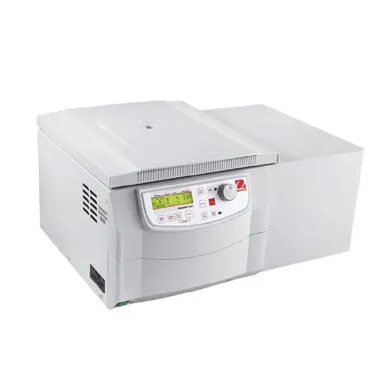
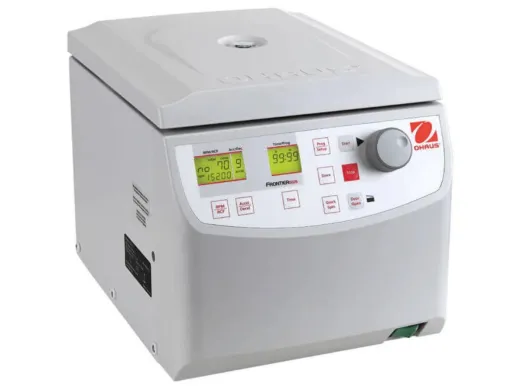
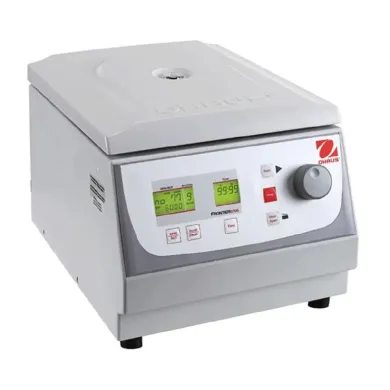
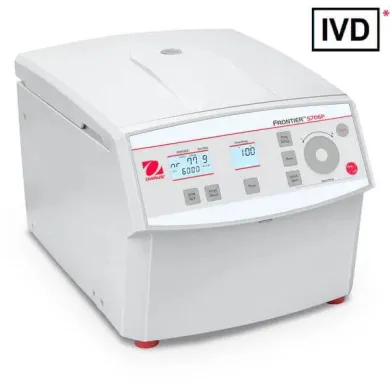
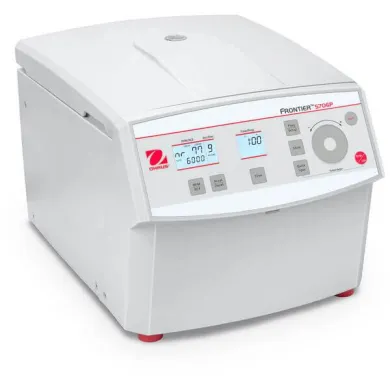
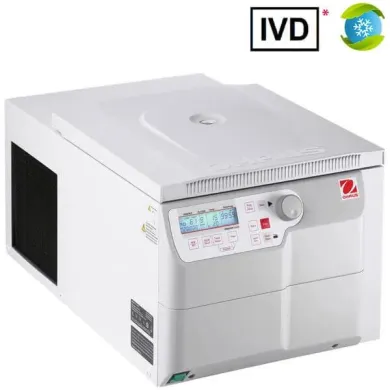
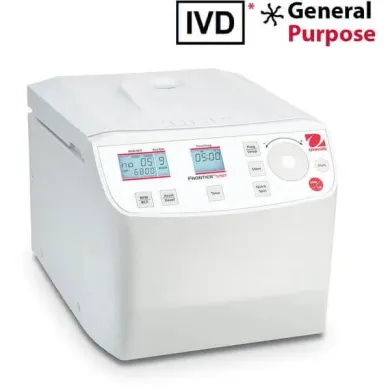
Ohaus Microcentrifuge FC5513 120V – Programmable Benchtop Centrifuge up to 13,500 rpm

From€3,191.38excl. VAT

In stock

Can't find what you're looking for?

Speed Range
200 rpm – 13,500 rpm
Maximum Relative Centrifugal Force
17,317 x g
Maximum Capacity(Rotor)
24 x 1.5 / 2.0 ml
Program memories
99
Rotor In Package
Not applicable
All 22 specifications
  • Ships to NL
  • Response within 1 hour
  • Warranty available. Buy without worry
  • Support from a scientist

Specifications 22

Brands
Ohaus
New/Used
Used
Speed Range
200 rpm – 13,500 rpm
Maximum Relative Centrifugal Force
17,317 x g
Maximum Capacity(Rotor)
24 x 1.5 / 2.0 ml
Program memories
99
Rotor In Package
Not applicable
Acceleration Gear
10
Deceleration Gear
10
Dimensions
14 in x 9.3 in x 10.9 in (356 mm x 236 mm x 277 mm) (LxHxW)
Display
LCD with backlight
Lid lock
Mechanical
Net Weight
27.8 lb (12.6 kg)
Noise Level
≤60±2 dB(A)
Power
AC Power (Included)
Power Consumption
170 W
Pre-cool time
Not applicable
Rotor Compatibility
Rotor Angle 24x1.5/2.0ml ID BIOSEALS V1; Hematocrit rotor, 24 × Capillaries
Rotor Recognition Method
Manual
Running Time
Continous; 10 sec to 99 h 59 min 59 sec; Quickspin
Safety Certification
CE; FCC
Working Environment
41°F - 95 °F, 80%RH, non-condensing (5°C – 35°C, 80%RH, non-condensing)

Product description

The Ohaus Microcentrifuge FC5513 is a precision benchtop centrifuge engineered for high-throughput sample processing in molecular biology, clinical diagnostics, and biotechnology laboratories. Featuring a brushless quiet motor and a compact footprint, this centrifuge enables efficient centrifugation with minimal noise (≤60 ±2 dB(A)).

  • Speed Range: 200 to 13,500 rpm, delivering a maximum relative centrifugal force (RCF) of 17,317 x g, critical for cell pelleting, nucleic acid extraction, and protein isolation workflows.
  • Rotor Capacity: Accommodates 24 tubes of 1.5 or 2.0 ml, compatible with angle rotors including BIOSEALS V1 and hematocrit rotors, ensuring versatility for varied bioprocessing applications.
  • Operation: Powered by included AC power supply, featuring manual rotor recognition and mechanical lid lock for user safety during high-speed runs.
  • Programming: Integrates 99 programmable memory settings, allowing tailored protocols with acceleration and deceleration gears each set at 10 for precise control over centrifugation parameters.
  • Display: Backlit 2-line LCD provides clear status readout and timing control from 10 seconds up to continuous operation or 99 hours 59 minutes 59 seconds, accommodating extended biomanufacturing processes.
  • Safety & Compliance: Certified to CE and FCC standards, suitable for regulated biomedical engineering and synthetic biology environments.
  • Dimensions & Weight: Measures 356 mm x 236 mm x 277 mm (LxHxW) with a net weight of 12.6 kg, ideal for constrained laboratory benches.
  • Environmental Conditions: Operates effectively within 5°C to 35°C at 80% relative humidity, supporting a range of laboratory and clinical settings.

This microcentrifuge is essential for biotechnology workflows such as molecular cloning, cell fractionation, and biopharmaceutical production pipelines, where reliable, programmable centrifugation is crucial. Its quiet operation and compact design make it a popular choice among molecular biology researchers and clinical professionals performing high-precision sample preparation.

Why Questpair exists

Lab equipment markets are fragmented. Buyers spend weeks calling distributors, comparing quotes, and verifying supplier reliability. Sellers struggle to reach global research labs.

We built Questpair to fix this. Every supplier on the platform is verified before listing. Every quote you receive comes from a real, vetted seller. AI prepares your case in minutes, then a real specialist takes over.

We're an independent team based in The Netherlands, working with research labs and procurement teams across Europe and worldwide.

Frequently asked questions

How long does laboratory equipment typically last?

With a service contract, ten to fifteen years is normal for most benchtop instruments. Detectors and pumps are the parts that wear first.

Can I get service for older equipment?

Often, yes. Verified suppliers frequently work with service partners converting the instrument. If applicable, we can list servicing options alongside the offer.

Where can I buy parts?

Ask a scientist through the request button. Parts are often available even when the instrument itself is discontinued.

What is the typical lead time for refurbished equipment?

Two to six weeks, depending on refurbishment scope and whether calibration is included.

Does laboratory equipment ship internationally?

We ship to 38 countries. Crating and customs handling are quoted with the instrument.

Reply in one hour

Can't find the exact configuration?

Tell us what you need and a scientist finds it for you, usually within the hour.

Last updated 7 November 2026