58k+ listingsShips to NLResponse within one hour+31 73 711 4717info@questpair.com

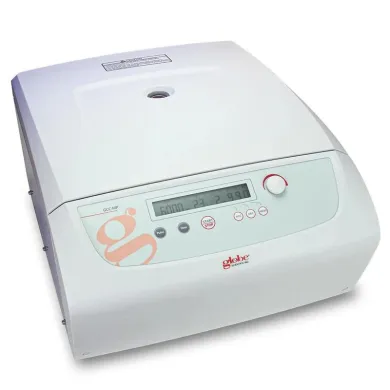
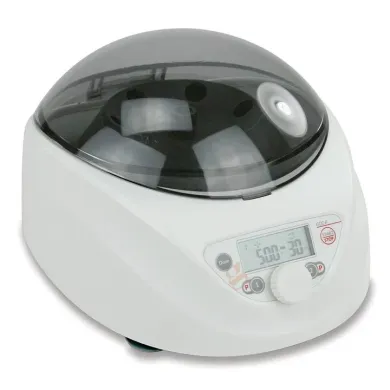
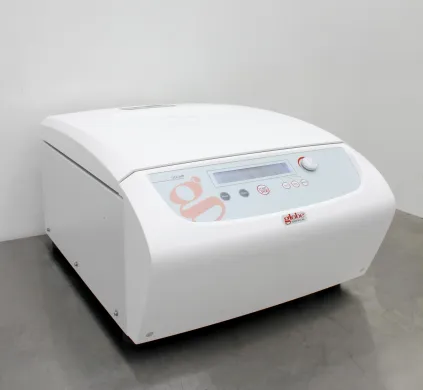
Globe Scientific GCC-MP Multi-Purpose Laboratory Centrifuge with Swing Bucket and Fixed Angle Rotors

From€269.59excl. VAT

In stock

Can't find what you're looking for?

Max Speed
300 - 6000rpm, 10rpm increments
Max RCF
4300 x g
Speed Accuracy
+/- 20rpm
Run Time
30 sec - 99 min or continuous
Program Storage
Yes, up to 9
All 17 specifications
  • Ships to NL
  • Response within 1 hour
  • Warranty available. Buy without worry
  • Support from a scientist

Specifications 17

Brands
Globe Scientific
New/Used
Used
Max Speed
300 - 6000rpm, 10rpm increments
Max RCF
4300 x g
Speed Accuracy
+/- 20rpm
Run Time
30 sec - 99 min or continuous
Program Storage
Yes, up to 9
Power
10A, 660W
Display
Backlit LCD
Acceleration Time
9 Seconds
Braking Time
10 Seconds
Dimensions (WxDxH)
445x579x269mm (17.5x22.8x10.6")
Weight
79.4 lbs (36 kg)
Certifications
CE, cTÜVus, FCC, MCA
Warranty
2 Years
Permissible Relative Humidity
80% RH (non-condensing)
Protection Class
IP21

Product description

The Globe Scientific GCC-MP Multi-Purpose Centrifuge is designed to support diverse laboratory applications in biotechnology, molecular diagnostics, and clinical research. This centrifuge accommodates tubes ranging from 0.2 mL to 100 mL and supports microplates, making it versatile for bioprocessing workflows and gene editing sample preparation.

Key operational features include:

  • Speed range: 300 to 6000 rpm in 10 rpm increments
  • Maximum relative centrifugal force (RCF): 4300 x g, suitable for applications requiring moderate to high centrifugal force
  • Rotor compatibility: Options for fixed angle, swing bucket, and microplate rotors facilitate broad sample processing needs in synthetic biology and biomanufacturing labs
  • Programmable operation: Up to 9 storage programs enabling repeatable protocols critical in molecular cloning and biopharmaceutical production pipelines
  • Run time: Adjustable from 30 seconds to 99 minutes or continuous operation to tailor to specific experimental designs

The instrument incorporates multiple safety mechanisms essential for reliable operation in high-throughput environments:

  • Door interlock to prevent accidental opening during runs
  • Overspeed and over-temperature detection to safeguard samples and equipment
  • Imbalance protection to maintain stability and prolong unit lifespan
  • Automatic rotor detection for ease of use and prevention of rotor-related errors

Additional technical specifications:

  • Acceleration time: 9 seconds, braking time: 10 seconds for efficient cycle transitions
  • Power: 660W at 10A
  • User interface: Backlit LCD for clear operational data visibility
  • Physical dimensions: 445 x 579 x 269 mm (WxDxH)
  • Weight: 36 kg (79.4 lbs)
  • Certifications include CE, cTÜVus, FCC, MCA, highlighting compliance with international safety standards
  • Protection class: IP21, suitable for standard laboratory ambient conditions
  • Warranty: Two years for reliable service

This centrifuge is widely adopted in cell imaging, fluorescence analysis, and biomedical engineering due to its flexibility and safety, making it essential for molecular cloning workflows and critical in biopharmaceutical production pipelines. Its suitability for microplate processing also supports advances in high-throughput screening and synthetic biology research.

Why Questpair exists

Lab equipment markets are fragmented. Buyers spend weeks calling distributors, comparing quotes, and verifying supplier reliability. Sellers struggle to reach global research labs.

We built Questpair to fix this. Every supplier on the platform is verified before listing. Every quote you receive comes from a real, vetted seller. AI prepares your case in minutes, then a real specialist takes over.

We're an independent team based in The Netherlands, working with research labs and procurement teams across Europe and worldwide.

Frequently asked questions

How long does laboratory equipment typically last?

With a service contract, ten to fifteen years is normal for most benchtop instruments. Detectors and pumps are the parts that wear first.

Can I get service for older equipment?

Often, yes. Verified suppliers frequently work with service partners converting the instrument. If applicable, we can list servicing options alongside the offer.

Where can I buy parts?

Ask a scientist through the request button. Parts are often available even when the instrument itself is discontinued.

What is the typical lead time for refurbished equipment?

Two to six weeks, depending on refurbishment scope and whether calibration is included.

Does laboratory equipment ship internationally?

We ship to 38 countries. Crating and customs handling are quoted with the instrument.

Reply in one hour

Can't find the exact configuration?

Tell us what you need and a scientist finds it for you, usually within the hour.

Last updated 23 October 2026