Price on request
In stock
Can't find what you're looking for?
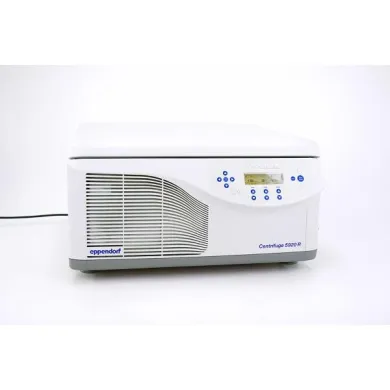
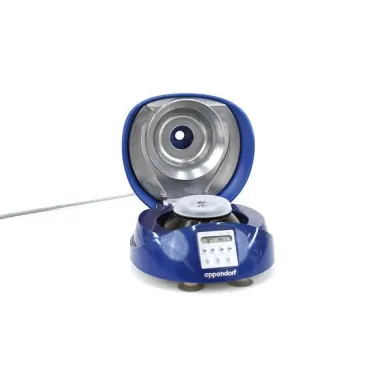
Compact non-refrigerated microcentrifuge with 13,200 rpm and 16,110 x g for microtube sample processing.
The Eppendorf 5415D Microcentrifuge is a compact and reliable benchtop centrifuge designed for routine laboratory microtube centrifugation without refrigeration. It accommodates up to 24 x 2.0 mL Safe-Lock micro test tubes or 36 x 0.5 mL tubes, delivering a maximum rotational speed of 13,200 rpm and a maximum relative centrifugal force (RCF) of 16,110 x g. Ideal for biotechnology workflows such as molecular diagnostics, gene editing sample prep, and synthetic biology research that require rapid and precise centrifugation of small volumes at ambient temperature.
Key technical features include:
The 5415D microcentrifuge is critical in workflows involving nucleic acid purification, protein isolation, and cell fractionation, supporting essential molecular cloning and biomanufacturing applications. Its robust performance and ergonomic design make it a widely adopted centrifuge for live-cell sample prep and fluorescence analysis across life sciences and biotechnology sectors.
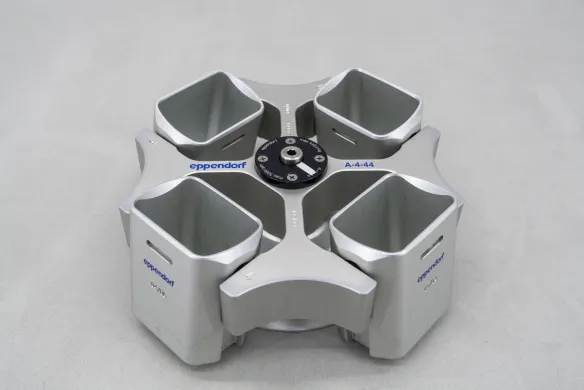
Included with the centrifuge are the F45-24-11 fixed-angle rotor with plastic lid, power cord, user manual, and a 30-day warranty, ensuring reliable operation and maintenance support for laboratory professionals.
This model’s precision and speed make it a dependable tool for researchers in molecular biology, neuroscience, and synthetic biology - particularly in environments where non-refrigerated centrifugation is sufficient to maintain sample integrity during critical centrifugation steps.
Lab equipment markets are fragmented. Buyers spend weeks calling distributors, comparing quotes, and verifying supplier reliability. Sellers struggle to reach global research labs.
We built Questpair to fix this. Every supplier on the platform is verified before listing. Every quote you receive comes from a real, vetted seller. AI prepares your case in minutes, then a real specialist takes over.
We're an independent team based in The Netherlands, working with research labs and procurement teams across Europe and worldwide.
With a service contract, ten to fifteen years is normal for most benchtop instruments. Detectors and pumps are the parts that wear first.
Often, yes. Verified suppliers frequently work with service partners converting the instrument. If applicable, we can list servicing options alongside the offer.
Ask a scientist through the request button. Parts are often available even when the instrument itself is discontinued.
Two to six weeks, depending on refurbishment scope and whether calibration is included.
We ship to 38 countries. Crating and customs handling are quoted with the instrument.
Tell us what you need and a scientist finds it for you, usually within the hour.
Last updated 22 October 2026
The middle half of the 2,187 with a price runs from €200 to €2,066.
2 other listings of this model are available.