Price on request
In stock
Can't find what you're looking for?
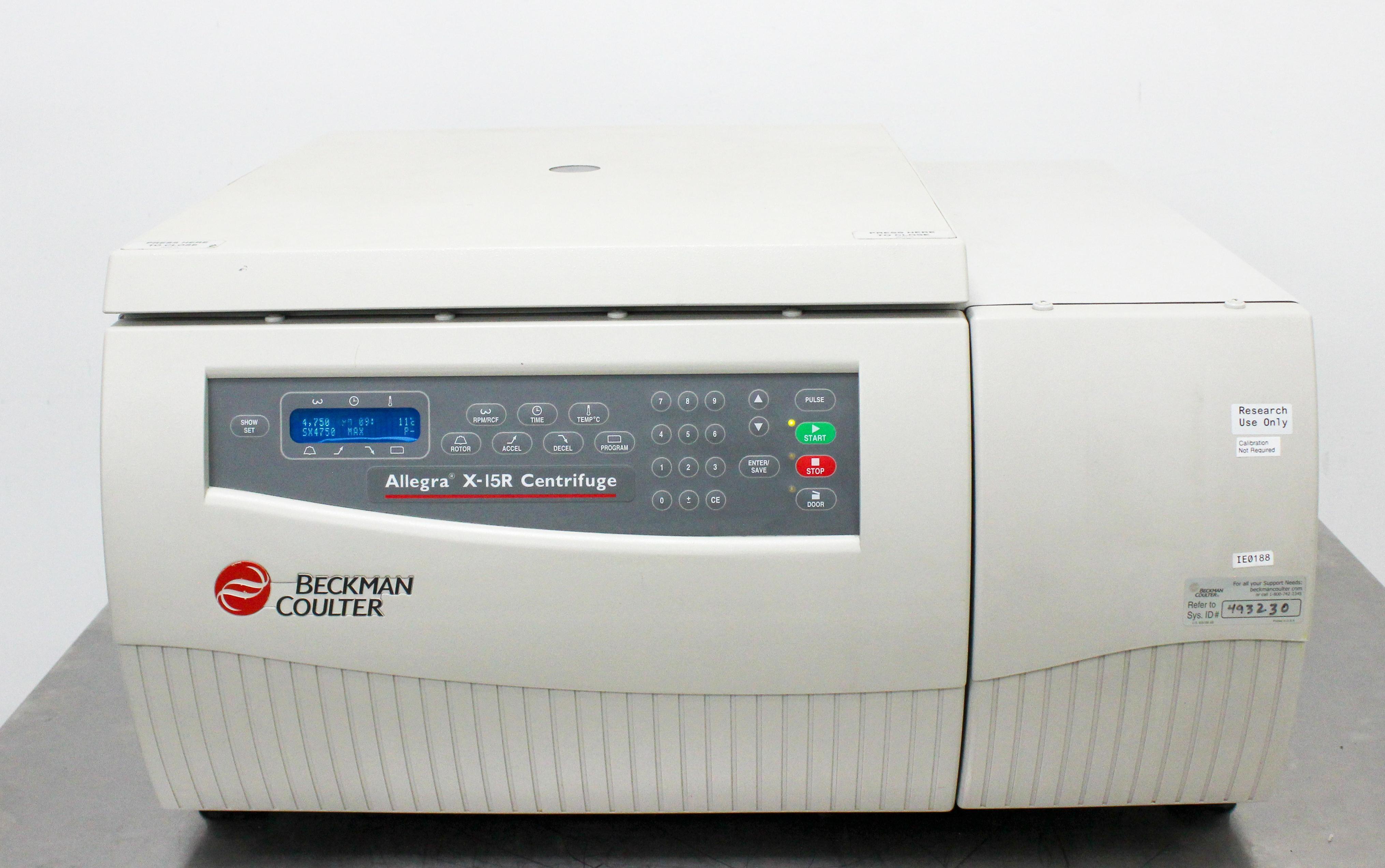
Compact refrigerated microcentrifuge with 15,000 rpm, 20,627 x g max RCF, 72 mL capacity for biotech sample prep.
The Beckman Coulter Microfuge 20R is a laboratory-grade refrigerated microcentrifuge engineered for high-speed benchtop sample processing in molecular biology, biotechnology, and clinical diagnostics. It delivers a maximum rotor speed of 15,000 rpm and a maximum relative centrifugal force (RCF) of 20,627 x g, enabling efficient separation of nucleic acids, proteins, and cell debris—critical for bioprocessing and molecular cloning workflows.
Key technical features include:
The unit’s small size (12x26x12 inches, weighing 70 lbs) and low noise output (<59 dBA) make it ideal for routine R&D, sample preparation, and biotechnological workflows requiring reliable and precise centrifugation without the footprint of a floor model.
Its environmental tolerance includes operation at altitudes up to 2000 m and ambient temperatures between 5 and 40°C with humidity below 80% (noncondensing), supporting flexible use in varied lab environments. Power requirements are 120VAC, 5.3A, 60Hz.
Widely adopted in laboratories focused on biotechnology, molecular diagnostics, and biopharmaceutical production, the Beckman Coulter Microfuge 20R is essential for gene editing sample prep, cell fractionation, and biochemical purification steps. It enables critical downstream processes such as nucleic acid extraction and protein concentration with precise temperature and speed control.
This refrigerated microcentrifuge is a trusted instrument for researchers requiring high performance in biotech and clinical domains, making it a core tool in advanced molecular biology and bioprocessing laboratories.
Lab equipment markets are fragmented. Buyers spend weeks calling distributors, comparing quotes, and verifying supplier reliability. Sellers struggle to reach global research labs.
We built Questpair to fix this. Every supplier on the platform is verified before listing. Every quote you receive comes from a real, vetted seller. AI prepares your case in minutes, then a real specialist takes over.
We're an independent team based in The Netherlands, working with research labs and procurement teams across Europe and worldwide.
With a service contract, ten to fifteen years is normal for most benchtop instruments. Detectors and pumps are the parts that wear first.
Yes. Every verified supplier states which service partners cover the instrument, and we list that alongside the offer.
Ask a scientist through the request button. Parts are often available even when the instrument itself is discontinued.
Two to six weeks, depending on refurbishment scope and whether calibration is included.
We ship to 38 countries. Crating and customs handling are quoted with the instrument.
Tell us what you need and a scientist finds it for you, usually within the hour.
Last updated 19 October 2026
The middle half of the 2,187 with a price runs from €200 to €2,069.
1 other listing of this model is available.