52k+ listingsShips to NLResponse within one hour+31 73 711 4717info@questpair.com
Procurable · sourced on request

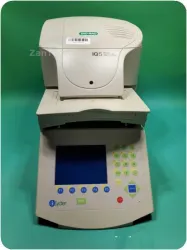
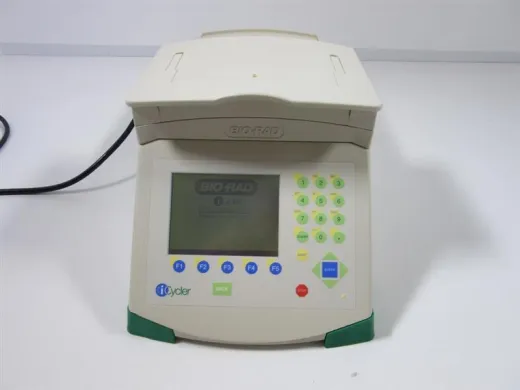
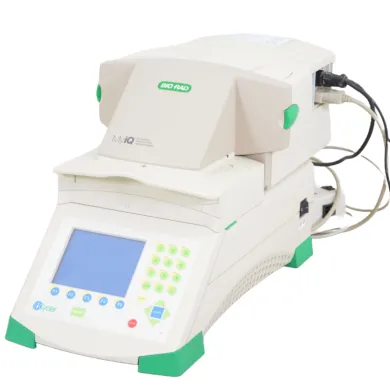
Bio-Rad iQ5

UsedBio-RadPCR equipmentNetherlands
Procurable

Not in stock, available to order through our sourcing team

Not in stock, but we can get it for you

We source this model through our supplier network. Request a quote and we'll come back within one hour.

  1. Request a quote
  2. We confirm price and lead time
  3. You approve, we ship to you
Temperature Range
4–100°C
Temperature Accuracy
±0.3°C of programmed target
Gradient Range
40–100°C
Temperature Uniformity
±0.4°C well-to-well
Gradient Accuracy
±0.4°C
Availability
Procurable
Lead time
Confirmed with your quote
All 25 specifications
  • Ships to NL
  • Response within 1 hour
  • Warranty available. Buy without worry
  • Support from a scientist

Specifications 25

Brands
Bio-Rad
New/Used
Used
Dimensions
330 x 460 x 360 mm
Weight
21.4 kg
Temperature Range
4–100°C
Temperature Accuracy
±0.3°C of programmed target
Gradient Range
40–100°C
Temperature Uniformity
±0.4°C well-to-well
Gradient Accuracy
±0.4°C
Row Uniformity
±0.4°C
Temperature Differential Range
1–25°C
Light Source
Tungsten-Halogen lamp
Power Supply
Not specified
Voltage
Not specified
Current
Not specified
Multiplexing Capability
Up to 5 fluorophores per reaction vessel
Detection Range
515–700 nm
Excitation Range
475–645 nm
Detection Limits
Not specified
Measurement Range
515–700 nm
Sample Handling
96-well plate format
Compatible Materials
SYBR Green I, Taqman, Molecular Beacon, FRET, MGB, Amplifluor, Scorpion
Connectivity/Interface
Not specified
Availability
Procurable
Lead time
Confirmed with your quote

Product description

Real-time PCR system with 96-well block, multiplex PCR for up to 5 targets, thermal gradient, and advanced gene expression analysis.

The Bio-Rad iQ5 is a real-time PCR detection system designed for precise and efficient quantification of DNA and RNA targets. Building upon the legacy of Bio-Rad's iCycler iQ and MyiQ systems, this instrument integrates seamlessly with the iCycler thermal cycler, featuring a 96-well reaction block. Its advanced optical system supports multiplex PCR, enabling simultaneous analysis of up to five targets, thereby conserving valuable samples and reagents.

Key features include:

  • Multiplexing capability: Detects up to five fluorophores per reaction vessel, facilitating comprehensive analyses.
  • Thermal gradient functionality: Allows rapid assay optimization by enabling different temperatures across the reaction block.
  • Intuitive software: Simplifies protocol setup and data analysis, reducing time to results.
  • Diverse data analysis options: Provides comprehensive views of assay outcomes with various presentation formats.
  • Advanced gene expression analysis: Offers publication-quality statistics and graphs for relative quantitation studies.
  • Flexible allelic discrimination module: Facilitates automatic sample identification in genotyping experiments.
  • End-point fluorescence analysis tools: Enable qualitative assessment of sample abundance in single- or multicolor assays.
  • Reliable thermal cycling performance: Delivered by the robust iCycler thermal cycler.

This system is widely applied in fields such as molecular biology, genetics, and biomedical research, supporting applications like gene expression analysis, genotyping, and pathogen detection. It is commonly utilized in university laboratories, biomedical research centres, and clinical diagnostics facilities. Introduced in the mid-2000s, the iQ5 remains relevant, with refurbished units still in use today.

Why Questpair exists

Lab equipment markets are fragmented. Buyers spend weeks calling distributors, comparing quotes, and verifying supplier reliability. Sellers struggle to reach global research labs.

We built Questpair to fix this. Every supplier on the platform is verified before listing. Every quote you receive comes from a real, vetted seller. AI prepares your case in minutes, then a real specialist takes over.

We're an independent team based in The Netherlands, working with research labs and procurement teams across Europe and worldwide.

Frequently asked questions

How long does laboratory equipment typically last?

With a service contract, ten to fifteen years is normal for most benchtop instruments. Detectors and pumps are the parts that wear first.

Can I get service for older equipment?

Often, yes. Verified suppliers frequently work with service partners converting the instrument. If applicable, we can list servicing options alongside the offer.

Where can I buy parts?

Ask a scientist through the request button. Parts are often available even when the instrument itself is discontinued.

What is the typical lead time for refurbished equipment?

Two to six weeks, depending on refurbishment scope and whether calibration is included.

Does laboratory equipment ship internationally?

We ship to 38 countries. Crating and customs handling are quoted with the instrument.

Reply in one hour

Can't find the exact configuration?

Tell us what you need and a scientist finds it for you, usually within the hour.

Last updated 7 November 2026