Can't find what you're looking for?
| Specification | Powder-coated sheet€10,120 | Stainless steel linen finishPrice on request |
|---|---|---|
| Price (excl. VAT) | €10,120 | Price on request |
| Availability | In stock | In stock |
| Housing | Powder-coated sheet | Stainless steel linen finish |
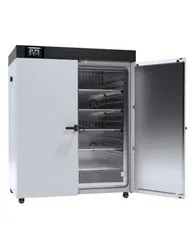
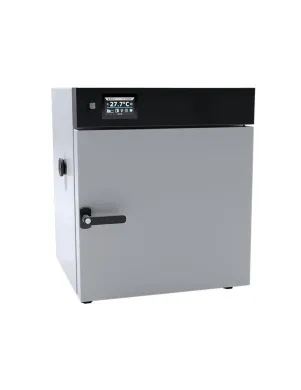
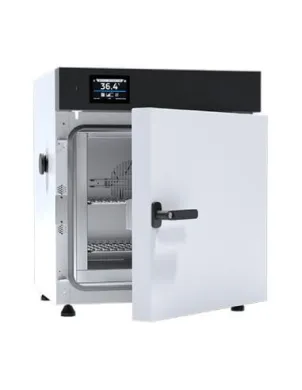
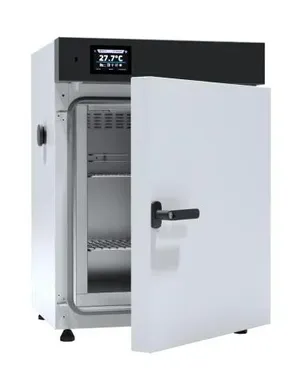
POL-EKO SMART ILP 750 cooling incubator with 749 L capacity, 0 to 70 °C control, Peltier refrigeration, touchscreen, USB and LAN monitoring.
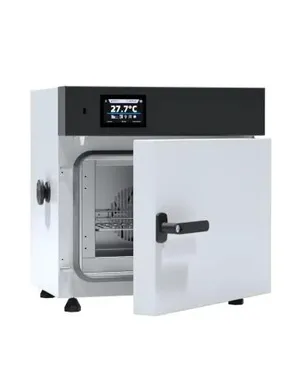
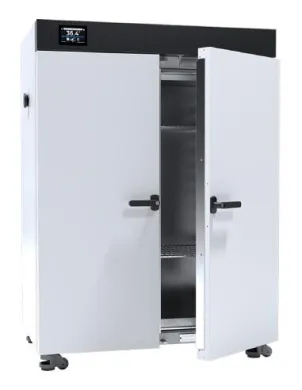
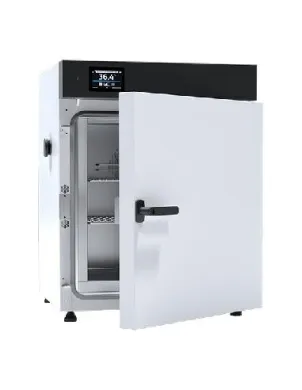
The POL-EKO SMART ILP 750 cooling incubator is designed for controlled sample incubation in biotechnology and life sciences laboratories. Peltier refrigeration provides temperature control from 0 to 70 °C and operates without refrigerant.
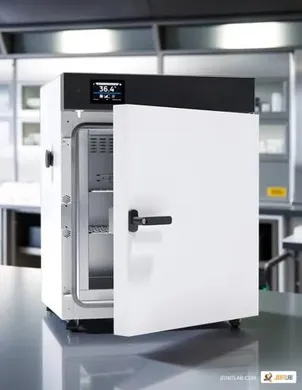
The unit includes a 749 L chamber, an acid-resistant stainless steel interior, a double door with an internal glass door, and a SMART colour touchscreen. Timer and programming functions, alarms, a USB port for data export, and a LAN connection for remote monitoring through LabDesk Cloud are included.
The unit is new. Vibration-free cooling and temperature operation down to 20 °C below room temperature are specified.
The POL-EKO SMART ILP 750 is a 749 L cooling incubator with Peltier refrigeration and a temperature range of 0 to 70 °C. The cooling system operates down to 20 °C below room temperature.
The 0 to 70 °C range supports both cooled incubation and elevated-temperature incubation. The stated cooling performance reaches 20 °C below room temperature, which defines the unit's cooling capability relative to ambient conditions.
Peltier cooling is refrigerant-free and vibration-free. This configuration is suited to applications where mechanical refrigeration vibration or refrigerant use is not required.
Lab equipment markets are fragmented. Buyers spend weeks calling distributors, comparing quotes, and verifying supplier reliability. Sellers struggle to reach global research labs.
We built Questpair to fix this. Every supplier on the platform is verified before listing. Every quote you receive comes from a real, vetted seller. AI prepares your case in minutes, then a real specialist takes over.
We're an independent team based in The Netherlands, working with research labs and procurement teams across Europe and worldwide.
With a service contract, ten to fifteen years is normal for most benchtop instruments. Detectors and pumps are the parts that wear first.
Often, yes. Verified suppliers frequently work with service partners converting the instrument. If applicable, we can list servicing options alongside the offer.
Ask a scientist through the request button. Parts are often available even when the instrument itself is discontinued.
Two to six weeks, depending on refurbishment scope and whether calibration is included.
We ship to 38 countries. Crating and customs handling are quoted with the instrument.
Tell us what you need and a scientist finds it for you, usually within the hour.
Last updated 28 November 2026
Questpair lists 1,365 similar items in Heating & cooling.