Price on request
In stock
Can't find what you're looking for?
Pre-Owned
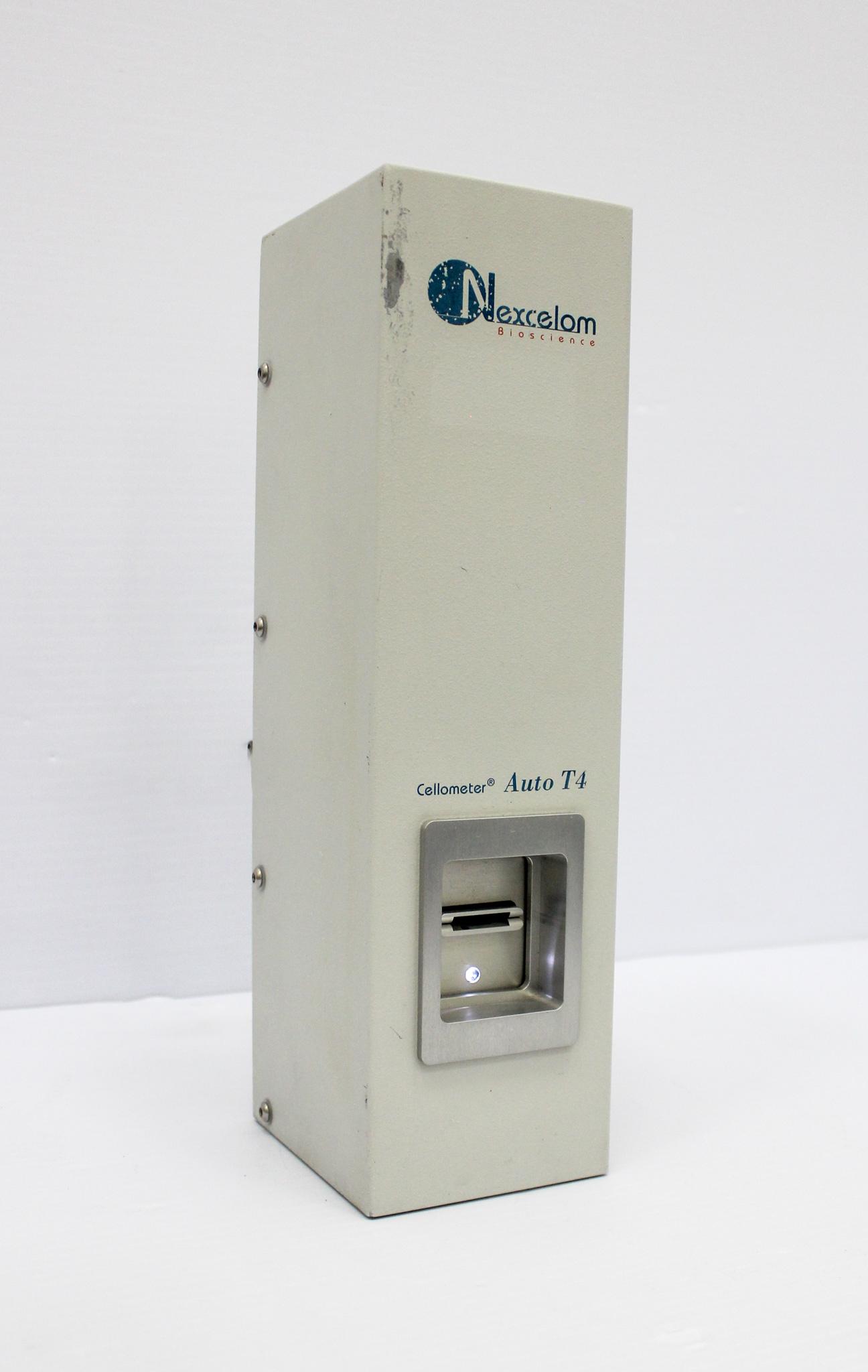
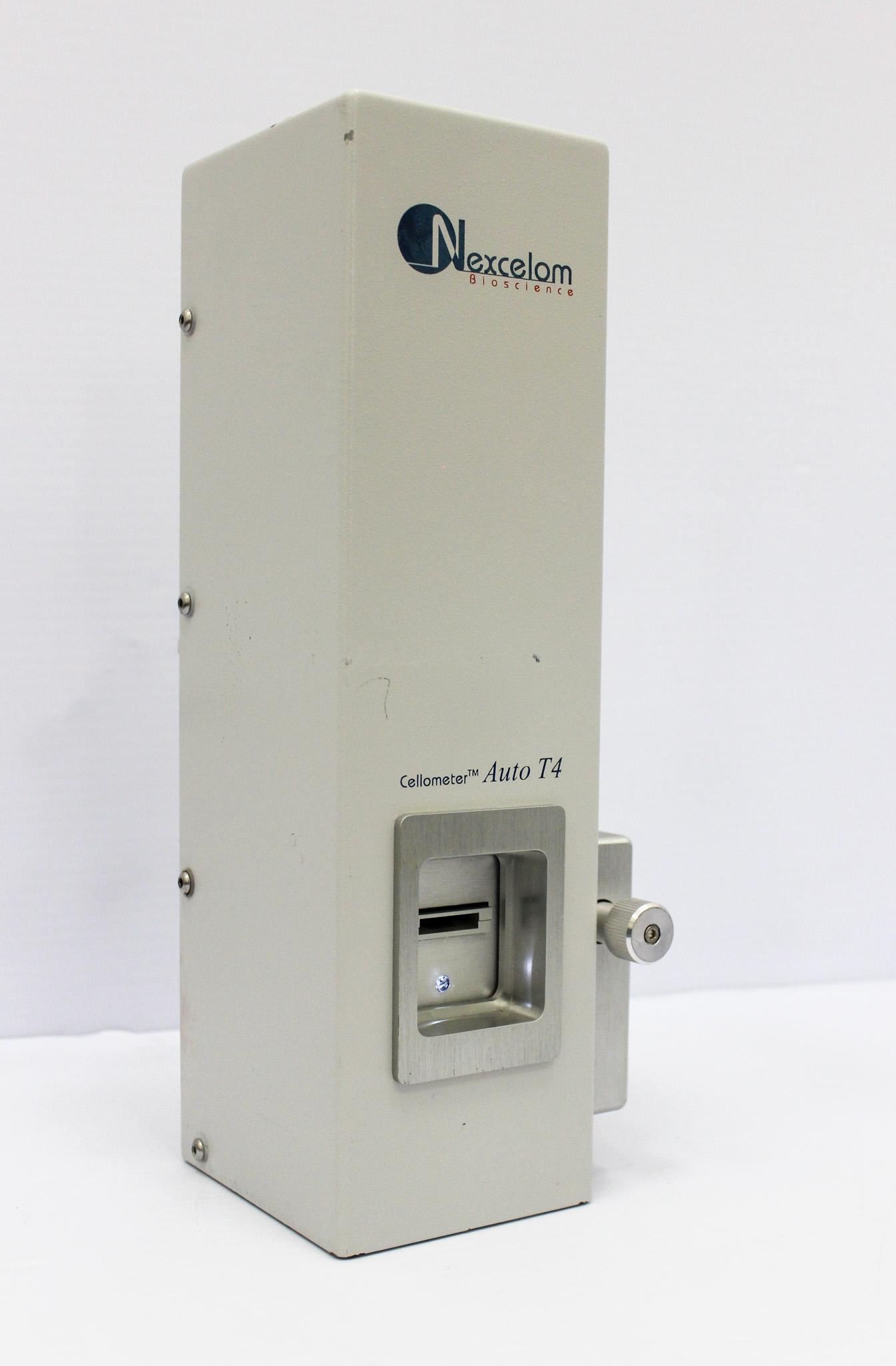
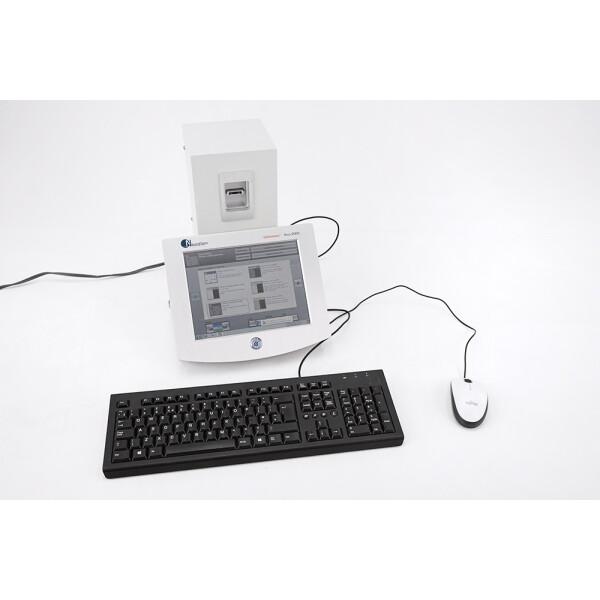
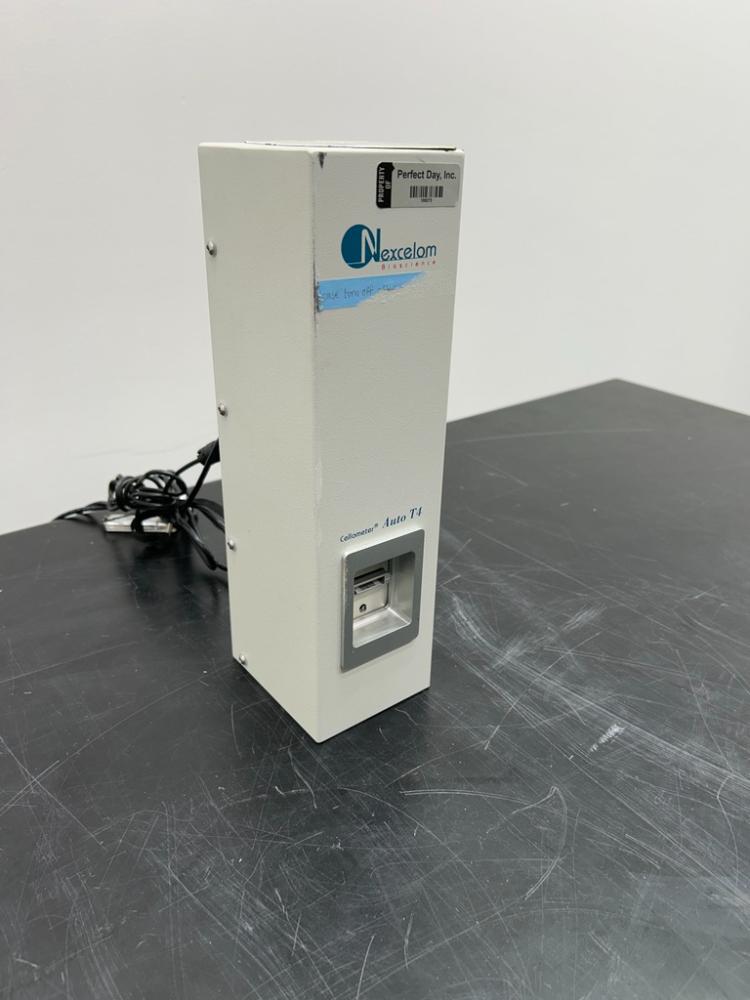
High-throughput cell counter cytometer with 6 fluorescence channels, brightfield imaging, and robotic workflow compatibility.
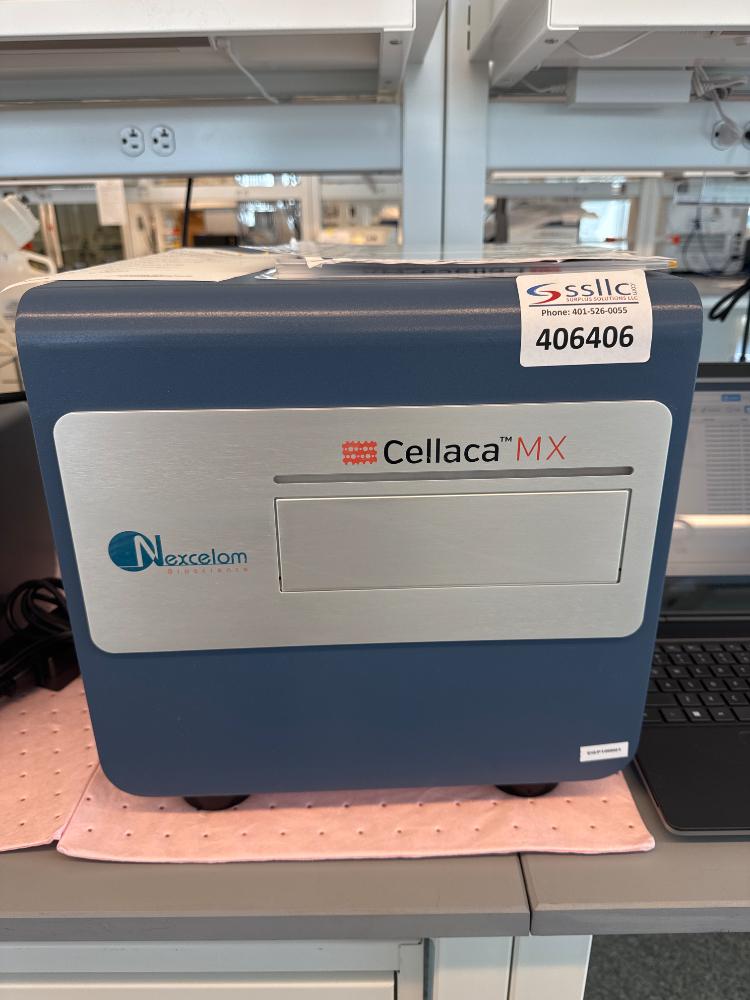
The Revvity Nexcelom Cellaca PLX High Throughput Cell Counter Cytometer is a compact benchtop automated cell analyzer designed for rapid and accurate cell counting with both fluorescence and brightfield imaging modes. Ideal for biotechnology and biomedical research environments, this instrument supports high-throughput workflows essential in molecular diagnostics, bioprocessing, and cell therapy quality control.
Key technical specifications include:
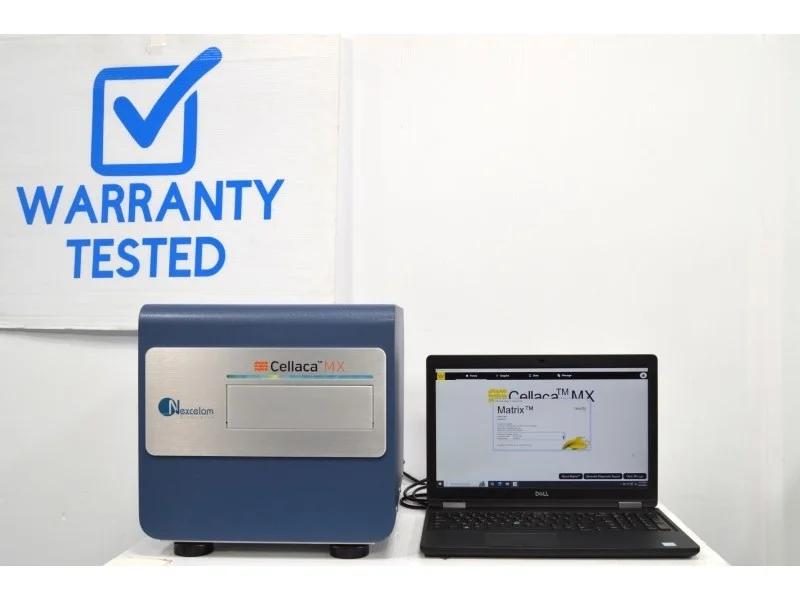
Included with the system are a computer equipped with Matrix software and all necessary communication and power cables. The instrument utilizes disposable counting chambers to minimize contamination risks and streamline sample processing.
Applications prominently include:
This instrument has been thoroughly tested for fluorescence intensity stability, imaging accuracy using CMOS cameras, motorized stage responsiveness and precision, and electronic noise suppression to guarantee artifact-free, reproducible data. It is backed by warranty and post-sale technical support, with remote setup training included.
The Cellaca PLX represents a critical tool for researchers in molecular biology, clinical diagnostics, and biotechnology seeking a robust, high-throughput fluorescence cell counting solution optimized for contemporary biomanufacturing and synthetic biology research environments.
Lab equipment markets are fragmented. Buyers spend weeks calling distributors, comparing quotes, and verifying supplier reliability. Sellers struggle to reach global research labs.
We built Questpair to fix this. Every supplier on the platform is verified before listing. Every quote you receive comes from a real, vetted seller. AI prepares your case in minutes, then a real specialist takes over.
We're an independent team based in The Netherlands, working with research labs and procurement teams across Europe and worldwide.
With a service contract, ten to fifteen years is normal for most benchtop instruments. Detectors and pumps are the parts that wear first.
Yes. Every verified supplier states which service partners cover the instrument, and we list that alongside the offer.
Ask a scientist through the request button. Parts are often available even when the instrument itself is discontinued.
Two to six weeks, depending on refurbishment scope and whether calibration is included.
We ship to 38 countries. Crating and customs handling are quoted with the instrument.
Tell us what you need and a scientist finds it for you, usually within the hour.
Last updated 19 October 2026
The middle half of the 93 with a price runs from €1,250 to €6,689.