58k+ listingsShips to NLResponse within one hour+31 73 711 4717info@questpair.com
Procurable · sourced on request

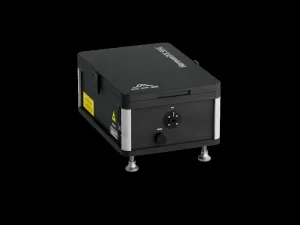
APE Angewandte Physik & Elektronik GmbH MIRA I

UsedAPE Angewandte Physik & Elektronik GmbHRaman spectrometersNetherlands
Procurable

Not in stock, available to order through our sourcing team

Not in stock, but we can get it for you

We source this model through our supplier network. Request a quote and we'll come back within one hour.

  1. Request a quote
  2. We confirm price and lead time
  3. You approve, we ship to you
Spectral Range
UV to LWIR
Number of Optical Channels
4
Field of Regard
90 degrees
Data Acquisition Rate
Up to 1 Giga samples/second
Cooling Method
Thermo-electric cooler (TEC)
Availability
Procurable
Lead time
Confirmed with your quote
All 16 specifications
  • Ships to NL
  • Response within 1 hour
  • Warranty available. Buy without worry
  • Support from a scientist

Specifications 16

Brands
APE Angewandte Physik & Elektronik GmbH
New/Used
Used
Spectral Range
UV to LWIR
Number of Optical Channels
4
Field of Regard
90 degrees
Data Acquisition Rate
Up to 1 Giga samples/second
Cooling Method
Thermo-electric cooler (TEC)
Temperature Range for Photo Detector (PD)
30-120 degrees Celsius below room temperature
Optical Components Sealing
Sealed inside sensor housing filled with inert gas (e.g., N₂ or Ar)
Optical Components
Acousto-optic tunable filter (AOTF), photo detector (PD), back optics
Data Acquisition Unit
Collects electrical signals from multiple optical channels simultaneously
Sample Handling Options
Point-and-shoot measurements and vial-based analyses
Compatible Sample States
Solids, liquids, and powders
Regulatory Compliance
Meets FDA 21 CFR Part 11 requirements
Availability
Procurable
Lead time
Confirmed with your quote

Product description

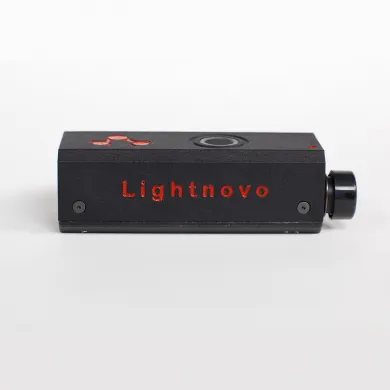
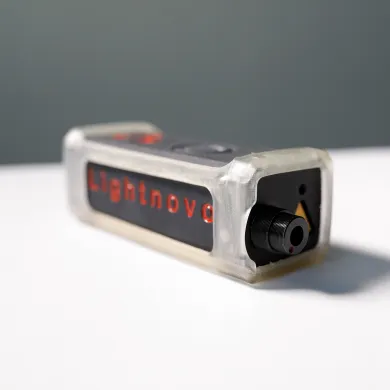
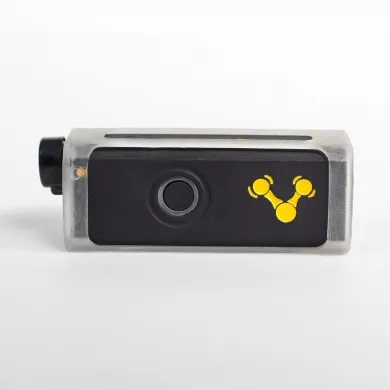
Handheld Raman spectrometer with Orbital Raster Scan for rapid, non-destructive material ID on-site.

The MIRA I is a handheld Raman spectrometer designed for rapid, non-destructive identification and verification of materials across various industries. Its compact and robust design enables on-site analysis, eliminating the need for sample transfer to a laboratory setting.

Key features:

  • Orbital Raster Scan (ORS) technology: Enhances measurement accuracy and repeatability by scanning the laser over a larger sample area, reducing the risk of sample degradation.
  • Versatile sampling options: Supports point-and-shoot measurements and vial-based analyses, accommodating solids, liquids, and powders.
  • User-friendly interface: Intuitive software with automated workflows allows operation by personnel with limited spectroscopy experience.
  • Comprehensive spectral libraries: Offers preassembled industry-specific libraries and the ability to create custom libraries for tailored applications.
  • Regulatory compliance: Meets FDA 21 CFR Part 11 requirements, ensuring secure and well-documented procedures.

The MIRA I is widely used in pharmaceuticals, biotechnology, chemical manufacturing, and forensic science for applications such as:

  • Raw material identification and verification: Ensuring the quality and consistency of incoming materials.
  • Process monitoring: Real-time analysis during manufacturing to maintain product integrity.
  • Forensic analysis: On-site identification of unknown substances in law enforcement scenarios.

Commonly employed in pharmaceutical companies, biotech firms, chemical plants, and forensic laboratories, the MIRA I has been a valuable tool since its release in the mid-2010s and continues to be relevant in modern analytical practices.

Why Questpair exists

Lab equipment markets are fragmented. Buyers spend weeks calling distributors, comparing quotes, and verifying supplier reliability. Sellers struggle to reach global research labs.

We built Questpair to fix this. Every supplier on the platform is verified before listing. Every quote you receive comes from a real, vetted seller. AI prepares your case in minutes, then a real specialist takes over.

We're an independent team based in The Netherlands, working with research labs and procurement teams across Europe and worldwide.

Frequently asked questions

How long does laboratory equipment typically last?

With a service contract, ten to fifteen years is normal for most benchtop instruments. Detectors and pumps are the parts that wear first.

Can I get service for older equipment?

Often, yes. Verified suppliers frequently work with service partners converting the instrument. If applicable, we can list servicing options alongside the offer.

Where can I buy parts?

Ask a scientist through the request button. Parts are often available even when the instrument itself is discontinued.

What is the typical lead time for refurbished equipment?

Two to six weeks, depending on refurbishment scope and whether calibration is included.

Does laboratory equipment ship internationally?

We ship to 38 countries. Crating and customs handling are quoted with the instrument.

Reply in one hour

Can't find the exact configuration?

Tell us what you need and a scientist finds it for you, usually within the hour.

Last updated 21 October 2026