53k+ listingsShips to NLResponse within one hour+31 73 711 4717info@questpair.com
Procurable · sourced on request

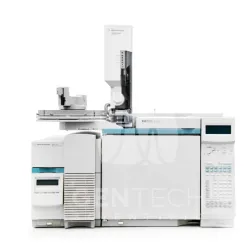
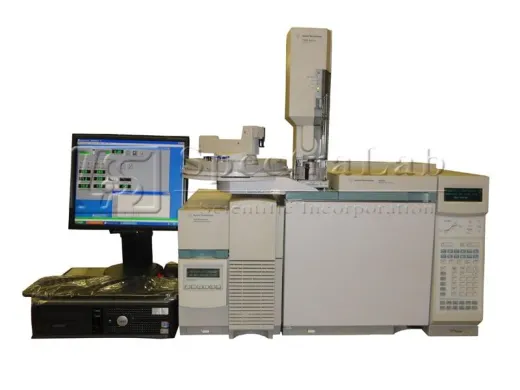
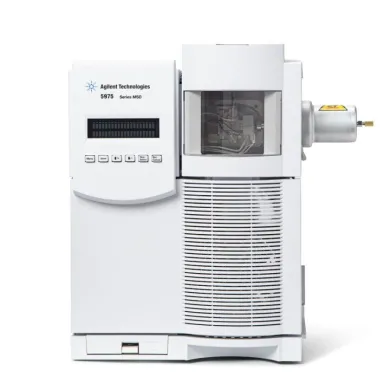
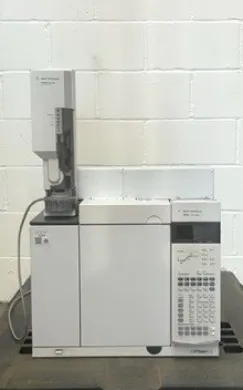
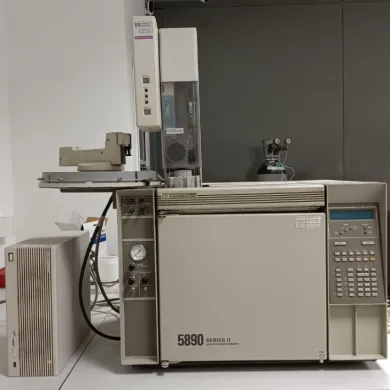
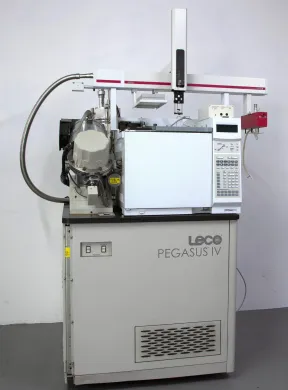
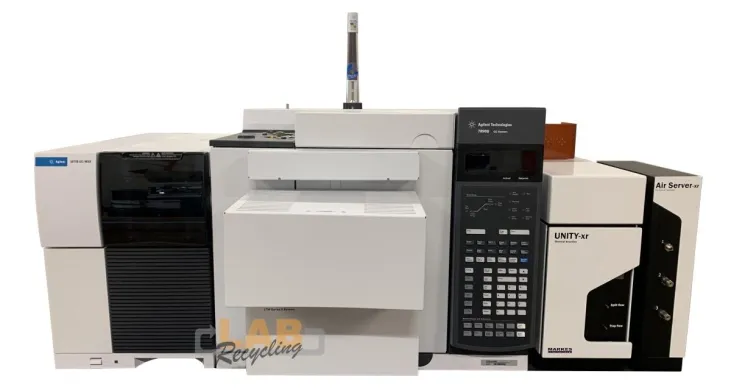
Agilent 6890/5973

UsedAgilentGC systemsNetherlands
Procurable

Not in stock, available to order through our sourcing team

Not in stock, but we can get it for you

We source this model through our supplier network. Request a quote and we'll come back within one hour.

  1. Request a quote
  2. We confirm price and lead time
  3. You approve, we ship to you
Oven Temperature Range
Ambient +4 to 450 °C
Operating Temperature Range
15 to 35 °C
Humidity Range
5% to 95%
Transfer Line Temperature
100 to 350 °C
Ion Source Temperature
150 to 300 °C
Availability
Procurable
Lead time
Confirmed with your quote
All 27 specifications
  • Ships to NL
  • Response within 1 hour
  • Warranty available. Buy without worry
  • Support from a scientist

Specifications 27

Brands
Agilent
New/Used
Used
Dimensions
700 x 930 x 890 mm
Weight
49 kg
Oven Temperature Range
Ambient +4 to 450 °C
Operating Temperature Range
15 to 35 °C
Humidity Range
5% to 95%
Transfer Line Temperature
100 to 350 °C
Ion Source Temperature
150 to 300 °C
Quadrupole Temperature
150 to 200 °C
Operating Pressure Range
0 to 100 psi (standard), 0 to 150 psi (optional)
Pressure Resolution
0.01 psi
Pressure and Temperature Compensation
Yes
Power Supply
120 V, 47.5/63 Hz, 2250 VA max
Ionization Energy
0 to 315 µA
Ionization Current
100 to 350 °C
Carrier Gases
Helium, hydrogen, nitrogen, argon
Carrier Gas Control Modes
Constant pressure and flow modes; pressure and flow programmable
Retention-Time Locking
RTL ready
Flow Control
Compatible with optional microfluidics controller
Mass Range
6 to 800 amu
Mass Resolution
Unit mass adjustable by tune
Scan Rate
10,000 amu/s
Injection Volume
1 µL
Sample Cooler/Thermostat
Samples are not cooled
Availability
Procurable
Lead time
Confirmed with your quote

Product description

Combined 6890 GC with 5973 MS detector offering high sensitivity, automated injection, and advanced software control.

Agilent 6890/5973 Gas Chromatograph-Mass Spectrometer (GC-MS)

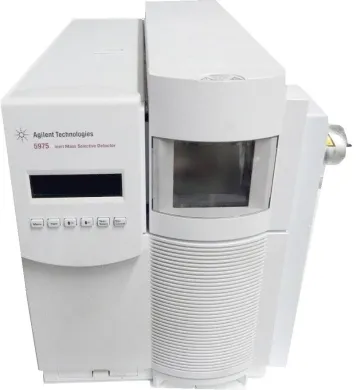
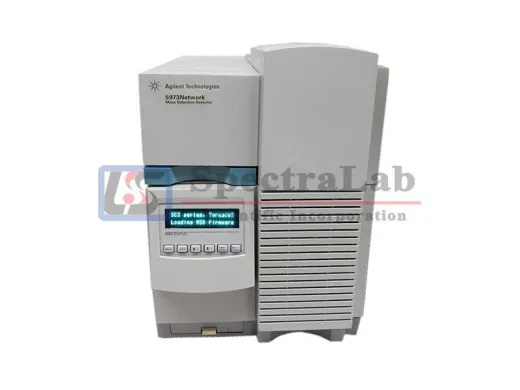
The Agilent 6890/5973 GC-MS system, introduced in 1996, is a robust analytical instrument designed for the qualitative and quantitative analysis of volatile and semi-volatile organic compounds. Combining the 6890 Gas Chromatograph with the 5973 Mass Selective Detector, this system offers high sensitivity and reliability, making it a staple in various scientific research and industrial applications.

Key features:

  • 6890 Gas Chromatograph:
  • Split/splitless injection capabilities
  • Electronic pneumatic control for precise gas flow management
  • Retention Time Locking for consistent method performance
  • User-friendly design with finger-tight column nuts for easy column changes
  • 5973 Mass Selective Detector:
  • Operates in full scan and selected ion monitoring (SIM) modes
  • Onboard perfluorotributylamine (PFTBA) tuning solution for calibration
  • High sensitivity, capable of detecting sub-picogram levels of analytes
  • Automated Sample Handling:
  • Equipped with a CombiPAL robotic sample injector
  • Supports liquid injections with various syringe sizes
  • Includes sample vial trays accommodating multiple vial sizes
  • Integrated syringe wash station to prevent cross-contamination
  • Software Integration:
  • MassHunter software suite for instrument control and data analysis
  • MassHunter Quant for quantitative analysis of target compounds
  • MassHunter Qual for compound identification in non-targeted analyses

Applications:

  • Environmental Monitoring: Detection and quantification of pollutants such as polychlorinated biphenyls (PCBs) and dioxins.
  • Biotechnology: Analysis of metabolites, lipids, and sterols in biological samples, essential for metabolic profiling and biomarker discovery.
  • Pharmaceutical Research: Quality control and impurity analysis in drug development.
  • Food Safety: Identification of contaminants and verification of food composition.
  • Forensic Science: Analysis of substances in toxicology and drug screening.

Commonly used in:

  • University Laboratories: For research and teaching purposes.
  • Biomedical Research Centres: Conducting advanced studies in molecular biology and biochemistry.
  • Environmental Agencies: Monitoring and analysing environmental samples.
  • Pharmaceutical Companies: Ensuring product quality and compliance with regulatory standards.

While the Agilent 6890/5973 GC-MS system has been a reliable workhorse since its release in 1996, many laboratories continue to utilise this instrument due to its robustness and precision. However, newer models have since been introduced, offering enhanced capabilities and improved performance.

Why Questpair exists

Lab equipment markets are fragmented. Buyers spend weeks calling distributors, comparing quotes, and verifying supplier reliability. Sellers struggle to reach global research labs.

We built Questpair to fix this. Every supplier on the platform is verified before listing. Every quote you receive comes from a real, vetted seller. AI prepares your case in minutes, then a real specialist takes over.

We're an independent team based in The Netherlands, working with research labs and procurement teams across Europe and worldwide.

Frequently asked questions

How long does laboratory equipment typically last?

With a service contract, ten to fifteen years is normal for most benchtop instruments. Detectors and pumps are the parts that wear first.

Can I get service for older equipment?

Often, yes. Verified suppliers frequently work with service partners converting the instrument. If applicable, we can list servicing options alongside the offer.

Where can I buy parts?

Ask a scientist through the request button. Parts are often available even when the instrument itself is discontinued.

What is the typical lead time for refurbished equipment?

Two to six weeks, depending on refurbishment scope and whether calibration is included.

Does laboratory equipment ship internationally?

We ship to 38 countries. Crating and customs handling are quoted with the instrument.

Reply in one hour

Can't find the exact configuration?

Tell us what you need and a scientist finds it for you, usually within the hour.

Last updated 4 November 2026