58k+ listingsShips to NLResponse within one hour+31 73 711 4717info@questpair.com

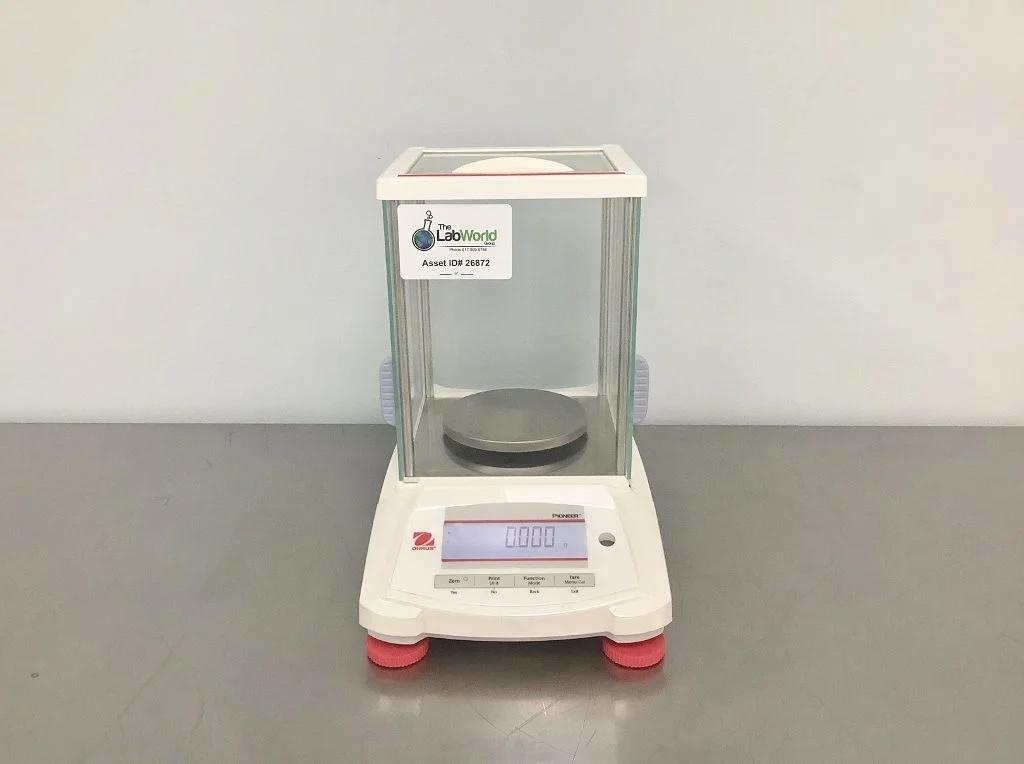
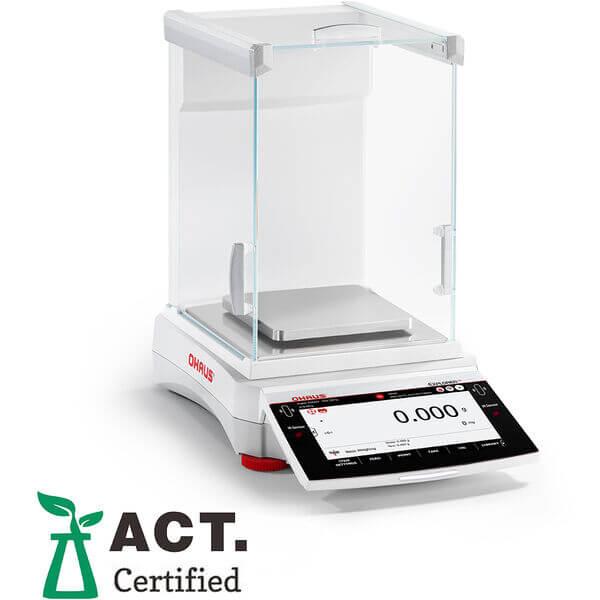
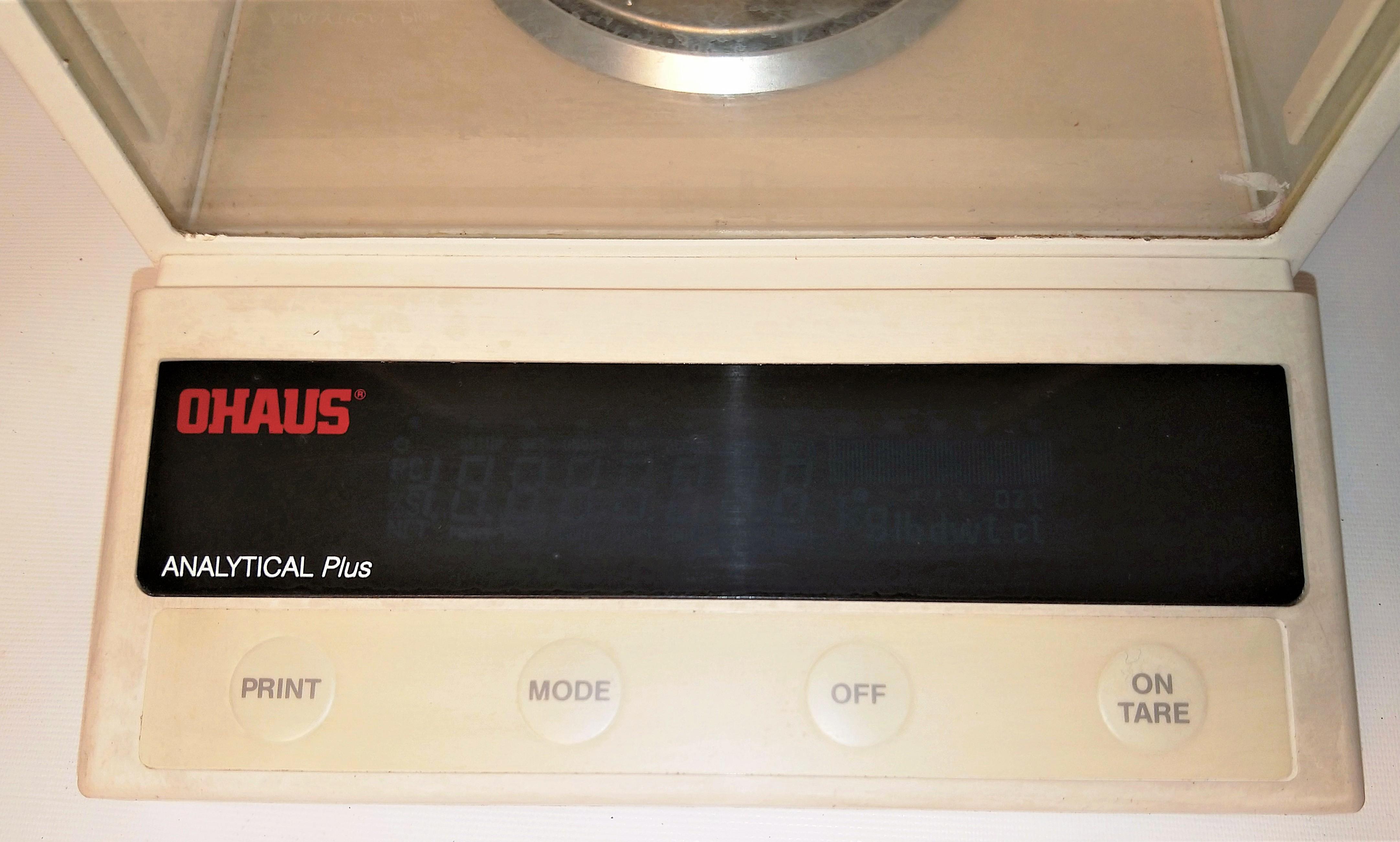
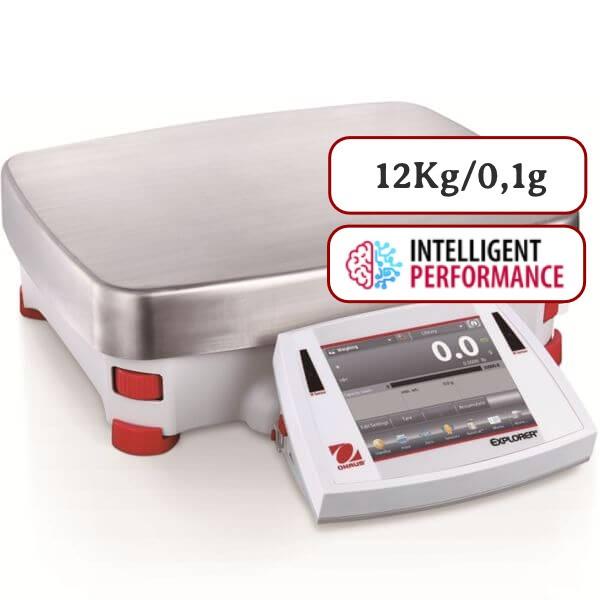
Ohaus EXR224N Analytical Balance with 220 g Capacity and 0.1 mg Readability

From€5,483.39excl. VAT

In stock

Can't find what you're looking for?

Maximum Capacity
220 g
Readability
0.1 mg
Pan Size
3.5 in x 3.5 in (90 mm x 90 mm)
Internal Calibration
AutoCal™ - Automatic
Draftshield
Included
All 27 specifications
  • Ships to NL
  • Response within 1 hour
  • Warranty available. Buy without worry
  • Support from a scientist

Specifications 27

Brands
Ohaus
New/Used
Used
Maximum Capacity
220 g
Readability
0.1 mg
Pan Size
3.5 in x 3.5 in (90 mm x 90 mm)
Internal Calibration
AutoCal™ - Automatic
Draftshield
Included
Dimensions
15.5 in x 14.6 in x 9 in (393 mm x 370 mm x 230 mm) (LxHxW)
Battery Life
Not Applicable
Legal for Trade
NTEP Certified
Auxiliary Display Model
Available as an Accessory
Auto Door
Not Applicable
Tare Range
To capacity by subtraction
Working Environment
59°F – 77°F, 80%RH, non-condensing (15°C – 25°C, 80%RH, non-condensing)
Net Weight
16.3 lb (7.4 kg)
In-Use Cover
Included
Communication
USB device; USB host x 2; RS232; Ethernet TCP/IP; WiFi/Bluetooth (available as an accessory)
Power
AC Adapter (Included)
Units of Measurement
Milligram; Ounce Troy; Pennyweight; Gram; Grain; Carat; Ounce
Minimum Weight
10 mg
Display
7" colour TFT touchscreen
Pan Construction
Stainless Steel
Built-in Ionizer
No
Stabilization Time
2 s
Repeatability, typical
0.1 mg
Minimum Weight (USP, 0.1%, typical)
100 mg
Linearity ±
0.2 mg

Product description

High-precision analytical balance with 220 g capacity, 0.1 mg readability, touchscreen, and versatile connectivity.

The Ohaus EXR224N Analytical Balance delivers precise measurements with a maximum capacity of 220 g and a readability of 0.1 mg, ideal for molecular diagnostics, biotechnology, and bioprocessing applications requiring accurate quantitative analysis. Its 7-inch TFT color touchscreen with glass overlay enhances user interaction and visibility of data during workflows such as basic weighing, parts counting, check weighing, formulation, and density determination.

Key technical features include:

  • Internal AutoCal™ calibration ensures consistent accuracy without manual adjustments, critical for reproducible results in biomanufacturing and synthetic biology research.
  • Robust metal housing with a SST 316 stainless steel 90 mm × 90 mm weighing pan and an anti-static glass draftshield optimizes weighing stability in controlled laboratory environments.
  • Advanced connectivity options: USB Host (Type A) × 2, USB Device (Type C) × 1, Ethernet (RJ45), RS232 port, and optional Wi-Fi/Bluetooth dongle support integration into laboratory information management systems (LIMS) and facilitate remote data monitoring and acquisition.
  • Design features such as time synchronization via NTP, 4-level user management, and internal logging for up to 100,000 entries support compliance and traceability requirements in regulated settings.
  • Weighing modes cover dynamic and complex tasks, including dynamic weighing, totalization, peak hold, and differential weighing, enabling flexibility in clinical diagnostics and cell imaging sample preparation.
  • The device is NTEP Certified and legal for trade, suitable for regulated quality control and manufacturing labs.

This analytical balance is essential for high-precision weighing tasks in biotechnology research, particularly in molecular cloning workflows and biopharmaceutical production pipelines that demand stability and traceable measurement accuracy. The combination of versatile communication protocols and user-friendly operation makes it a popular choice among clinical laboratory professionals and research scientists focusing on synthetic biology and molecular diagnostics.

Why Questpair exists

Lab equipment markets are fragmented. Buyers spend weeks calling distributors, comparing quotes, and verifying supplier reliability. Sellers struggle to reach global research labs.

We built Questpair to fix this. Every supplier on the platform is verified before listing. Every quote you receive comes from a real, vetted seller. AI prepares your case in minutes, then a real specialist takes over.

We're an independent team based in The Netherlands, working with research labs and procurement teams across Europe and worldwide.

Frequently asked questions

How long does laboratory equipment typically last?

With a service contract, ten to fifteen years is normal for most benchtop instruments. Detectors and pumps are the parts that wear first.

Can I get service for older equipment?

Yes. Every verified supplier states which service partners cover the instrument, and we list that alongside the offer.

Where can I buy parts?

Ask a scientist through the request button. Parts are often available even when the instrument itself is discontinued.

What is the typical lead time for refurbished equipment?

Two to six weeks, depending on refurbishment scope and whether calibration is included.

Does laboratory equipment ship internationally?

We ship to 38 countries. Crating and customs handling are quoted with the instrument.

Reply in one hour

Can't find the exact configuration?

Tell us what you need and a scientist finds it for you, usually within the hour.

Last updated 19 October 2026