Price on request
In stock
Can't find what you're looking for?
Pre-Owned
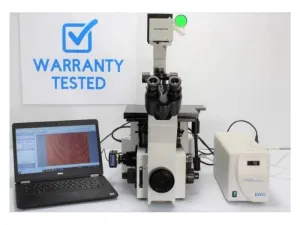
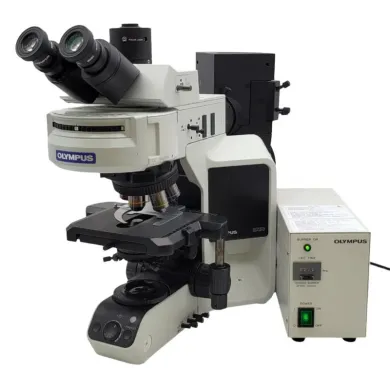
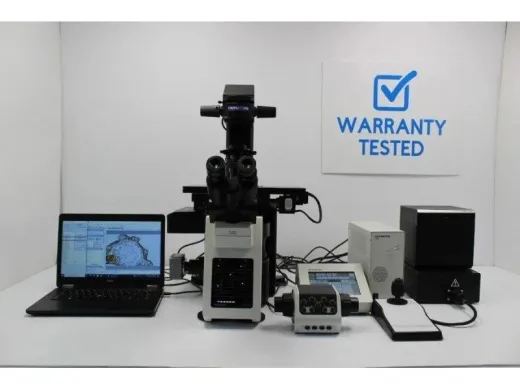
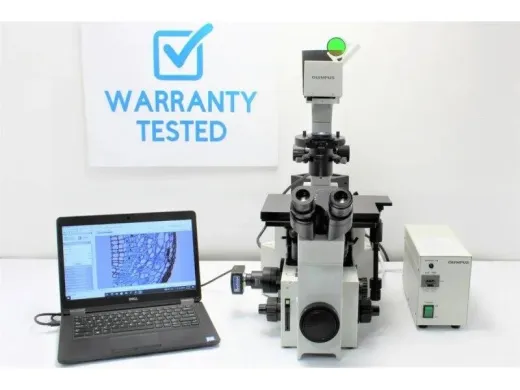
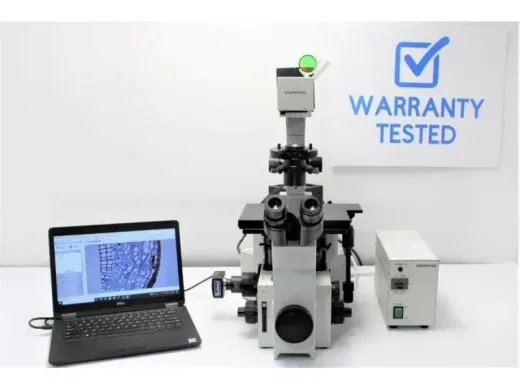
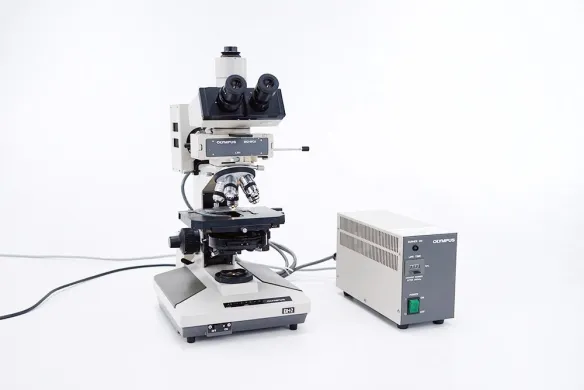
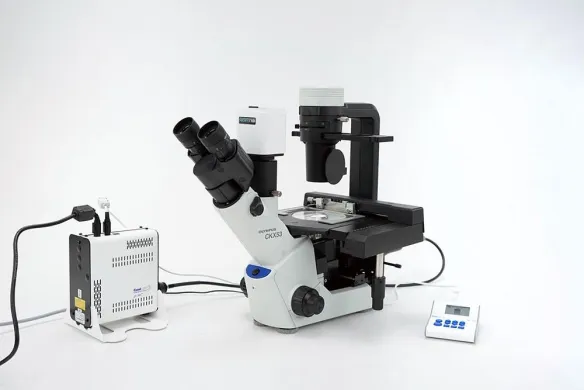
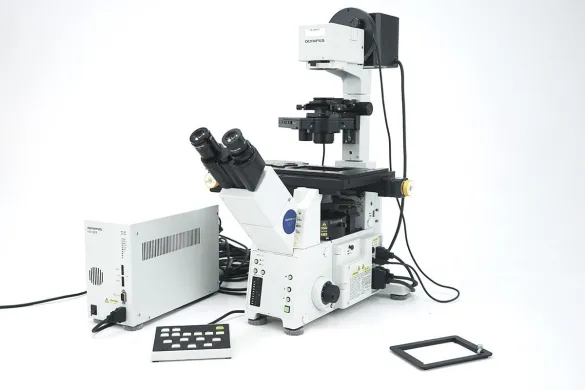
Serviced Olympus IX70 inverted fluorescence microscope with brightfield, metal halide illumination, camera, and new filters.
The Olympus IX70 inverted fluorescence microscope is a serviced research microscope configured for brightfield and fluorescence imaging of biological specimens, cells, tissues, and other samples. Its inverted platform is suitable for live-cell imaging, cell biology, neuroscience, immunology, pharmacology, biotechnology, and molecular biology workflows.
The imaging system supports still-image and live-video acquisition, raster image display, annotation, editing, calibration, measurement, analysis, processing, printing, and saving. Variable linear measurements include line segments, radius values, and other measurement tools.
The Olympus IX70 is widely used for fluorescent labeling, cellular structure analysis, drug-response studies, tissue imaging, and biotechnology applications such as genetic engineering and molecular biology research. The platform can also be configured for phase contrast, differential interference contrast (DIC), polarization, higher magnification, additional fluorescence filter cubes, alternative xenon or LED light sources, advanced CCD, scientific complementary metal-oxide-semiconductor (sCMOS), or electron-multiplying CCD (EMCCD) cameras, and motorized automation.
The listed unit includes a mechanical stage rather than a motorized stage. Custom configurations may support magnifications from 40x to 1000x with 10x eyepieces, motorized XY stages, motorized high-speed shutters, and sample formats including slides, Petri dishes, and microplates. Final capabilities depend on the selected configuration.
Lab equipment markets are fragmented. Buyers spend weeks calling distributors, comparing quotes, and verifying supplier reliability. Sellers struggle to reach global research labs.
We built Questpair to fix this. Every supplier on the platform is verified before listing. Every quote you receive comes from a real, vetted seller. AI prepares your case in minutes, then a real specialist takes over.
We're an independent team based in The Netherlands, working with research labs and procurement teams across Europe and worldwide.
With a service contract, ten to fifteen years is normal for most benchtop instruments. Detectors and pumps are the parts that wear first.
Often, yes. Verified suppliers frequently work with service partners converting the instrument. If applicable, we can list servicing options alongside the offer.
Ask a scientist through the request button. Parts are often available even when the instrument itself is discontinued.
Two to six weeks, depending on refurbishment scope and whether calibration is included.
We ship to 38 countries. Crating and customs handling are quoted with the instrument.
Tell us what you need and a scientist finds it for you, usually within the hour.
Last updated 4 November 2026
The middle half of the 66 with a price runs from €655 to €7,636.
7 other listings of this model are available.