51k+ listingsShips to NLResponse within one hour+31 73 711 4717info@questpair.com
Sold · specialists can find another

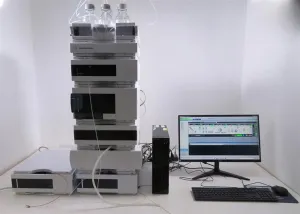
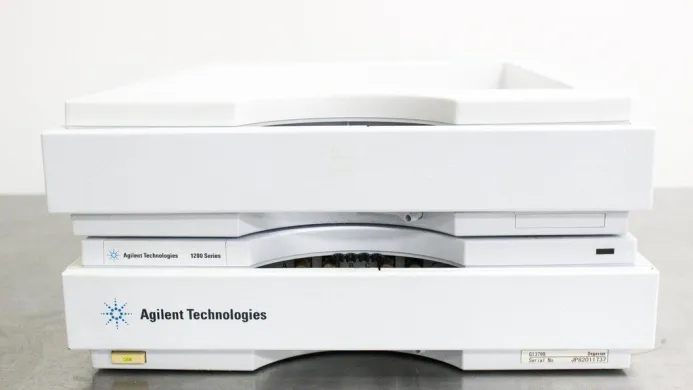
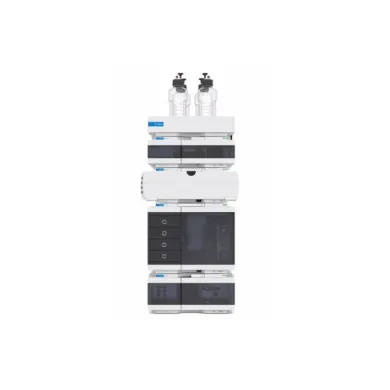
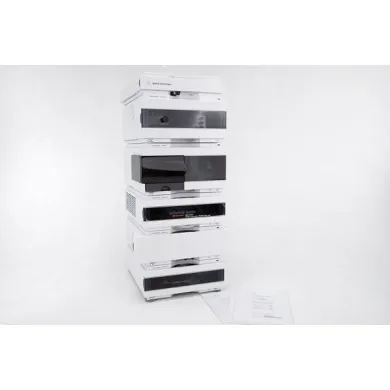
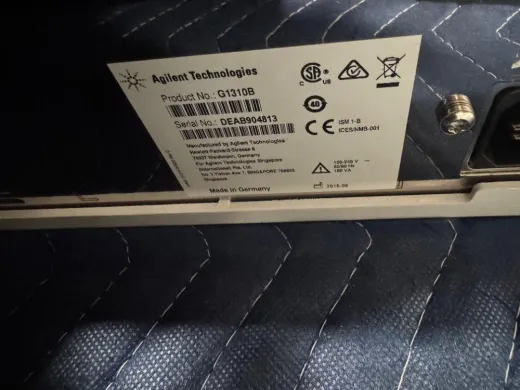
Agilent 1200 HPLC System with Variable Wavelength and Fluorescence Detectors

UsedAgilentHPLC pumpsUnited States

Sold

This item is sold

Our specialists can find you another one, the same model or a close equivalent, and send you a quote.

Detection type
Double-beam photometer
Light Source
Deuterium lamp
Wavelength Range
190 - 600 nm
Short term noise (ASTM) Single and Multi-Wavelength
± 0.75 × 10⁻⁵AU at 254 nm
Drift
3 × 10⁻⁴AU/hr at 254 nm
Availability
Sold
All 13 specifications
  • Ships to NL
  • Response within 1 hour
  • Warranty available. Buy without worry
  • Support from a scientist

Specifications 13

Brands
Agilent
New/Used
Used
Detection type
Double-beam photometer
Light Source
Deuterium lamp
Wavelength Range
190 - 600 nm
Short term noise (ASTM) Single and Multi-Wavelength
± 0.75 × 10⁻⁵AU at 254 nm
Drift
3 × 10⁻⁴AU/hr at 254 nm
Linear Absorbance range
> 2 AU (5%) upper limit
Wavelength accuracy
± 1 nm
Slit width
1, 2, 4 , 8, 16 nm
Band Width
6.5 nm typical
Diode Width
< 1 nm
Flow Cells
Standard: 14-µl volume, 10-mm cell path length and 40 bar (588 psi) pressure maximum High pressure: 14-µl volume, 10-mm cell path length and 400 bar (5880 psi) pressure maximum Micro: 1-µl volume, 5-mm cell path length and 40 bar (588 psi) pressure maximum Semimicro: 5-µl volume, 6-mm cell path length and 40 bar (588 psi) pressure maximum

Product description

Quaternary pump HPLC system with VWD (190–600 nm), FLD (excitation 200–700 nm, emission 280–900 nm), and degasser.

The Agilent 1200 HPLC System includes:

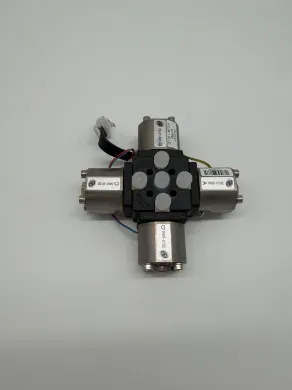
  • Pump: Quaternary pump with variable stroke volumes ensures stable, pulse-free solvent flow; electronically activated inlet valve prevents vapor formation for volatile solvents. Option for Binary Pump available on inquiry.
  • Mixing and Degassing: High-speed proportioning valve and pre-configured vacuum degasser reduce helium dependency and enable flexible low-pressure solvent mixing, lowering operational costs.
  • Variable Wavelength Detector (VWD):
  • Wavelength range: 190 to 600 nm
  • Deuterium lamp source for high sensitivity
  • Adjustable slit width from 1 to 16 nm for sensitivity/noise optimization
  • Temperature management system ensures baseline stability in variable ambient conditions
  • Fluorescence Detector (FLD):
  • Excitation range: 200 to 700 nm
  • Emission range: 280 to 900 nm
  • Xenon flash lamp with economy mode for energy efficiency
  • Multi-signal fluorescence capability with rapid online spectral scanning
  • Optical Features: Combined deuterium and tungsten lamps provide high intensity and lowest detection limits; 1024 diode array and 1-nm slit for excellent spectral resolution.
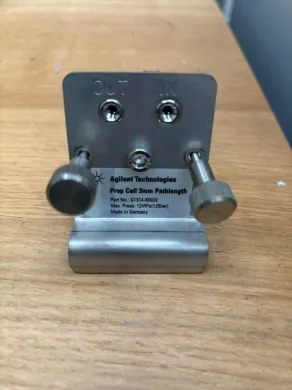
  • Flow Cells: Versatile options for high-pressure, micro, and semi-micro applications.
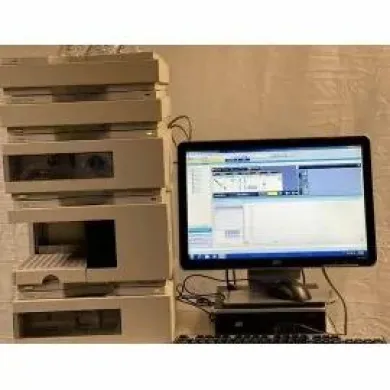
  • Software and Control: Compatible with Clarity software for real-time troubleshooting and data analysis; handheld controller available.
  • Diagnostics: Comprehensive diagnostic tests included—pump pressure and leak tests (to 400 bar), detector dark current, filter and lamp intensity tests, Holmium oxide standard evaluation, baseline noise measurement, thermostat function test of the column compartment, and autosampler operation check.
  • Performance: Fully tested to factory specifications before shipment, ensuring reliable operation and data quality.

This system is engineered for efficient mixing, stable flow, precise wavelength detection, and reliable automated sampling for complex sample analyses.

Why Questpair exists

Lab equipment markets are fragmented. Buyers spend weeks calling distributors, comparing quotes, and verifying supplier reliability. Sellers struggle to reach global research labs.

We built Questpair to fix this. Every supplier on the platform is verified before listing. Every quote you receive comes from a real, vetted seller. AI prepares your case in minutes, then a real specialist takes over.

We're an independent team based in The Netherlands, working with research labs and procurement teams across Europe and worldwide.

Frequently asked questions

How long does laboratory equipment typically last?

With a service contract, ten to fifteen years is normal for most benchtop instruments. Detectors and pumps are the parts that wear first.

Can I get service for older equipment?

Often, yes. Verified suppliers frequently work with service partners converting the instrument. If applicable, we can list servicing options alongside the offer.

Where can I buy parts?

Ask a scientist through the request button. Parts are often available even when the instrument itself is discontinued.

What is the typical lead time for refurbished equipment?

Two to six weeks, depending on refurbishment scope and whether calibration is included.

Does laboratory equipment ship internationally?

We ship to 38 countries. Crating and customs handling are quoted with the instrument.

Reply in one hour

Can't find the exact configuration?

Tell us what you need and a scientist finds it for you, usually within the hour.

Last updated 22 November 2026