From€1,200excl. VAT
In stock
Can't find what you're looking for?
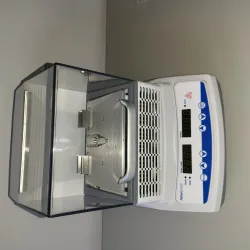
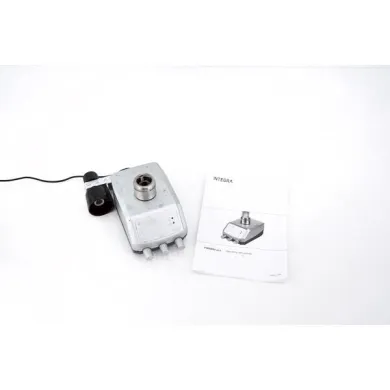
Fisherbrand 2326 heating/cooling mini shaker for PCR with 3 mm orbit, 150 to 1200 rpm microplate speed and controlled temperature.
The Fisherbrand 2326 heating/cooling mini shaker is a benchtop microplate shaker for PCR sample preparation and controlled shaking of 96 well plates. It is also used for cell and bacterial cultures, hybridizations, and enzyme reactions in biotechnology and life sciences laboratories.
The unit has microprocessor speed control, PID temperature control, independent LED displays for temperature, speed and time, and a 3 mm orbital drive. EU, UK and CN plugs are included.
The unit is used but remains in its original package and has never been used in practice. The timer can display elapsed time or stop the shaker at a programmed limit. Temperature calibration can be performed against an external temperature device.
The Fisherbrand 2326 heating/cooling mini shaker combines orbital shaking with temperature control for PCR plates, cell cultures, bacterial cultures, hybridizations, and enzyme reactions.
The two speed ranges match the platform configuration. Microplate shaking runs from 150 to 1200 rpm, while modular block operation runs from 100 to 600 rpm. The timer supports user-defined run limits up to 9999 minutes, allowing timed shaking without continuous operator control.
Temperature control spans 10 degrees C below ambient to 65 degrees C. This supports cooling relative to room conditions and controlled heating for enzyme reactions, cell cultures, and PCR plate preparation.
Lab equipment markets are fragmented. Buyers spend weeks calling distributors, comparing quotes, and verifying supplier reliability. Sellers struggle to reach global research labs.
We built Questpair to fix this. Every supplier on the platform is verified before listing. Every quote you receive comes from a real, vetted seller. AI prepares your case in minutes, then a real specialist takes over.
We're an independent team based in The Netherlands, working with research labs and procurement teams across Europe and worldwide.
With a service contract, ten to fifteen years is normal for most benchtop instruments. Detectors and pumps are the parts that wear first.
Often, yes. Verified suppliers frequently work with service partners converting the instrument. If applicable, we can list servicing options alongside the offer.
Ask a scientist through the request button. Parts are often available even when the instrument itself is discontinued.
Two to six weeks, depending on refurbishment scope and whether calibration is included.
We ship to 38 countries. Crating and customs handling are quoted with the instrument.
Tell us what you need and a scientist finds it for you, usually within the hour.
Last updated 6 November 2026
€1,200 sits in the middle range heating and cooling here. The middle half of the 1,287 with a price runs from €62 to €2,928.