From€5,000excl. VAT
In stock
Can't find what you're looking for?
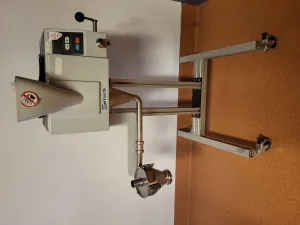
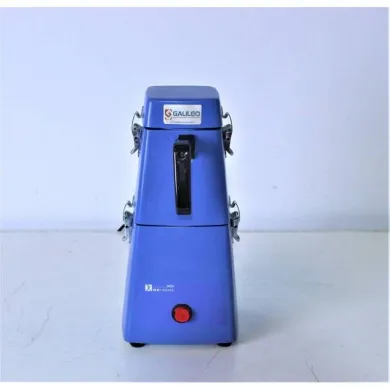
Retsch SK 300 Cross Beater Mill for medium-hard and brittle materials, with variable speed, bottom sieve sizing, and mobile base frame.
The Retsch SK 300 Cross Beater Mill is a laboratory and small scale production mill for coarse and fine size reduction of medium hard and brittle materials. It uses impact grinding for sample preparation of cement clinker, coal, coke, glass, gypsum, minerals, ores, ceramics, soil, slag, plastics and similar materials.
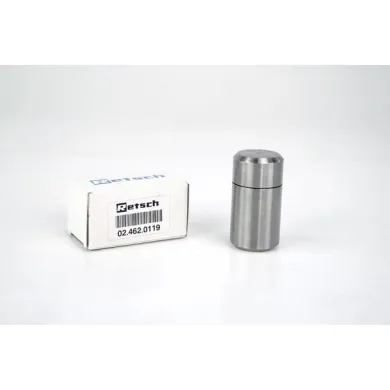
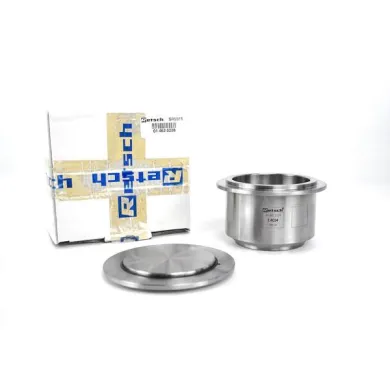
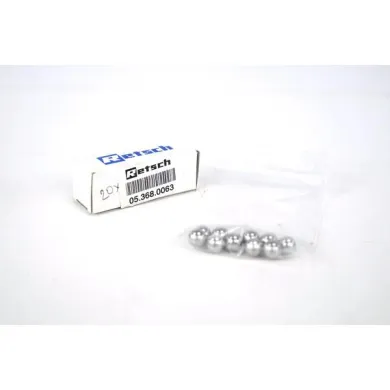
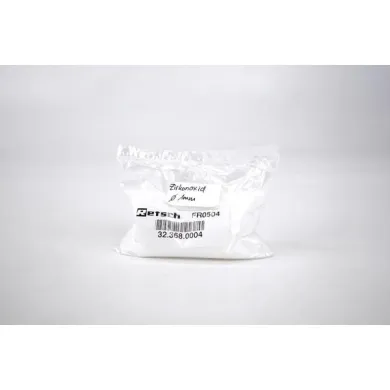
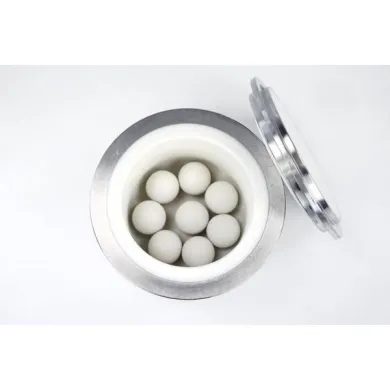
The cast iron version includes a mobile base frame, collection vessel and outlet assembly. The supplied accessories include three new bottom sieves, including a 1.00 mm sieve, spare blades, several Retsch accessory boxes and additional sieve and grinding components shown in the photos. The removable grinding insert, rotor and bottom sieve support cleaning and maintenance.
The unit was produced in 2020 and is used. Functionality was tested with coffee beans.
The Retsch SK 300 is a cast iron laboratory mill for impact grinding and size reduction of medium hard and brittle materials. The sample enters through the hopper and is reduced in the grinding chamber between the cross beater, baffle plates and grinding insert. The bottom sieve determines the final particle size.
The unit is part number 20.751.0001 and was manufactured in 2020. It is used, with functionality tested using coffee beans.
The installed bottom sieve determines the final particle size, with typical fineness below 100 µm depending on the material and sieve configuration. The available 2,000 to 4,000 rpm speed range allows the grinding process to be adjusted for different sample types.
Lab equipment markets are fragmented. Buyers spend weeks calling distributors, comparing quotes, and verifying supplier reliability. Sellers struggle to reach global research labs.
We built Questpair to fix this. Every supplier on the platform is verified before listing. Every quote you receive comes from a real, vetted seller. AI prepares your case in minutes, then a real specialist takes over.
We're an independent team based in The Netherlands, working with research labs and procurement teams across Europe and worldwide.
With a service contract, ten to fifteen years is normal for most benchtop instruments. Detectors and pumps are the parts that wear first.
Often, yes. Verified suppliers frequently work with service partners converting the instrument. If applicable, we can list servicing options alongside the offer.
Ask a scientist through the request button. Parts are often available even when the instrument itself is discontinued.
Two to six weeks, depending on refurbishment scope and whether calibration is included.
We ship to 38 countries. Crating and customs handling are quoted with the instrument.
Tell us what you need and a scientist finds it for you, usually within the hour.
Last updated 5 November 2026
€5,000 sits above most grinders here. The middle half of the 16 with a price runs from €438 to €4,184.