Sold
Our specialists can find you another one, the same model or a close equivalent, and send you a quote.
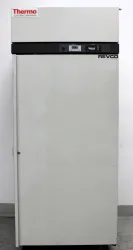
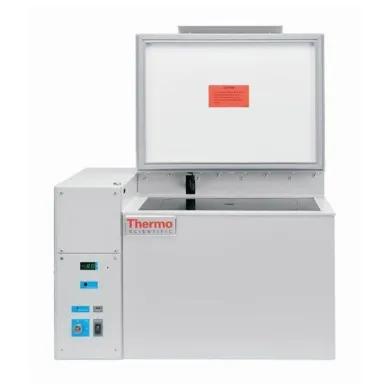
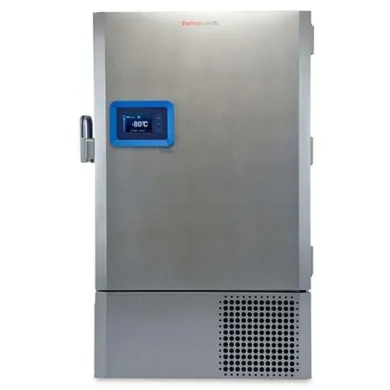
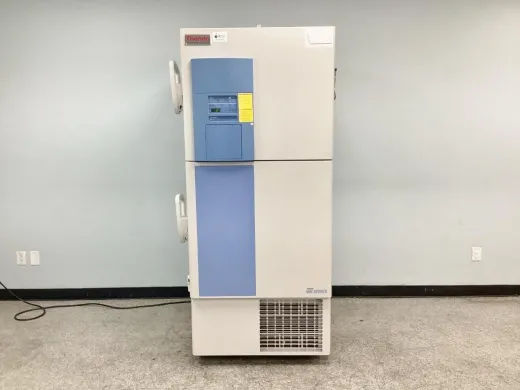
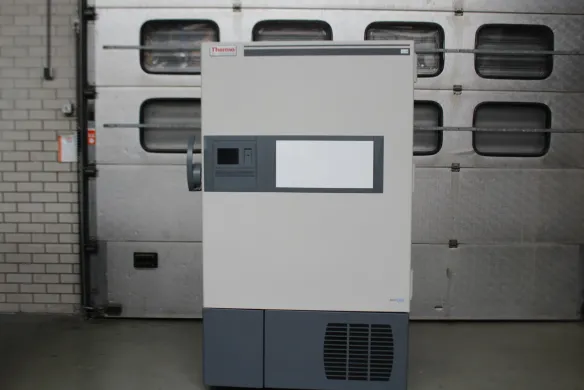
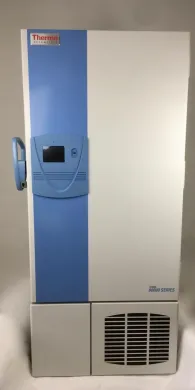
Ultra low freezer ULT303A19 operates at -30°C; robust, tested VG condition for reliable biotech sample storage.
The Thermo Electron Corporation ULT303A19 Ultra Low Temperature Freezer is engineered for secure storage of sensitive biological samples and reagents in research and industrial environments. Designed to reach and maintain a consistent temperature of -30°C, this freezer supports critical applications in molecular diagnostics, bioprocessing, and biopharmaceutical production pipelines that require ultra-low temperature stability.
Key technical features include:
This ultra low freezer is widely adopted in biotechnology labs focusing on gene editing workflows, synthetic biology research, and biomedical engineering projects requiring precise temperature control for biological specimen longevity. The ULT303A19’s reliable performance and robust build make it a critical asset in biomanufacturing and clinical diagnostics settings where sample integrity is paramount.
With a weight of approximately 272 kg (600 lbs) and dimensions of 240.79 cm x 103.63 cm x 112.78 cm, it fits into controlled laboratory environments designed for long-term storage of cells, enzymes, nucleic acids, and other sensitive materials. This equipment complies with HS code 841841 for industrial and laboratory freezers, highlighting its suitability for professional biotech and scientific research use.
Lab equipment markets are fragmented. Buyers spend weeks calling distributors, comparing quotes, and verifying supplier reliability. Sellers struggle to reach global research labs.
We built Questpair to fix this. Every supplier on the platform is verified before listing. Every quote you receive comes from a real, vetted seller. AI prepares your case in minutes, then a real specialist takes over.
We're an independent team based in The Netherlands, working with research labs and procurement teams across Europe and worldwide.
With a service contract, ten to fifteen years is normal for most benchtop instruments. Detectors and pumps are the parts that wear first.
Often, yes. Verified suppliers frequently work with service partners converting the instrument. If applicable, we can list servicing options alongside the offer.
Ask a scientist through the request button. Parts are often available even when the instrument itself is discontinued.
Two to six weeks, depending on refurbishment scope and whether calibration is included.
We ship to 38 countries. Crating and customs handling are quoted with the instrument.
Tell us what you need and a scientist finds it for you, usually within the hour.
Last updated 23 November 2026