From€1,056.82excl. VAT
In stock
Can't find what you're looking for?
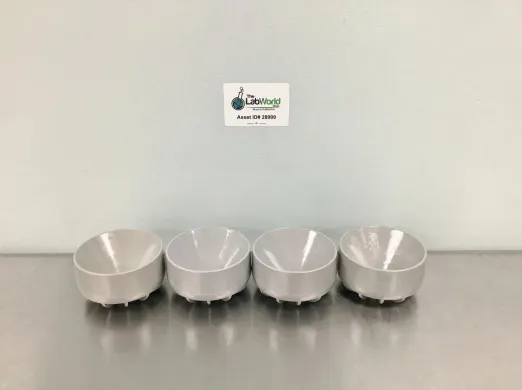
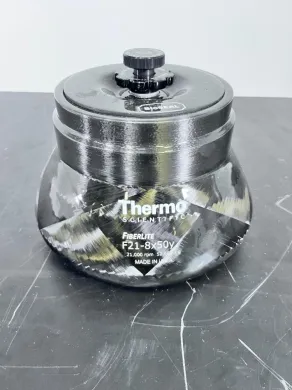
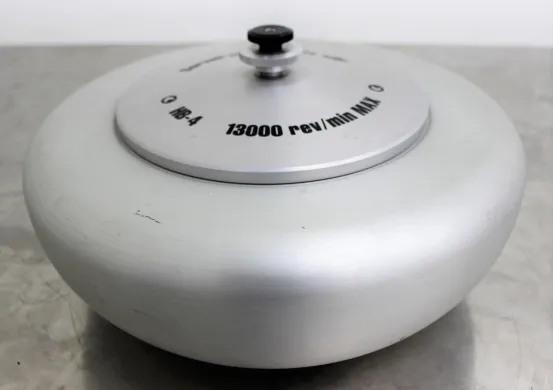
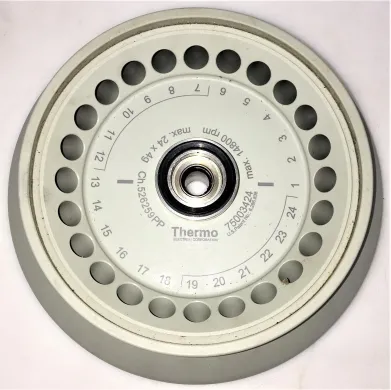
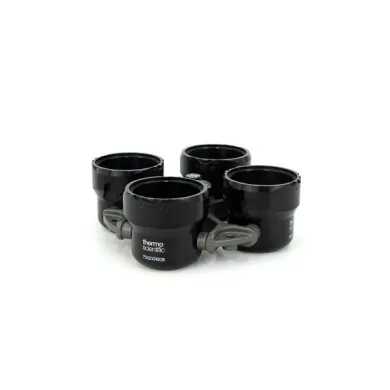
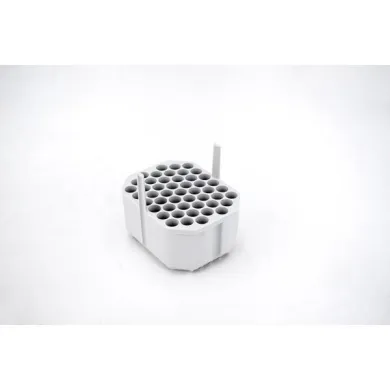
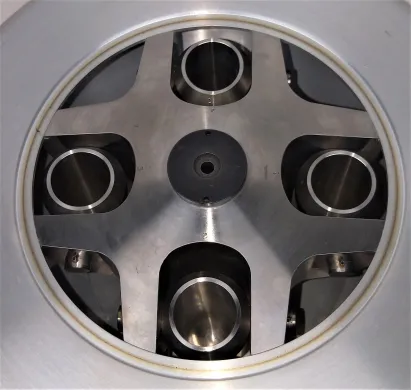
US-made Thermo Electron FPR-4A rotor holds 4 swing buckets for reliable lab centrifugation in biotech and clinical diagnostics.
The Thermo Electron FPR-4A Centrifuge Rotor is a robust rotor assembly designed specifically for accommodating up to four swing buckets, essential for diverse sample processing needs in laboratory centrifugation applications. Manufactured in the United States, this rotor is widely implemented in biotechnology, molecular diagnostics, and clinical research workflows, providing critical support for centrifugation steps such as biomolecule separation and cellular component isolation.
Key technical specifications include:
This rotor is critical in centrifuge setups used for bioprocessing pipelines, molecular cloning workflows, and synthetic biology research, where precise centrifugal force application is necessary for sample integrity. As a replacement or upgrade component for compatible laboratory centrifuges, the FPR-4A swing bucket rotor enhances instrument versatility, making it a preferred choice among scientists focused on biotechnology and clinical diagnostics applications.
Suitable for laboratories conducting advanced biomedical engineering and fluorescence analysis, this rotor aligns with stringent performance requirements in laboratories emphasizing biomanufacturing and molecular biology research. Its durable US manufacturing supports sustained operational efficiency in live-cell centrifugation and other specialized centrifugation protocols.
Please note, this rotor is supplied without associated power cords, data cables, manuals, or computers. It has been fully tested to confirm operational readiness for seamless integration into existing centrifuge units.
Lab equipment markets are fragmented. Buyers spend weeks calling distributors, comparing quotes, and verifying supplier reliability. Sellers struggle to reach global research labs.
We built Questpair to fix this. Every supplier on the platform is verified before listing. Every quote you receive comes from a real, vetted seller. AI prepares your case in minutes, then a real specialist takes over.
We're an independent team based in The Netherlands, working with research labs and procurement teams across Europe and worldwide.
With a service contract, ten to fifteen years is normal for most benchtop instruments. Detectors and pumps are the parts that wear first.
Often, yes. Verified suppliers frequently work with service partners converting the instrument. If applicable, we can list servicing options alongside the offer.
Ask a scientist through the request button. Parts are often available even when the instrument itself is discontinued.
Two to six weeks, depending on refurbishment scope and whether calibration is included.
We ship to 38 countries. Crating and customs handling are quoted with the instrument.
Tell us what you need and a scientist finds it for you, usually within the hour.
Last updated 4 November 2026
€1,057 sits in the middle range centrifuge rotors or parts here. The middle half of the 1,684 with a price runs from €179 to €2,250.
2 other listings of this model are available.