
Centrifuges on Questpair
See all 2,497

Types of Centrifuges
What separates one class from the next?
The classes divide first on the force they reach and the volume they hold, and those two pull against each other: a machine that spins small tubes very fast is a different instrument from one that handles litres at modest speed. Among the listings that specify a type, the common classes are the benchtop centrifuge, the microcentrifuge, the high-speed unit, and the refrigerated benchtop. Each occupies a band of relative centrifugal force (RCF, expressed as a multiple of gravity) and a tube format, and the deciding question is almost always which band a given protocol sits in.
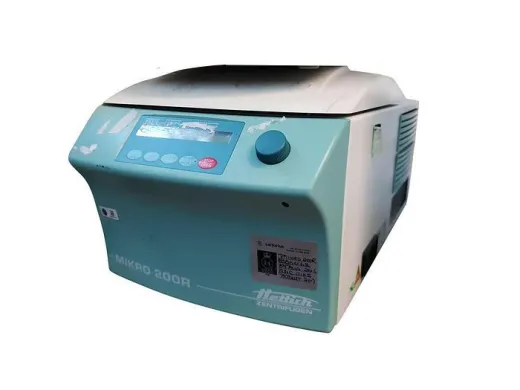
A microcentrifuge is the small-volume specialist, built around fixed-angle rotors that take 1.5 and 2 millilitre tubes and reaching well into the tens of thousands of g. This is the class for pelleting cells, spinning down precipitates and nucleic acid preps where the sample is measured in microlitres. Below roughly 15,000 g a microcentrifuge serves most molecular biology; above that, into the pelleting of organelles or viral particles, the protocol starts asking for a high-speed instrument instead.
The general-purpose bench workhorse
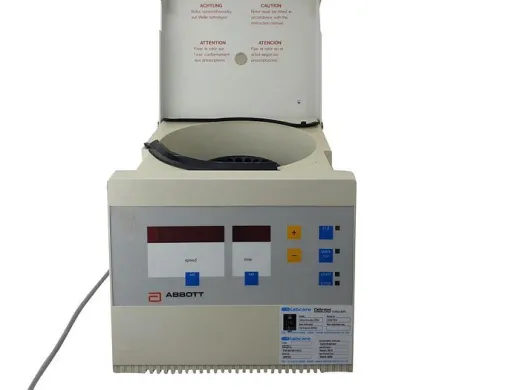
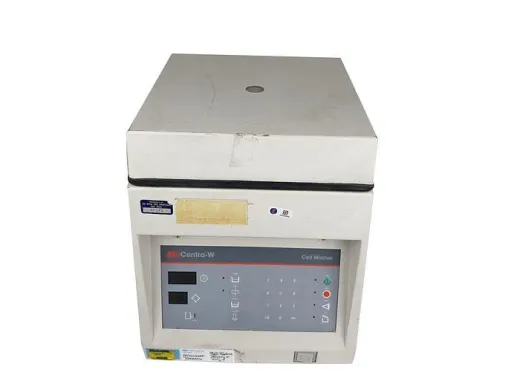
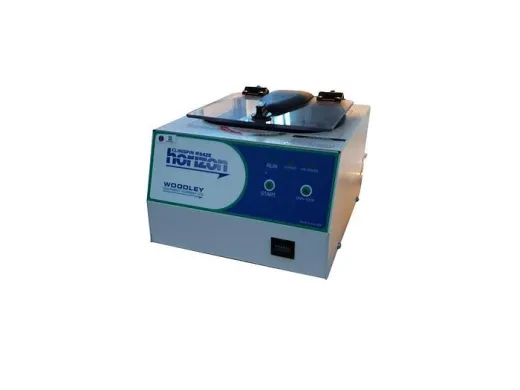
The benchtop centrifuge is the broad middle of the catalogue, sized to sit on a bench and swallow swing-out rotors for plates, blood tubes and conical tubes up to 50 millilitres or larger. These machines trade peak force for capacity, typically topping out in the low thousands of g with a swing-out rotor and somewhat higher with a fixed-angle one. The work that defines the class is clinical and cell-culture separation, where the aim is a clean pellet and an intact cell layer rather than brute force. The refrigerated benchtop is the same instrument with a compressor and a cooled chamber, and the boundary that pushes a buyer toward it is temperature-sensitive sample: enzymes, live cells, anything that degrades as frictional heat builds over a long spin.
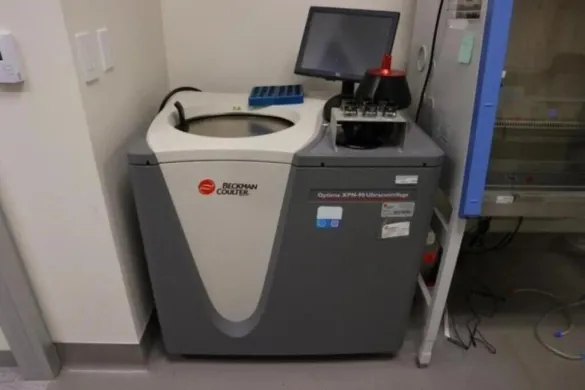
A high-speed centrifuge crosses out of bench territory, reaching into the range where pelleting of subcellular fractions becomes possible and demanding rotors for the forces involved. The parameter that marks the boundary is sustained RCF above what a benchtop rotor is rated for, and with it comes a heavier, floor-standing or large-bench footprint. Where a protocol calls for still higher force, into the pelleting of ribosomes or the banding of particles in a density gradient, the work has left this category for the ultracentrifuge.
Running underneath all of these is the rotor, listed on its own often enough to count as its own line in the catalogue. The rotor sets the achievable force and the tube format as much as the drive does, which is why a bare rotor is a meaningful purchase and why matching one to an existing drive is a question of model compatibility rather than preference.
About Centrifuges
Buying one of these used is the common case here, since 4862 of the listings are second-hand against a far smaller count of new units. The parts that wear are predictable, so an inspection can be systematic. The drive bearing and the motor carry the hours and are the components most likely to have been run hard; a unit that has spent years at high speed in a core facility has a different history from a bench machine used intermittently. Ask how the instrument was used, not only how old it is.
The rotor is the part that matters most and the one most often overlooked. Rotors carry a service life measured in cycles and are de-rated by age, so ask for the run log or at least the manufacture date stamped on the rotor itself. An aluminium rotor that has been fatigued over many high-speed runs is a safety item, not a cosmetic one, and a seller who cannot tell you a rotor's age is selling you an unknown. Check the rotor and the drive are a matched, rated pair: a rotor fitted to a drive it was not certified for is a hazard whatever its condition looks like.
What a seller should be able to show you, in order of importance: the service history with dates of any bearing or motor work, the rotor's age or cycle count, a recent speed verification or at least a statement that the unit holds its set speed, and for a refrigerated model, evidence the compressor cools to specification under load. On a cooled unit, open the chamber and look for corrosion from condensation or spilled sample, because a pitted chamber points to years of hard service and to seals that may no longer hold temperature.
When that documentation is missing, treat the gaps as cost. No rotor age means budgeting for a replacement rotor; no service history means assuming the bearing is due; no speed verification means factoring in a calibration before the machine goes into any work where the g-force has to be known. A unit sold with none of this paperwork can still be a sound buy, but only if the price reflects the inspection and recommissioning you will have to fund yourself. Walk the inspection with that list rather than a general impression, and the decision becomes a matter of arithmetic rather than trust.
Buying guide
The spread across the catalogue is wide. Prices run from EUR 6 to EUR 601.762. That bottom figure does not buy an instrument: at the floor of the range sit accessories and consumables, spare tubes, buckets and bare parts listed alongside the machines, and a rotor on its own occupies much of the lower band above them.
The working instruments begin where a used benchtop or microcentrifuge is listed, climb through refrigerated bench models with their added compressor cost, and reach the top in the large high-speed and preparative machines whose rotors and drives are themselves substantial purchases. A floor-standing high-speed unit with a full set of rotors is a different order of price from a small bench microcentrifuge, and the top of the range reflects that upper class rather than anything a routine lab buys often.
The average tells you where the weight of the catalogue sits. The mean price is EUR 2.634. That figure lands well below the ceiling because the bulk of the listings are used benchtop and microcentrifuge instruments, the everyday classes, rather than the high-speed machines that stretch the top of the band. Read the average as the centre of gravity of the used bench market, not as the price of any one class.
Condition drives much of the spread too. Used and refurbished units are listed below new, and with 94 percent of the listings used, the second-hand market is where the practical choices are. A buyer setting a budget should decide the class first, then read the price against that class rather than against the full range, since a microcentrifuge and a preparative high-speed instrument share almost nothing but a category name.
Frequently asked questions
Which specification decides the choice of a centrifuge?
Two parameters do most of the work: whether the protocol needs a refrigerated chamber, and the maximum relative centrifugal force (RCF) the run demands. Settle those first, and the rotor, tube format and footprint follow from them rather than the other way round.
How do the centrifuge classes differ in practice?
The microcentrifuge spins 1.5 and 2 millilitre tubes into the tens of thousands of g for small-volume molecular work, the benchtop handles plates, blood tubes and conicals up to 50 millilitres at lower force for clinical and cell-culture separation, and the high-speed unit reaches forces a benchtop rotor is not rated for, with a heavier floor-standing or large-bench footprint. In practice you pick by the band of RCF and the tube format your protocol sits in, since a machine built for small tubes at high speed and one built for litres at modest speed are different instruments.
What does moving up to the next class actually buy you?
Going from a microcentrifuge to a benchtop trades peak force for capacity, letting you spin larger tubes and plates rather than microlitre samples. Going from a benchtop to a high-speed unit buys sustained RCF above what a benchtop rotor is certified for, which is what makes pelleting subcellular fractions possible, at the cost of a larger footprint and more demanding rotors.
What should I inspect on a used centrifuge?
Check the drive bearing and motor first, since they carry the running hours, and ask how the machine was used rather than only how old it is. Verify the rotor's age or cycle count and that it is a matched, rated pair with the drive, and on a refrigerated model open the chamber to look for corrosion from condensation or spilled sample, which points to worn seals that may no longer hold temperature.
What documentation should a seller be able to show?
In order of importance: the service history with dates of any bearing or motor work, the rotor's age or cycle count, a recent speed verification or a statement that the unit holds its set speed, and for a refrigerated model, evidence the compressor cools to specification under load. A seller who cannot give you the rotor's age is selling an unknown, and that gap should be priced in.
How much does a used centrifuge cost against a new one?
Used and refurbished units are listed below new; that price difference is the firm claim you can make. Listings across the category range from EUR 6 to EUR 601.762 with a mean of EUR 2.634, but read any price against the class you need, since a microcentrifuge and a preparative high-speed machine share little but a category name. Where warranty matters, it is arranged in consultation for the specific listing.
Which parts of a centrifuge wear out first?
The drive bearing and the motor carry the hours and are the components most likely to have been run hard, especially in a unit that spent years at high speed in a core facility. The rotor is a separate concern: it has a service life measured in cycles and is de-rated by age, so a fatigued aluminium rotor is a safety item, not a cosmetic one. Replacement parts can be sourced via Questpair.
When is a refurbished centrifuge the better buy than a used one with no paperwork?
A unit sold with no rotor age, no service history and no speed verification can still be sound, but only if the price reflects the replacement rotor, bearing work and calibration you will have to fund yourself. A refurbished unit makes more sense when those costs would otherwise erase the saving, or when you need the machine working without carrying out recommissioning yourself.