
Syngene equipment
We personally find you the right new, used & refurbished Syngene instruments & equipment from verified suppliers
Syngene is a British manufacturer of gel documentation and image analysis instruments for life science research. The company operates as a division of Synoptics Ltd, which was established in 1985 by imaging experts from the University of Cambridge and is now part of SDI Group plc. Syngene produces chemiluminescence and fluorescence imaging systems, Western blot imagers, transilluminators and the image analysis software that drives them, under lines including the G:BOX Chemi Series, PXi, NuGenius and GeneGnome. On Questpair, 64 used Syngene systems are listed by verified suppliers and distributors.
Updated:
Syngene product list


Not the exact instrument you need?
Tell our scientists what you are after. We track it down, including off-market supply.
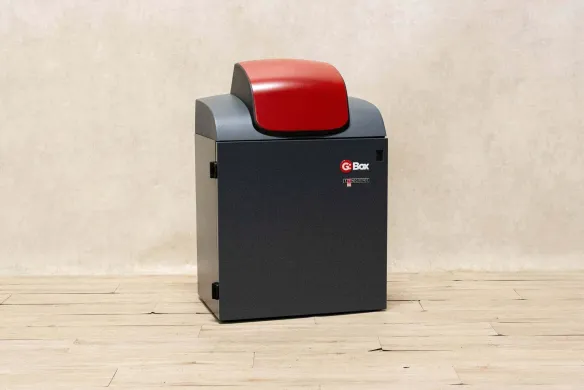
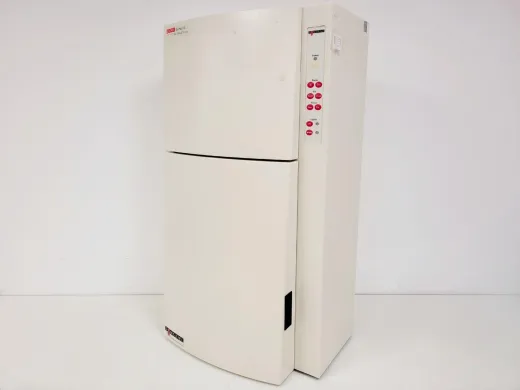
About Syngene
Syngene is a British manufacturer of gel documentation and image analysis instruments for life science research, based in Cambridge, United Kingdom. The company operates as the imaging division of Synoptics Ltd, which was established in 1985 by imaging experts from the University of Cambridge. Synoptics was acquired by SDI Group plc in December 2007, and the Syngene division was created to focus on gel documentation and fluorescence imaging for life science research. The product range covers chemiluminescence imaging systems, fluorescence imaging systems, Western blot imaging, transilluminators and the image analysis software that reads the results. These instruments do the imaging and quantification step in molecular biology and protein research, capturing signal from DNA, RNA and protein separations after electrophoresis and measuring it. The work sits across proteomics and molecular diagnostics, from chemiluminescent Western blot imaging to fluorescence multiplex detection, and the catalogue is listed on Questpair by verified suppliers and distributors.
Syngene product lines
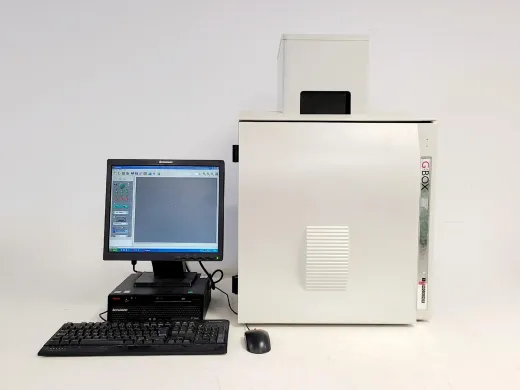
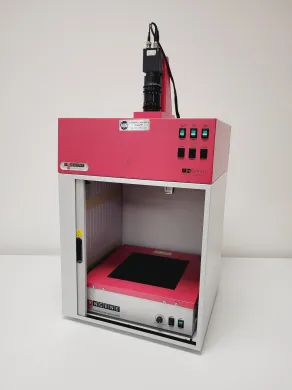
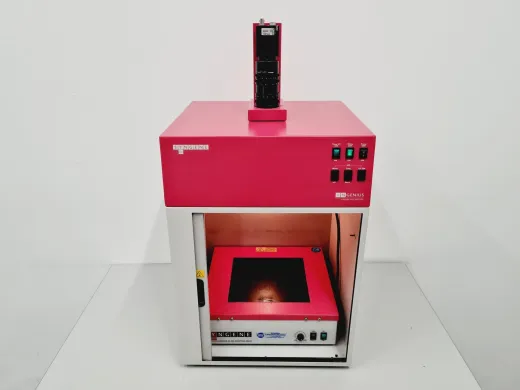
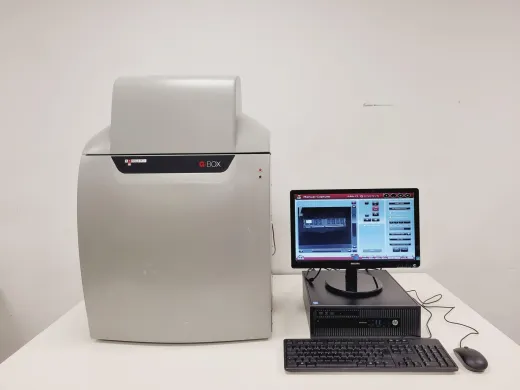
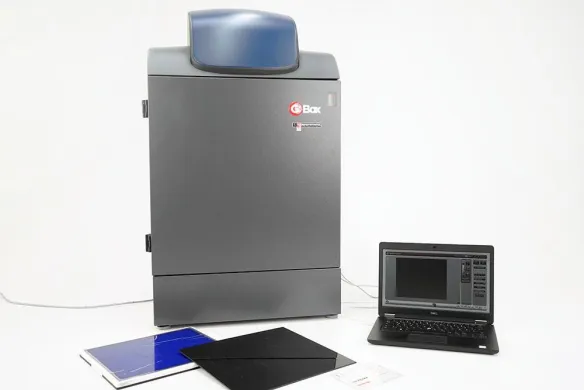
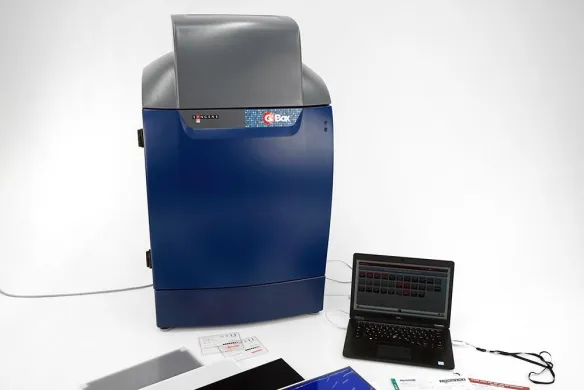
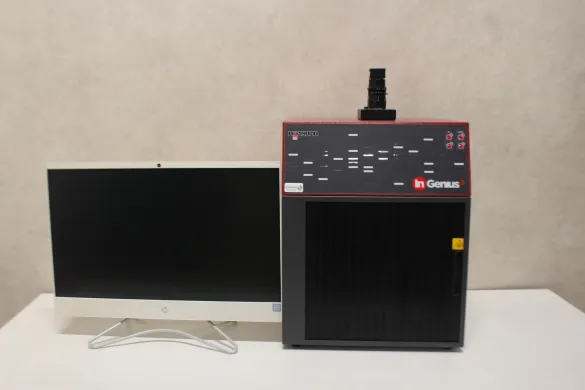
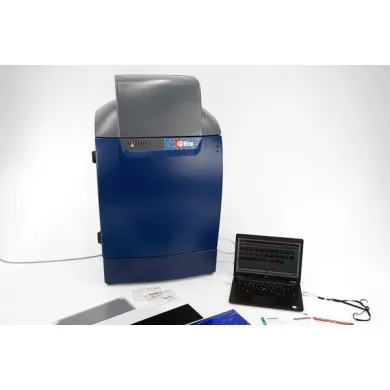
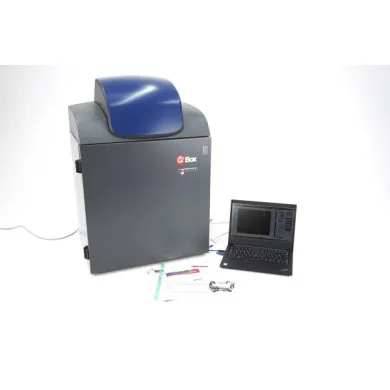
Syngene builds its catalogue around a set of named families, each aimed at a different point on the sensitivity and throughput scale. The G:BOX and the G:BOX Chemi Series are the general documentation and chemiluminescence imagers, combining a cooled camera with a darkroom enclosure and filter options for both fluorescence and chemiluminescence. The PXi line moves up to higher-sensitivity multiplex fluorescence and chemiluminescence, used where faint bands and several channels need to be resolved in one capture. The NuGenius and U:Genius are the compact benchtop imagers, sized for routine gel documentation where a lab mainly records DNA gels and does basic densitometry. The InGenius is the earlier general documentation line, while the GeneGnome and DigiGenius are dedicated chemiluminescence instruments. Across these families the pattern is consistent: a camera, a light source, a controlled enclosure and an analysis package, with the camera's sensitivity and cooling separating the entry models from the high-end ones. This is imaging and quantification hardware for protein purification and molecular biology workflows, used after gels and blots are run rather than during separation itself. In fluorescence imaging and chemiluminescent Western blot detection, the sensitivity of the capture is what a buyer is really comparing, which is why the family name matters more than the external cabinet.
On Questpair
The Questpair catalogue lists 64 Syngene systems from 7 verified suppliers and distributors across 4 countries. Every listing is used: 100 percent of the catalogue. Used systems are listed below new pricing, and the range runs from EUR 57 to EUR 8.500, with the average near EUR 2.136. That spread covers the full hierarchy of the brand, from transilluminators and simple documentation units at the lower end to full chemiluminescence imagers at the upper end, so the average blends instrument classes that serve different purposes and a buyer should read the individual listing rather than the catalogue-wide figure. Because these are electronic instruments, the included camera and software licence are part of what defines a given unit, and that detail belongs to the specific listing. Where a warranty applies, it is arranged in consultation for the specific listing. Parts can be sourced via Questpair, and for manuals or documentation a buyer can contact Questpair, where specialists respond within one hour. For a lab weighing a used Syngene imager against a new one, the difference the catalogue supports is price; the choice of family and camera should follow the assays the lab actually runs, whether that is routine DNA gel documentation or quantitative fluorescence and chemiluminescence imaging.
Questpair review of Syngene
Our take based on listings data and supplier feedback
Syngene occupies a specific niche: capturing and quantifying signal from gels and blots in molecular biology and protein work. The instruments photograph a gel or a membrane under controlled illumination, then the software measures band intensity, molecular weight and relative abundance. That places Syngene in the imaging and analysis layer of a molecular biology workflow rather than in sample preparation or separation, and the Questpair catalogue reflects that focus, with 64 systems listed and nothing outside the imaging class.
The first point worth weighing is price. All 64 listings are used, 100 percent of the catalogue, and used units are listed below new pricing. The range runs from EUR 57 to EUR 8.500, with the average sitting around EUR 2.136. That spread is wide because it covers very different instruments. The lower end reaches transilluminators and simpler documentation units; the upper end reaches full chemiluminescence imagers with cooled cameras and motorised filter wheels. A buyer should read the individual listing rather than the average, because the average blends hardware classes that serve different purposes.
The second point is the breadth of the product families represented. Syngene's catalogue is built around a handful of named lines, and the ones that matter for a buyer are the G:BOX Chemi Series and the standard G:BOX for chemiluminescence and fluorescence documentation, the PXi for higher-sensitivity multiplex fluorescence and chemiluminescence, and the compact NuGenius and U:Genius benchtop imagers for routine gel documentation. The GeneGnome sits at the dedicated chemiluminescence end. Seeing several of these lines in one catalogue lets a lab match a system to its actual work: a core facility running quantitative Western blots across many users has different needs than a lab that mainly photographs DNA gels after electrophoresis, and the two map onto different Syngene families.
The third point concerns what a used imaging system actually depends on, which is the camera and the software as much as the enclosure. A gel documentation system is a darkroom, a light source, a camera and an analysis package, and the camera's sensitivity and cooling determine how faint a chemiluminescent band it can resolve. Because these are electronic instruments rather than consumables, condition and the included software licence matter, and that detail lives in the individual listing rather than in any catalogue-wide statement. Where a warranty is relevant, it is arranged in consultation for the specific listing, and parts can be sourced via Questpair.
For a molecular biology or protein lab, the practical read is that Syngene is a settled, single-purpose line with a clear hierarchy from simple documentation to sensitive multiplex imaging, and the used market gives access to that hierarchy at prices below new. The decision is less about the brand and more about which family and which camera suit the assays the lab runs.
**Imaging hardware without the new-system premium**
Every Syngene listing on Questpair is a used unit, and used gel documentation and fluorescence imaging systems are listed at lower prices than new, with the catalogue ranging from EUR 57 to EUR 8.500.
**A spread across the G:BOX and PXi families**
Listings cover Syngene's established lines, from the G:BOX Chemi Series and standard G:BOX through the PXi and the more compact NuGenius and U:Genius benchtop imagers, so a lab can match a system to its blot or gel throughput.
**Verified supply across several countries**
The 64 Syngene listings come from 7 verified suppliers and distributors across 4 countries, which gives a buyer more than one source for a given model.
Frequently asked questions
Where can I find manuals and documentation for Syngene systems?
Documentation requests go through Questpair, where specialists respond within one hour. This covers user guides and technical details for the specific gel documentation or imaging system you are considering.
How much does a Syngene imaging system cost?
On Questpair, listings range from EUR 57 to EUR 8.500, with the average sitting at EUR 2.136. The spread reflects the difference between a transilluminator-based documentation unit and a cooled-CCD fluorescence imager with filters and software.
What is the difference between a refurbished and a used Syngene unit?
A used unit is sold in its existing condition, while a refurbished one has been reconditioned before sale. Both are listed at lower prices than new; check the individual listing for the exact condition described.
Do Syngene systems come with a warranty?
A warranty is often possible and is arranged in consultation for the specific listing. Terms depend on the individual unit rather than being set across all stock.
Are Syngene instruments suitable for clinical or research use?
Syngene builds gel documentation and image analysis instruments for life science research, covering DNA, RNA and protein separation imaging. They are used in molecular biology, proteomics, genomics and microbiology plate imaging rather than for clinical diagnostics.
How long does a Syngene imaging system last?
Lifespan depends on use and on the condition of the camera, which carries much of a cooled-CCD system's value. For a used unit, confirming sensor performance against the individual listing is the practical measure of remaining service life.
Can I get parts for a Syngene system?
Parts can be sourced via Questpair. For a CCD-based imager, the camera and filters are the components most likely to affect value, so match any part request to the specific model.
What are good alternatives to Syngene gel documentation systems?
Alternatives depend on whether you need chemiluminescence, fluorescence or standard stained-gel capture. Other makers offer cooled-CCD blot imagers and transilluminator-based documentation boxes in the same categories listed on Questpair, so compare by sensitivity class and detection channels rather than by brand alone.
What is the lead time on a Syngene listing?
Lead time depends on the individual supplier and the unit's location across the 4 countries represented on Questpair. Contact the supplier through the listing to confirm availability and dispatch for that specific system.
What is the difference between parts and spares for these systems?
The terms are used interchangeably for replacement components such as cameras, filters or transilluminator parts. Both can be sourced via Questpair against the specific Syngene model you are maintaining.
Can a Syngene system be shipped internationally?
Listings come from verified suppliers and distributors across 4 countries, so international shipping is often possible. Confirm shipping arrangements and costs directly with the supplier of the listing.
Which Syngene product lines are there and how do they differ?
The G:BOX Chemi Series and broader G:BOX range are cooled-CCD chemiluminescence and multiplex fluorescence systems for Western blot and multi-label detection, and the PXi line continues that cooled-camera approach for higher-throughput imaging. GeneGnome is a dedicated chemiluminescence blot imager, while NuGenius, U:Genius, InGenius and DigiGenius are transilluminator-based documentation units for stained DNA and protein gels.
Which Syngene instrument types are listed on Questpair and in what condition?
The listings cover gel documentation systems, fluorescence imaging systems, UV transilluminators, gel imaging systems, chemiluminescence imaging systems and general imaging systems. 100 percent of the stock is used, so the comparison is between pre-owned instruments rather than new ones.
What separates the cheapest Syngene listings from the most expensive?
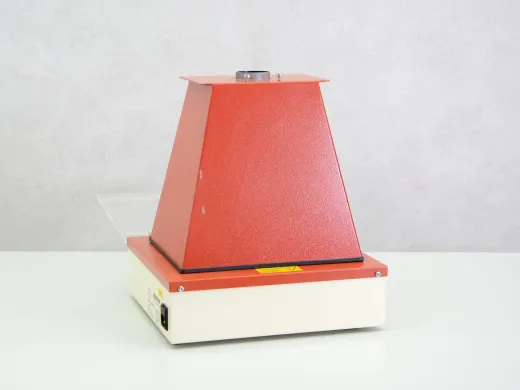
The lower end is typically a transilluminator-based documentation unit that produces a clear record of a stained gel. The higher end is a cooled-CCD fluorescence or chemiluminescence imager with filters, multiple detection channels and image analysis software, where the camera's low-light sensitivity drives the price.
About Questpair
Questpair is the European marketplace for lab equipment, where AI-prepared cases and personal specialists guide every purchase. We work with 247 verified suppliers across 38 countries to find buyers the right new, used or refurbished instruments, with response within 1 hour and significant savings vs buying new.
Personal · Fast · Reliable · Affordable