
Pfeiffer Vacuum equipment
We personally find you the right new, used & refurbished Pfeiffer Vacuum instruments & equipment from verified suppliers
Pfeiffer Vacuum is a German vacuum pump and vacuum technology equipment manufacturer, founded in 1890 in Wetzlar by Arthur Pfeiffer and now headquartered in Asslar, Germany. The company became an early leader in the field through innovations such as the turbomolecular pump in 1958, and it is today majority-owned by the Busch Group. Its range covers turbomolecular pumps, backing pumps, leak detectors, vacuum measurement instruments and complete chamber systems. On Questpair, 74 listings are offered by 9 verified suppliers and distributors across 6 countries.
Updated:
Pfeiffer Vacuum product list
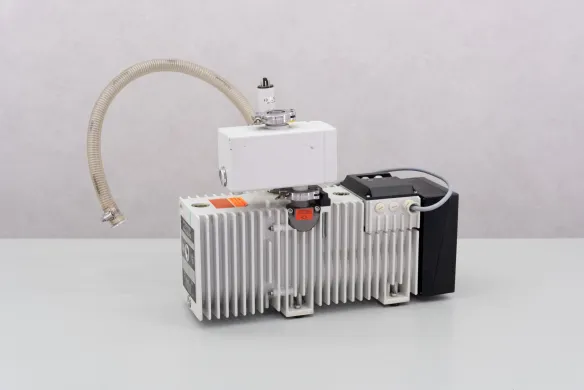
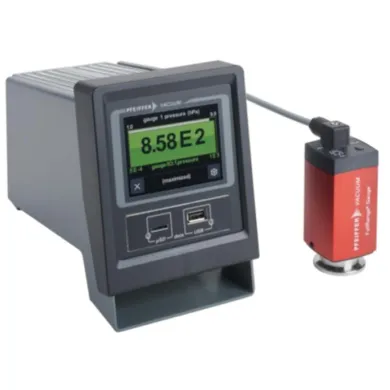
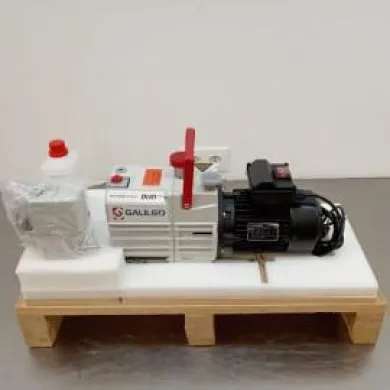
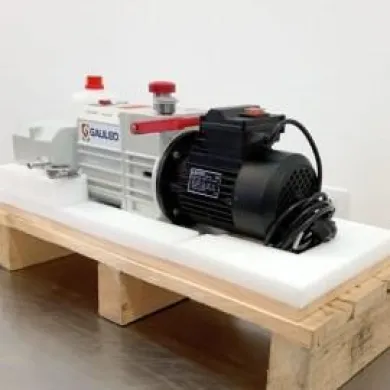
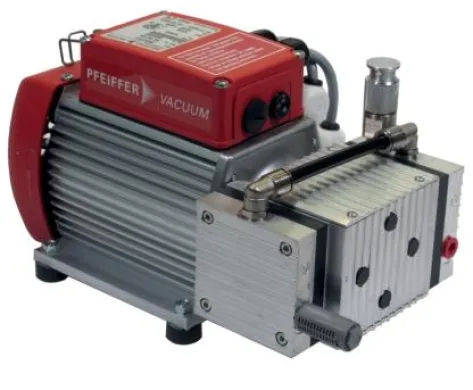
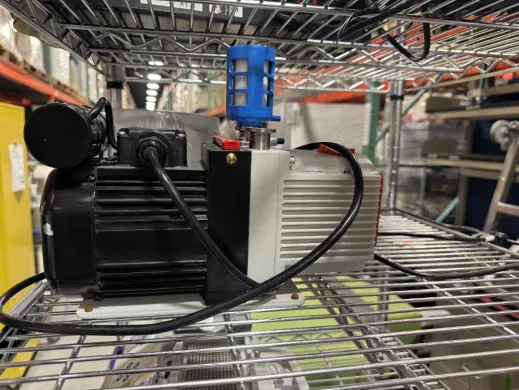
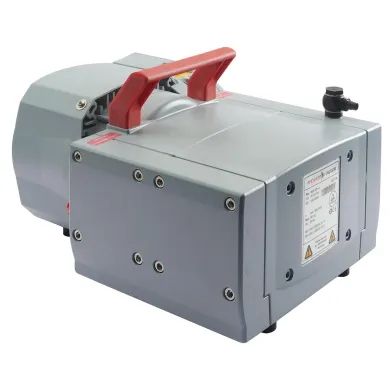
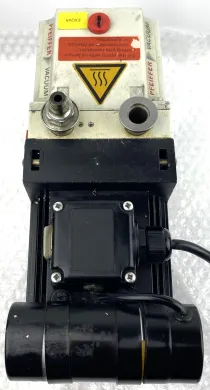
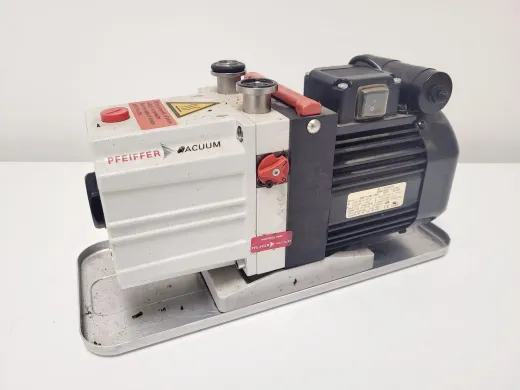
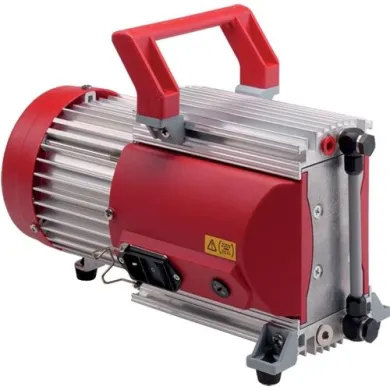
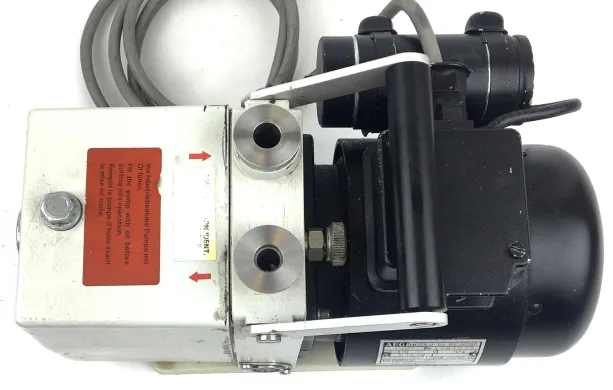
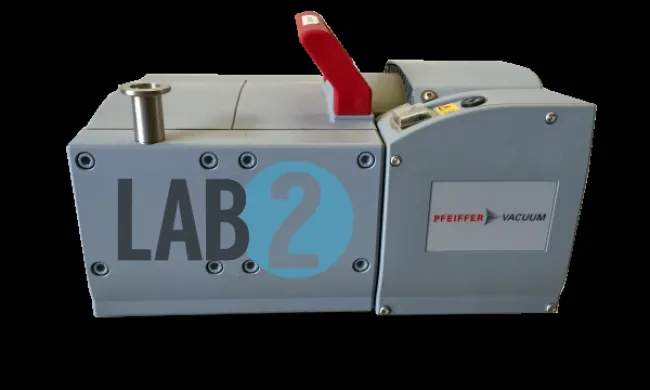
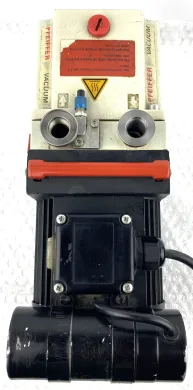
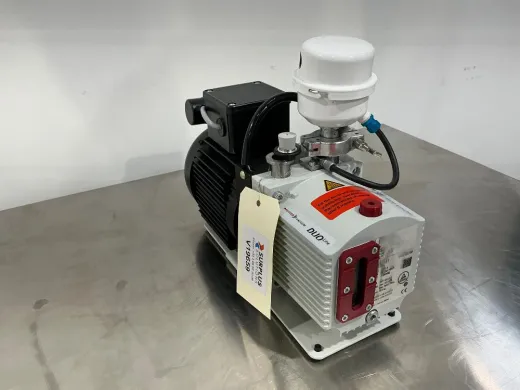
Pfeiffer Duo 5M Vacuum Pump
- Category
- Vacuum pumps
- Brand
- Pfeiffer Vacuum
- Suppliers
- 1 verified


Not the exact instrument you need?
Tell our scientists what you are after. We track it down, including off-market supply.
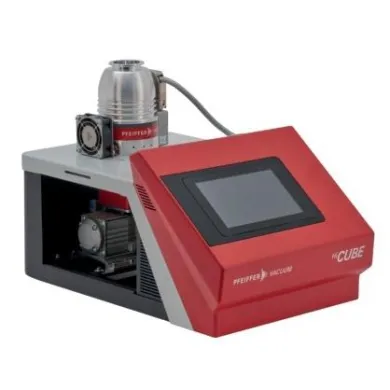
About Pfeiffer Vacuum
Pfeiffer Vacuum is a German manufacturer of vacuum pumps and vacuum technology equipment, founded in 1890 in Wetzlar, Germany by Arthur Pfeiffer. The company is headquartered in Asslar, Germany, and became an early leader in the field through innovations such as the turbomolecular pump in 1958. It is majority-owned by the Busch Group, through Pangea GmbH, a subsidiary of Busch SE, which holds approximately a 63.88 percent stake under a domination agreement concluded in March 2023. The product range covers turbomolecular pumps, backing pumps, leak detectors, vacuum measurement and analysis instruments, vacuum components, and complete chambers and systems. This breadth lets the maker supply both the stages of a pumping train and the instruments that monitor it. On Questpair, these appear together in one catalogue drawn from verified suppliers and distributors.
Vacuum technology underpins a wide stretch of life sciences work, and Pfeiffer hardware sits in several of those settings. Freeze dryers and lyophilisers depend on a backing pump to pull the chamber down before sublimation begins, which places this equipment inside sample preparation for biologics and for the formulation of stable protein products. Turbomolecular pumps reach the high vacuum that electron microscopy requires, so vacuum pumps for electron microscopy serve cell imaging and structural work in molecular biology. Mass spectrometers hold their ion path under vacuum, and a vacuum pump for mass spectrometry supports the instruments used across proteomics and molecular diagnostics. In each case the pump is not the experiment, but the experiment does not run without the pressure it maintains.
Pfeiffer Vacuum product lines on Questpair
The listings group into the classes the maker is known for. Turbomolecular pumps reach high and ultra-high vacuum and form the core of the range. Backing pumps, the rough-vacuum stage that supports them, are listed alongside, so a buyer can assemble both stages of a pumping train from the same catalogue. Leak detectors appear as their own class, the instrument that finds the breach a vacuum system cannot tolerate. Vacuum measurement and analysis instruments, the gauges that read the pressure a system reaches, sit next to the pumps they monitor. Beyond these, the catalogue carries vacuum components and complete chambers and systems, which matters for a buyer specifying a setup rather than replacing a single part. Across these classes the field is pumping, measurement and the control of pressure, and the strength of a single-brand catalogue is that the pieces were designed to work as one.
How condition and price break down for Pfeiffer Vacuum
Used units make up 85 percent of the listings. Prices run from EUR 79 to EUR 15.339. That range is wide because the catalogue holds a small gauge or component at one end and a complete pumping system at the other. A used turbomolecular pump can therefore enter a budget that a new one would not, which is the one firm comparison the condition data supports. For used vacuum hardware, running hours and service history are the specifications to read against each listing, since a pump's past duty tells more than its model number alone.
What Questpair offers for Pfeiffer Vacuum?
The listings come from 9 verified suppliers and distributors across 6 countries, so a given model can usually be compared across more than one seller. Parts for a unit that needs them can be sourced via Questpair. Where a warranty is wanted, it is often possible and is arranged in consultation for the specific listing. Documentation for a particular pump or gauge can be requested through Questpair, where specialists respond within the hour. The practical path for a buyer is to fix the pressure range and the pumping speed the application needs, then read those figures against what each listing states.
Questpair review of Pfeiffer Vacuum
Our take based on listings data and supplier feedback
Pfeiffer Vacuum occupies a recognisable position in vacuum technology, and the Questpair catalogue reflects the breadth that position implies. The listings move across the full pressure range a laboratory works in, from the rough vacuum handled by backing pumps to the high and ultra-high vacuum reached with turbomolecular pumps. For a buyer assembling a pumping train rather than a single device, that breadth matters, because the backing stage and the high-vacuum stage can be sourced from the same set of verified suppliers and distributors rather than chased across separate vendors.
The first benefit, the span of the vacuum range, holds up against the catalogue structure. Turbomolecular pumps, backing pumps and leak detectors appear together, which means the three pieces of a working high-vacuum setup, the pump that reaches the pressure, the pump that supports it and the instrument that finds the leak, sit in one place. A leak detector is its own purchase decision, and finding one listed next to the pumps it serves shortens the search. The 9 suppliers behind these listings give a buyer more than one point of comparison on any given model.
The second benefit concerns price and condition. Used units make up 85 percent of the listings, and prices run from EUR 79 to EUR 15.339. That spread is wide because the catalogue holds both a small gauge or component at the low end and a complete pumping system at the high end. The practical reading is that a used Pfeiffer turbomolecular pump can enter a budget that a new one would not, which is the one firm claim the condition data supports. Warranty on any individual unit is arranged in consultation for that specific listing, so the condition of a given pump is a question to put against the listing itself rather than against the brand as a whole.
The third benefit, measurement alongside pumping, is the one most easily overlooked. Vacuum is only useful when it can be measured, and the catalogue carries gauges and analysis instruments next to the pumps. For an experiment where pressure is a controlled variable, the measurement instrument is not an accessory but part of the specification, and having both in one catalogue lets a buyer match the sensitivity of the gauge to the pressure the pump reaches. This pairing is where a single-brand catalogue earns its place: the components were designed to work together, and sourcing them together removes a round of compatibility checking.
Where the catalogue asks for judgement is in condition and provenance. Used vacuum hardware carries service history that a new unit does not, and a turbomolecular pump in particular rewards attention to its running hours and its last service. The listings come from 9 suppliers across 6 countries, so comparison across sellers is realistic. Parts, where a unit needs them, can be sourced via Questpair. The catalogue is strongest for a buyer who knows the pressure range and the pumping speed the application needs, and who can read those specifications against what each listing states.
**Deep vacuum range in one catalogue**
The listings span rough, high and ultra-high vacuum hardware, so turbomolecular pumps, backing pumps and leak detectors can be sourced from the same 9 verified suppliers and distributors.
**Used supply at accessible prices**
With 85 percent of the listings used, prices run from EUR 79 to EUR 15.339, opening the range below the cost of new vacuum hardware.
**Measurement and pumping together**
Alongside the pumps, the catalogue carries vacuum gauges and analysis instruments, so a buyer building a system can match the pumping stage to the measurement stage in one place.
Frequently asked questions
Where can I find manuals and documentation for Pfeiffer Vacuum equipment?
Documentation for a specific unit can be requested by contacting Questpair, where specialists respond within one hour. Because product documentation varies by model and series, confirm what is available for the exact listing you are considering.
How much does Pfeiffer Vacuum equipment cost?
Across the Questpair catalogue, prices range from EUR 79 to EUR 15.339, with the average listing at EUR 3.010. Gauges and vacuum components sit at the lower end, while turbopump stations and system-level equipment account for the higher figures.
What is the difference between refurbished and used Pfeiffer Vacuum pumps?
Both are pre-owned and are listed below the price of new equipment. The condition and any reconditioning done to a given unit are described on its individual listing, so check that listing for the specific state of the pump.
Is there a warranty on Pfeiffer Vacuum equipment bought through Questpair?
A warranty is often possible and is arranged in consultation for the specific listing. Terms depend on the individual unit, so confirm them against that listing before purchase.
Is Pfeiffer Vacuum equipment suitable for clinical or research use?
Pfeiffer vacuum hardware supports research instrumentation such as mass spectrometry, electron microscopy, and freeze-drying, where turbomolecular and backing pumps create and maintain the required vacuum. Whether a particular unit fits a clinical or research setup depends on its specifications and condition as listed.
How long do Pfeiffer Vacuum pumps last?
Lifespan depends on pump type, duty cycle, and maintenance history rather than on a fixed figure. Rotary vane and diaphragm backing pumps have consumables such as oil and seals that are replaced over time, while turbomolecular pumps depend on bearing condition; the history of a used unit is described on its listing.
Can I get spare parts for Pfeiffer Vacuum equipment?
Parts can be sourced via Questpair. For a specific component such as a seal, flange, or bearing kit, contact Questpair with the model details and specialists respond within one hour.
What are good alternatives to Pfeiffer Vacuum?
Other vacuum pump makers in the same categories include Edwards, Leybold, and Busch, which is now the majority shareholder of Pfeiffer Vacuum. The right alternative depends on whether you need a turbomolecular pump, a backing pump, a leak detector, or a measurement instrument, since each maker's range covers these classes differently.
What is the lead time for Pfeiffer Vacuum equipment?
Lead time depends on the individual listing and the supplier holding the stock. Contact Questpair for the availability of a specific unit, and specialists respond within one hour.
What is the difference between parts and spares for Pfeiffer Vacuum equipment?
In practice the terms overlap: both refer to replacement components such as seals, flanges, bearings, and gauges used to maintain or repair a pump. All of these can be sourced via Questpair by providing the model details.
Do you ship Pfeiffer Vacuum equipment internationally?
Pfeiffer Vacuum equipment on Questpair is offered by verified suppliers and distributors with inventory spread across 6 countries. Shipping arrangements depend on the supplier and the destination, so confirm these against the specific listing.
Which product lines does Pfeiffer Vacuum have and how do they differ?
The range covers turbomolecular pumps for high vacuum, backing pumps that provide the rough-vacuum stage beneath them, leak detectors for locating and quantifying leaks, vacuum measurement and analysis instruments such as gauges and controllers, vacuum components like flanges and seals, and complete vacuum chambers and systems. Turbo and backing pumps address vacuum generation, measurement instruments monitor pressure, and components and systems complete or extend an existing setup.
Which types of Pfeiffer Vacuum equipment are listed here and in what condition?
The catalogue includes vacuum pumps, laboratory vacuum pumps, rotary vane vacuum pumps, diaphragm pumps, industrial vacuum pumps, and laboratory pumps. 85 percent of the listings are used, with the balance new; the exact condition is stated on each listing.
What separates the cheapest Pfeiffer Vacuum listings from the most expensive?
The lower figures are occupied by individual vacuum components, gauges, and measurement instruments, while the upper end covers turbopump stations and system-level equipment. Condition also plays a part, since used and refurbished units are listed below the price of comparable new equipment.
About Questpair
Questpair is the European marketplace for lab equipment, where AI-prepared cases and personal specialists guide every purchase. We work with 247 verified suppliers across 38 countries to find buyers the right new, used or refurbished instruments, with response within 1 hour and significant savings vs buying new.
Personal · Fast · Reliable · Affordable