
Lab Companion equipment
We personally find you the right new, used & refurbished Lab Companion instruments & equipment from verified suppliers
Lab Companion is the proprietary brand of Jeio Tech Co., Ltd., a South Korean manufacturer of laboratory and environmental testing equipment. Jeio Tech was established in Daejeon in 1988 to localize research equipment for the domestic market, and the Lab Companion brand launched the following year. The product range covers temperature and humidity chambers, ovens, incubators, shakers, water baths, hotplates and magnetic stirrers, and environmental test chambers. On Questpair, Lab Companion equipment is listed by verified suppliers and distributors across several European countries, with both new and used units available.
Updated:
Lab Companion product list


Not the exact instrument you need?
Tell our scientists what you are after. We track it down, including off-market supply.
Not the exact instrument you need?
Tell our scientists what you are after. We track it down, including off-market supply.
Showing 1–40 of 98 listings
Show 40 more listingsAbout Lab Companion
Lab Companion is the brand under which Jeio Tech Co., Ltd. sells its laboratory and environmental testing equipment. Jeio Tech was founded in South Korea in 1988 with the stated aim of localizing research equipment and contributing to scientific and technological advancement, and the Lab Companion brand launched in 1989. The company is headquartered in Daejeon, in the Yuseong-gu district, at 153 Techno 2-ro. Jeio Tech is privately held, with no confirmed external parent or acquirer. The brand's output centres on instruments that create and hold a defined temperature, humidity, or agitation condition. On Questpair, this equipment is listed by verified suppliers and distributors across 4 countries.
Lab Companion product lines
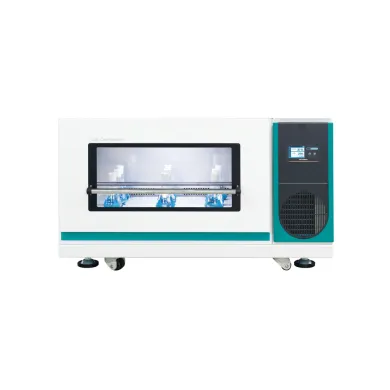
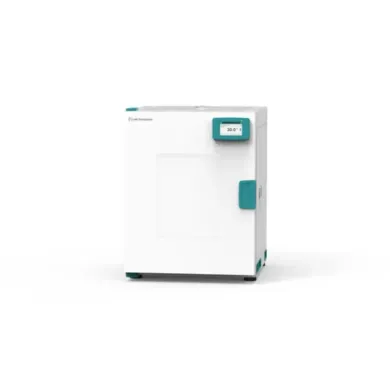
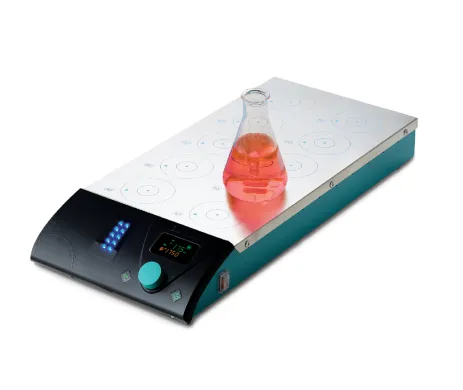
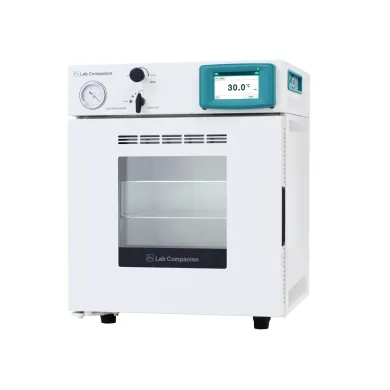
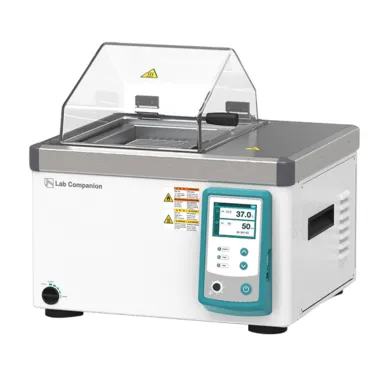
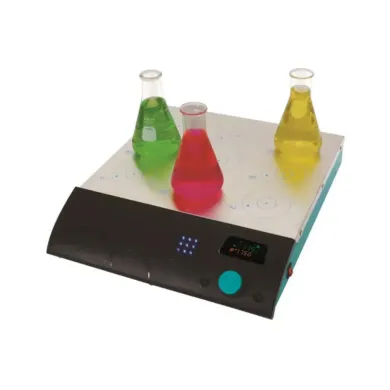
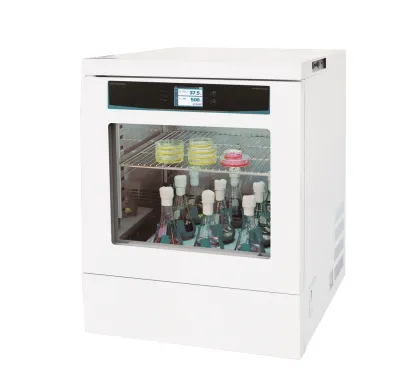
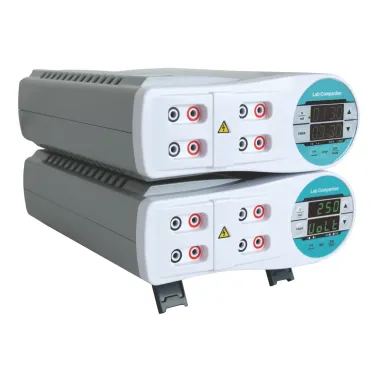
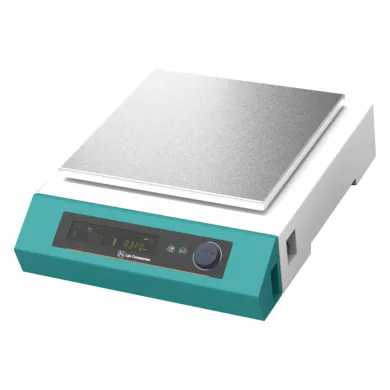
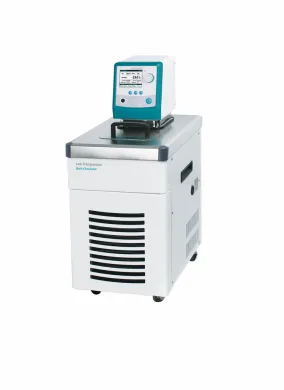
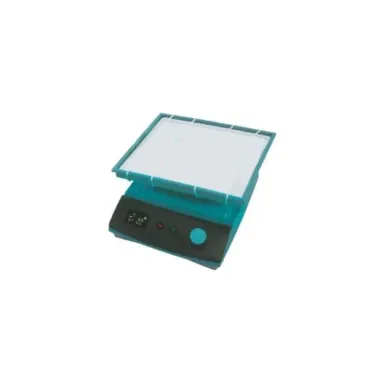
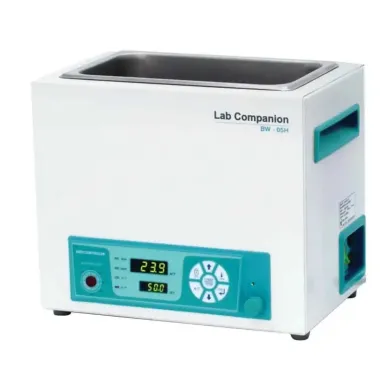
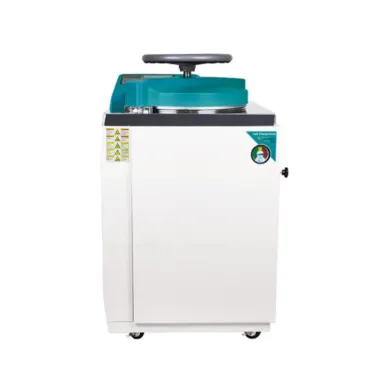
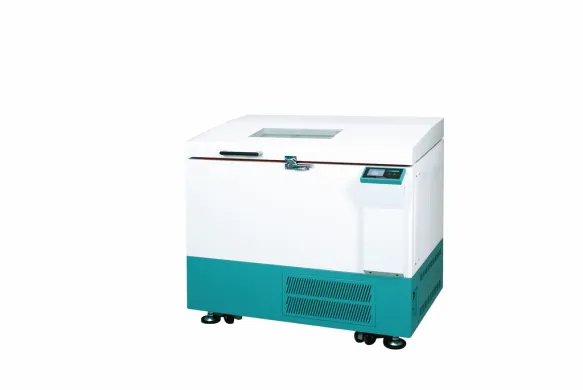
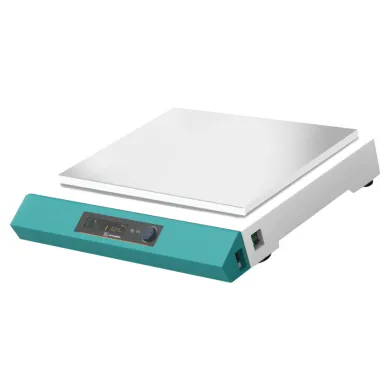
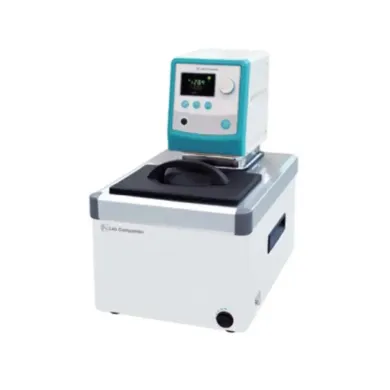
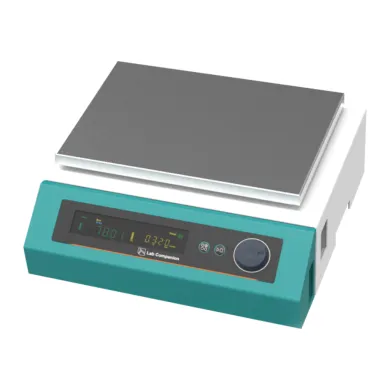
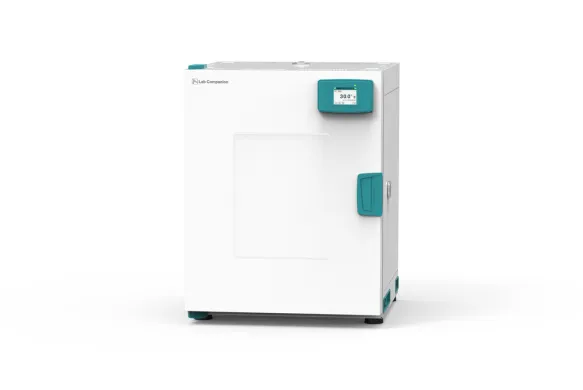
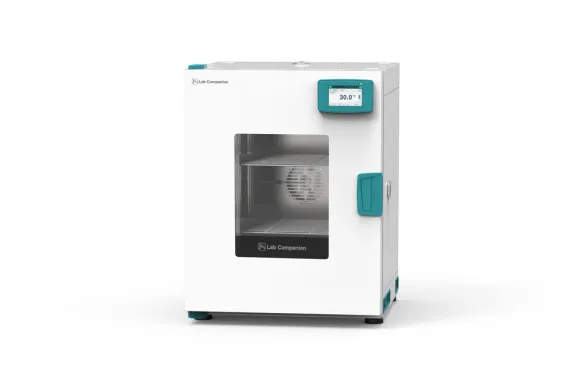
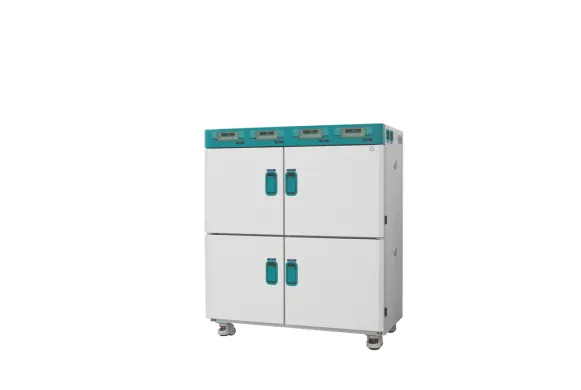
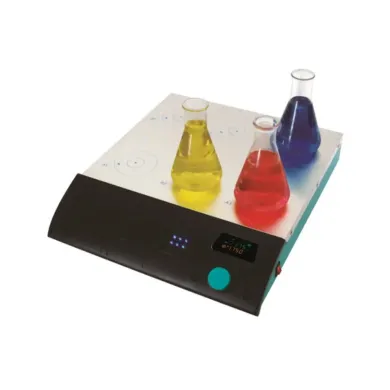
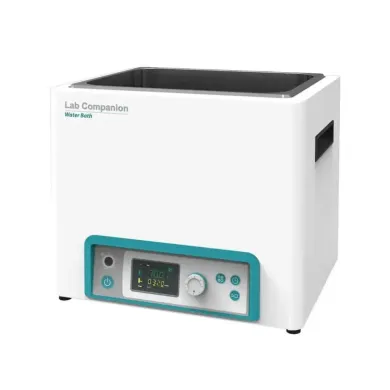
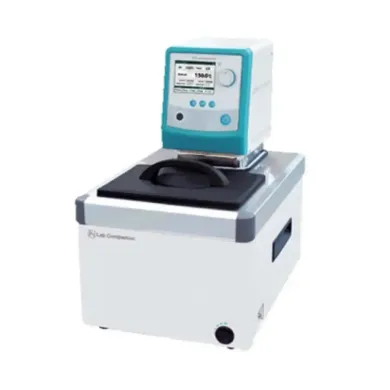
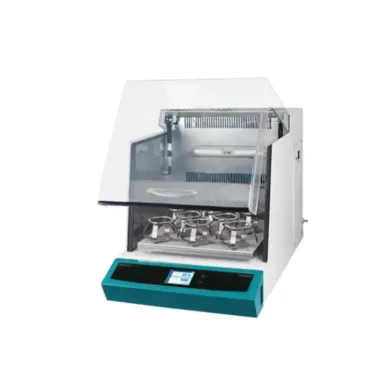
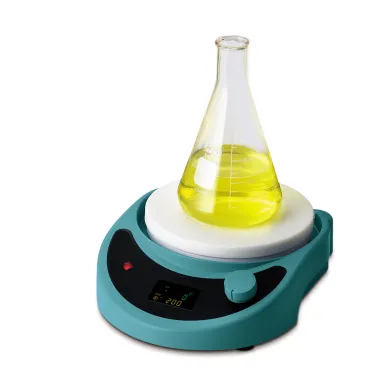
The catalogue covers a connected set of environmental and temperature-control instrument classes. Temperature and humidity chambers and environmental test chambers sit at the large end, used for stability studies, accelerated ageing, and controlled-condition storage. Ovens handle drying and heating; incubators and incubated shakers hold biological samples at a set temperature, and the shaker variant adds agitation for culture work. Water baths and bath circulators supply controlled heating to vessels and loops, while hotplates and magnetic stirrers cover heating and mixing on the bench. The range also includes electrophoresis systems, refrigeration and cooling equipment, and safety storage cabinets.
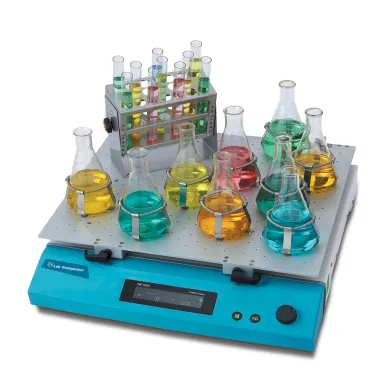
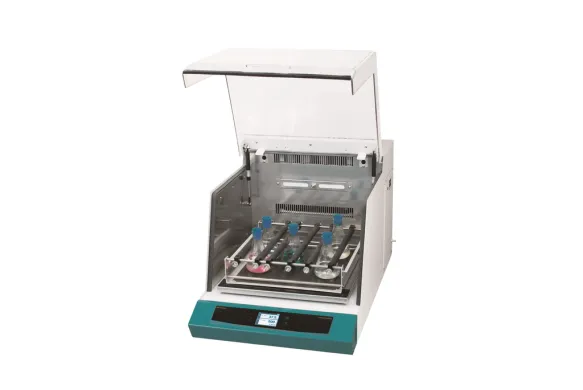
Several of these classes do work in biotechnology and the life sciences. Incubators and incubated shakers support cell culture and microbiology, holding microbial and mammalian cultures at a controlled temperature and, in the shaker form, keeping suspension cultures aerated. The electrophoresis systems do electrophoresis, the size-based separation of nucleic acids and proteins that underpins molecular biology and protein purification workflows. Environmental and temperature-humidity chambers are also used for stability testing of biological reagents and formulations, where a known condition has to hold over weeks. These are instruments a lab reaches for in genomics, proteomics, and routine microbiology, and a buyer searching for a lab incubator for cell culture or an orbital shaker for microbial growth is looking at exactly the classes Lab Companion makes.
Because the names here are already two words in several cases, a buyer will see both the device name and the field it serves. Incubation, drying, electrophoresis, and environmental conditioning are the processes behind the instruments, and the brand treats them as a single family of controlled-condition equipment rather than as unrelated product lines.
What Lab Companion equipment is listed on Questpair?
Listings are offered by 5 verified suppliers and distributors across 4 countries. Prices range from EUR 87 to EUR 13.284, with an average near EUR 3.724. 11 percent of the listings are used. The remainder is current-production stock, so a buyer looking for a known configuration has a wide choice, and a buyer open to a used unit will find it priced below its new counterpart.
Among the listings that specify a type, the mix leans toward chambers, incubators, and baths, with stirrers and smaller heating equipment filling the lower price band. The type labels are drawn from part of the catalogue rather than all of it, so the list of classes present is a guide rather than a complete inventory. A warranty is often possible and is arranged in consultation for the specific listing. Parts can be sourced via Questpair, and for manuals or documentation a buyer can contact Questpair directly, where specialists respond within the hour. The practical approach is to read the individual listing for condition, configuration, and the specification the application requires, since that is where the detail that separates two otherwise similar units actually sits.
Questpair review of Lab Companion
Our take based on listings data and supplier feedback
Lab Companion occupies the segment of laboratory equipment built around temperature and environmental control, and the Questpair listings reflect that focus. The catalogue spans incubators, drying and heating ovens, water baths and bath circulators, shakers, hotplates with magnetic stirrers, and the larger temperature and humidity chambers that sit at the top of the range. For a buyer, the practical value here is breadth within a single maker: a lab that needs a shaker, an incubator, and a drying oven can source all three from one brand rather than matching instruments across several manufacturers.
The first benefit, the span of temperature-control instrumentation, holds up against the listings. The range reaches from benchtop units that occupy a corner of the bench to walk-in environmental chambers used for stability testing and accelerated ageing. Incubators and incubated shakers serve cell culture and microbiology; drying ovens handle sample preparation and glassware; water baths and circulators supply controlled heating for reactions and assays. That this equipment comes from one manufacturer matters for a procurement team weighing consistency of interface and documentation across a group of instruments.
The second benefit is price spread. Listings run from EUR 87 to EUR 13.284, with an average around EUR 3.724. The low end covers the stirrers and small baths; the high end covers the chambers and larger refrigerated equipment. That spread means the brand is not confined to one budget tier, and a lab can place a small accessory order and a capital purchase with the same maker. For a buyer comparing options, the individual listing carries the condition and configuration that set its price, so the figure to check sits on the listing itself rather than in a brand-level generalization.
The third benefit concerns condition. 11 percent of the listings are used. The balance of the catalogue is current-production stock offered by verified suppliers and distributors. For a buyer who wants a known specification and a predictable lead configuration, that weighting toward new equipment reduces the uncertainty that comes with sourcing older units. Where a used unit does appear, it is priced below its new equivalent, and the decision between the two comes down to the specific listing and what warranty is arranged in consultation for it.
What the listings do not resolve is service history on individual used units or the full subtype breakdown of the catalogue, since the type labels are derived from part of the listings rather than all of them. Among the listings that specify a type, the mix leans toward chambers, incubators, and baths. A buyer evaluating Lab Companion against other environmental-control makers should treat the brand as a generalist in temperature and humidity control rather than a specialist in any single instrument class, and read the individual listing for the specification that matters to the application.
**Broad temperature-control range**
Lab Companion's catalogue spans incubators, ovens, water baths, and environmental chambers, so a lab sourcing multiple temperature-control instruments can draw them from one maker.
**Priced across the research budget**
Listings run from EUR 87 to EUR 13.284, covering benchtop stirrers at the low end and walk-in test chambers at the high end.
**New stock dominates the listings**
11 percent of the listings are used, which means most of what verified suppliers and distributors offer is current-production equipment.
Frequently asked questions
Where can I find manuals or documentation for Lab Companion equipment?
Contact Questpair directly for manuals or documentation, and specialists respond within the hour. Since configurations vary, it helps to note the model or series from the listing you are looking at.
How much does Lab Companion equipment cost?
Across the Questpair listings, prices run from EUR 87 to EUR 13.284, with an average near EUR 3.724. Where a unit falls in that span depends on its class, so a benchtop stirrer sits far below an environmental test chamber.
What is the difference between refurbished and used Lab Companion units?
Both are listed below the price of new equipment on Questpair. The condition detail that separates one unit from another is stated in the individual listing, so read it for the specific history and configuration before buying.
Is a warranty available on Lab Companion equipment?
A warranty is often possible and is arranged in consultation for the specific listing. Terms are not set centrally, so the individual listing and that consultation are where you confirm what applies.
Is Lab Companion equipment suitable for clinical or research work?
Several classes are used in the life sciences: incubators and incubated shakers for cell culture and microbiology, electrophoresis systems for separating nucleic acids and proteins, and chambers for stability testing of reagents and formulations. Confirm the listed specification against your protocol, since the application sets the required temperature range, humidity, or agitation.
How long does Lab Companion equipment last?
Lifespan depends on the instrument class and how heavily it is used, not on a single figure. Temperature-control and agitation instruments generally run for many years with routine maintenance of seals, heating elements, and motors.
Can I get parts for Lab Companion equipment?
Parts can be sourced via Questpair. Identify the model and series from your listing so the correct component can be matched.
What are the alternatives to Lab Companion equipment?
The alternative depends on the class you need: for ovens and incubators, general-purpose heating and incubation makers compete; for orbital and incubated shakers, bench shaker makers; for stability and environmental test chambers, climate-chamber makers. The Questpair catalogue lets you compare these classes across suppliers rather than by brand name alone.
What is the lead time on Lab Companion equipment?
Used units listed on Questpair are generally ready to ship, while new or current-production stock can depend on supplier availability. The individual listing and the supplier handling it give the specific timing.
What is the difference between parts and spares for Lab Companion equipment?
The two terms describe the same thing: replacement components for an instrument, whether a heating element, a seal, or a motor. Both can be sourced via Questpair once the model is identified.
Does Lab Companion equipment ship internationally?
Listings come from verified suppliers and distributors across 4 countries, so cross-border shipping is common. Shipping arrangements are confirmed per listing with the supplier offering the unit.
What product lines does Lab Companion make and how do they differ?
The range groups by the condition each instrument holds: temperature and humidity chambers and environmental test chambers for controlled-condition storage and stability work; ovens for drying and heating; incubators and incubated shakers for biological samples, with the shaker form adding agitation; water baths and bath circulators for controlled heating of vessels and loops; hotplates and magnetic stirrers for bench heating and mixing. It also covers electrophoresis systems, refrigeration and cooling equipment, and safety storage cabinets.
Which Lab Companion instrument types are actually listed on Questpair and in what condition?
Among listings that specify a type, the labelled classes include temperature-controlled ovens, laboratory drying ovens, forced convection ovens, benchtop ovens, orbital shakers, and laboratory incubators. 11 percent are used and the remainder is current-production stock, and these labels cover part of the catalogue rather than the full inventory.
What separates the cheapest Lab Companion listings from the most expensive?
The low end is filled by stirrers and smaller heating equipment, while the high end runs to environmental and temperature-humidity chambers built for stability studies and controlled-condition storage. Beyond the instrument class, condition and configuration move the price within the EUR 87 to EUR 13.284 span, and the individual listing holds that detail.
About Questpair
Questpair is the European marketplace for lab equipment, where AI-prepared cases and personal specialists guide every purchase. We work with 247 verified suppliers across 38 countries to find buyers the right new, used or refurbished instruments, with response within 1 hour and significant savings vs buying new.
Personal · Fast · Reliable · Affordable