
Fitzpatrick equipment
We personally find you the right new, used & refurbished Fitzpatrick instruments & equipment from verified suppliers
Fitzpatrick is an American manufacturer of pharmaceutical, chemical, and food processing equipment specializing in particle size reduction and dry granulation. Founded in Elmhurst, Illinois in 1937, the company originated the FitzMill hammer mill and the Chilsonator roller compactor for powder processing across the pharmaceutical, chemical, and food industries. Since November 2010 it has operated under IDEX Corporation, through the IDEX Material Processing Technologies division. On Questpair, used Fitzpatrick milling and compaction equipment is listed by verified suppliers and distributors.
Updated:
Fitzpatrick product list


Not the exact instrument you need?
Tell our scientists what you are after. We track it down, including off-market supply.
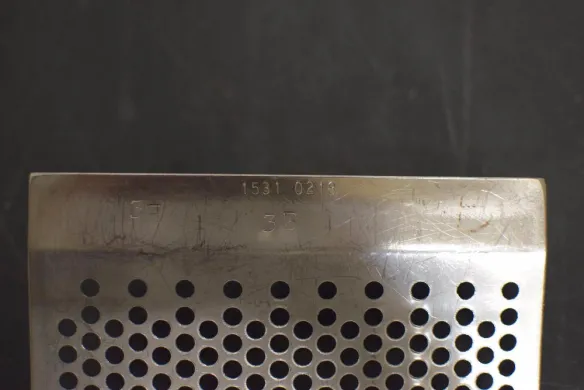
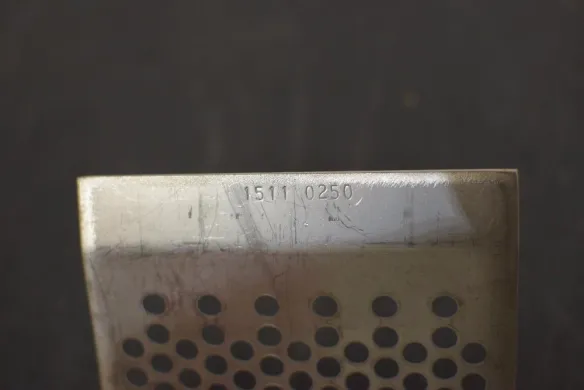
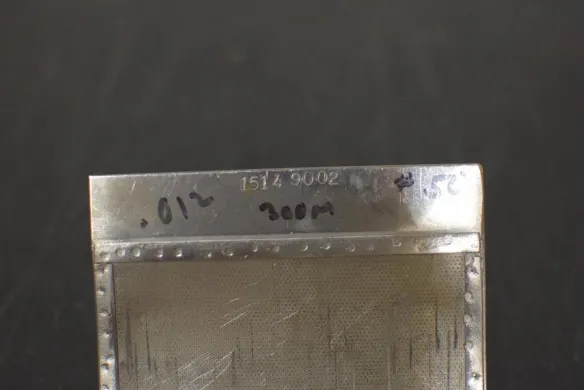
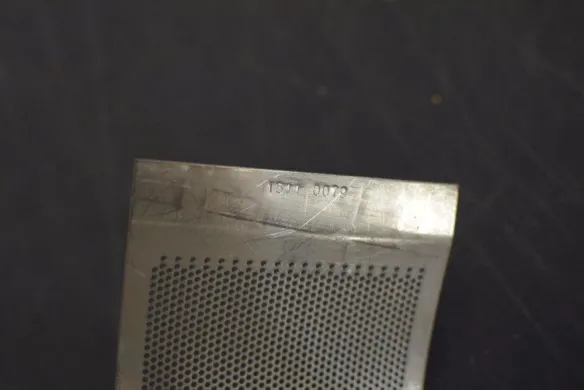
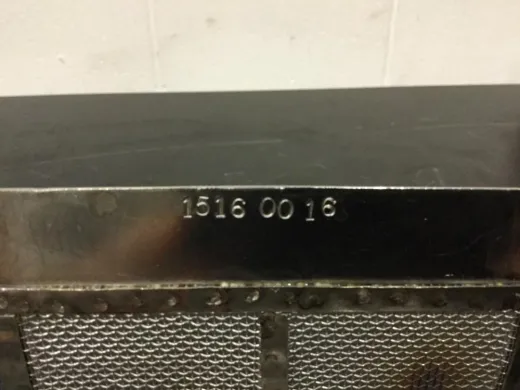
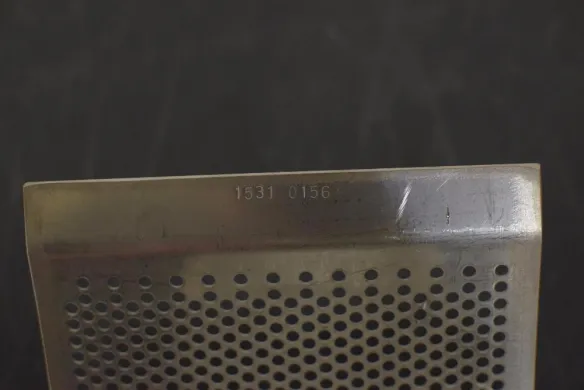
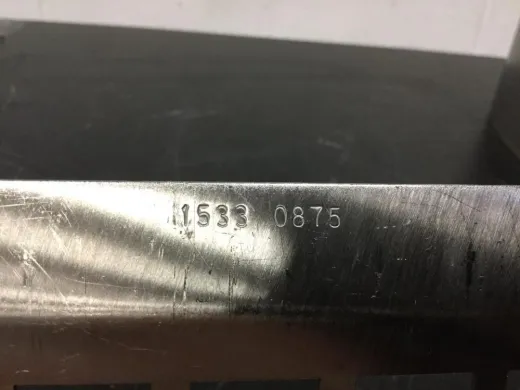
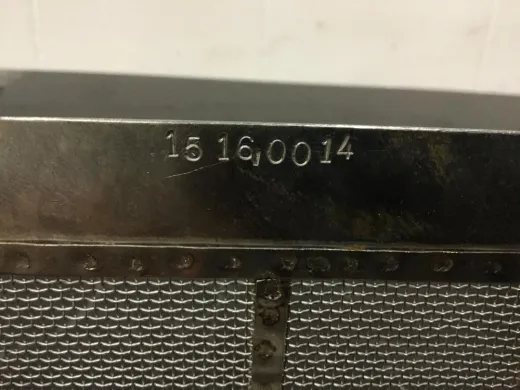
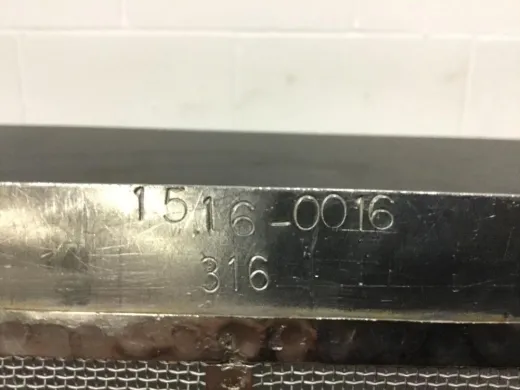
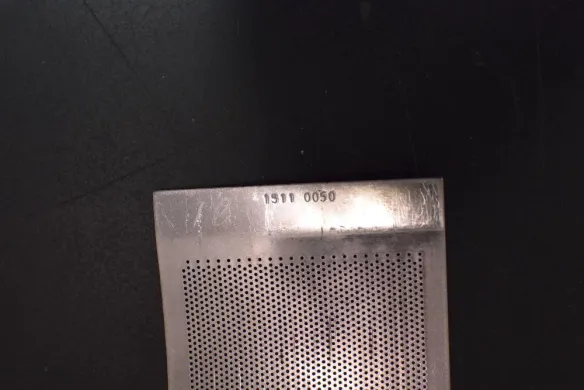
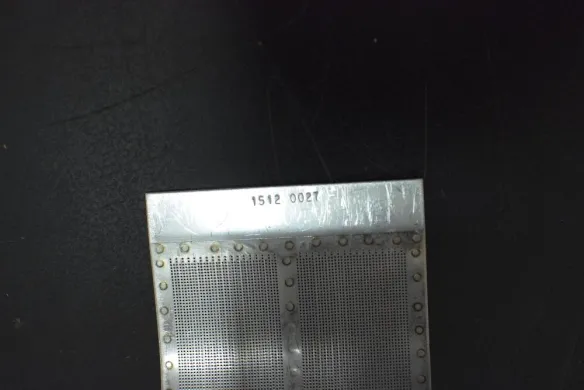
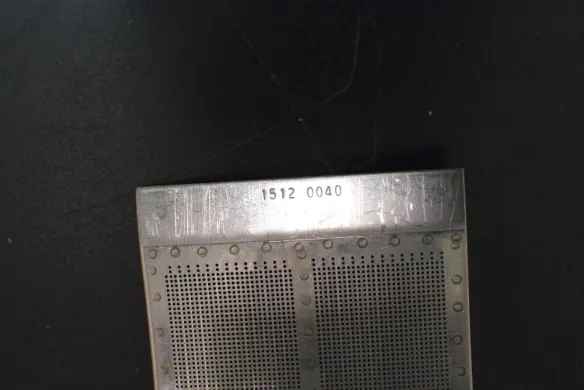
Not the exact instrument you need?
Tell our scientists what you are after. We track it down, including off-market supply.
Showing 1–40 of 48 listings
Show 8 more listingsAbout Fitzpatrick
Fitzpatrick is an American manufacturer of pharmaceutical, chemical, and food processing equipment, specialising in particle size reduction and dry granulation. The company was founded in Elmhurst, Illinois in 1937 as the originator of the FitzMill hammer mill and the Chilsonator roller compactor. Those two machines defined its field: milling, which breaks solids down to a controlled particle size, and dry granulation, which densifies powder into granules without water or solvent. Since November 2010 the company has been part of IDEX Corporation, operating within the IDEX Material Processing Technologies division. Its primary categories are hammer mills, roller compactors, size reduction equipment, dry granulation systems, and powder milling equipment. The notable product lines are the FitzMill, the Chilsonator, the CCS Series roller compactors, the Scalable Lab System, the SDx Series, and the Lab Compaction System. On Questpair, this equipment is available used from verified suppliers and distributors.
Fitzpatrick product lines
The FitzMill is the hammer and knife mill at the centre of the catalogue, used across the pharmaceutical, chemical, and food industries wherever a solid has to be reduced to a defined particle size. In a pharmaceutical setting this milling step serves molecular diagnostics and solid-dosage formulation, where the particle size of an active ingredient governs dissolution and content uniformity. The same mills are also used for food powders and fine chemicals, so a single design covers a wide range of materials.
The Chilsonator and the CCS Series handle dry granulation by roller compaction, the alternative to wet granulation for materials that are moisture or heat sensitive. Powder is drawn between two rolls, compacted into a ribbon, and then milled back to a flowable granule. This route is common in pharmaceutical biomanufacturing and in the formulation of heat-labile compounds, where adding liquid and a drying stage would be unworkable. Roller compaction equipment of this kind is specified wherever a dry, continuous granulation path is needed.
The development-scale lines, the Scalable Lab System, the SDx Series, and the Lab Compaction System, are built so that a process worked out on a small machine transfers to a larger one of the same architecture. For a process-development laboratory, these units sit at the point where formulation work becomes a scalable manufacturing route. A buyer choosing between them should match the throughput and the batch size of the listing to the stage of development the equipment will serve.
Which Fitzpatrick units are on Questpair?
The Questpair catalogue holds 76 Fitzpatrick items in total. Of these, 100 percent of the listings are used. That makes condition, rather than new-versus-refurbished, the central question when comparing them, and for milling and compaction equipment condition rests mainly on the wear surfaces: the hammers and screens of a mill, the rolls of a compactor.
Prices across the catalogue range from EUR 178 to EUR 35.226. The average sits near EUR 1.822. The width of that range is the difference between a parts-level or bench-scale listing and a complete production compaction system, so a price on its own says little until matched to the machine class behind it.
Where a listing is missing a wear part, parts can be sourced via Questpair, and a warranty is often possible, arranged in consultation for the specific listing. For manuals or documentation on a particular model, a buyer can contact Questpair, where specialists respond within the hour. Those three points, condition, price, and the availability of parts, are what a buyer weighs when selecting a used Fitzpatrick unit for a milling or dry-granulation process that is already understood.
Questpair review of Fitzpatrick
Our take based on listings data and supplier feedback
Fitzpatrick occupies an unusually narrow position for a processing-equipment maker. Rather than spanning a broad catalogue, the company has built its reputation on two machine families it originated in the 1930s: the FitzMill hammer mill for particle size reduction, and the Chilsonator roller compactor for dry granulation. For a buyer evaluating used equipment, that focus is the first thing worth weighing, because it means the installed base is deep and the design lineage is long.
The specialist focus shows in how the lines are organised. The FitzMill family handles milling, reducing dry or wet material to a controlled particle size by hammer or knife impact against a screen. The Chilsonator and the CCS Series roller compactors cover the other half of the company's work, dry granulation, where powder is densified between rolls and then milled to a granule without liquid binder or a drying step. These are distinct processes serving distinct formulation needs, and a buyer should know which of the two a given listing addresses before comparing prices.
The second point of interest is scalability, which matters more here than the marketing word usually suggests. Fitzpatrick sells the Scalable Lab System and the Lab Compaction System for development work, the SDx Series in the mid-range, and the CCS Series for production. The design principle is that a process characterised on a small unit carries over to a larger one of the same architecture. For anyone buying used, that has a practical consequence: a laboratory-scale machine found on the catalogue is not a toy but the documented front end of a production route, which affects both its value and the records a buyer should ask to see.
The third point concerns the state of the Questpair catalogue itself. All 76 Fitzpatrick listings are used, so this is not a new-versus-refurbished decision but a question of condition, screen and roll wear, and completeness of the unit. Prices range from EUR 178 at the lower end to EUR 35.226 at the top, with an average around EUR 1.822. That spread reflects the gap between a bare mill head or a parts-only listing and a complete, instrumented compaction system. Because used and refurbished units are listed below new pricing, the catalogue is where a buyer looks to avoid the long lead times of ordering a new machine for a process that is already well understood.
What the catalogue does not resolve on its own is machine history. Milling and compaction equipment wears at the contact surfaces, the hammers, screens, and rolls, so condition assessment rests on those parts rather than on the frame. Where a buyer needs a specific wear part, parts can be sourced via Questpair, and a warranty is sometimes possible, arranged in consultation for the individual listing. Those are the practical levers; the rest is a matter of matching a listing to the process it will run.
**Specialist focus on particle size reduction**
Fitzpatrick builds equipment for a single narrow problem, reducing and compacting powders, through the FitzMill hammer mill and the Chilsonator roller compactor that the company originated in the 1930s.
**Scalable from bench to production**
Product lines run from the Scalable Lab System and Lab Compaction System up to the CCS Series roller compactors, so a process developed on a laboratory unit transfers to a production machine of the same design.
**A used catalogue priced well below new**
All 76 Fitzpatrick listings on Questpair are used, with prices that range from EUR 178 to EUR 35.226.
Frequently asked questions
Where can I find a manual or documentation for a specific Fitzpatrick model?
For documentation on a particular FitzMill, Chilsonator, or compaction model, contact Questpair and specialists respond within one hour. State the model number of the listing you are looking at so the right manual can be matched.
How much does Fitzpatrick equipment cost?
Across the Questpair catalogue prices run from EUR 178 to EUR 35.226, with an average near EUR 1.822. Where a listing sits in that range depends on whether it is a bench-scale unit, a wear part, or a complete production compaction system.
What is the difference between refurbished and used Fitzpatrick units?
A used unit is sold in its existing condition, while a refurbished one has had work done before listing. Both are priced below new, so read the individual listing for the state of the wear surfaces, the hammers and screens on a mill or the rolls on a compactor.
Do these units come with a warranty?
A warranty is often possible and is arranged in consultation for the specific listing. Questpair does not set support terms centrally, so the terms depend on the individual unit and supplier.
Is Fitzpatrick equipment suitable for clinical or research use?
The development-scale lines, the Scalable Lab System, the SDx Series, and the Lab Compaction System, are built for process-development work where a result on a small machine transfers to a larger one of the same architecture. For a clinical or research buyer, match the throughput and batch size of the listing to the development stage it needs to serve.
How long does a Fitzpatrick mill or compactor last?
These machines are built around replaceable wear surfaces, so working life depends mainly on the hammers, screens, and rolls rather than the frame. A unit whose wear parts are intact or recently replaced has a longer usable life ahead of it than the serial number alone would suggest.
Can I get spare parts for Fitzpatrick milling and compaction equipment?
Parts can be sourced via Questpair, including the wear items that a mill or compactor needs over its life. If a listing is missing a part such as a screen or a roll, note the model when you enquire.
What are the alternatives to Fitzpatrick for size reduction and dry granulation?
The choice depends on which step you are buying for: hammer and knife milling to a defined particle size, or roller compaction for a dry, continuous granulation path. Compare any alternative on throughput, batch size, and the screens or rolls it uses, since those decide whether it fits a process you already run.
What is the lead time on a used Fitzpatrick unit?
Lead time depends on the individual listing and the supplier holding it, since stock is offered by verified suppliers and distributors rather than from one warehouse. Contact Questpair with the listing to confirm availability and dispatch.
What is the difference between a part and a spare for these machines?
In practice both refer to components such as hammers, screens, and compactor rolls that are replaced over the working life of the machine. A spare is the same item held in reserve before it is needed, and all of these can be sourced via Questpair.
Can Fitzpatrick equipment be shipped internationally?
Listings come from verified suppliers and distributors across 1 countries, so international shipping is generally workable. Confirm the destination and arrangements for the specific listing with Questpair.
What product lines does Fitzpatrick make and how do they differ?
The FitzMill is the hammer and knife mill for reducing solids to a defined particle size, while the Chilsonator and CCS Series handle dry granulation by roller compaction. The Scalable Lab System, SDx Series, and Lab Compaction System are development-scale units built so a process scales to a larger machine of the same design.
Which types of Fitzpatrick equipment are listed on Questpair and in what condition?
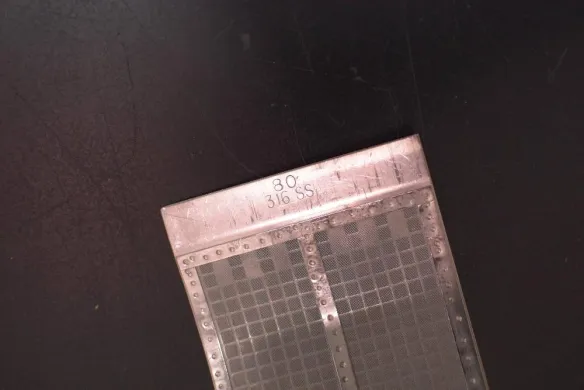
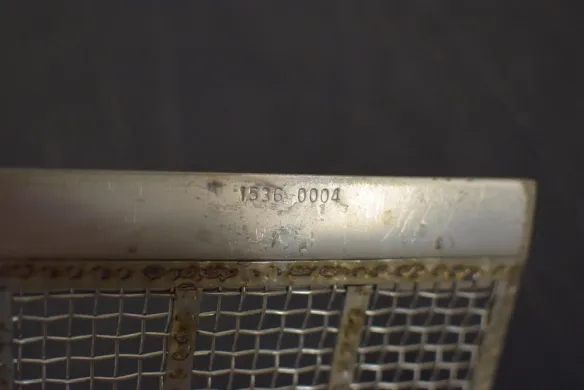
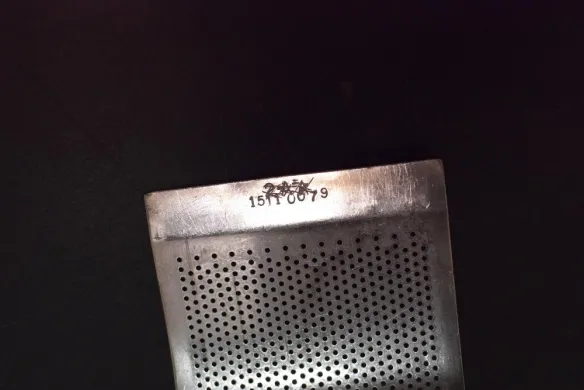
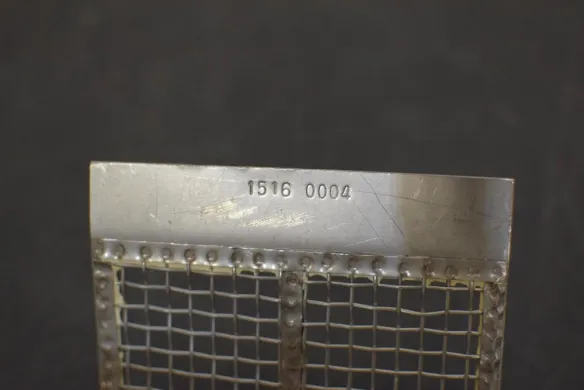
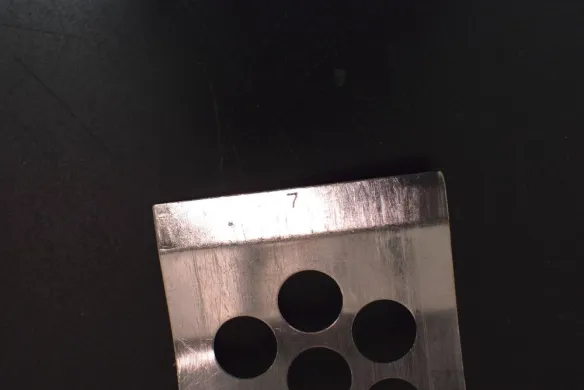
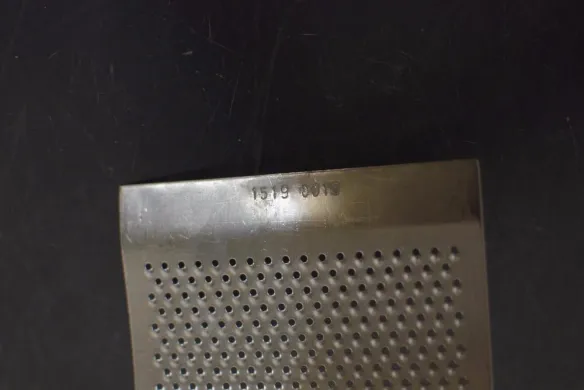
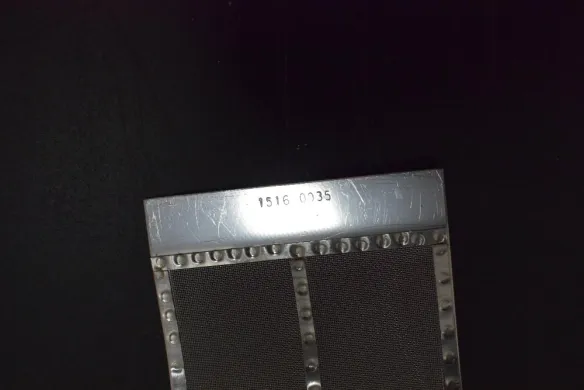
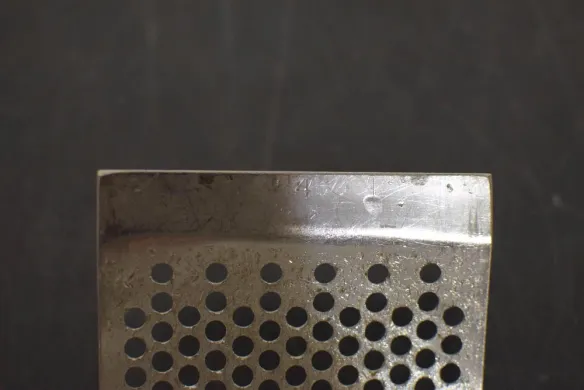
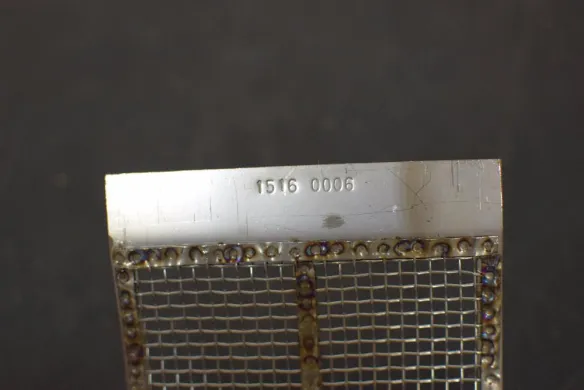
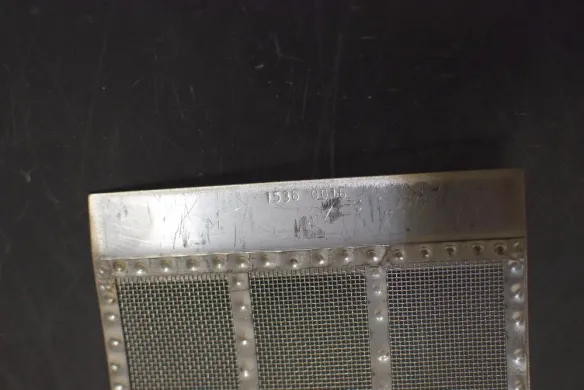
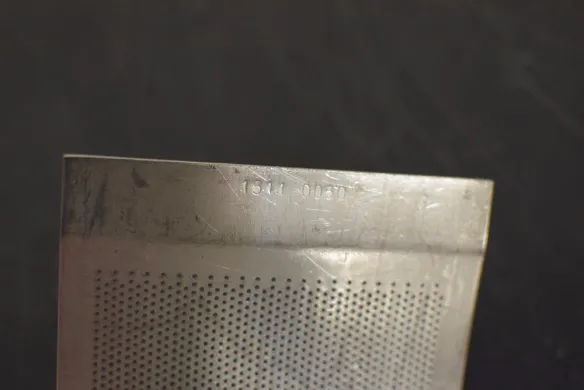
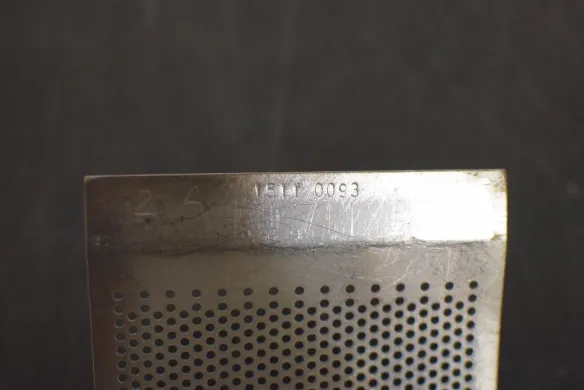
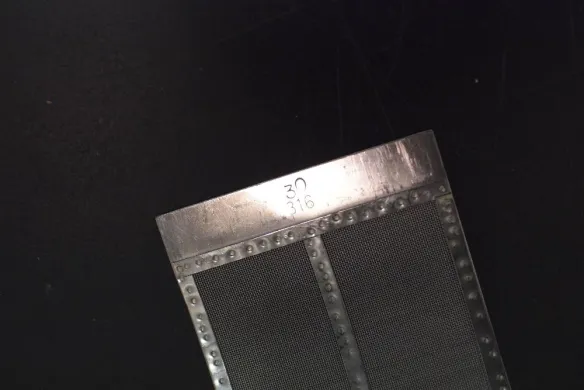
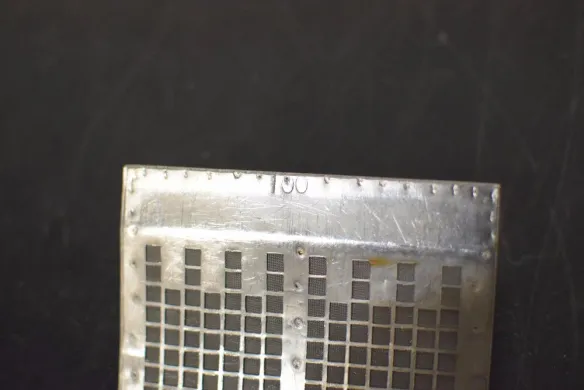
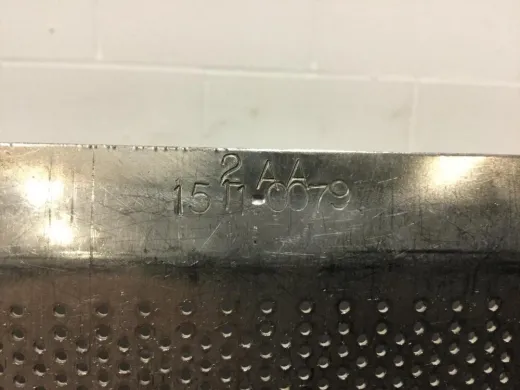
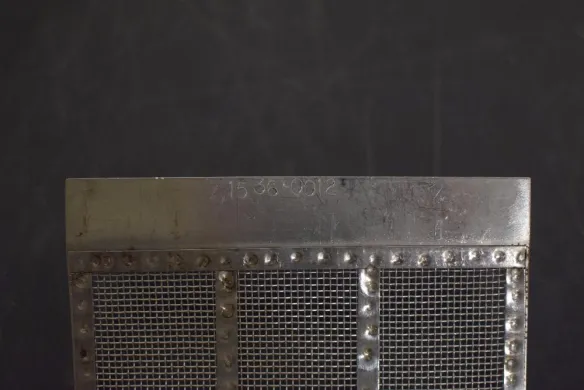
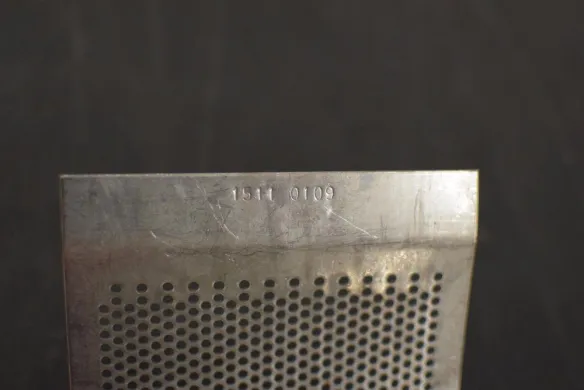
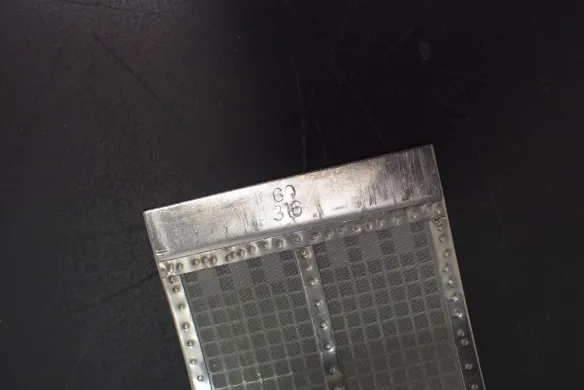
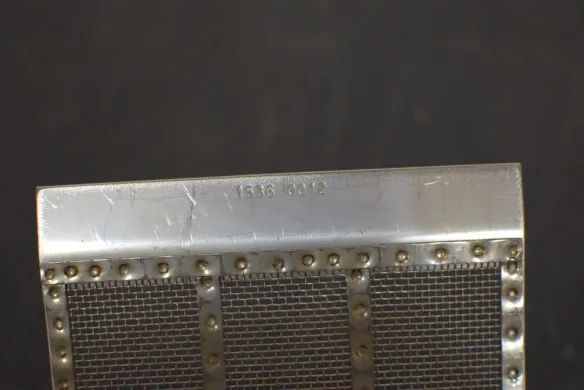
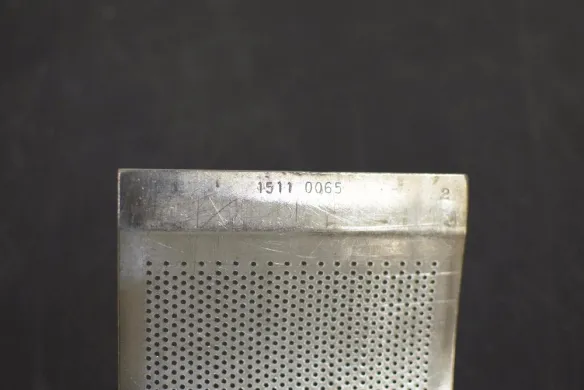
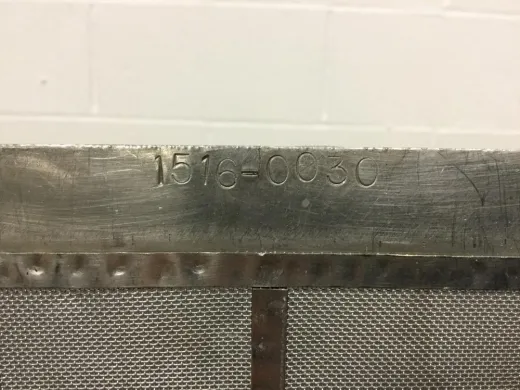
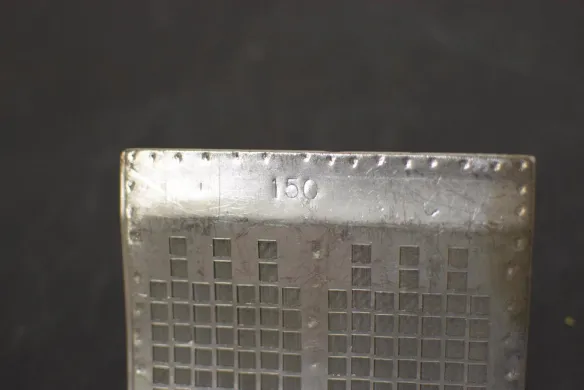
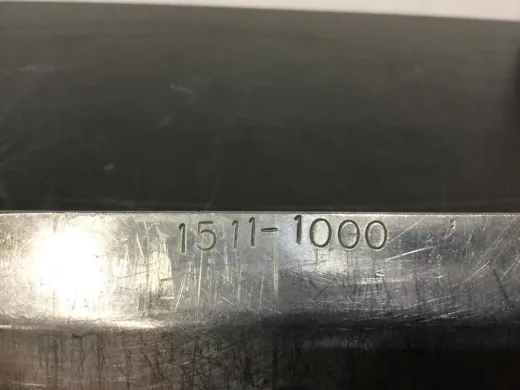
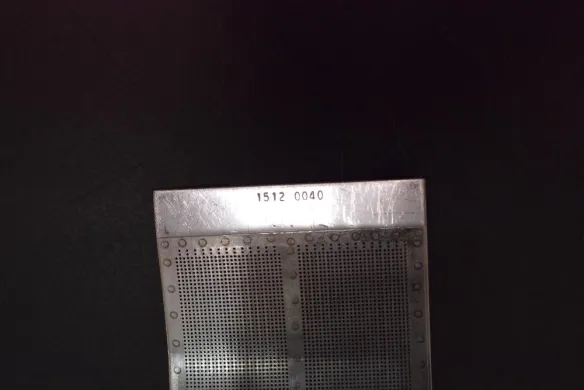
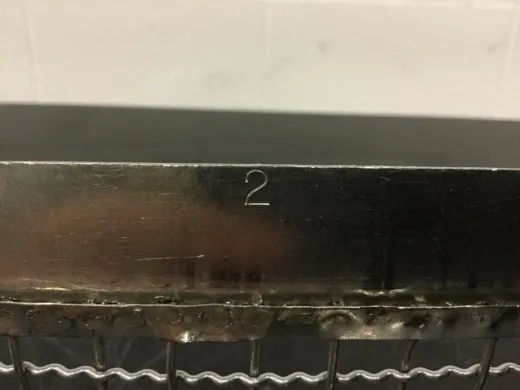
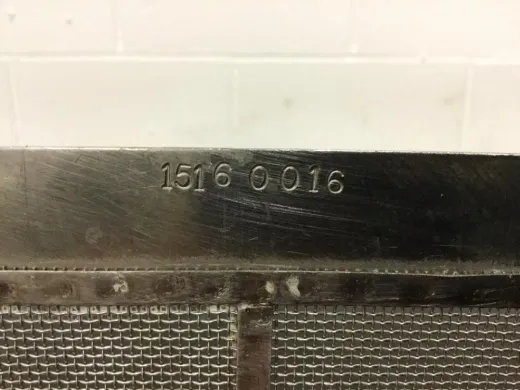
The catalogue holds 76 Fitzpatrick items from 1 suppliers, of which 100 percent are used. The listings run to laboratory mill screens, milling screens, sample preparation equipment, FitzMill accessories, particle size reduction accessories, and particle size reduction components.
What separates the cheapest Fitzpatrick listings from the most expensive?
The cheapest listings are parts-level or bench-scale items such as screens and accessories, while the dearest are complete production compaction systems. That is why prices span EUR 178 to EUR 35.226: the figure means little until it is matched to the machine class behind it.
About Questpair
Questpair is the European marketplace for lab equipment, where AI-prepared cases and personal specialists guide every purchase. We work with 247 verified suppliers across 38 countries to find buyers the right new, used or refurbished instruments, with response within 1 hour and significant savings vs buying new.
Personal · Fast · Reliable · Affordable