
Eyela equipment
We personally find you the right used, refurbished & new Eyela instruments & equipment from verified suppliers
Eyela, the brand name of Tokyo Rikakikai Co., Ltd., is a Japanese laboratory instrument manufacturer specializing in research support equipment. The company was founded on July 12, 1955 in Koishikawa, Bunkyo, Tokyo, by Hideyoshi Chino, first as a wholesaler before moving into manufacturing. Its product range covers rotary evaporators, circulating chillers, freeze dryers, vacuum pumps, synthesizers, incubators, ovens, water baths, spray dryers and peristaltic pumps. On Questpair, 75 used Eyela items are listed by verified suppliers and distributors, with prices that run from EUR 43 to EUR 3.722.
Updated:
Eyela product list
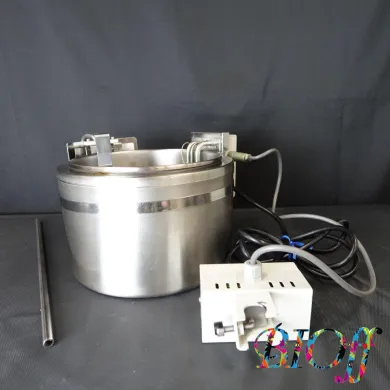
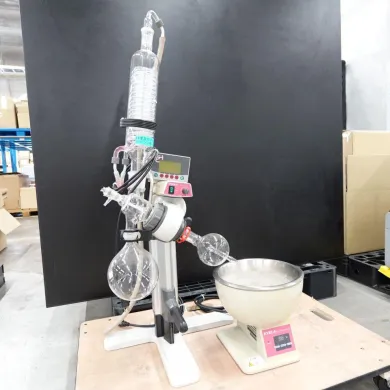


Not the exact instrument you need?
Tell our scientists what you are after. We track it down, including off-market supply.
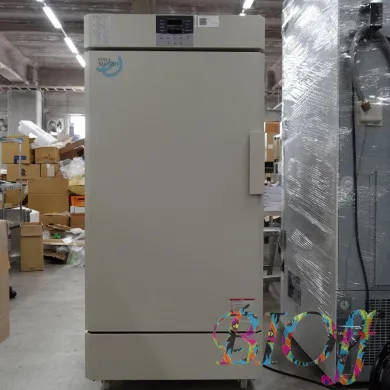
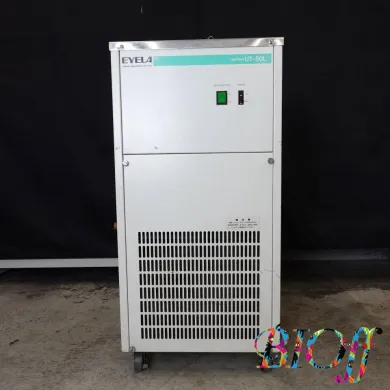
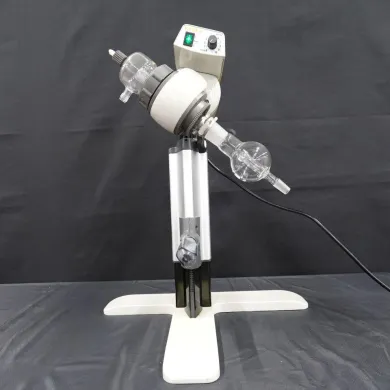
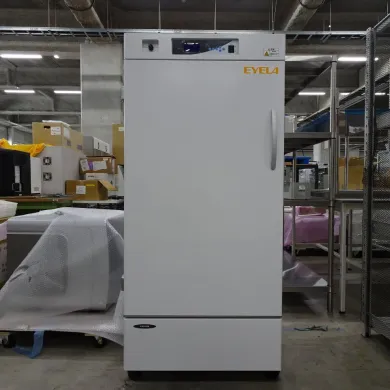
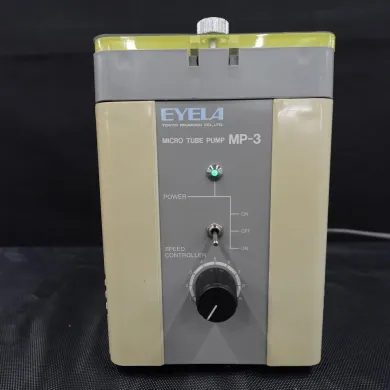
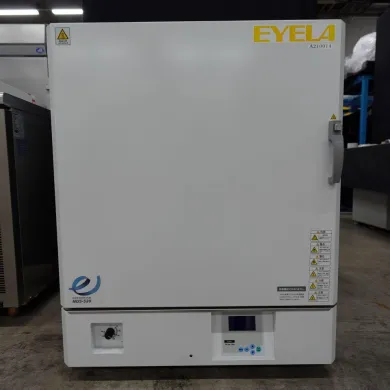
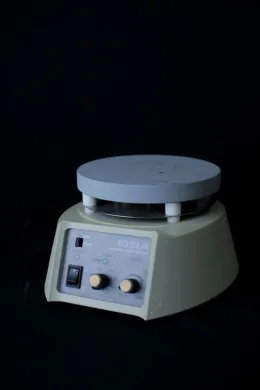
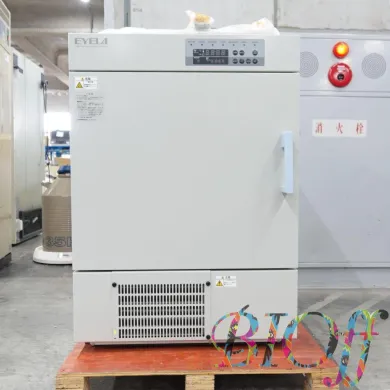
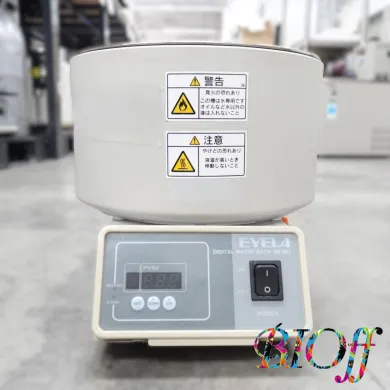
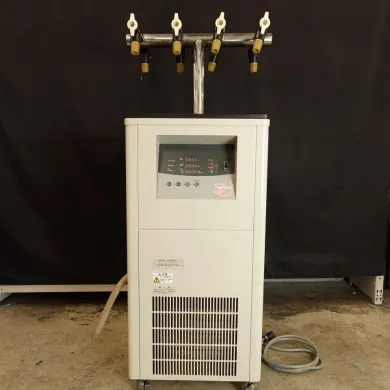
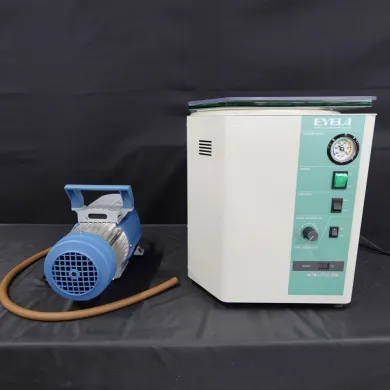
Not the exact instrument you need?
Tell our scientists what you are after. We track it down, including off-market supply.
Showing 1–40 of 65 listings
Show 25 more listingsAbout Eyela
Eyela is the brand name used by Tokyo Rikakikai Co., Ltd., a Japanese laboratory instrument manufacturer specializing in research support equipment. The company was established on July 12, 1955 in Koishikawa, Bunkyo, Tokyo, by founder Hideyoshi Chino, who began as a wholesaler before the business moved into manufacturing. Its headquarters remain in the Bunkyo ward of Tokyo. The product range covers rotary evaporators, circulating chillers, freeze dryers, vacuum pumps, synthesizers, incubators, ovens, water baths, spray dryers and peristaltic pumps. These are the instruments that sit behind an experiment rather than at the point of measurement, handling concentration, drying, heating and fluid movement. On Questpair, the Eyela stock is used throughout and drawn from a single verified source.
Eyela product lines on Questpair
The catalogue is organised around the solvent-handling and drying work that defines the brand. The rotary evaporators are the anchor. A rotary evaporator removes solvent from a sample by spinning a flask under reduced pressure in a heated bath, lowering the boiling point so the solvent evaporates gently and is recovered in a condenser. That process, rotary evaporation, underpins much of synthetic and analytical chemistry, where a product has to be freed from the solvent it was made or dissolved in. The evaporators appear alongside the two classes they depend on: circulating chillers, which supply the cold water or coolant the condenser needs, and vacuum pumps, which pull the pressure down. Having all three from one maker in one catalogue is the practical strength of this listing.
Beyond concentration, the range extends into drying. Freeze dryers remove water from a sample by freezing it and then subliming the ice away under vacuum, a method used in biotechnology for preserving proteins, enzymes, cell cultures and other biological material that would not survive heat drying. Freeze drying, or lyophilisation, is a standard step in biomanufacturing and in the long-term storage of molecular biology reagents. Spray dryers take a different route, turning a liquid feed into a dry powder in a single pass, which is widely used in formulation work.
The thermal and incubation instruments round out the line. Incubators and ovens hold a controlled temperature for cell culture, microbiology and sample conditioning, while water baths provide the gentle, even heat that sample preparation and enzyme work depend on. The synthesizers support chemical reactions under controlled conditions, and the peristaltic pumps move fluid without the liquid touching any moving part, which keeps a line clean enough for cell culture media and other sterile transfers. Across the catalogue, use both the American and British spellings a European buyer expects: this is a catalog of research-support apparatus with a clear bias toward concentration and lyophilisation.
What is listed, and at what price?
Every Eyela unit in the catalogue is used, 100 percent, supplied by 1 verified supplier in 1 country. Prices run from EUR 43 to EUR 3.722. The average sits at EUR 822, which places the bulk of the stock well below the high end, where the complete freeze dryers and spray dryers sit. Used and refurbished instruments are listed below new pricing, and that price gap is the one difference this catalogue records between them and new stock.
For documentation on a specific model, you can contact Questpair and a specialist responds within the hour. Parts for these instruments can be sourced via Questpair as well. A warranty is often possible and is arranged in consultation for the individual listing, which is also the place to check the condition and history of any particular unit before you commit.
Questpair review of Eyela
Our take based on listings data and supplier feedback
Eyela occupies a defined place in the laboratory instrument market: research support equipment, the apparatus that handles solvent removal, temperature control and drying rather than measurement or analysis. That focus is visible in what reaches the Questpair catalogue, where the listings cluster around the concentration and drying workflow the brand is known for.
The first point worth examining is the depth of the rotary evaporation line. A rotary evaporator rarely works alone; it depends on a vacuum source and a cooling supply to bring a solvent to its boiling point under reduced pressure and then condense it back to liquid. Eyela builds all three classes, and the Questpair stock reflects that. A buyer assembling a concentration setup can find the evaporator, a circulating chiller and a vacuum pump from the same maker, which removes the guesswork of matching flange sizes, hose fittings and condenser capacities across brands. For a working lab that matters more than any single specification, because a mismatched chiller or an undersized pump turns an otherwise sound evaporator into a slow one.
The second point concerns sourcing. All 75 Eyela listings come from 1 verified supplier operating in 1 country. A single source is not a limitation here so much as a characteristic: condition grading, cleaning and the way an instrument is described tend to be consistent when they come from one hand, where a catalogue drawn from many sellers varies in how a "used" unit is presented. A buyer comparing two Eyela water baths or two freeze dryers in this catalogue is comparing like against like.
The third point is price and condition. The catalogue is entirely used, 100 percent, and the range is wide: from EUR 43 to EUR 3.722, against an average of EUR 822. That spread is the honest picture of a research-support catalogue. The low end holds accessories and small parts, peristaltic pump heads, water bath lids, spare condensers; the high end holds complete freeze dryers and spray dryers, which are substantial instruments with vacuum systems and refrigeration built in. Used and refurbished units are listed below new pricing, and on this catalogue that is the whole of what separates them from new stock on the price axis.
What the catalogue does not tell you, and where a buyer should look at the individual listing, is the service history of a given unit. Freeze dryers and spray dryers in particular carry seals, pumps and refrigeration that age, so the description of the specific instrument carries more weight than the brand reputation. Warranty is often possible and is arranged in consultation for the specific listing, which is the right place to settle that question. For the rotary evaporators, chillers and vacuum pumps that make up the core of the stock, the proposition is clearer: a coherent, single-sourced set of research support equipment at used prices, suited to a lab building or extending a solvent-recovery bench without buying new.
**Rotary evaporation and solvent recovery depth**
The Questpair catalogue centres on Eyela's rotary evaporators, circulating chillers and vacuum pumps, the three units that form a complete concentration line in one supplier's stock.
**One supplier, consistent sourcing**
All 75 Eyela items on Questpair come from 1 verified supplier, which means condition reporting and handling follow a single standard rather than varying seller to seller.
**Used pricing across a wide range**
Every listed unit is used, at 100 percent of the catalogue, with prices from EUR 43 to EUR 3.722 that span small accessories through complete benchtop instruments.
Frequently asked questions
Where can I find manuals and documentation for a specific Eyela model?
Contact Questpair with the model you are looking at and a specialist responds within the hour. Documentation requests are handled per listing, so having the exact model number helps.
How much does Eyela equipment cost on Questpair?
Prices range from EUR 43 to EUR 3.722, with the average at EUR 822. The lower end covers water baths and smaller thermal units, while complete freeze dryers and spray dryers sit near the top.
What is the difference between refurbished and used Eyela units here?
Both are listed below new pricing, and that price gap is the one difference this catalogue records between them. Check the condition and history on the individual listing before you commit.
Is there a warranty on Eyela instruments?
A warranty is often possible and is arranged in consultation for the specific listing. The listing is also where you confirm the condition and history of that unit.
Is Eyela equipment suitable for clinical or research use?
Eyela makes research support equipment, and the catalogue leans toward solvent concentration and drying work used in synthetic and analytical chemistry. Freeze dryers are also used in biotechnology for preserving proteins, enzymes and cell cultures, so the fit depends on the specific instrument and your protocol.
How long does Eyela lab equipment last?
Lifespan depends on the instrument class, the duty cycle and how it was maintained, so a used rotary evaporator and a used vacuum pump age differently. The condition and history of each unit are recorded on its listing.
Can I get spare parts for Eyela instruments?
Parts for these instruments can be sourced via Questpair. Give the model and the component you need so the request can be matched to a supplier.
What are good alternatives to Eyela rotary evaporators?
The relevant comparison is within the same function: a rotary evaporator needs a matched chiller and vacuum pump regardless of maker. The practical point with the Eyela stock is that all three classes appear in one catalogue, so you can match the condenser cooling and the pressure source to the same evaporator.
How long does delivery take?
Lead time is set by the supplier holding the unit, since all Eyela stock comes from a verified source rather than a central warehouse. Ask through the listing to get the timeframe for that specific item.
What is the difference between parts and spares for these instruments?
In practice the two terms refer to the same thing: replacement components for an existing unit, such as seals, flasks, glassware or pump fittings. Both can be sourced via Questpair against a model number.
Do you ship Eyela equipment internationally?
The Eyela stock is offered by 1 verified supplier in 1 country, so shipping range depends on that supplier. Confirm destination and cost on the individual listing.
What product lines does Eyela make and how do they differ?
The range splits into concentration (rotary evaporators with their circulating chillers and vacuum pumps), drying (freeze dryers for lyophilisation and spray dryers for powder from liquid feed), and thermal and incubation (incubators, ovens and water baths). Synthesizers support controlled reactions and peristaltic pumps move fluid without contact, so the line groups by task rather than by a single technique.
Which Eyela instrument types are listed here, and in what condition?
The types that appear include recirculating chillers, rotary evaporators, laboratory incubators, laboratory water baths, soft incubators and centrifugal evaporators. Every Eyela unit in the catalogue is used, 100 percent, so condition and history are set per listing.
What separates the cheapest Eyela listings from the most expensive?
The cheapest listings tend to be single thermal or fluid-handling units such as water baths and chillers, while the high end is the complete drying systems, the freeze dryers and spray dryers. Completeness of a system and the complexity of the instrument class are what move a listing from EUR 43 toward EUR 3.722.
About Questpair
Questpair is the European marketplace for lab equipment, where AI-prepared cases and personal specialists guide every purchase. We work with 247 verified suppliers across 38 countries to find buyers the right used, refurbished or new instruments, with response within 1 hour and significant savings vs buying new.
Personal · Fast · Reliable · Affordable