
Corning equipment
We personally find you the right new, used & refurbished Corning instruments & equipment from verified suppliers
Corning is an American specialty glass, ceramics, and materials science manufacturer whose life sciences segment produces laboratory consumables and equipment. The company traces its origins to 1851, when Amory Houghton purchased an interest in Bay State Glass Company in Somerville, Massachusetts, and it incorporated as Corning Glass Works in 1875 before taking the name Corning Incorporated in 1989. Headquartered in Corning, New York, the firm trades independently on the NYSE under the ticker GLW. Its laboratory output covers cell culture consumables, bioprocess containers, liquid handling plastics, general labware, and specialty glass, marketed under the Corning, Falcon, PYREX, and Axygen names. On Questpair, 537 Corning items are listed by 12 verified suppliers and distributors across 7 countries.
Updated:
Corning product list
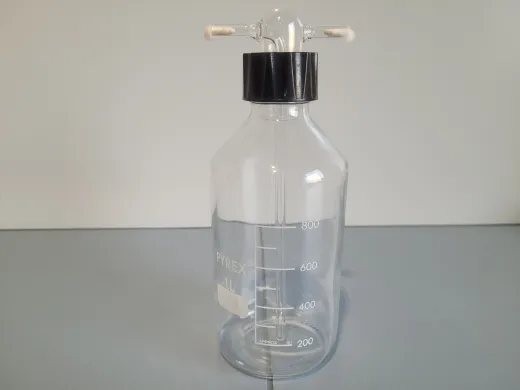
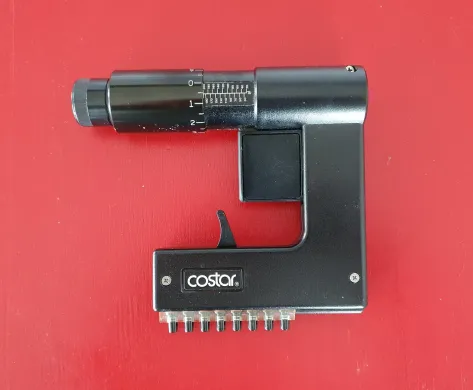
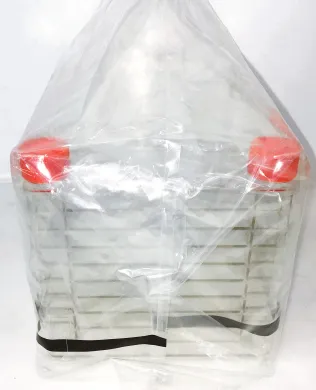
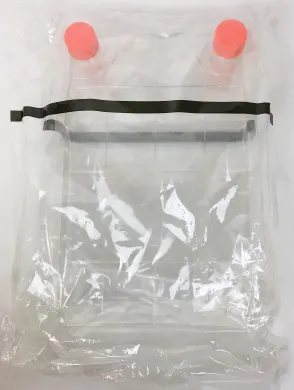


Not the exact instrument you need?
Tell our scientists what you are after. We track it down, including off-market supply.
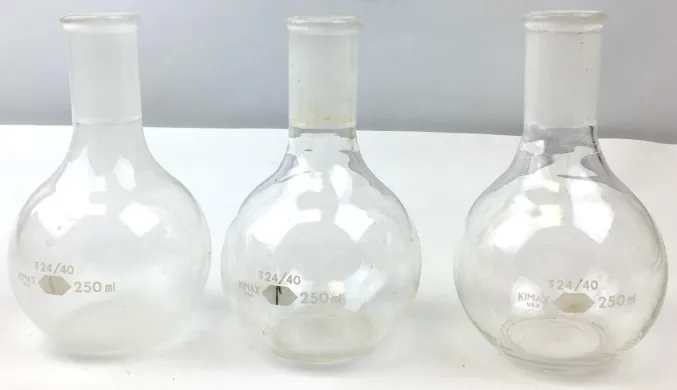
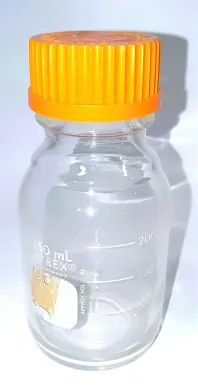
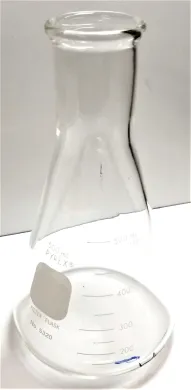
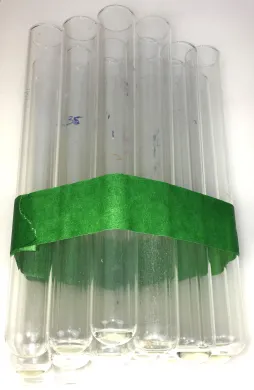
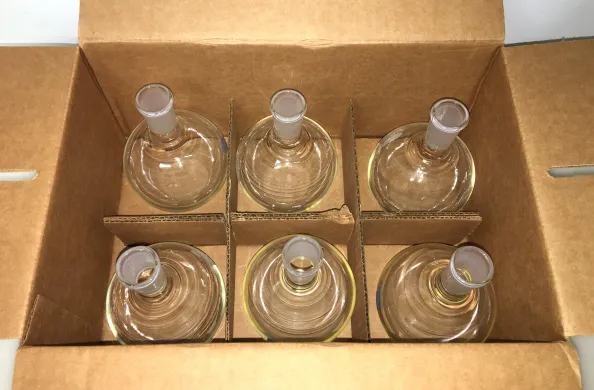
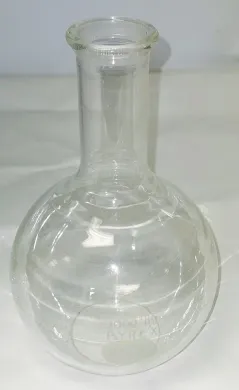
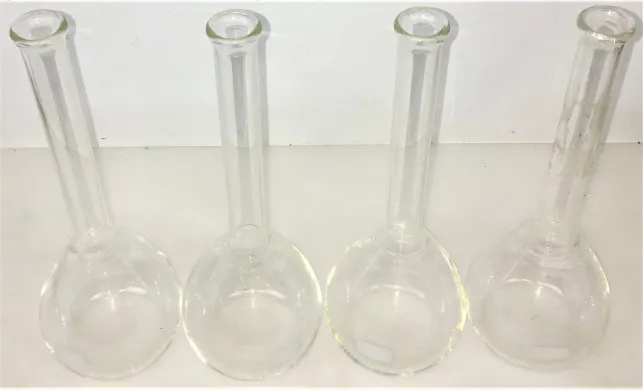
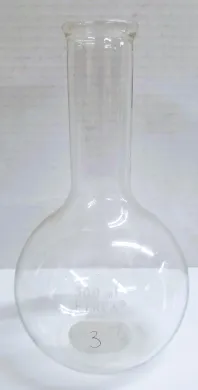
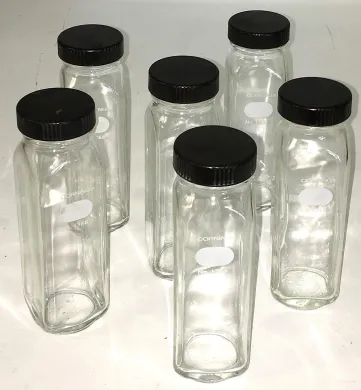
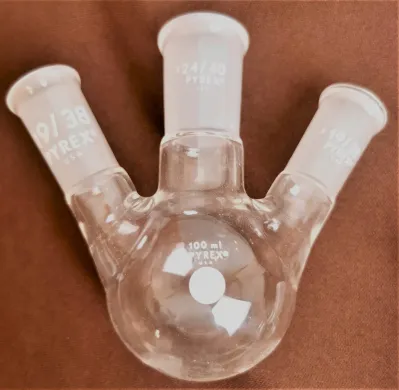
Not the exact instrument you need?
Tell our scientists what you are after. We track it down, including off-market supply.
Showing 1–40 of 214 listings
Show 40 more listingsAbout Corning
Corning is an American specialty glass, ceramics, and materials science manufacturer with a life sciences segment that produces laboratory consumables and equipment. The company began in 1851, when Amory Houghton purchased an interest in Bay State Glass Company in Somerville, Massachusetts. It incorporated as Corning Glass Works in 1875 and adopted the name Corning Incorporated in 1989. The business is headquartered in Corning, New York, and trades as an independent public company on the NYSE under the ticker GLW, with no controlling shareholder. Its laboratory portfolio spans cell culture consumables, bioprocess containers, liquid handling plastics, general labware, specialty glass labware, genomics and drug discovery tools, and microbiology supplies. These products are marketed under four names, Corning, Falcon, PYREX, and Axygen.
Corning, Falcon, PYREX, and Axygen product lines
The four product lines divide the laboratory catalogue along clear lines. Corning-branded labware covers cell culture flasks, dishes, and multiwell plates, the surface-treated vessels that mammalian cell culture depends on, along with bioprocess containers used in biomanufacturing and larger-scale cell culture. Falcon is the cell culture plastics and serological pipette line, widely used across molecular biology and cell imaging protocols where a consistent well format and growth surface matter. PYREX is the borosilicate glassware line, the beakers, flasks, and bottles that carry general wet chemistry, sample preparation, and formulation work. Axygen supplies the molecular biology disposables: pipette tips, PCR tubes, and microplates that feed genomics, molecular diagnostics, and protein purification workflows, where low-retention surfaces and tight tolerances affect yield.
Across these lines the equipment class is consumable rather than instrument, which shapes how a buyer reads the range. A single order is often a case or a lot rather than one item, and the relevant specification is format, surface treatment, and sterility rather than a performance figure. The Falcon and Corning surfaces used in cell culture are a de facto standard in many labs, which is why a researcher reordering a discontinued plate format benefits from a secondhand catalogue that still carries it.
What a Corning search returns on Questpair
A Corning search on Questpair returns 537 listings from 12 verified suppliers and distributors across 7 countries. The catalogue mixes all four product lines, so a single view can hold Falcon cell culture plates, PYREX glassware, and Axygen tips alongside Corning-branded consumables. 96 percent of these listings are used. Prices run from EUR 1 to EUR 15.000, and the average listing sits at EUR 272. That spread is wide because the catalogue combines low-cost individual items with larger lots and specialty glass.
For a buyer, the brand page works as an entry point rather than a final answer. It confirms which product lines are represented and gives a sense of the condition and price range, but the decision happens in the individual listing, where format, quantity, packaging, and condition are recorded. Where documentation is needed for a specific item, a buyer can contact Questpair and specialists respond within the hour. Where a warranty is relevant, that is arranged in consultation for the specific listing. Parts, where applicable to equipment rather than consumables, can be sourced via Questpair. Because the Corning range is weighted toward used consumables, the practical workflow is to shortlist listings by product line and format first, then confirm sterility and expiry on the entries that fit the protocol in hand.
Questpair review of Corning
Our take based on listings data and supplier feedback
Corning occupies an unusual position in laboratory supply, because the brand reaches a researcher through consumables rather than through a single flagship instrument. The 537 listings on Questpair reflect that pattern: the catalogue is dominated by plasticware and glassware that a lab reorders in volume, not by capital equipment bought once a decade. For a buyer, that changes how the brand is evaluated. The question is less about a specification sheet and more about whether the product line, the format, and the condition match an existing protocol.
The first benefit, breadth, is visible in the spread of the catalogue. Corning cell culture consumables, bioprocess containers, and liquid handling plastics all appear under one brand search, drawn from 12 verified suppliers and distributors in 7 countries. This matters for cell culture work, where a lab standardises on a surface treatment and a plate format and then wants every subsequent order to match. Corning flasks and multiwell plates are a common standard in mammalian cell culture, and the depth of listings here means a buyer sourcing a discontinued or hard-to-find format has a realistic chance of finding it secondhand rather than waiting on a new order.
The second benefit concerns pricing and condition. 96 percent of the listings are used. Prices run from EUR 1 to EUR 15.000. That range is wide because the catalogue mixes single low-cost items with larger lots and specialty glass, and the average listing sits at EUR 272. For a procurement manager, the used share is the salient figure: consumables bought as surplus or overstock carry a lower entry point than new equivalents, and for many labware items the condition question is simpler than it would be for an instrument. A buyer still checks sterility, packaging, and expiry where those apply, and the individual listing is where that detail lives.
The third benefit is the consolidation of four product lines under one brand. A Corning search on Questpair returns Corning-branded labware alongside Falcon, PYREX, and Axygen. Falcon covers cell culture plastics and serological pipettes used across molecular biology and cell imaging workflows. PYREX is the borosilicate glassware line, used for general wet chemistry and sample preparation. Axygen supplies pipette tips, PCR tubes, and microplates for genomics and molecular diagnostics. A researcher who works across several of these lines can source them in a single catalogue view rather than tracking four separate suppliers.
Where the brand is harder to assess is in the heterogeneity of the listings themselves. A catalogue that runs from a single pipette tip rack to a EUR 15.000 lot is not one a buyer can skim at the brand level; the real evaluation happens listing by listing. The brand page is useful as an entry point and as a way to confirm that a given product line is represented, but the decision rests on format, quantity, and condition in each specific entry. For a lab that already runs Corning or Falcon consumables, that is a manageable trade, and the secondhand depth is the clear draw.
**Breadth across cell culture consumables**
The Questpair catalogue carries 537 Corning listings spanning flasks, plates, dishes, and bioprocess containers from 12 verified suppliers and distributors.
**Used stock dominates the pricing**
96 percent of the listings are used, which sits well below the entry point for new consumables from the same maker.
**Falcon, PYREX, and Axygen under one search**
A single Corning search returns four established product lines, from Falcon cell culture plastics to PYREX glassware and Axygen liquid handling.
Frequently asked questions
Where can I find manuals and documentation for Corning labware?
Documentation requests go through Questpair, where specialists respond within one hour. Since the catalogue spans multiple lines and formats, it helps to have the exact product name or listing on hand when you ask.
How much does Corning equipment cost on Questpair?
Listings range from EUR 1 to EUR 15.000, with an average around EUR 272. The low end reflects individual small consumables, while the high end covers sealed cases or larger bioprocess containers, so the quantity in a listing explains most of the difference.
What is the difference between refurbished and used Corning items?
Both used and refurbished items are listed below the price of new ones. For sterile single-use plastics the packaging state on the individual listing matters most, so read that detail before buying rather than relying on the label alone.
Does Corning equipment come with a warranty?
A warranty is often possible and is arranged in consultation for the specific listing. Questpair does not set warranty terms centrally, so the applicable terms depend on the item and supplier.
Is Corning suitable for clinical and research work?
Corning's life sciences lines cover cell culture consumables, bioprocess containers, molecular biology plastics, and borosilicate glassware used across research and clinical sample handling. For assay-specific needs such as low-binding or filtered tips, confirm the specification on the listing, since those variants are not implied by the line name.
How long do Corning products last?
Borosilicate PYREX glassware is durable and reusable through repeated heating, autoclaving, and solvent exposure. The plastic consumables under Corning, Falcon, and Axygen are typically single-use sterile items, so their useful life ends with the intended application rather than through wear.
Can I get spare parts for Corning equipment?
Parts can be sourced via Questpair. For consumables the practical equivalent is matching the same format or catalogue item from one of the listed suppliers.
What are the alternatives to Corning for lab consumables?
For a lab that has validated a protocol on a specific Corning or Falcon surface, the closest match is usually the same format rather than a switch to another brand mid-project. Within Corning itself, Falcon overlaps with Corning on several cell culture formats, so a single search returns comparable items under both names.
What is the lead time for Corning orders?
Lead time depends on the individual supplier and whether the item is in stock. The 537 items come from 12 verified suppliers and distributors, which often gives more than one source for a common format.
What is the difference between parts and spares for Corning items?
In practice the terms overlap: both refer to replacement components or matching consumables for an existing setup. Both can be sourced via Questpair.
Does Corning ship internationally?
Corning items on Questpair are listed by verified suppliers and distributors across 7 countries. Shipping scope depends on the individual supplier, so check the listing for its location and terms.
What product lines does Corning have and how do they differ?
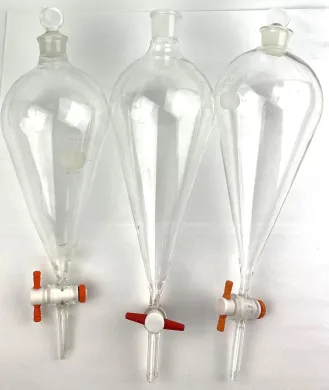
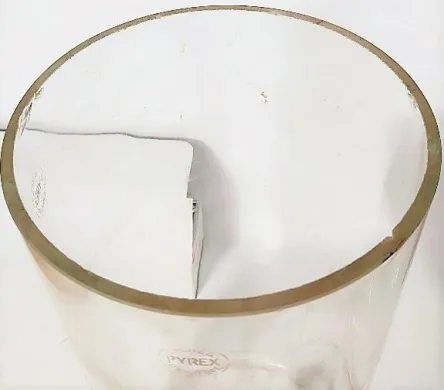
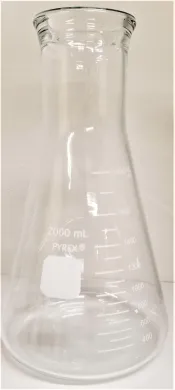
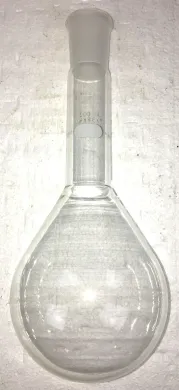
Corning-branded plasticware centres on cell culture flasks, dishes, and multiwell plates, plus bioprocess containers; Falcon covers tubes, serological pipettes, cell strainers, and plates with overlap on cell culture formats. PYREX is the borosilicate glass line for beakers, flasks, and bottles, and Axygen supplies molecular biology consumables such as pipette tips, microtubes, and PCR plates and tubes.
Which Corning instrument types are listed here and in what condition?
Alongside the consumables, the listed instrument types include mini centrifuges, benchtop centrifuges, magnetic stirrers, microcentrifuges, and laboratory hot plates, together with laboratory glassware. Of all listings, 96 percent are used and the rest are new; for durable glassware the condition split matters little, while for sterile plastics the packaging state on each listing is the thing to check.
What separates the cheapest Corning listings from the most expensive?
Quantity drives most of the gap: single small consumables sit at the low end near EUR 1, while sealed cases and larger bioprocess containers reach EUR 15.000. Condition plays a smaller role, since used and refurbished items are priced below new.
About Questpair
Questpair is the European marketplace for lab equipment, where AI-prepared cases and personal specialists guide every purchase. We work with 247 verified suppliers across 38 countries to find buyers the right new, used or refurbished instruments, with response within 1 hour and significant savings vs buying new.
Personal · Fast · Reliable · Affordable