
Cannon Instrument Company equipment
We personally find you the right new, used & refurbished Cannon Instrument Company instruments & equipment from verified suppliers
Cannon Instrument Company is an American viscosity testing and laboratory instrument manufacturer founded in 1938 by Penn State University scientist Dr. Michael R. Cannon, who developed the Cannon-Fenske Routine Viscometer from his petroleum research. Based in State College, Pennsylvania, the company produces viscometers and viscometry instruments, constant temperature baths, rheometers, flash point testers, densitometers, and viscosity and density reference standards. Its product lines include the CAV automated viscometer series, the miniPV and minAV analysers, and the CCS Cold Cranking Simulator. On Questpair, Cannon viscometers and related instruments are listed by 3 verified suppliers and distributors across 2 countries.
Updated:
Cannon Instrument Company product list

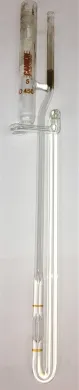
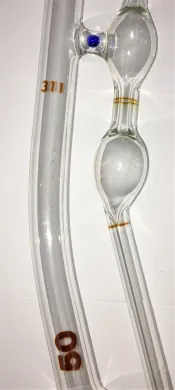
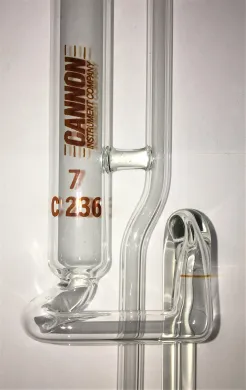
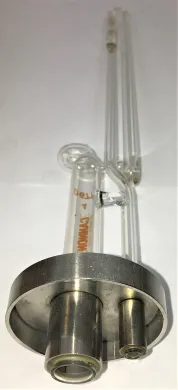


Not the exact instrument you need?
Tell our scientists what you are after. We track it down, including off-market supply.
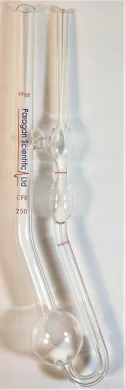
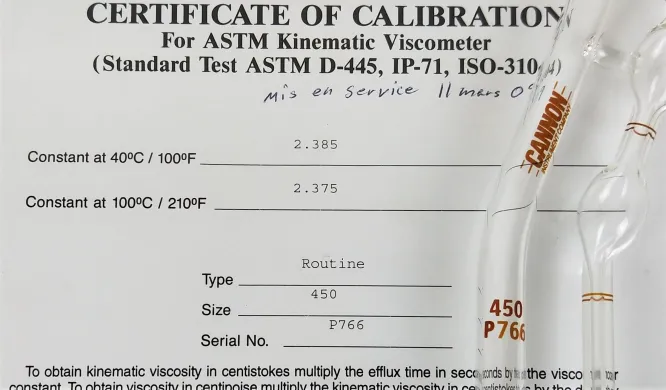
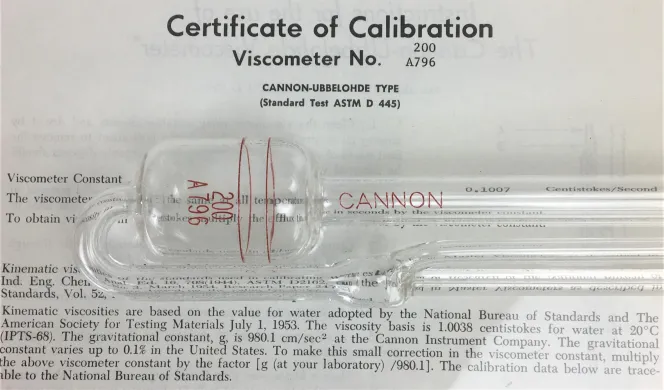
About Cannon Instrument Company
Cannon Instrument Company is an American manufacturer of viscosity testing and laboratory instruments, founded in 1938 in State College, Pennsylvania. The company was started by Dr. Michael R. Cannon, a Penn State University scientist and educator, who developed the Cannon-Fenske Routine Viscometer out of petroleum research carried out with his colleague Dr. Walter Fenske. That origin set the company's direction, and viscometry has remained its central field. Its product range covers viscometers, constant temperature baths, rheometers, physical property testers, flash point testers, densitometers, distillation testers, and viscosity and density reference standards. The firm remains headquartered in its founding city. On Questpair, Cannon instruments are listed by verified suppliers and distributors across 2 countries.
Cannon viscometer and viscometry product lines
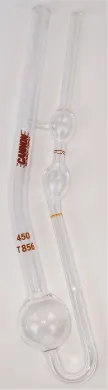
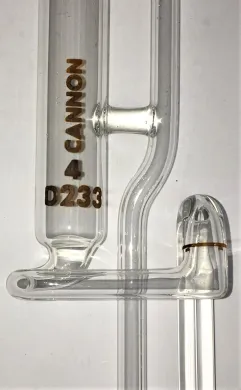
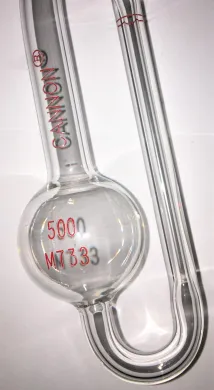
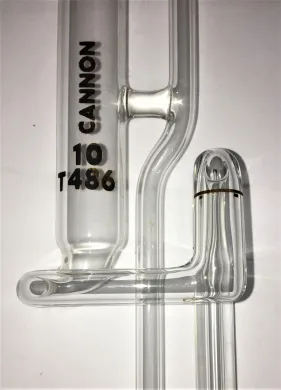
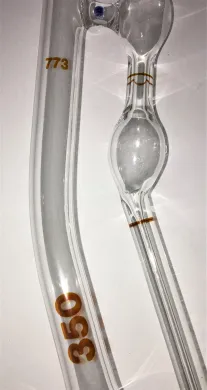
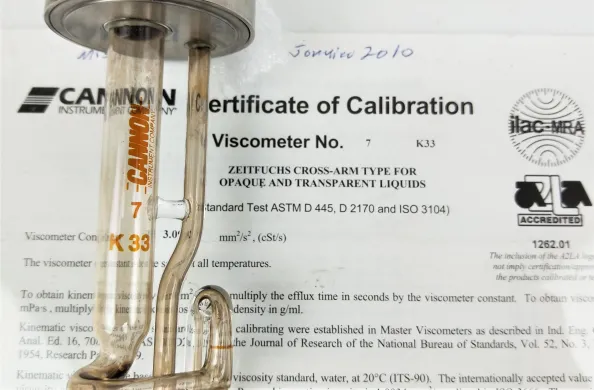
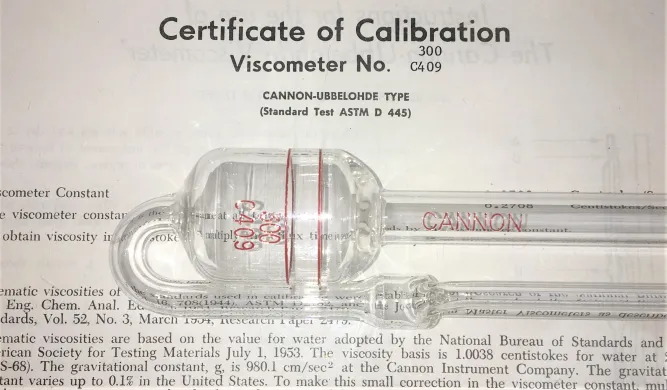
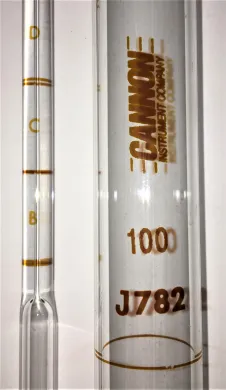
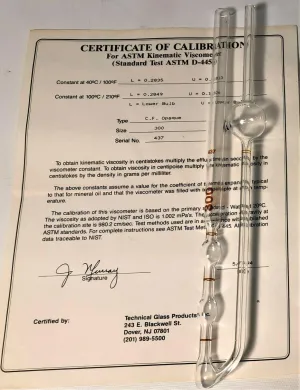
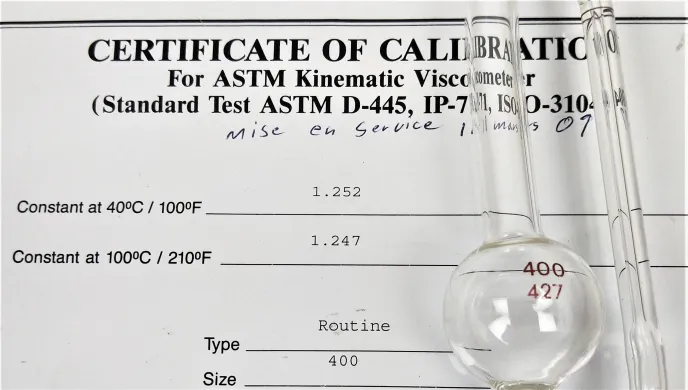
The product lines run from the original glass capillary design to fully automated benches. The Cannon-Fenske Routine Viscometer is the classic manual instrument, a calibrated glass tube that measures kinematic viscosity by gravity flow. The automated side is built around the CAV series, the Cannon Automated Viscometer, with the miniPV and minAV lines offering smaller-footprint automated analysers. The CCS, or Cold Cranking Simulator, measures apparent viscosity at low temperature, a test closely tied to engine oil specification. The CT-500 and CT-1000 constant temperature baths provide the stable thermal environment that capillary measurement depends on, since viscosity readings are only reproducible when temperature is held precisely.
Viscometry is the measurement of how a fluid resists flow, and Cannon's instruments serve it across petroleum, lubricant, polymer, and pharmaceutical work. Where the catalogue carries rheometers, those extend the measurement to fluids whose flow behaviour changes with applied force, which is the province of rheology. The densitometers and density reference standards address a related physical property, and the flash point and distillation testers cover the wider set of physical property tests that fuel and lubricant laboratories run alongside viscosity.
Viscosity testing in life sciences and biotechnology
Viscosity measurement reaches into biotechnology and the life sciences, and several of these instrument classes are also used for that work. Biologic drug formulation relies on viscosity testing of protein solutions, because a high-concentration antibody formulation must stay injectable through a fine needle, and the viscosity of a monoclonal antibody solution is a formulation parameter that development teams track directly. Capillary and automated viscometers both serve this, and rheology characterises the flow behaviour of hydrogels, cell culture media, and other complex biological fluids. Density and physical property measurement supports formulation and quality control across bioprocessing and biomanufacturing, where a released batch must meet defined physical specifications. These applications sit beside the company's longer-standing petroleum and lubricant work rather than replacing it.
On Questpair
The Questpair catalogue for Cannon brings together the instruments and the standards that calibrate them. Prices run from EUR 31 to EUR 2.229. The condition split shows new and used units side by side: 35 percent of the listings are used. New and used or refurbished units are listed at lower prices than new, so a buyer choosing between them is weighing price against condition, and the individual listing is where to confirm the detail. Where a warranty matters, it is arranged in consultation for the specific listing. Documentation can be requested through Questpair, where specialists respond within the hour, and parts for a Cannon instrument can be sourced the same way. Buyers comparing conditions or looking for a matching reference standard will find both the analysers and the certified fluids in one catalogue.
Questpair review of Cannon Instrument Company
Our take based on listings data and supplier feedback
Cannon Instrument Company occupies a specific position in laboratory equipment: it is a viscometry house first, and the catalogue on Questpair shows that specialisation rather than a broad general-purpose range. The oldest name in the line, the Cannon-Fenske Routine Viscometer, is a glass capillary tube that measures kinematic viscosity by timing how long a fluid takes to flow through a calibrated section under gravity. That instrument dates from the company's founding and is still in use, which tells a buyer something about how settled this corner of measurement is. Against it sit the automated analysers, the CAV series and the miniPV and minAV lines, which run the same measurement principle under electronic timing and temperature control. Both appear in the Questpair listings, and the span between a manual glass tube and an automated bench analyser is a large part of what the catalogue covers.
That span is visible in the pricing. Across the Cannon listings, prices run from EUR 31 to EUR 2.229. The lower figure reflects the glassware and accessory end of the range, where a routine viscometer tube or a reference standard sits; the upper figure reflects the automated and instrumented systems. A buyer weighing the two ends is weighing two different ways of working: the manual method costs less to acquire and depends on an operator with a stopwatch and a constant temperature bath, while the automated method moves the timing and the temperature control into the instrument itself. The CT-500 and CT-1000 constant temperature baths, which also appear in the primary categories, are the piece that makes manual capillary viscometry reproducible, since kinematic viscosity is strongly temperature dependent.
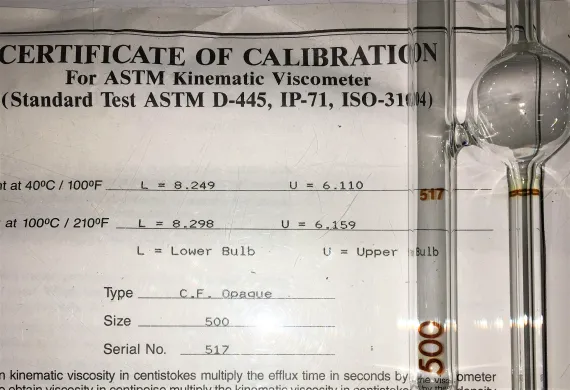
The reference standards deserve separate attention because they are not instruments at all. Cannon viscosity and density reference standards are certified fluids of known value, used to calibrate a viscometer and to verify that it still reads true. A laboratory that buys a used Cannon viscometer and no standard has an instrument it cannot trust; the two go together. Finding both in one catalogue is the practical case for a specialist source over a general equipment listing.
On condition, the Cannon catalogue splits between new and used. 35 percent of the listings are used. For capillary glassware the distinction matters less than for the automated systems, since a glass viscometer either holds its calibrated dimensions or it does not, and a certificate settles the question. For an automated analyser a used unit is worth checking against a reference standard before it goes into routine work, which is where the standards in the same catalogue earn their place. Where a warranty is a concern, that is arranged in consultation for the specific listing rather than set centrally, so the individual listing is where a buyer confirms it. Parts can be sourced via Questpair when a used instrument needs them.

**Viscometry depth across the full range**
Cannon Instrument Company has built viscometers since 1938, and the Questpair catalogue reflects that range, from Cannon-Fenske glass tubes to CAV automated analysers, listed by 3 verified suppliers and distributors.
**Reference standards alongside the instruments**
The catalogue carries Cannon viscosity and density reference standards, the certified fluids laboratories use to calibrate and verify their own measurements, not only the testing equipment itself.
**New and used in one place**
Of the Cannon listings on Questpair, 35 percent of the listings are used, with the remainder giving buyers a direct choice between conditions at a single source.
Frequently asked questions
Where can I get a manual or documentation for a Cannon viscometer?
Documentation for a Cannon instrument can be requested through Questpair, and specialists respond within an hour. Specify the model or series you have so the correct material can be matched.
How much does Cannon equipment cost?
Across the Cannon listings on Questpair, prices range from EUR 31 to EUR 2.229, with an average of EUR 166. A simple Cannon-Fenske glass tube sits far below an automated CAV bench, so the model and its condition drive where a listing falls in that range.
What is the difference between refurbished and used Cannon instruments?
Both are offered below the price of new units. The practical difference between a listing marked used and one marked refurbished is described on the individual listing, so check the specific entry for what was done to the instrument before sale.
Is there a warranty on Cannon instruments bought through Questpair?
A warranty is often possible and is arranged in consultation for the specific listing. Terms are not set centrally, so confirm them against the listing you are considering.
Are Cannon viscometers suitable for clinical and research work?
Cannon viscometers and automated analysers are used in petroleum, lubricant, polymer, and pharmaceutical settings, including viscosity testing of protein and high-concentration antibody formulations. For a given research or quality-control task, match the instrument class to the fluid and the standard you run against; the listing states the model so you can confirm its specification.
How long does a Cannon viscometer last?
Glass capillary viscometers such as the Cannon-Fenske are simple instruments with no moving parts and can stay in service for many years if handled and cleaned carefully. Automated benches like the CAV depend on pumps, valves, and electronics, so their service life is tied to maintenance and the availability of replacement parts.
Can I still get parts for a Cannon instrument?
Parts for a Cannon instrument can be sourced through Questpair. Give the model and the component you need so the request can be matched to the right supplier.
What are the alternatives to a Cannon viscometer?
The alternative depends on the measurement. For kinematic viscosity by gravity flow, other calibrated glass capillary viscometers cover the same test; for automated throughput, benchtop analysers from other makers compete with the CAV, miniPV, and minAV; for low-temperature apparent viscosity, the CCS Cold Cranking Simulator addresses a specific engine-oil test. The Questpair catalogue lists what is available across suppliers.
What is the lead time on a Cannon instrument?
Lead time depends on the individual listing and the supplier holding the item, since stock and location vary. The listing shows the condition and seller, and Questpair specialists can confirm availability within an hour.
What is the difference between parts and spares when ordering?
In practice the terms overlap: a part is any replacement component, and spares are the same components held ahead of a failure. Both are sourced through Questpair by naming the model and the component, whether you need one now or want to stock ahead.
Does Cannon equipment ship internationally?
Cannon instruments are listed by verified suppliers and distributors across 2 countries, so cross-border shipping is common. The specific shipping terms depend on the supplier behind the listing.
What are Cannon's product lines and how do they differ?
The Cannon-Fenske Routine Viscometer is the manual glass capillary design that measures kinematic viscosity by gravity flow. The CAV series is the automated viscometer bench, with miniPV and minAV offering smaller-footprint automated analysers, the CCS Cold Cranking Simulator measures apparent viscosity at low temperature, and the CT-500 and CT-1000 constant temperature baths hold the thermal stability that capillary readings require.
Which Cannon instrument types are listed on Questpair and in what condition?
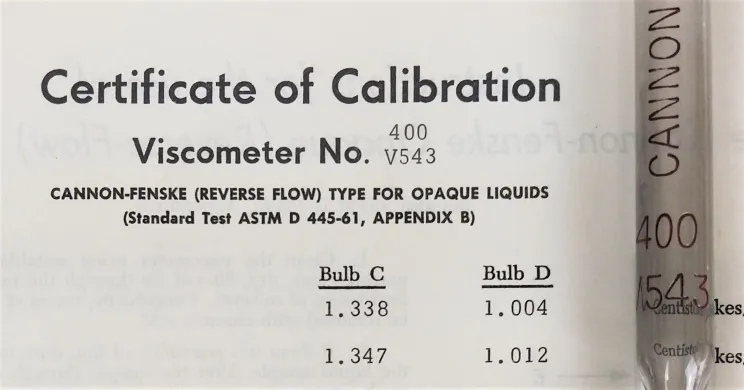
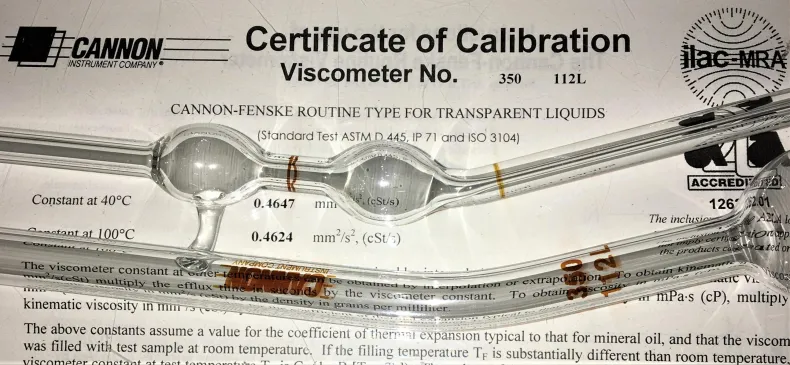
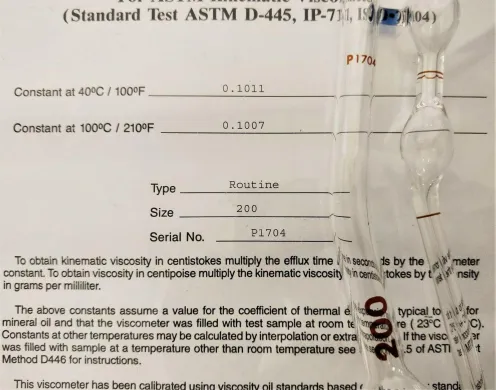
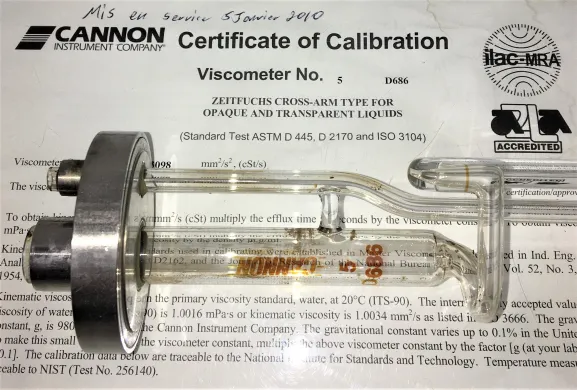
The Cannon listings centre on viscometer tubes: viscometer tube, kinematic viscometer, kinematic viscometer tube, routine viscometer tube, certified viscometer tube, and cross-arm viscometer. The condition split runs across new and used units, with 35 percent of the listings used; each listing states its own condition.
What separates the cheapest Cannon listings from the most expensive?
The lower end is held by individual glass capillary tubes such as routine and certified viscometer tubes, which are consumable items with no electronics. The upper end is set by automated systems like the CAV benches and the CCS, which carry pumps, temperature control, and instrumentation; condition, whether new or used, shifts a listing within that spread.
About Questpair
Questpair is the European marketplace for lab equipment, where AI-prepared cases and personal specialists guide every purchase. We work with 247 verified suppliers across 38 countries to find buyers the right new, used or refurbished instruments, with response within 1 hour and significant savings vs buying new.
Personal · Fast · Reliable · Affordable