
Branson Ultrasonics equipment
We personally find you the right new, used & refurbished Branson Ultrasonics instruments & equipment from verified suppliers
Branson Ultrasonics is an American ultrasonic equipment manufacturer specializing in plastics joining, metal welding, precision cleaning, and liquid processing. The company was founded in 1946 by Norman G. Branson, a research engineer from General Electric, and has been part of Emerson Electric since 1984. Its product lines include the Sonifier range of cell disruptors and homogenizers and the Bransonic range of ultrasonic cleaning baths, alongside ultrasonic welding and liquid processing equipment. On Questpair, 184 Branson listings are available from 13 verified suppliers and distributors across 7 countries.
Updated:
Branson Ultrasonics product list


Not the exact instrument you need?
Tell our scientists what you are after. We track it down, including off-market supply.
Not the exact instrument you need?
Tell our scientists what you are after. We track it down, including off-market supply.
Showing 1–40 of 108 listings
Show 40 more listingsAbout Branson Ultrasonics
Branson Ultrasonics is an American ultrasonic equipment manufacturer founded in 1946 by Norman G. Branson, a research engineer from General Electric, to commercialize ultrasonic energy for industrial and cleaning applications. The company is headquartered in the United States and has been part of Emerson Electric since its acquisition in 1984. Branson manufactures across four areas: ultrasonic cleaners, cell disruptors and homogenizers, ultrasonic welding equipment, and liquid processing equipment. Within life sciences, the Sonifier line of cell disruptors and homogenizers does cell lysis in molecular biology, breaking open cells to release proteins and nucleic acids for downstream work. Sonifier probe sonication is applied to protein purification and to the fragmentation of DNA ahead of genomics and proteomics workflows, and the same probe energy drives emulsification and nanoparticle dispersion in sample preparation. The Bransonic cleaning baths handle precision cleaning of labware and instrument parts, also used for degassing solvents before chromatography. Together these lines place Branson at the point where a physical process, high-frequency acoustic energy, feeds directly into cell culture lysate preparation and immunoassay sample handling.
Branson product lines on Questpair
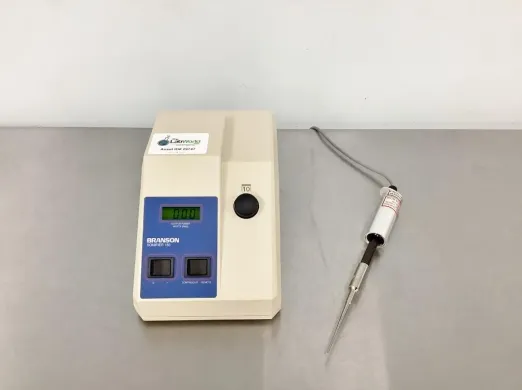
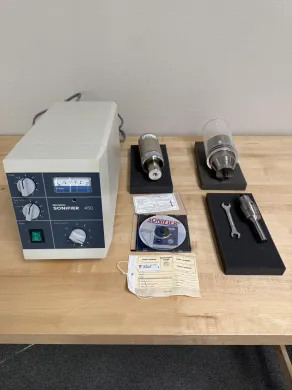
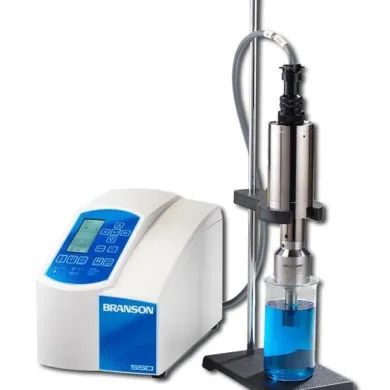
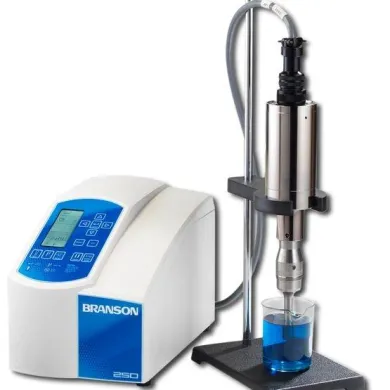
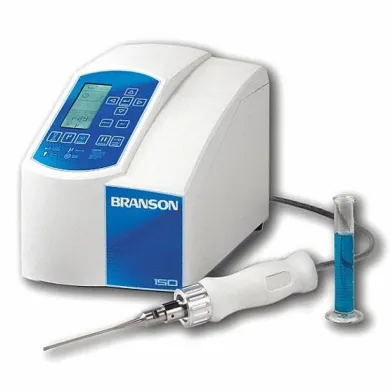
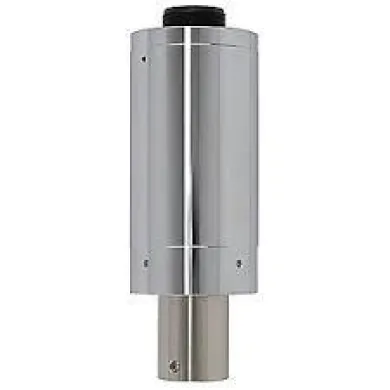
The two lines that matter most to a laboratory buyer are the Sonifier and the Bransonic. The Sonifier range covers probe-type cell disruptors and homogenizers, the instruments a molecular biology lab reaches for when a protocol calls for cell lysis, DNA shearing, or the dispersion of a suspension. These are power instruments: the mainframe drives a converter and a replaceable horn, and the horn is the consumable that wears. On a used Sonifier the horn or microtip condition is the specification to confirm, since it governs both the delivered power and the sterility of the sample contact surface.
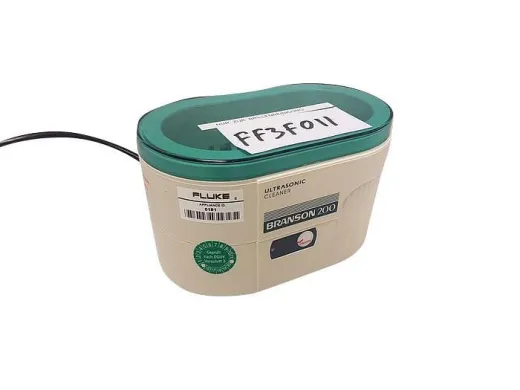
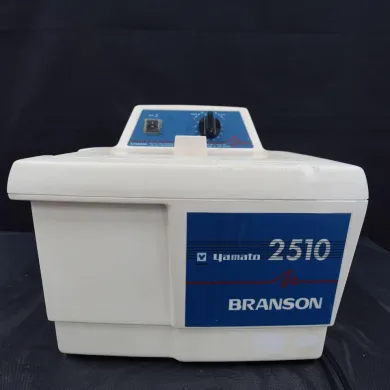
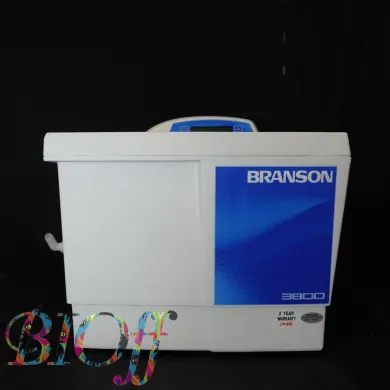
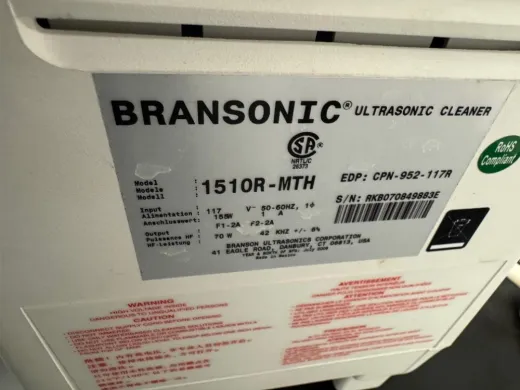
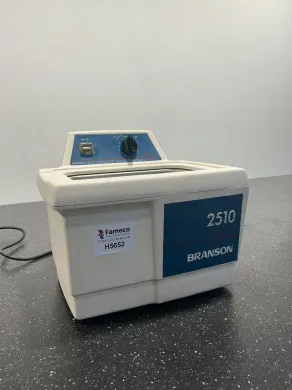
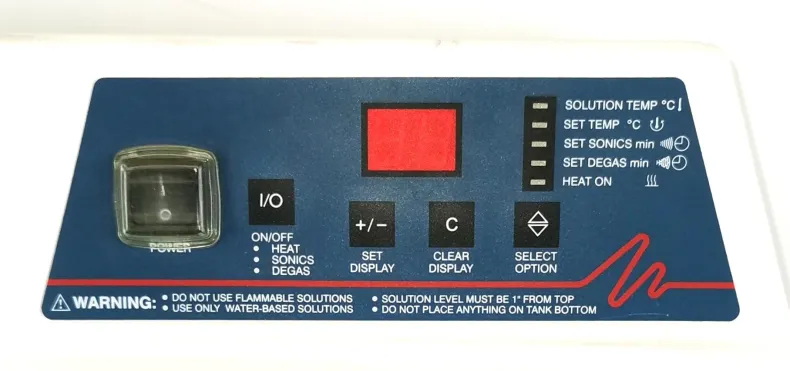
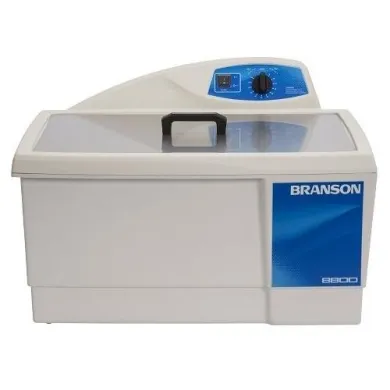
The Bransonic range covers ultrasonic cleaning baths, listed in the catalogue as the CPX and M Series. These tanks clean labware, glass frits, and small metal parts through cavitation, and they are also used for degassing mobile phases and dissolving reagents. The CPX models add programmable timing and temperature control that suit a repeatable cleaning protocol, while the M Series covers simpler fixed-function cleaning. Tank volume and heater capacity are the variables to match to the work, and both are stated at the listing level.
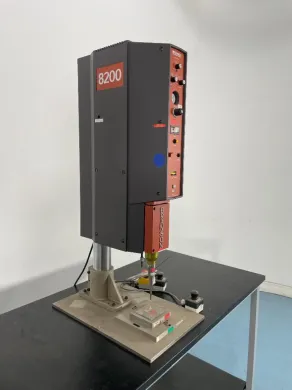
Beyond these, Branson's ultrasonic welding equipment and liquid processing systems appear in the catalogue at the higher-power end. These serve plastics joining and continuous liquid processing rather than bench biology, and a buyer searching for a cell disruptor should filter by line to avoid mixing the two categories.
Branson equipment on Questpair
The Questpair catalogue lists 184 Branson items from 13 verified suppliers and distributors across 7 countries. Prices range from EUR 67 to EUR 8.609, with an average near EUR 1.160. 60 percent of the listings are used. That spread reflects the width of the Branson range more than anything else, since a compact Bransonic bath and a large liquid processing system belong to different price classes by design.
A practical path through the catalogue is to decide the product line first. A buyer who needs cell lysis filters to the Sonifier line and reads probe condition and power rating; a buyer who needs parts cleaning or solvent degassing filters to the Bransonic baths and reads tank volume. Condition and price follow from there. Where a used unit needs a replacement horn, tip, or bath component, parts can be sourced via Questpair, which keeps an older instrument in service without going outside the marketplace. Warranty is often possible and is arranged in consultation for the specific listing, so condition questions on a used Sonifier are settled per unit rather than by a general rule. For documentation on a particular model, buyers can contact Questpair and specialists respond within one hour.
Questpair review of Branson Ultrasonics
Our take based on listings data and supplier feedback
Branson occupies an unusual position in a laboratory procurement list, because the same brand name covers industrial welding presses and benchtop instruments that sit next to a cell biology bench. For a lab buyer, the useful distinction is between the Sonifier line and the Bransonic line, and the Questpair catalogue holds both in enough depth to compare rather than guess.
The first benefit, having Sonifier disruptors and Bransonic baths on one marketplace, is worth stating plainly because these two product families serve different work. A Sonifier is a probe-based cell disruptor used to lyse cells and shear nucleic acids in molecular biology; a Bransonic is a cleaning tank. Buyers who need one often eventually need the other, and sourcing them from a single pool of 13 suppliers removes the overhead of qualifying separate vendors. The catalogue lists both the CPX and M Series within the Bransonic range, which lets a buyer match tank volume and heater options to a specific cleaning protocol instead of settling for whatever a single dealer stocks.
The second benefit, used units priced below new, carries real weight for this class of equipment. With 60 percent of the listings used, a lab that treats an ultrasonic disruptor as shared infrastructure rather than a dedicated instrument can acquire a working unit well under new pricing. The point to check at the listing level is the probe or horn condition on a Sonifier, since that is the consumable component; a used mainframe with a replaceable tip is a different proposition from a used probe. Questpair arranges warranty in consultation for the specific listing, so the condition question is resolved per unit rather than by a blanket policy.
The third benefit, the price range, is the clearest signal of how wide the Branson catalogue runs. Listings span from EUR 67 to EUR 8.609, with an average around EUR 1.160. The low end is populated by compact Bransonic baths suitable for glassware and small-parts cleaning; the high end reflects larger liquid processing systems and welding equipment that carry far more power and tooling. A buyer scanning this range should read price as a proxy for category, not for condition, because a small new bath and a large used processor can sit at opposite ends for reasons that have nothing to do with age.
What the catalogue does not resolve on its own is the match between a Sonifier model and the sample volume a protocol demands, since horn selection and duty cycle govern that. For a procurement decision, the practical approach is to filter by product line first, then by condition, then confirm probe or tank specifics against the individual listing. Parts can be sourced via Questpair where a used unit needs a replacement component, which keeps an older Sonifier serviceable without leaving the marketplace.
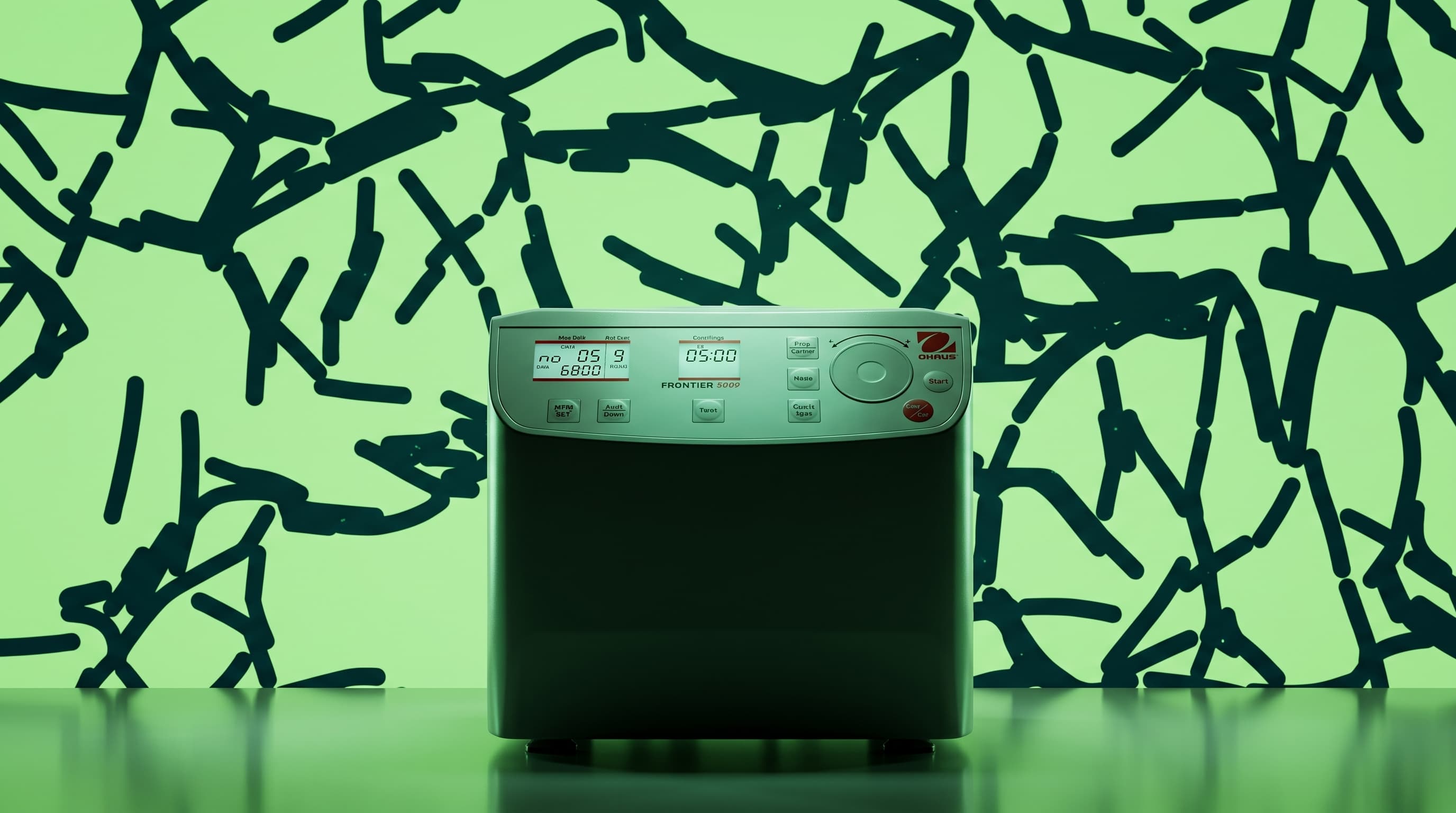
**Broad Sonifier and Bransonic selection on one marketplace**
Across 13 verified suppliers and distributors, the Questpair catalogue brings Sonifier cell disruptors and Bransonic cleaning baths together in 184 listings, so a lab can compare models without approaching separate sellers.
**Used units priced below new**
With 60 percent of the listings used, buyers can source a working Branson ultrasonic unit at a lower price point than new equipment, which matters when a cell disruptor is a shared bench resource rather than a dedicated instrument.
**Price range spanning benchtop baths to high-power processors**
Listings run from EUR 67 to EUR 8.609, covering compact Bransonic baths at the low end and larger liquid processing and welding equipment at the high end.
Frequently asked questions
Where can I find manuals and documentation for Branson equipment?
Documentation requests go through Questpair, where specialists respond within one hour. Give the model number and series, such as a Sonifier cell disruptor or a Bransonic CPX bath, so the right paperwork can be matched to your unit.
How much does Branson equipment cost?
Across the Questpair listings, prices run from EUR 67 to EUR 8.609, with an average near EUR 1.160. A compact Bransonic cleaning bath sits at the lower end, while a configured Sonifier with its probe and converter sits higher.
What is the difference between refurbished and used Branson units?
Used units are sold in their existing condition, while refurbished units have been reconditioned before resale. Both are listed below new prices; check the individual listing for what is included, particularly the horn and tip on a Sonifier.
Do Branson units come with a warranty?
A warranty is often possible and is arranged in consultation for the specific listing. Terms are not set centrally, so confirm them against the unit you are considering.
Is Branson equipment suitable for clinical or research use?
Two Branson lines reach a research laboratory directly: the Sonifier cell disruptors for cell lysis, DNA shearing and tissue disruption, and the Bransonic baths for cleaning glassware and degassing solvents. The other lines serve industrial plastics joining and metal welding rather than lab work.
How long does Branson equipment last?
Lifespan depends on use and on the wear parts. On a Sonifier the horn and tip wear with use and define what the instrument can do, so their condition matters more than the age of the converter; on a Bransonic bath the transducer and heater are the components that age.
Can I get replacement parts for Branson equipment?
Parts can be sourced via Questpair. For a Sonifier the common wear items are the horn and tip, and for a Bransonic bath the heater and timer components are the parts that typically need attention.
What are good alternatives to Branson equipment?
What to compare depends on the application. For probe-based cell disruption, other sonicators and ultrasonic homogenizers do the same job and differ in output power and horn geometry; for cleaning, other ultrasonic cleaning baths differ in tank volume and in whether they heat and run timed cycles.
What is the lead time on Branson equipment?
Lead time depends on the individual supplier and whether the unit is in stock, since listings come from 13 verified suppliers and distributors across 7 countries. Contact Questpair with the listing and specialists respond within one hour.
What is the difference between parts and spares for Branson equipment?
In practice the terms are used interchangeably for the same components, such as a Sonifier horn and tip or a Bransonic heater. Parts can be sourced via Questpair; name the model so the component matches your unit.
Do suppliers ship Branson equipment internationally?
Listings come from verified suppliers and distributors across 7 countries, so cross-border shipping is common. Shipping terms are set per listing, so confirm them with the supplier through Questpair.
Which Branson product lines are there and how do they differ?
The Sonifier name covers probe-based cell disruptors and homogenizers, which transmit ultrasonic vibration into a sample through a horn and tip. The Bransonic name covers ultrasonic cleaning baths, including the CPX and M Series, which drive cavitation through a tank of liquid to remove contamination.
Which types of Branson equipment are listed and in what condition?
The catalogue covers ultrasonic cleaners, laboratory cleaning equipment, sample preparation equipment, ultrasonic processors, sonicators and ultrasonic homogenizers. Of the 184 Branson items listed, 60 percent are used, with the remainder new.
What separates the cheapest Branson listings from the most expensive?
The range tracks the two families and their configuration. A compact Bransonic bath with no heat or timer sits at the low end, while a Sonifier supplied with its converter, horn and tip sits toward the high end, where output power and tip selection raise the price.
About Questpair
Questpair is the European marketplace for lab equipment, where AI-prepared cases and personal specialists guide every purchase. We work with 247 verified suppliers across 38 countries to find buyers the right new, used or refurbished instruments, with response within 1 hour and significant savings vs buying new.
Personal · Fast · Reliable · Affordable