
Anton Paar equipment
We personally find you the right used, refurbished & new Anton Paar instruments & equipment from verified suppliers
Anton Paar is an Austrian precision laboratory instrument and process measurement system manufacturer, founded in 1922 by Anton Paar as a one-man locksmith workshop in Graz, Austria. The company produces density meters, rheometers, viscometers, polarimeters, refractometers, microwave digestion and synthesis systems, and particle size analysers, with notable lines including the DMA density meters and the MCR modular compact rheometers. Since 2003 it has been owned by the Santner Foundation, a charitable private foundation, with no external corporate parent. On Questpair, 51 used Anton Paar instruments are listed by 9 verified suppliers and distributors across 6 countries.
Updated:
Anton Paar product list
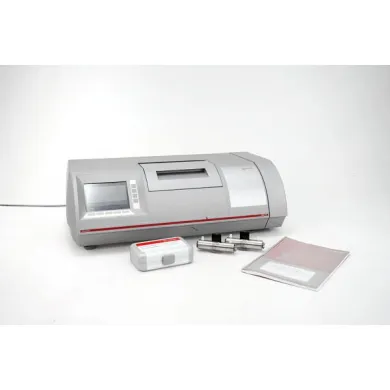
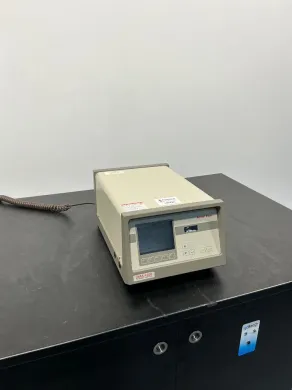
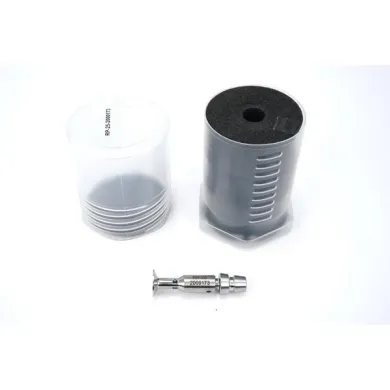
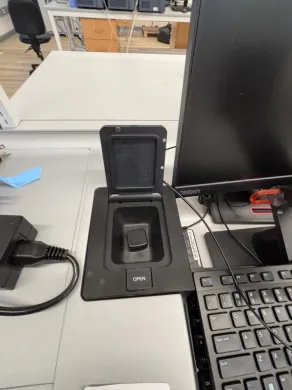
Litesizer 500 Particle Analyzer
- Category
- Particle size analysers
- Brand
- Anton Paar
- Suppliers
- 1 verified


Not the exact instrument you need?
Tell our scientists what you are after. We track it down, including off-market supply.
About Anton Paar
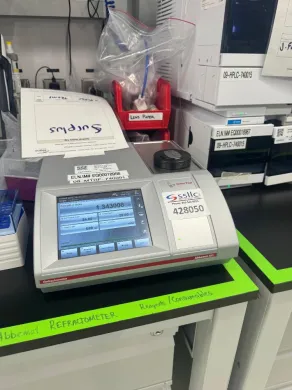
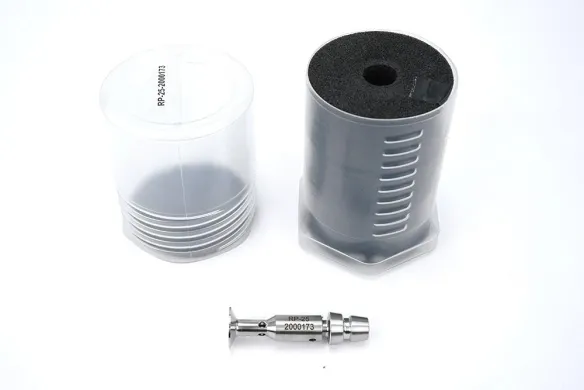
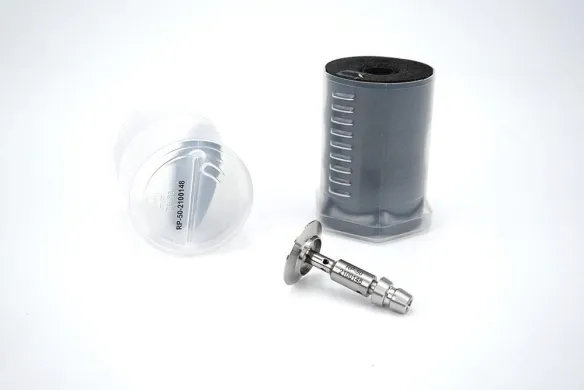
Anton Paar is an Austrian manufacturer of precision laboratory instruments and process measurement systems, based in Graz. The company was founded in 1922 by Anton Paar as a one-man locksmith workshop and developed over the following decades into a high-precision instrument maker. Since 2003 it has been owned by the Santner Foundation, a charitable private foundation, and it has no external corporate parent. Its instruments measure physical properties: density, viscosity, optical rotation, refractive index and particle size, among others. The best-known lines are the DMA density meters and the MCR modular compact rheometers. On Questpair, these instruments are listed used, by verified suppliers and distributors across several European markets.
Anton Paar instrument lines and what they measure
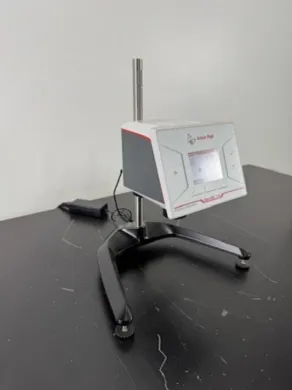
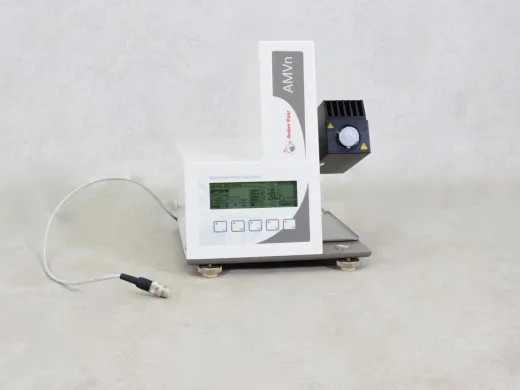
The catalogue is built around named measurement classes rather than one broad category. Density meters, sold under the DMA line, measure the density of liquids by the oscillating U-tube method. Rheometers, the MCR modular compact family and derivatives such as SmartPave and SmartMelt, measure how a material flows and deforms under stress, which is rheology; RheolabQC covers routine quality-control viscometry. Polarimeters, the MCP line, measure optical rotation, and refractometers measure refractive index. Beyond these benchtop classes the company also builds microwave digestion and synthesis systems, particle size analysers such as the Ultrapyc and Autosorb, and diffraction instruments including the XRDynamic for X-ray diffraction. Which of these pass through the Questpair catalogue varies with stock, so the current category pages are the place to check what is listed now.
Several of these classes do work that reaches into biotechnology and the life sciences. Rheometry characterises the flow behaviour of hydrogels, protein formulations and cell-culture media, and the MCR platform is used for the viscoelastic measurement of biomaterials in formulation and bioprocessing work. Density and refractive-index measurement support concentration determination in fermentation and in protein purification, where a density meter reads the sugar or solute content of a broth or buffer. Microwave digestion prepares biological and environmental samples for trace-element analysis, a routine step ahead of elemental work in molecular diagnostics and food-safety laboratories. Particle size and surface-area analysis apply to the characterisation of drug-delivery particles and to the surface properties of chromatography and immunoassay supports. These are application areas the instruments serve, named here because a buyer in those fields is often looking for exactly this class of measurement.
How the Anton Paar listings break down on Questpair
All 51 of the current Anton Paar listings are used instruments; none are new. Listed prices run from EUR 178 to EUR 13.241, with an average of EUR 4.239, a span that reflects the difference between a single-purpose sensor and a full modular rheometer or diffraction platform. The listings come from 9 verified suppliers and distributors in 6 countries, so two offers of the same model may carry different service and calibration histories.
For calibrated instruments of this kind, condition is worth as much attention as model. A density meter or polarimeter is only as good as its last calibration and the state of its measuring cell, so the individual listing, not the headline price, is where a buyer judges a unit. Where a warranty is wanted, it is arranged in consultation for that specific listing, and parts can be sourced via Questpair. Comparisons are most useful within a single line: DMA against DMA, MCR against MCR, weighing configuration, condition and documentation against one another.
Questpair review of Anton Paar
Our take based on listings data and supplier feedback
Anton Paar occupies a defined position in the measurement-instrument market: it builds precision benchtop and process instruments for physical properties such as density, viscosity and optical rotation, rather than a broad analytical catalogue. For a buyer looking at the Questpair listings, that focus shapes what is available and how to read it.
The first thing the catalogue shows is the range of measurement classes from a single maker. The DMA density meters and the MCR modular compact rheometers are the lines most buyers arrive looking for, and both appear among the listings. Alongside them sit viscometers, polarimeters such as the MCP series, and refractometers. For a lab standardising on one supplier across several physical-property measurements, that breadth under one name is the practical draw: a density meter, a rheometer and a polarimeter from the same manufacturer share a service and operating logic that a mixed fleet does not. The listings are drawn from 9 suppliers, so the exact mix of lines present shifts as stock turns over, and a buyer should check the current category pages rather than assume a specific model is listed.
The second point is price spread. Listed prices run from EUR 178 to EUR 13.241, which is a wide band for a single maker and reflects the gap between a simple process sensor and a modular rheometer platform with multiple measuring geometries. The average listed price sits at EUR 4.239. A number at the low end of that range is a different class of instrument from one near the top, and the figure alone does not tell a buyer which; the model and its configuration do. The spread is useful mainly as a signal that both entry-level sensors and full laboratory platforms pass through the catalogue.
The third point concerns condition. Every one of the 51 current listings is a used instrument. For Anton Paar equipment this matters more than for some classes, because density meters, rheometers and polarimeters are calibrated instruments whose readings depend on that calibration holding. A used unit should be assessed on its calibration history and its measuring cell or geometry condition, not on price alone. These instruments are sourced from suppliers in 6 countries, so a buyer comparing two listings of the same model is often comparing units with different service histories behind them. Where a warranty matters, it is arranged in consultation for the specific listing rather than applied across the catalogue, and the individual listing is the place to settle that. Parts, where a unit needs them, can be sourced via Questpair.
Taken together, the Anton Paar listings suit a buyer who already knows which measurement they need and which line covers it. The catalogue rewards that specificity: it is organised around named instrument classes rather than a single generic category, and the useful comparisons are within a class, DMA against DMA, MCR against MCR, on configuration and condition.
**Density and rheology instruments in one catalogue**
The Questpair listings span Anton Paar's DMA density meters and MCR rheometers, two of the measurement classes the company is known for, available from 9 verified suppliers and distributors.
**A wide price band within one maker**
Listed prices run from EUR 178 to EUR 13.241, covering simple benchtop sensors through to modular rheometer platforms.
**Used units across several European markets**
All 51 current listings are used instruments, sourced from suppliers in 6 countries.
Frequently asked questions
Where can I find manuals and documentation for Anton Paar instruments?
Documentation such as operating manuals and calibration records tends to vary by individual unit, so the specifics depend on the listing. You can contact Questpair for a particular instrument and specialists respond within one hour.
How much does a used Anton Paar instrument cost?
Listed prices range from EUR 178 to EUR 13.241, with an average of EUR 4.239. The spread reflects the difference between a single-purpose sensor and a full modular rheometer or diffraction platform.
What's the difference between a refurbished and a used Anton Paar unit?
A used unit is sold in its existing condition, while a refurbished unit has been reconditioned before sale. Both are listed below the price of new equipment, and the condition and calibration history on the specific listing is where you judge which is which.
Can I get a warranty on an Anton Paar instrument?
A warranty is often possible and is arranged in consultation for the specific listing. Because terms depend on the supplier and the unit, there is no single brand-wide warranty policy.
Are Anton Paar instruments suitable for clinical or research use?
Several classes serve biotechnology and life-science work: rheometry characterises hydrogels and protein formulations, density and refractive-index measurement support concentration determination in fermentation and protein purification, and microwave digestion prepares biological samples for trace-element analysis. Suitability for a specific clinical or research task depends on the model and its calibration state, which the individual listing shows.
How long do Anton Paar instruments last?
These are precision instruments built for long service, and lifespan depends more on calibration state and the condition of the measuring cell than on age. For a density meter or polarimeter, the date of last calibration and the cell condition matter more than the year of manufacture.
Can I get spare parts for Anton Paar equipment?
Parts can be sourced via Questpair. For calibrated instruments, matching a part to the exact model and configuration matters, so reference the specific unit when enquiring.
What are good alternatives to Anton Paar instruments?
Alternatives depend on which measurement you need, since the range spans density meters, rheometers, polarimeters, refractometers, particle size analysers and diffraction systems. Comparing within one measurement class, for example density meter against density meter, is more useful than comparing across the whole brand, and the Questpair category pages show what is listed in each class.
How long is the lead time on a used Anton Paar instrument?
Lead time depends on the individual supplier and the unit's location, since listings come from 9 suppliers and distributors across 6 countries. Contact Questpair about a specific listing for its availability.
What is the difference between parts and spares for these instruments?
In practice the two terms refer to the same thing: replacement components for an instrument, whether a wear item like a measuring cell or an electronic module. Both can be sourced via Questpair against the specific model.
Do suppliers ship Anton Paar instruments internationally?
Listings come from suppliers and distributors in 6 countries, so cross-border shipping is common. Shipping arrangements are set per listing, so confirm them with the supplier of the unit you are considering.
Which product lines does Anton Paar make and how do they differ?
The DMA line covers density meters using the oscillating U-tube method, the MCR family and its derivatives SmartPave and SmartMelt are rheometers measuring flow and deformation, RheolabQC handles routine quality-control viscometry, and the MCP line is polarimeters measuring optical rotation. Beyond these, the company builds microwave digestion and synthesis systems, particle size and surface-area analysers such as the Ultrapyc and Autosorb, and the XRDynamic for X-ray diffraction.
Which Anton Paar instruments are actually listed here, and in what condition?
The listings on Questpair are all used, with none sold as new, and the common types include density meters, digital refractometers, microwave reaction systems, rotational rheometers, analytical instruments and concentration meters. Which classes appear changes with stock, so the current category pages show what is listed now and the condition of each unit.
What separates the cheapest Anton Paar listings from the most expensive?
The low end tends to be single-purpose sensors and simpler benchtop instruments, while the high end covers full modular rheometers and diffraction platforms, which is why prices run from EUR 178 to EUR 13.241. Within a single line, configuration, condition and documentation account for most of the remaining difference between two offers of the same model.
About Questpair
Questpair is the European marketplace for lab equipment, where AI-prepared cases and personal specialists guide every purchase. We work with 247 verified suppliers across 38 countries to find buyers the right used, refurbished or new instruments, with response within 1 hour and significant savings vs buying new.
Personal · Fast · Reliable · Affordable