From€150excl. VAT
In stock
Can't find what you're looking for?
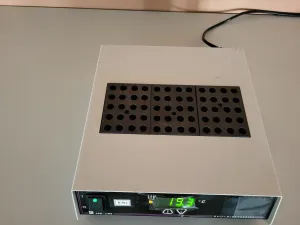
Barnstead Lab-Line 2002-1CE Multi-Blok Heater is a three-block dry bath with digital LED control for sample heating and incubation.
The Barnstead Lab-Line 2002-1CE Multi-Blok Heater is a benchtop digital dry block heater for controlled sample heating, incubation, tube warming and enzyme reactions. It is also used for denaturation, microbiology and general laboratory heating in biotechnology and life sciences laboratories.
This unit has three removable aluminium heating blocks. The digital temperature controller provides LED temperature display for setting and monitoring. The three-block configuration accommodates tube and vessel formats supported by the installed blocks.
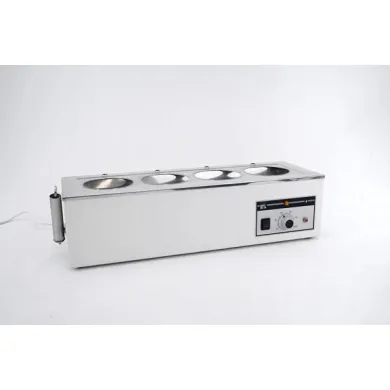
The heater is used and functional. It has a powder-coated steel housing and is supplied as pictured. Electrical operation requires 230/240 V at 50/60 Hz.
This used Multi-Blok Heater is a digital modular dry bath for controlled heating of tubes, vials and laboratory samples. It supports sample heating applications including incubation, sample warming, tube heating, enzyme reactions and denaturation. The unit is also suitable for microbiology, clinical laboratory work, chemistry, food science and general laboratory heating.
The unit is used and functional. It is supplied as pictured.
Temperature stability of ±0.5°C and temperature uniformity of ±0.4°C at 37°C support controlled incubation and reaction preparation where samples across the heating blocks need consistent conditions. Stability limits temperature drift over time, while uniformity limits temperature differences within the heated area.
Lab equipment markets are fragmented. Buyers spend weeks calling distributors, comparing quotes, and verifying supplier reliability. Sellers struggle to reach global research labs.
We built Questpair to fix this. Every supplier on the platform is verified before listing. Every quote you receive comes from a real, vetted seller. AI prepares your case in minutes, then a real specialist takes over.
We're an independent team based in The Netherlands, working with research labs and procurement teams across Europe and worldwide.
With a service contract, ten to fifteen years is normal for most benchtop instruments. Detectors and pumps are the parts that wear first.
Often, yes. Verified suppliers frequently work with service partners converting the instrument. If applicable, we can list servicing options alongside the offer.
Ask a scientist through the request button. Parts are often available even when the instrument itself is discontinued.
Two to six weeks, depending on refurbishment scope and whether calibration is included.
We ship to 38 countries. Crating and customs handling are quoted with the instrument.
Tell us what you need and a scientist finds it for you, usually within the hour.
Last updated 30 October 2026
€150 sits in the middle range baths or circulators here. The middle half of the 436 with a price runs from €79 to €1,511.