Price on request
In stock
Can't find what you're looking for?
Pre-Owned
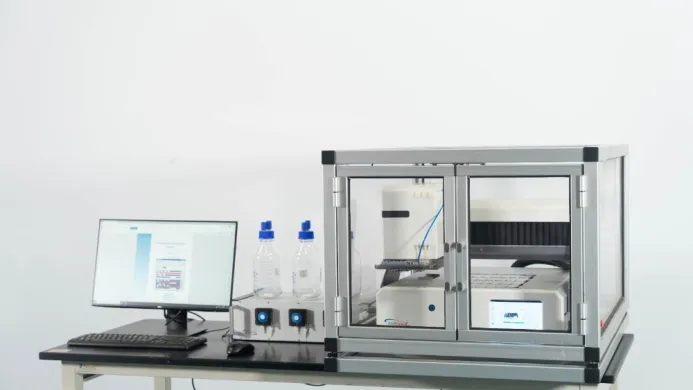
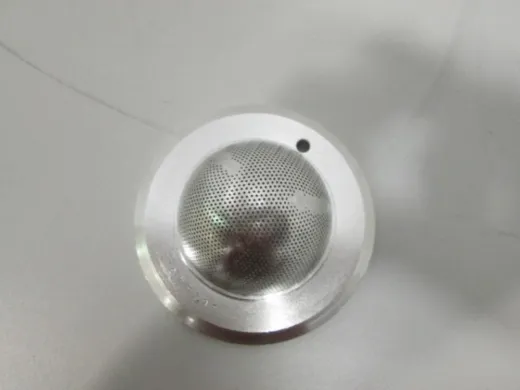
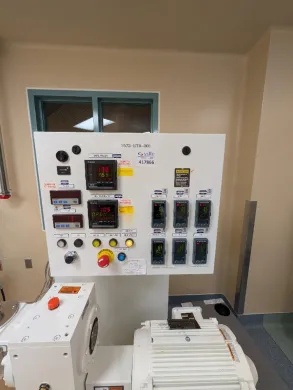
Precise biofluid dispensing system with integrated vision, dual drying towers, and adjustable roll-to-roll membrane handling.
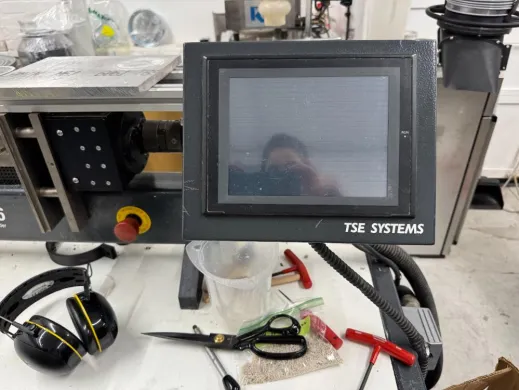
The BioDot RR120 Modular Web Handling System is designed for precision roll-to-roll processing of membrane-based substrates, widely used in biotechnology, molecular diagnostics, and bioprocessing workflows. This integrated platform combines non-contact BioJet and AirJet liquid dispensing technologies with a high-resolution Keyence CA-H048MX in-line vision system for optimized quality control and process monitoring.
Key features include:
This modular system is essential for biomanufacturing workflows requiring high-throughput, precise reagent dispensing and coating, such as lateral flow assay production, protein/antibody line dispensing, and biosensor fabrication. Its integrated vision system and multi-zone drying capacity make it critical in maintaining manufacturing quality standards in synthetic biology and molecular cloning workflows. The system supports continuous, automated processing compatible with aqueous and organic solvent reagents, making it a valuable asset in biomedical engineering applications focused on membrane functionalization and diagnostic assay assembly.
The BioDot RR120 is widely adopted in laboratories engaged with cell imaging substrates, clinical diagnostics, and bioprocess reagent preparation, offering robust, reproducible, and scalable roll-to-roll membrane processing essential for modern biotechnology research and production environments.
Lab equipment markets are fragmented. Buyers spend weeks calling distributors, comparing quotes, and verifying supplier reliability. Sellers struggle to reach global research labs.
We built Questpair to fix this. Every supplier on the platform is verified before listing. Every quote you receive comes from a real, vetted seller. AI prepares your case in minutes, then a real specialist takes over.
We're an independent team based in The Netherlands, working with research labs and procurement teams across Europe and worldwide.
With a service contract, ten to fifteen years is normal for most benchtop instruments. Detectors and pumps are the parts that wear first.
Often, yes. Verified suppliers frequently work with service partners converting the instrument. If applicable, we can list servicing options alongside the offer.
Ask a scientist through the request button. Parts are often available even when the instrument itself is discontinued.
Two to six weeks, depending on refurbishment scope and whether calibration is included.
We ship to 38 countries. Crating and customs handling are quoted with the instrument.
Tell us what you need and a scientist finds it for you, usually within the hour.
Last updated 8 November 2026
The middle half of the 2 with a price runs from €1,190 to €3,570.
3 other listings of this model are available.