

Optomechanical equipment
We personally find you the right used, refurbished and new optomechanical equipment from verified suppliers.
Optomechanical equipment is the hardware that positions, mounts, stabilises and adapts optical components in a laboratory, from the tables that carry an optical setup to the adapters that fit a camera to a microscope. The category spans both the mechanical supports that hold optics in place and the accessories that connect, zoom or image through them. New, used and refurbished units are listed on Questpair, where 95 percent of the listings are used. Prices across the catalogue run from EUR 17 to EUR 172.178, a range wide enough to cover a single adapter at one end and a complete vibration-isolated workstation at the other. Olympus and Nikon are among the makers represented.
Updated:
Optomechanical equipment product list


Not the exact instrument you need?
Tell our scientists what you are after. We track it down, including off-market supply.
Not the exact instrument you need?
Tell our scientists what you are after. We track it down, including off-market supply.
Showing 1–40 of 272 listings
Show 40 more listingsBuying guide
The decision usually starts with mechanical stability, because most of what fails in an optical setup is not the optics but the ground they sit on. An optical table or vibration isolation table is specified by its resonant frequency, its damping behaviour and whether its isolation is passive or pneumatically active. A benchtop imaging rig tolerates a rigid breadboard; an interferometer or a high-magnification measurement does not, and the wrong table shows up as blur that no better lens will fix. Work out the vibration environment first, then the load the tabletop has to carry, then the hole grid and thread standard, because a mismatched grid quietly rules out a large part of the mounting hardware already in the lab.
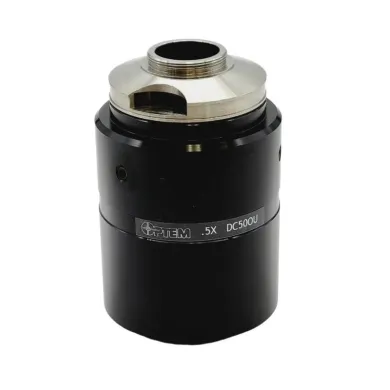
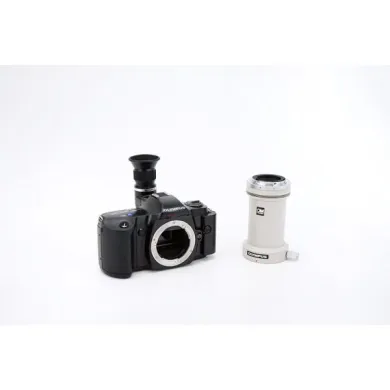
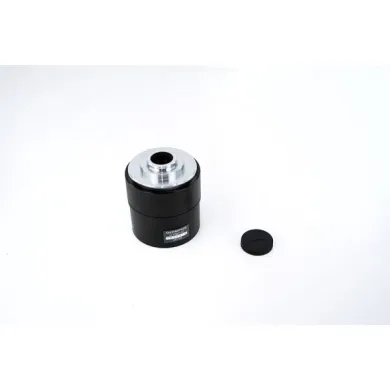
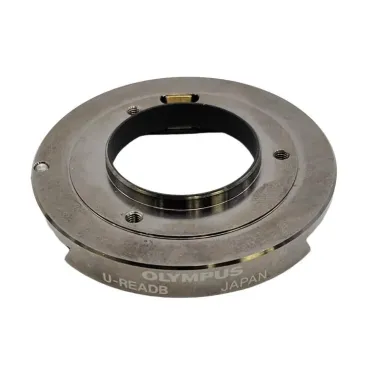
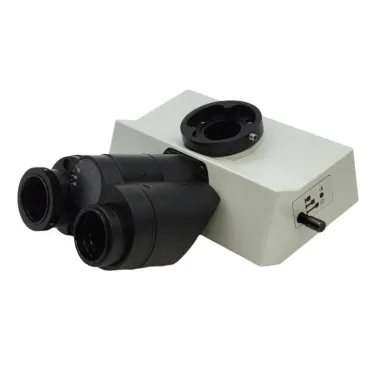
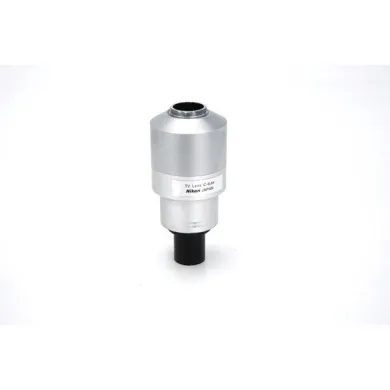
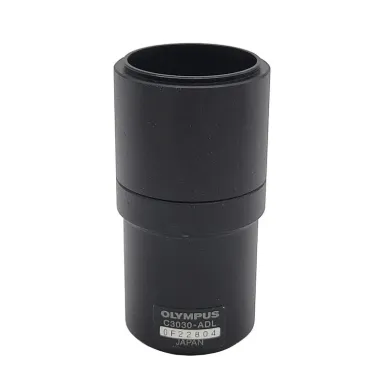
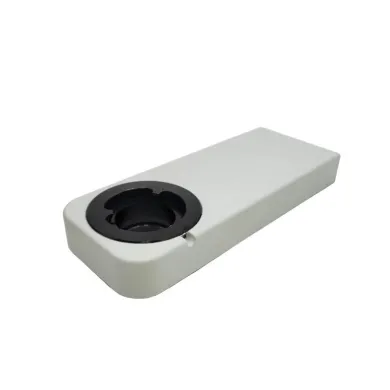
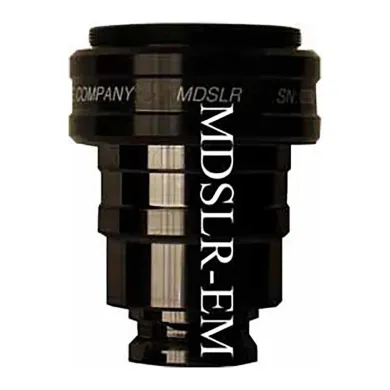
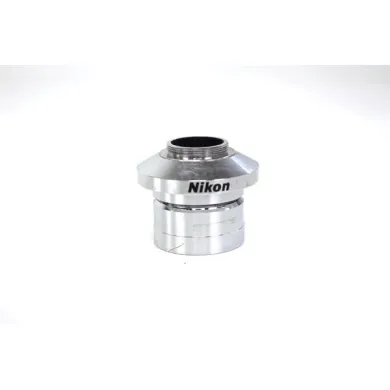
With the platform settled, the accessories follow from what sits on it. A microscope camera adapter has to match both the camera mount and the microscope's trinocular port, and the two are not interchangeable between makers; a motorised zoom microscope or digital inspection microscope brings its own working distance, field of view and software, which decide whether it drops into an existing inspection line. These are the specifications that actually gate a purchase, and they are where a datasheet earns its place.
On a used unit, condition is read differently for each type. For an optical table, check the tabletop surface for dents around the mounting holes and confirm the isolators still hold pressure; a leaking pneumatic leg is the most common fault and the most expensive to overlook. For a camera adapter or accessory, the relevant history is the thread and the glass, not the hours. For a motorised instrument, verify that the drive and the control electronics still run, since replacement controllers are rarely cheap. Used and refurbished units cost less than new, which is where the budget is usually made or lost.
The price band here is broad. What a unit costs depends almost entirely on type: an adapter or a simple mount is modest, while a fully isolated optical table or a motorised zoom system sits at the top of the range. The average of EUR 3.144 sits well below the ceiling, which tells you the bulk of the listings are accessories and tables rather than complete instruments. For a buyer working to a fixed budget, the affordable entry points are the adapters and mounts, with the platforms and motorised systems being where the money concentrates. Refurbished units listed for sale are more affordable than their new equivalents. Olympus, Nikon and Inspectis appear across the listings, which helps when a model needs comparing against a known reference.
Types of Optomechanical equipment
Which optomechanical types are listed?
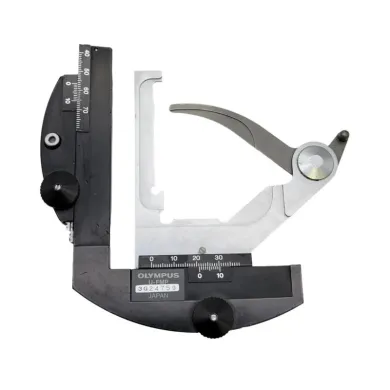
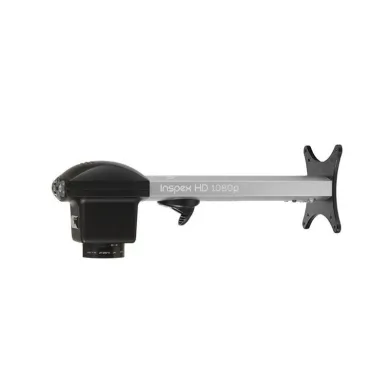
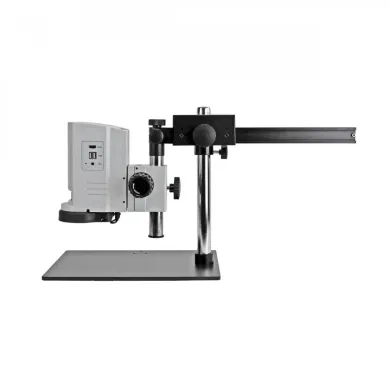
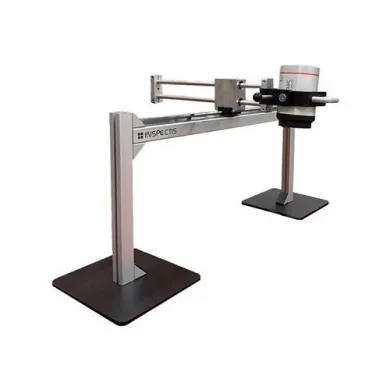
Among the listings that specify a type, the catalogue divides into two groups: the structures that hold and stabilise optics, and the accessories that connect or image through them. Optical tables and vibration isolation tables form the first. An optical table is a rigid, honeycomb-cored platform with a precise hole grid, built to keep a multi-element setup in alignment; a vibration isolation table adds pneumatic or passive isolators to cut the floor-borne motion that degrades sensitive measurements. The second group is lighter and more varied: microscope accessories cover the stages, holders and illumination parts that extend an existing scope, while microscope camera adapters bridge a camera to the trinocular port. A motorised zoom microscope offers software-controlled magnification for repeatable inspection, and a digital inspection microscope outputs straight to a screen, which suits quality control on a line rather than eyepiece work.
Several of these types do real work in life sciences. A digital inspection microscope and a motorised zoom microscope are both used in cell imaging and in the sample-preparation stages of molecular biology, where a technician needs to document a plate or position a specimen without an eyepiece. Camera adapters are what put a microscope image into a histology or microbiology workflow, feeding the digital capture that histology slide review and colony counting now depend on. Vibration isolation is the quiet precondition behind high-resolution work in genomics and proteomics instrumentation, where a table that damps floor motion is also used for the sensitive optical readouts those fields rely on.
The brands behind the optomechanical listings
The makers in the catalogue are Olympus, Nikon, Inspectis, Diagnostic Instruments, Various. For a buyer, that mix means two things. Olympus and Nikon are established microscope makers, so their accessories and adapters are well documented and a given model is straightforward to cross-reference against the parent instrument. Inspectis and Diagnostic Instruments sit more on the digital inspection and camera side, where matching the adapter to a specific port matters more than brand prestige. A meaningful share of the hardware, the "various" entry, is unbranded or generic mounting and table components, which tends to be the more affordable route when exact provenance matters less than fit. Parts for the named makers are easier to source and compare; the generic items are easier on the budget.
What a used optomechanical unit costs here
The condition split is heavily toward the secondhand: 95 percent of the listings are used. Prices range from EUR 17 to EUR 172.178, with an average of EUR 3.144. That spread reflects the two groups above, adapters and small accessories at the low end, complete optical and vibration isolation tables at the high end. Across 9 verified suppliers and distributors in 6 countries, the catalogue holds 245 listings in total.
Frequently asked questions
What is optomechanical equipment?
Optomechanical equipment is the hardware that positions, mounts, stabilises and adapts optical components in a laboratory. It covers both the mechanical supports that hold optics in place, such as optical tables, and the accessories that connect or image through them, such as camera adapters.
What does optomechanical mean?
The term combines optics and mechanics: it refers to the mechanical parts that carry, align or interface with optical components rather than the optics themselves. A lens is optical; the mount, stage or table that holds it in place is optomechanical.
How does optomechanical equipment work?
An optical table provides a rigid, honeycomb-cored platform with a precise hole grid that keeps a multi-element setup aligned, while a vibration isolation table adds pneumatic or passive isolators to cut floor-borne motion. Accessories such as camera adapters bridge a camera to a microscope's trinocular port, and motorised zoom systems use software-controlled magnification for repeatable imaging.
What types of optomechanical equipment are there?
The listed types split into structures and accessories. Structures include optical tables and vibration isolation tables; accessories include microscope accessories, microscope camera adapters, motorised zoom microscopes and digital inspection microscopes.
What is optomechanical equipment used for?
It positions and stabilises optical setups and connects imaging hardware to them. Digital inspection and motorised zoom microscopes support cell imaging and sample preparation, camera adapters feed microscope images into histology and microbiology workflows, and vibration isolation tables damp floor motion behind high-resolution genomics and proteomics readouts.
How do I choose optomechanical equipment?
Start with mechanical stability: specify an optical or vibration isolation table by its resonant frequency, damping behaviour and whether isolation is passive or pneumatic, then confirm the load and the hole grid and thread standard so it fits existing mounting hardware. For accessories, match the camera adapter to both the camera mount and the trinocular port, since these are not interchangeable between makers.
What is the difference between refurbished and used optomechanical equipment?
A used unit is sold in its existing condition, while a refurbished unit has been reconditioned before sale. Both are listed below new prices; check the individual listing to see what work, if any, was done.
How much does optomechanical equipment cost?
Prices across the catalogue range from EUR 17 to EUR 172.178, with an average of EUR 3.144. The low end is adapters and simple mounts; the high end is complete optical and vibration isolation tables or motorised zoom systems.
Which brands make optomechanical equipment?
The makers in this catalogue are Olympus, Nikon, Inspectis, Diagnostic Instruments and a range grouped under Various. Olympus and Nikon are established microscope makers, Inspectis and Diagnostic Instruments sit on the digital inspection and camera side, and the Various entry covers unbranded mounting and table components.
Can I get a warranty on a refurbished unit?
A warranty is often possible and is arranged in consultation for the specific listing. Terms depend on the individual item rather than being set across the category.
Can I get parts for optomechanical equipment?
Parts can be sourced via Questpair. Named makers such as Olympus and Nikon are easier to cross-reference, while generic mounting and table components are more variable to match.
How long does optomechanical equipment last?
Passive structures such as optical tables and rigid mounts can last for decades if the surface and threads stay intact. The parts most likely to wear are pneumatic isolators, which can lose pressure, and the drive and control electronics on a motorised instrument.
Should I buy new or refurbished?
Used and refurbished units are listed at lower prices than new, which is usually where the budget decision is made. Weigh the two against the condition described in each listing, and note that warranty is arranged in consultation per item.
Where can I buy optomechanical equipment?
The listings on this page come from 9 verified suppliers and distributors across 6 countries, with 245 listings in total. Both named-brand and generic items appear in the Questpair catalogue.
What are the lead time and shipping like?
Lead time and shipping depend on the individual supplier and the item, since large optical tables ship differently from a small adapter. Check the specific listing for its terms, or contact Questpair, where specialists respond within one hour.
How are optomechanical units calibrated and maintained?
Maintenance is mostly mechanical: inspect the tabletop around mounting holes for dents, confirm pneumatic isolators still hold pressure, and verify that drive and control electronics run on motorised units. Questpair does not carry out servicing, but parts for upkeep can be sourced through it.
Which optomechanical types are listed most, and who buys which?
The catalogue divides into platforms and accessories: optical tables and vibration isolation tables on one side, microscope accessories, camera adapters, motorised zoom and digital inspection microscopes on the other. Labs running interferometry or high-magnification measurement reach for the tables, while inspection lines and imaging workflows reach for the adapters and digital microscopes.
Which brands dominate this category, and what does that mean for a buyer?
Olympus and Nikon appear on the microscope and accessory side, Inspectis and Diagnostic Instruments on the digital inspection and camera side, and Various covers generic mounting and table parts. For a buyer, the named makers are easier to cross-reference against a parent instrument, while the generic items are more affordable where exact provenance matters less than fit.
What separates the cheapest listings from the most expensive?
Price here is driven almost entirely by type rather than brand. A single camera adapter or a simple mount sits at the bottom of the band, while a fully isolated optical table or a motorised zoom system sits at the top, which is why the average of EUR 3.144 falls well below the ceiling.