

Light sources
We personally find you the right used, refurbished and new light sources instruments & equipment from verified suppliers.
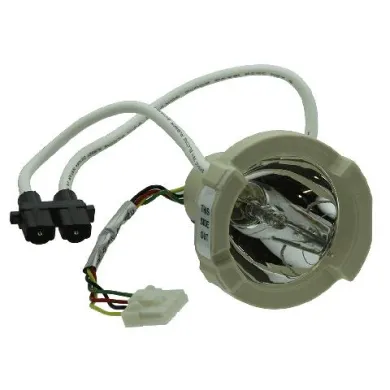
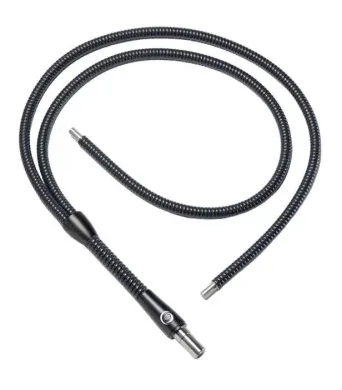
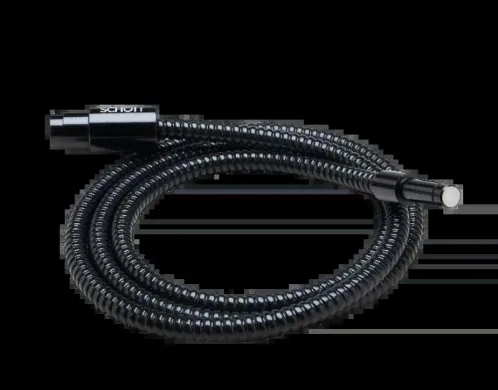
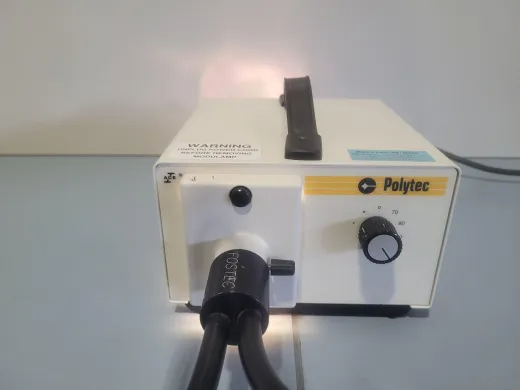
Light sources are illumination units that supply controlled light to an optical instrument, most often a microscope, either by generating the light directly or by carrying it from a separate housing to the sample through a guide. In the Questpair catalogue they appear as new, used and refurbished laboratory items, and 97 percent of the listings are used. The 253 listings span lamphouses that bolt onto a microscope stand, standalone fluorescence and fibre optic sources, and the flexible guides that deliver that light where it is needed. Prices run from EUR 15 to EUR 60.868, a spread that separates a simple light guide from a full fluorescence engine. 15 verified suppliers and distributors hold this stock across 8 countries.
Updated:
Light sources product list


Not the exact instrument you need?
Tell our scientists what you are after. We track it down, including off-market supply.
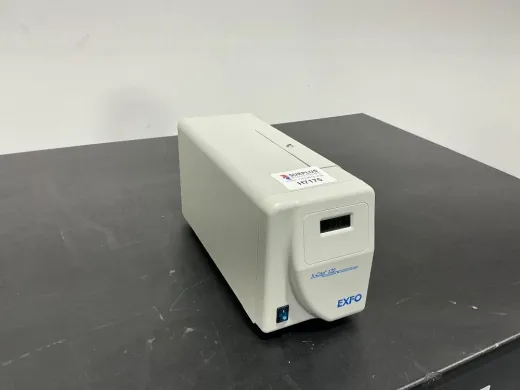
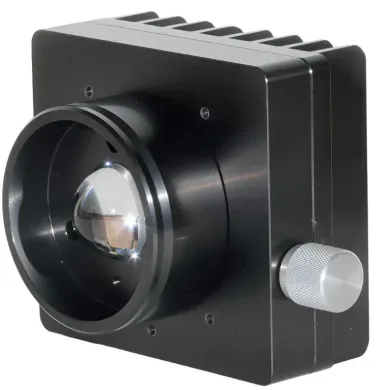
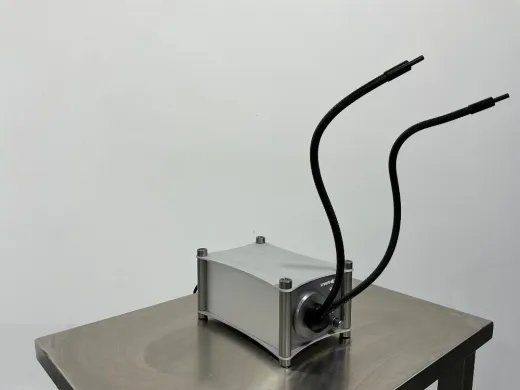
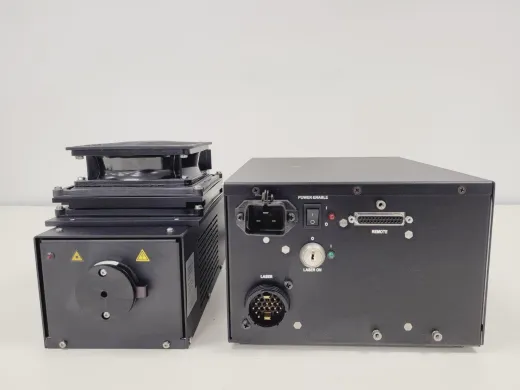
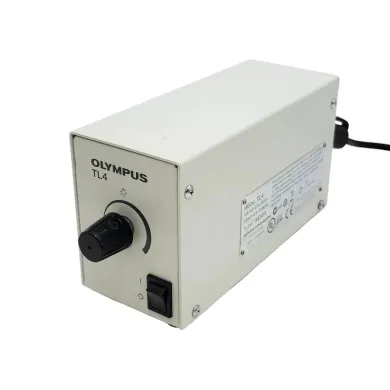
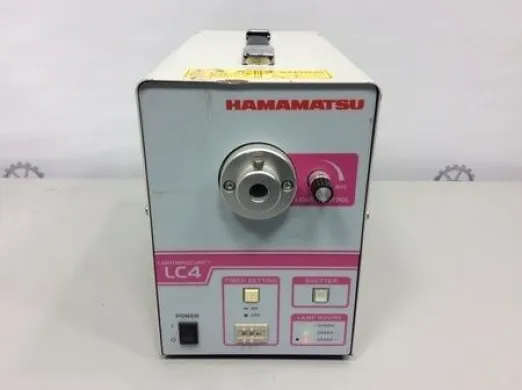
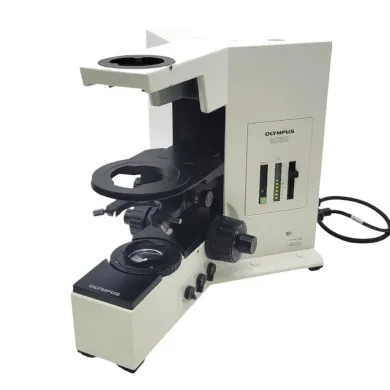
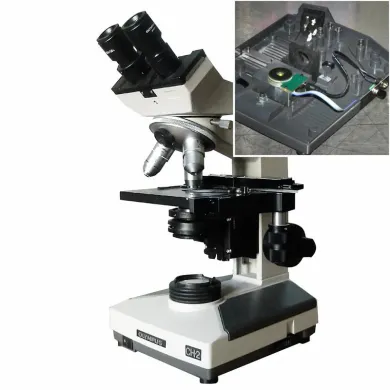
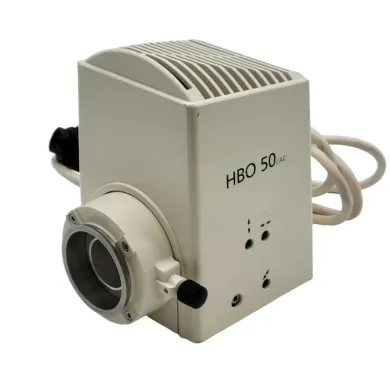
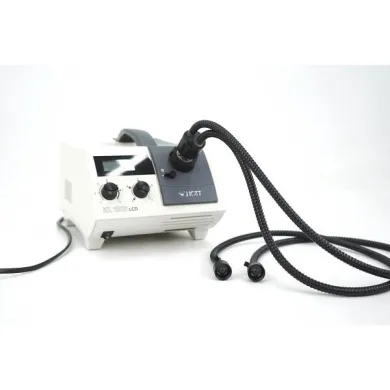
Not the exact instrument you need?
Tell our scientists what you are after. We track it down, including off-market supply.
Showing 1–40 of 285 listings
Show 40 more listingsBuying guide
The specification that decides a light source purchase is the spectral output, because the sample dictates it and nothing else can substitute. A fluorescence source has to emit at the excitation wavelengths your fluorophores need, so a unit built around a mercury arc, a metal-halide burner or a bank of LEDs is not interchangeable with another by brand or price alone. For transmitted-light work the question is simpler but no less decisive: colour temperature and stability, since a drifting output ruins any quantitative reading or colour-matched image. Match the emission to the work first, and the housing, the mount and the guide all follow from that one decision.
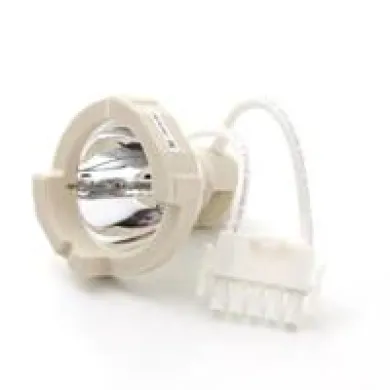
Condition carries real weight here because the light-generating element ages, and a used unit tells you less than its photograph suggests. An arc lamp or a metal-halide bulb has a rated lifetime measured in hundreds or low thousands of hours, so a source sold with its original burner may be near the end of it. Ask how many hours the unit has run, whether the bulb has been replaced, and whether a spare is included, since a replacement burner can cost a noticeable fraction of the source itself. For a fibre optic guide, check the fibre bundle for broken strands, which show as dark patches at the output and dim the delivered light permanently. LED-based sources age far more gently and are the safer used buy on that count, which is one reason they now appear alongside the older arc designs.
On price, these units cover a wide span. A plain flexible light guide costs very little, while a complete fluorescence engine with electronically switched channels sits near the top. Across the catalogue prices run from EUR 15 to EUR 60.868, with an average around EUR 1.933. A refurbished source listed for sale is more affordable than its new equivalent, which is what brings the higher-end fluorescence units within a working budget for many labs. The names that recur are Olympus, Schott, Lumencor, Zeiss, Leica, and where you need a source to cost less than new without losing a known calibration, a used unit from one of those makers is usually the cleaner buy because parts, mounts and replacement bulbs are easier to find. 97 percent of the listings are used.
Types of Light sources
Which light source types are listed here?
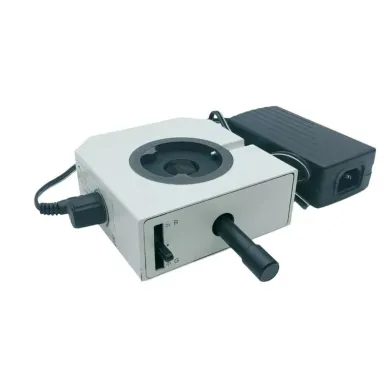
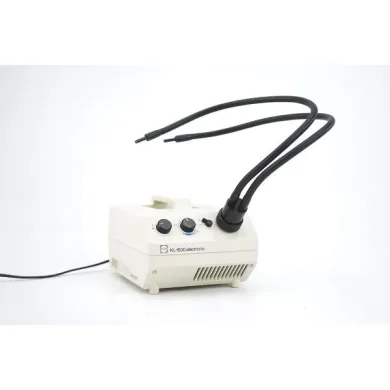
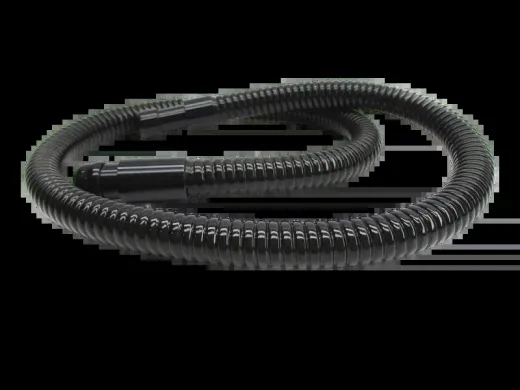
Among the listings that specify a type, the catalogue divides along two lines: units that make light and units that carry it. The microscope lamphouse and the microscope light source sit at one end, bolting to or feeding a specific stand to illuminate transmitted or reflected-light work. The fluorescence light source is a specialised relative of these, built to emit at the excitation bands that fluorophores absorb, which makes it the instrument behind fluorescence microscopy and a staple of cell imaging and molecular diagnostics. A fluorescence source paired with the right filters drives immunoassay readout and the imaging steps of genomics and proteomics workflows, where a labelled probe is excited and its emission recorded. The fibre optic light source and its companions, the fibre optic light guide and the flexible light guide, do the carrying: a cold, intense beam generated in a separate housing is delivered to the sample through a bundle or a liquid-filled guide, keeping heat away from living cells during cell culture observation and sample preparation under a stereomicroscope.
The brands behind the light source listings
The recurring makers are Olympus, Schott, Lumencor, Zeiss, Leica. Their presence shapes what a buyer can actually do with a listing. Olympus, Zeiss and Leica built their sources to mate with their own microscope stands, so a lamphouse from one of them is a known quantity against a known body, and finding a compatible mount or a replacement adapter is straightforward. Schott is the name to expect on fibre optic and cold-light sources and guides, which means parts and spare bundles circulate widely. Lumencor represents the LED generation of fluorescence engines, where the light source is solid-state and switched electronically rather than burning an arc. For comparison, a model from one of these makers is easier to place: its specifications are documented, its accessories are catalogued, and a second unit can be lined up against the first.
What a used light source costs here
The condition mix is steep. 97 percent of the listings are used, with 7 new units among the 253 total. Prices run from EUR 15 to EUR 60.868, and that spread covers everything from a short flexible guide to a multi-channel fluorescence source. A used or refurbished unit is listed below the price of a new one, which is what puts the higher-end sources within reach. Stock is held by 15 verified suppliers and distributors across 8 countries.
Frequently asked questions
What is a light source?
A light source is an illumination unit that supplies controlled light to an optical instrument, usually a microscope, either by generating the light directly or by carrying it from a separate housing to the sample through a guide. In this catalogue the term covers lamphouses, standalone fluorescence and fibre optic sources, and the flexible guides that deliver the light.
What does light source mean in a microscopy context?
It means the component that produces or delivers the illumination a microscope uses to form an image, whether for transmitted light, reflected light, or fluorescence work. The element that makes the light can be an arc lamp, a metal-halide burner, or a bank of LEDs, while a guide carries that light to the sample.
How do light sources work?
A light-generating unit produces illumination from an arc, a burner, or an LED bank, and either illuminates the sample directly through the microscope stand or feeds a guide that carries the beam to where it is needed. A fibre optic source keeps the hot element in a separate housing and delivers a cold, intense beam through a bundle or a liquid-filled guide.
What types of light sources are there?
The catalogue lists microscope lamphouses, microscope light sources, fluorescence light sources, fibre optic light sources, fibre optic light guides, and flexible light guides. These split into units that make light and units that carry it.
What are light sources used for?
They illuminate samples under a microscope for transmitted and reflected-light work, and fluorescence sources excite labelled fluorophores for cell imaging and molecular diagnostics. Fibre optic sources and guides deliver cold light to living cells during cell culture observation and to samples under a stereomicroscope.
How do I choose a light source?
Start with spectral output, because the sample dictates it: a fluorescence source must emit at the excitation wavelengths your fluorophores need, and a unit built around a mercury arc, a metal-halide burner, or LEDs is not interchangeable with another by brand alone. For transmitted-light work, colour temperature and output stability are the deciding specifications, and the housing, mount, and guide follow from that choice.
What is the difference between refurbished and used light sources?
A used unit is sold in its existing condition, while a refurbished one has been checked and brought back to working order before listing. For either, the light-generating element ages, so ask how many hours the unit has run and whether the bulb has been replaced.
How much does a light source cost?
Prices range from EUR 15 to EUR 60.868, with an average around EUR 1.933. A plain flexible light guide sits at the low end and a complete fluorescence engine with electronically switched channels near the top.
Which brands make light sources?
The recurring makers here are Olympus, Schott, Lumencor, Zeiss, and Leica. Olympus, Zeiss, and Leica build sources to mate with their own microscope stands, Schott is the name to expect on fibre optic and cold-light sources and guides, and Lumencor represents LED-based fluorescence engines.
Is a warranty available on a refurbished light source?
A warranty is often possible and is arranged in consultation for the specific listing. Because terms depend on the individual unit and seller, check the listing itself rather than assuming a blanket policy.
Can I get parts for a light source?
Parts can be sourced via Questpair. Sources from Olympus, Schott, Zeiss, and Leica tend to have mounts, adapters, and replacement bulbs that circulate more widely, which makes a compatible part easier to line up.
How long does a light source last?
An arc lamp or a metal-halide bulb has a rated lifetime measured in hundreds or low thousands of hours, so a source sold with its original burner may be near the end of it. LED-based sources age far more gently, which is why they are generally the safer used buy on lifespan.
Should I buy a new or a refurbished light source?
Used and refurbished units are listed at lower prices than new, which is what brings higher-end fluorescence sources within a working budget. Where you need a known calibration without paying new prices, a used unit from a brand whose parts and bulbs are easy to find is usually the cleaner choice, and the warranty is arranged per listing.
Where can I buy a light source?
They are listed in the Questpair catalogue, held by 15 verified suppliers and distributors across 8 countries. The 253 listings cover new, used, and refurbished units.
What are the lead time and shipping like?
Lead time and shipping depend on the individual supplier and the unit's location, since stock sits across 8 countries. The specific listing states its availability, and specialists respond within an hour to questions about a particular unit.
How do I calibrate and maintain a light source?
For arc and metal-halide sources, track running hours and replace the burner before output drifts, since a drifting output ruins quantitative readings and colour-matched images. For a fibre optic guide, inspect the fibre bundle for broken strands, which show as dark patches at the output and permanently dim the delivered light.
Which light source types are listed most and who reaches for which?
The catalogue splits between units that make light, the microscope lamphouse, microscope light source, and fluorescence light source, and units that carry it, the fibre optic light source, fibre optic light guide, and flexible light guide. Fluorescence sources go to cell imaging and molecular diagnostics labs, while fibre optic sources and guides suit stereomicroscope and cell culture work where heat must stay away from the sample.
Which brands dominate this category and what does that mean for a buyer?
Olympus, Schott, Lumencor, Zeiss, and Leica recur across the listings. A lamphouse from Olympus, Zeiss, or Leica is a known quantity against its own stand with documented accessories, Schott's fibre guides and bundles circulate widely, and Lumencor's LED engines switch electronically rather than burning an arc, so the brand tells you how easy the unit is to place and to find parts for.
What separates the cheapest light sources from the most expensive here?
The bottom of the band is a short flexible light guide, a passive part that only carries light. The top is a multi-channel fluorescence source with electronically switched LED or burner output built to emit at specific excitation bands, which is where the spread from EUR 15 to EUR 60.868 comes from.