

Metalworking equipment
We personally find you the right used, refurbished and new metalworking equipment from verified suppliers.
Metalworking equipment is the class of machinery that cuts, forms, shapes and finishes metal stock into parts, used across fabrication shops, machine shops and production lines. The group spans subtractive tools that remove material, forming tools that bend or press it, and the computer-controlled systems that automate both. On Questpair, 124 listings sit in this category, offered by 9 verified suppliers and distributors across 8 countries. New, used and refurbished units all appear here, and of the current listings, 100 percent are used. Prices run from EUR 50 to EUR 15.066 depending on size, control type and condition, with an average around EUR 2.078.
Updated:
Metalworking equipment product list


Not the exact instrument you need?
Tell our scientists what you are after. We track it down, including off-market supply.
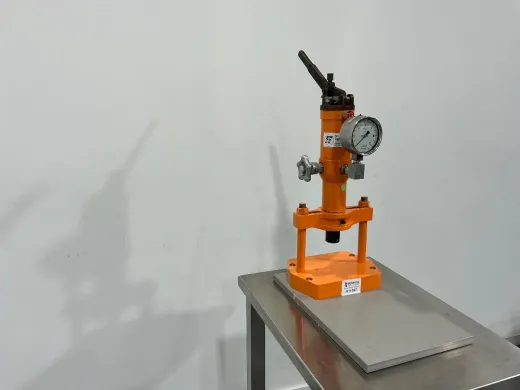
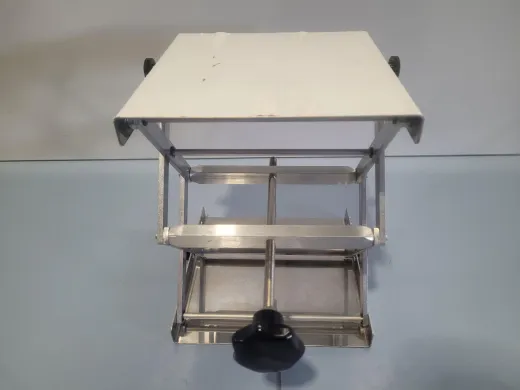
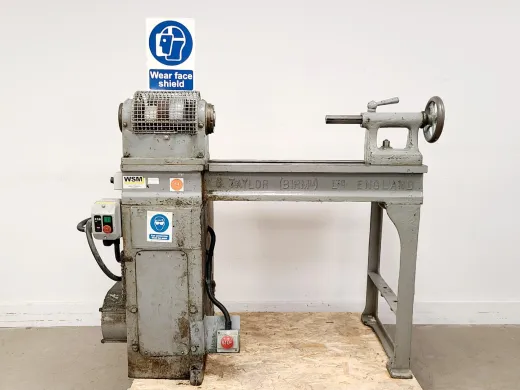
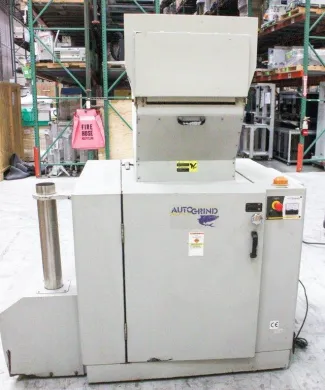
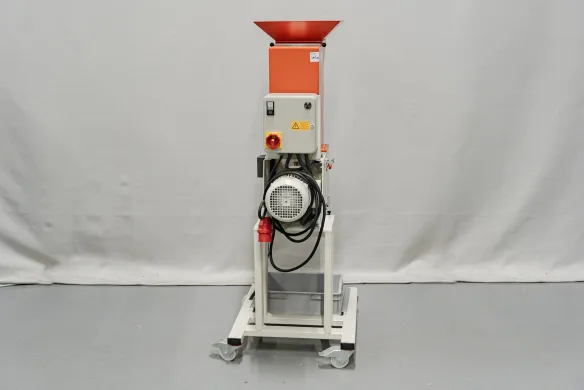
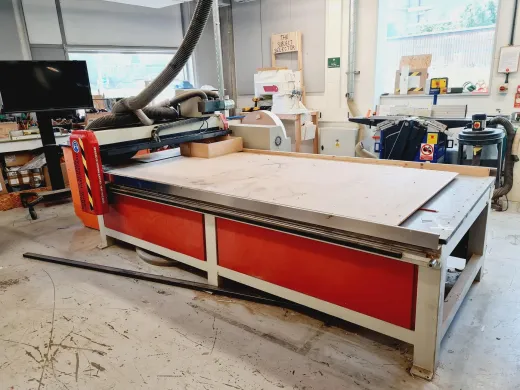
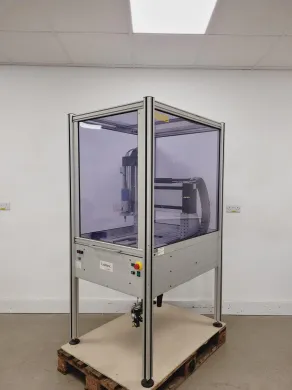
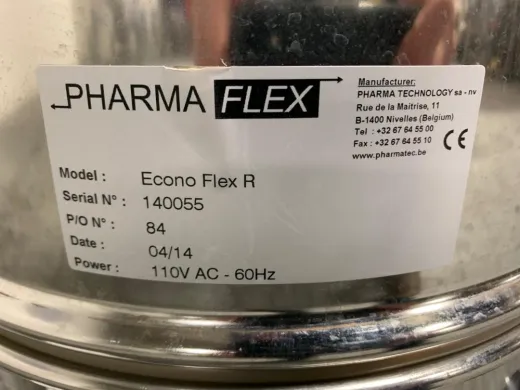
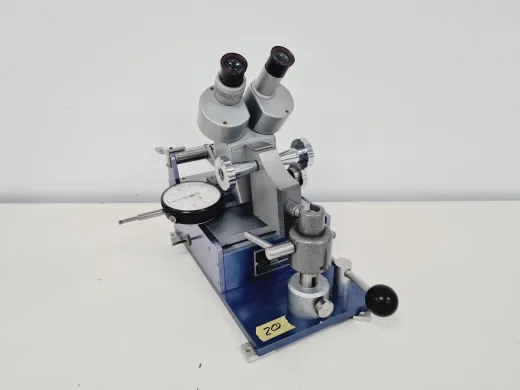
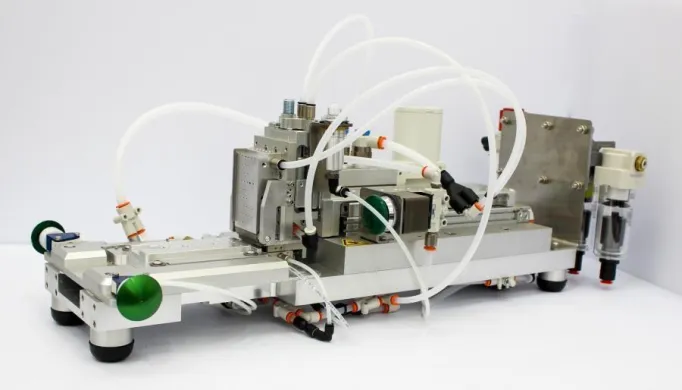
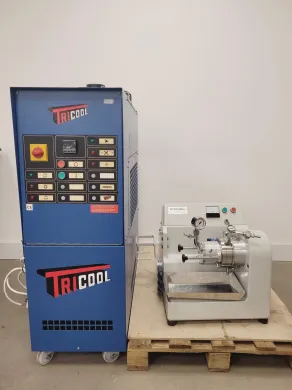
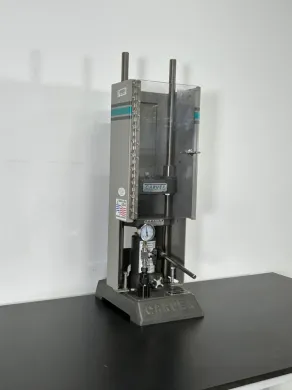
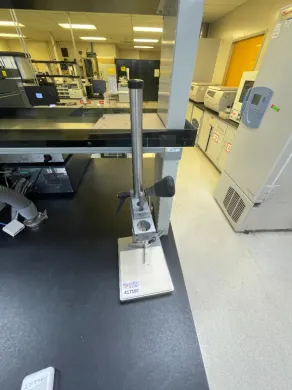
Carver Manual Hydraulic Lab Press
- Category
- Powder compacting presses
- Brand
- Carver
- Suppliers
- 1 verified
Not the exact instrument you need?
Tell our scientists what you are after. We track it down, including off-market supply.
Showing 1–40 of 67 listings
Show 27 more listingsBuying guide
What settles a metalworking purchase before anything else is the work envelope: the largest part the machine can hold and the force or spindle power it can bring to bear. A milling machine is defined by its table travel and spindle rating, a press brake by its tonnage and bed length, a lathe by its swing and between-centres distance. Undersize that figure against the parts the shop actually makes and the machine is useless the day it arrives, whatever else it offers. So the first number to pin down is the dimension of the heaviest, largest job the equipment will see, then the capacity figure that covers it with margin to spare.
With the envelope fixed, the control type divides the field. A manual machine wants an operator who can read it and dial it in by hand; a CNC machine wants a program, a controller that still runs, and someone who can write or load the code. The two are not interchangeable at the price level, and a buyer moving from one to the other inherits a learning curve as much as a tool.
On a used unit the things to verify are mechanical and specific. Spindle bearings and ways on a mill, the ram and backgauge on a press brake, the ballscrews and servo drives on anything CNC: these wear, and wear shows as backlash, chatter or lost position. Ask for a power-on demonstration, check whether the controller boots and holds its parameters, and establish that any tooling, chucks, vises or press dies, is present or priced separately. A machine sold without its tooling can cost as much again to make workable.
Where the price band sits is wide here, and the spread is the point. Listings run from EUR 50 to EUR 15.066, with an average near EUR 2.078. The low end covers small benchtop tooling and accessories; the high end covers large production machines with controls and tooling included. A buyer working to a fixed budget will find that condition, not brand, moves the figure most, and that a used unit listed for sale costs well below a new equivalent of the same capacity. The brands that recur, Retsch, FitzMill, Various, Fitzpatrick, IKA, give a buyer reference points for what a given class of machine costs and how readily parts compare. Every unit here is listed by verified suppliers and distributors, and warranty, where a listing carries it, is arranged in consultation for that specific machine.
Types of Metalworking equipment
Milling machines
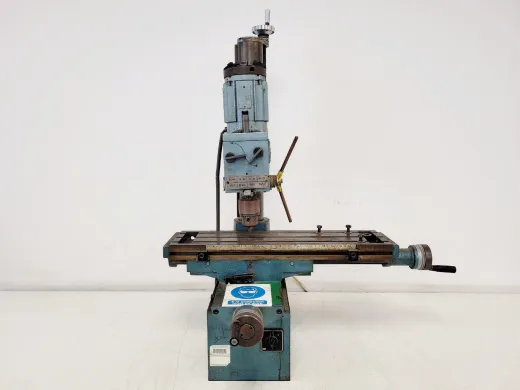
A milling machine removes metal with a rotating multi-tooth cutter while the workpiece moves beneath it on a cross-travelling table, producing flat faces, slots, pockets and contours that a lathe cannot. What separates a mill from the other machines in this group is that the cutter spins and the part feeds, rather than the reverse. Buyers reach for one when a job needs precise flat surfaces or features machined at defined angles and depths, from toolroom prototyping to small production runs. Among the listings, milling machines appear in both manual knee-type and powered forms, the manual version favoured by shops that want operator control over each pass. Size is read from table travel and spindle power, and those two figures decide which parts a given mill can actually take.
Press brakes
A press brake forms sheet and plate metal by pressing it between a punch and a die to produce a controlled bend along a straight line, the core forming operation behind enclosures, brackets, chassis and ductwork. Where a mill cuts material away, a press brake leaves the volume intact and changes its shape, which is what sets it apart from every subtractive machine here. Fabricators choose a press brake when a design calls for folded rather than welded corners, since a single clean bend replaces a seam. The two figures that define it are tonnage, the force it can apply, and bed length, the longest piece it can bend in one stroke. Sheet metal fabrication and formwork rely on these machines for repeatable angles across a batch, and the backgauge and ram condition are what a buyer checks first on a used one.
CNC machines
A CNC machine is any metalworking tool whose motion is driven by a numerical control program rather than by hand, so the cutting or forming path is executed from code with position held to the controller's resolution. What distinguishes it from the manual mills and brakes above is not what it does to the metal but how the motion is commanded: a program replaces the operator's wheels and levers. Shops move to CNC when volume, repeatability or part complexity outgrow what a manual machine can hold, since every part comes out identical to the program. A single CNC machine can cover milling, turning or forming depending on its configuration, which is why it sits as its own subtype rather than under one process. The figures that matter are the work envelope, the number of controlled axes, and whether the controller and drives still function; a controller that will not boot turns the whole machine into parts.
Frequently asked questions
What is metalworking equipment?
Metalworking equipment is the class of machinery that cuts, forms, shapes and finishes metal stock into parts. It covers subtractive tools that remove material, forming tools that bend or press it, and computer-controlled systems that automate both.
What does metalworking equipment mean?
The term refers to any machine used to turn raw metal stock into finished parts, from mills and lathes that remove material to press brakes that fold sheet and plate. It groups together the equipment found in fabrication shops, machine shops and production lines.
How does metalworking equipment work?
Subtractive machines like mills and lathes remove metal with a rotating cutter or a cutting tool against a spinning workpiece, while forming machines like press brakes press metal between a punch and die to change its shape without removing volume. CNC versions drive the same motions from a numerical control program rather than by hand.
What types of metalworking equipment are there?
The category spans milling machines that cut flat faces and features, press brakes that bend sheet and plate, lathes that turn parts, and CNC machines that execute any of these from code. Related listings also include sample preparation equipment, grinders and presses used in processing metal.
What is metalworking equipment used for?
It is used to cut, shape, form and finish metal into parts for fabrication, toolroom prototyping and production runs. A mill produces flat surfaces and pockets, a press brake folds corners into enclosures and brackets, and a CNC machine repeats either operation identically across a batch.
How do I choose metalworking equipment?
Start with the work envelope: the largest part the machine can hold and the force or spindle power it can apply, since an undersized machine is useless the day it arrives. Then settle the control type, manual or CNC, because the two carry different operating skills and are not interchangeable at the price level.
What is the difference between refurbished and used metalworking equipment?
A used machine is sold in its current state, while a refurbished one has had wear items checked or replaced before listing. On this category both appear, and condition is what you verify on the specific listing rather than the label alone.
How much does metalworking equipment cost?
Listings on Questpair run from EUR 50 to EUR 15.066, with an average near EUR 2.078. The low end covers small benchtop tooling and accessories, the high end covers large production machines with controls and tooling included.
What brands of metalworking equipment are listed?
The brands that recur in this category include Retsch, FitzMill, Fitzpatrick and IKA, alongside units listed under Various where a single maker is not specified. These names give a buyer reference points for what a given class of machine costs and how readily parts compare.
Is there a warranty on refurbished metalworking equipment?
A warranty is often possible and is arranged in consultation for the specific listing. Check the individual listing to see what it carries before you buy.
Can I get parts for metalworking equipment?
Parts can be sourced via Questpair. This matters most for used machines, where worn spindle bearings, ballscrews, servo drives or press dies may need replacement.
How long does metalworking equipment last?
Well-built machines run for decades when ways, bearings and drives are maintained, which is why used units remain in service across shops. The limiting factor on CNC machines is often the controller: a controller that will not boot or hold parameters can outdate a machine whose mechanics are still sound.
Should I buy new or refurbished metalworking equipment?
Used and refurbished units are listed at lower prices than new equivalents of the same capacity, and condition moves the figure more than brand. Where you have to weigh the two, check the individual listing and note that warranty is arranged in consultation for that specific machine.
Where can I buy metalworking equipment?
On Questpair this category holds 124 listings from 9 verified suppliers and distributors across 8 countries. New, used and refurbished units all appear, with 100 percent of current listings used.
What is the lead time and shipping on metalworking equipment?
Lead time and shipping depend on the machine's size, weight and the supplier's location, since a benchtop tool and a large production press move very differently. These terms are set per listing, and Questpair specialists respond within one hour if you need to confirm them for a specific unit.
How is metalworking equipment calibrated and maintained?
Maintenance centres on the wear points: spindle bearings and ways on a mill, the ram and backgauge on a press brake, ballscrews and servo drives on anything CNC, since wear shows as backlash, chatter or lost position. Questpair does not service machines, but parts for these points can be sourced through Questpair.
Which types in this category are most listed and who reaches for which?
Listings in this group include sample preparation equipment, laboratory presses, hammer mill screens, homogenizers, hydraulic presses and laboratory grinders. Fabricators reach for press brakes to fold corners and mills to machine flat features, while labs and processing shops pull grinders, mills and presses for sample work.
Which brands dominate this category and what does that mean for a buyer?
Retsch, FitzMill, Fitzpatrick and IKA recur across the listings, with many units filed under Various where no single maker is named. For a buyer that means recognisable reference points for pricing and parts comparison, though condition still decides the figure more than the badge.
What separates the bottom of the price band from the top here?
At the bottom sit small benchtop tooling, screens and accessories; at the top sit large production machines with their controls and tooling included. Between them, condition and control type drive the spread, since a used manual machine sits well below a new CNC equivalent of the same capacity.