52k+ listingsShips to NLResponse within one hour+31 73 711 4717info@questpair.com

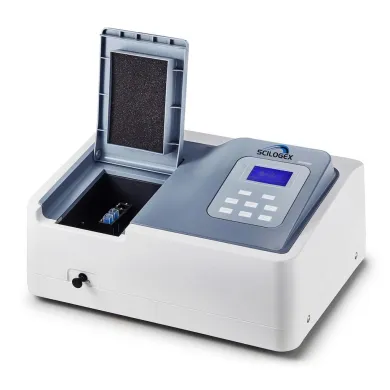
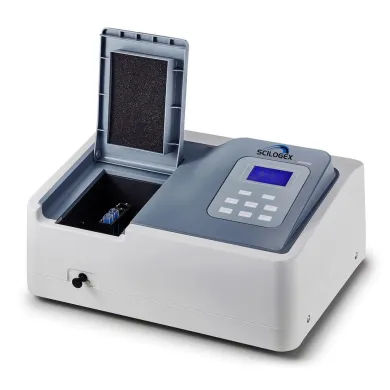
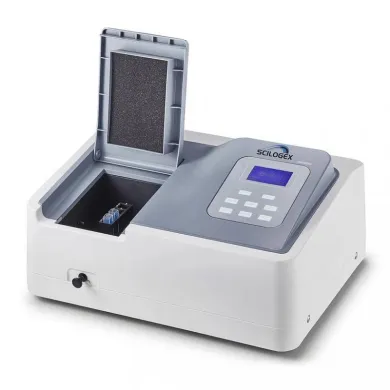
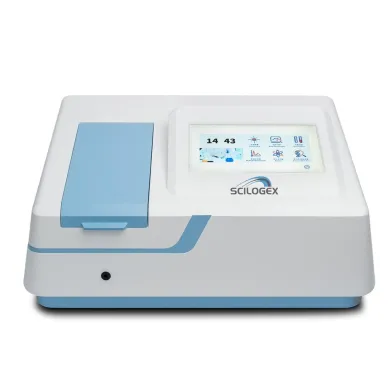
SCILOGEX SCI-5101XUV Double-Beam UV-Vis Spectrophotometer with Xenon Lamp, 190-1100nm, 1nm Bandwidth

From€11,409.61excl. VAT

In stock

Can't find what you're looking for?

Optical System
Double Beam, Grating 1200 lines/mm
Wavelength Range
190-1100 nm
Spectral Bandwidth
1nm
Wavelength Accuracy
± [email protected] , ±0.3nm@all
Wavelength Repeatability
<=0.1nm
All 26 specifications
  • Ships to NL
  • Response within 1 hour
  • Warranty available. Buy without worry
  • Support from a scientist

Specifications 26

Brands
Scilogex
New/Used
New
Optical System
Double Beam, Grating 1200 lines/mm
Wavelength Range
190-1100 nm
Spectral Bandwidth
1nm
Wavelength Accuracy
± [email protected] , ±0.3nm@all
Wavelength Repeatability
<=0.1nm
Photometric Accuracy
0.2%T (0~100%T), ±0.002A(0-0.5A), ±0.004A(0.5-1A)
Photometric Repeatability
<0.15%T (0-100%T), 0.001A (0-0.5A), 0.002A(0.5-1A)
Photometric Range
0-200%T, -0.3-3A, 0-9999C (0-9999F)
Stray Light
<=0.03%T@220nm, 360nm
Stability
±0.0003A/h @500 nm
Baseline Flatness
±0.001A
Noise
0.0005A@500nm
Work Mode
T, A, C, E
Scanning Speed
Hi, Med, Low (Max. 3000nm/min)
Wavelength Setting
Auto
Display
10.1" TFT Colored Capacitive Touch Screen
Light Source
Xenon lamp light
Detector
Imported Silicon Photodiode
Cuvette Holder
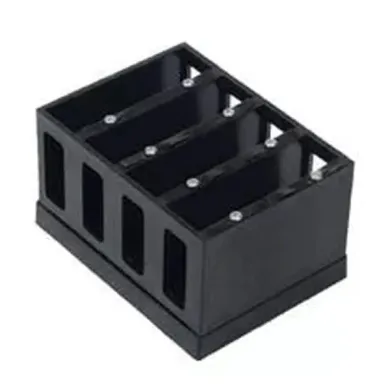
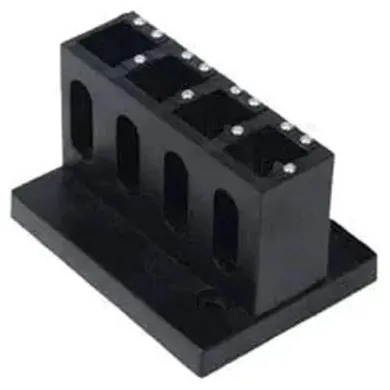
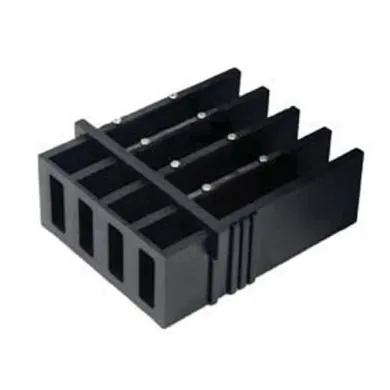
10mm manual 4-cell holder
Output
USB drive, USB host, RS232
Power
AC 110V/60Hz/220V/50Hz
Dimensions
24 x 16 x 10 in
Gross Weight
28lbs
Standard Accessaries
10mm glass cuvette x 4, 10mm quartz cuvette x 2, Power cord, User's Manual, PC software

Product description

Double-beam UV-Vis spectrophotometer with xenon lamp, 190–1100 nm range, 1 nm bandwidth, ideal for molecular diagnostics.

The SCILOGEX SCI-5101XUV is a high-precision double-beam UV-Vis spectrophotometer designed for biotechnology, molecular diagnostics, and advanced spectral analysis. Featuring a 10.1-inch high-resolution TFT capacitive touch screen (1024×600) with a Windows-based graphic interface, it supports intuitive operation and efficient workflow management.

Key technical features include:

  • Spectral range: 190 to 1100 nm with 1 nm bandwidth, covering UV to visible light essential for DNA/protein quantification, and bioprocessing analytics.
  • Light source: Long-life xenon lamp complemented by interchangeable socket-type deuterium and tungsten lamps allowing seamless lamp switching without optical realignment.
  • Functional versatility: Photometric and quantitative measurements, kinetics analysis, spectrum scanning, multi-wavelength tests, and specialized DNA/protein assays.
  • Memory capacity: Substantial in-house memory storage up to 1024M for extensive test data and working curves, facilitating long-term data retention in biomedical engineering workflows.
  • Data management: USB port supports data export directly to Excel for detailed analysis, enhancing integration with laboratory informatics systems.
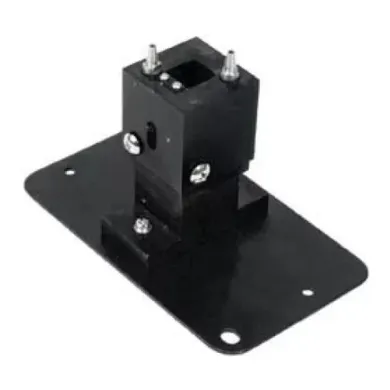
  • Modular accessories: Optional automatic cell holder, thermostatic automatic sampler, adjustable micro cell holder, reflection accessory, and integrating sphere expand measurement capabilities across diverse sample types.
  • Compliance: Follows GLP/GMP standards with user management, logging, and data tracking features crucial for regulated environments in clinical diagnostics and biomanufacturing.

This spectrophotometer is widely adopted in synthetic biology research, molecular cloning workflows, and biopharmaceutical production pipelines, providing accurate and reproducible UV-Vis measurements supporting critical experimental and quality control protocols.

Why Questpair exists

Lab equipment markets are fragmented. Buyers spend weeks calling distributors, comparing quotes, and verifying supplier reliability. Sellers struggle to reach global research labs.

We built Questpair to fix this. Every supplier on the platform is verified before listing. Every quote you receive comes from a real, vetted seller. AI prepares your case in minutes, then a real specialist takes over.

We're an independent team based in The Netherlands, working with research labs and procurement teams across Europe and worldwide.

Frequently asked questions

How long does laboratory equipment typically last?

With a service contract, ten to fifteen years is normal for most benchtop instruments. Detectors and pumps are the parts that wear first.

Can I get service for older equipment?

Often, yes. Verified suppliers frequently work with service partners converting the instrument. If applicable, we can list servicing options alongside the offer.

Where can I buy parts?

Ask a scientist through the request button. Parts are often available even when the instrument itself is discontinued.

What is the typical lead time for refurbished equipment?

Two to six weeks, depending on refurbishment scope and whether calibration is included.

Does laboratory equipment ship internationally?

We ship to 38 countries. Crating and customs handling are quoted with the instrument.

Reply in one hour

Can't find the exact configuration?

Tell us what you need and a scientist finds it for you, usually within the hour.

Last updated 7 November 2026