58k+ listingsShips to NLResponse within one hour+31 73 711 4717info@questpair.com

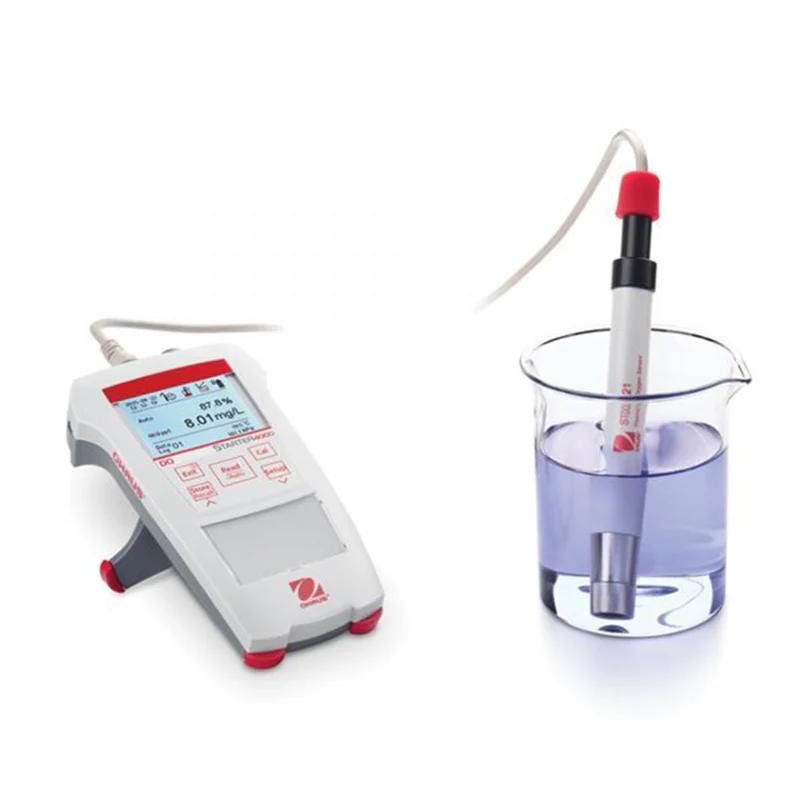
Ohaus ST400D-B Optical Portable Dissolved Oxygen Meter with Temperature Compensation

UsedOhausMetersUnited States

€1,730.09excl. VAT

In stock

Can't find what you're looking for?

Measurement Range
0.00 – 20.0 mg/L(ppm); 0 – 50 °C
Accuracy
±0.2 mg/L(< 8 mg/L) or ±0.3 mg/L(8~20 mg/L); ±0.3 °C
Measurement Resolution
0.01 mg/L; 0.1 °C; 0.1%
Display
Color LCD Graphics
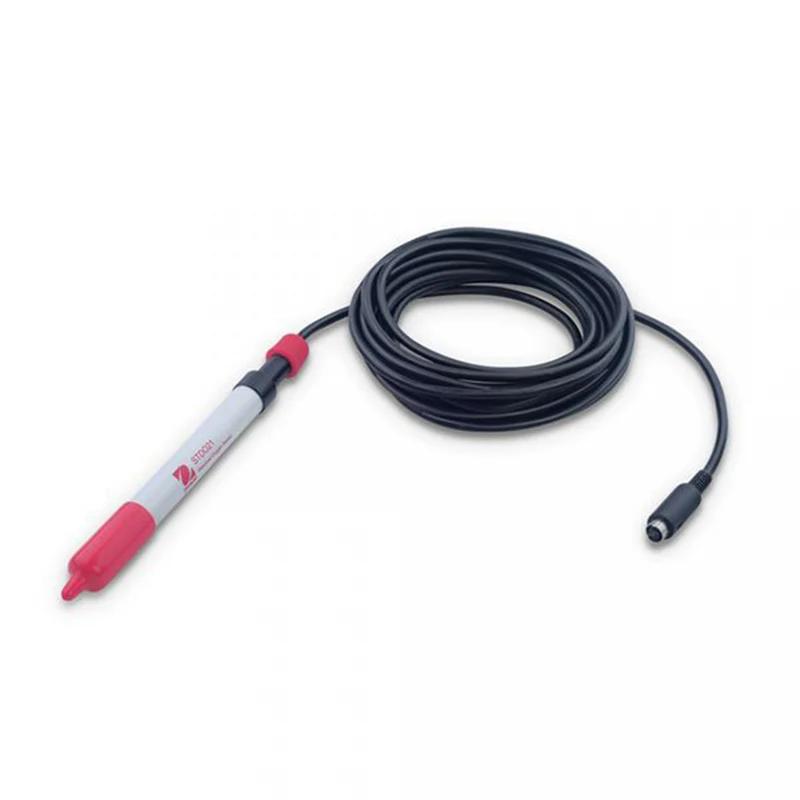
Electrode
STDO21 (Availabe as product)
All 23 specifications
  • Ships to NL
  • Response within 1 hour
  • Warranty available. Buy without worry
  • Support from a scientist

Specifications 23

Brands
Ohaus
New/Used
Used
Measurement Range
0.00 – 20.0 mg/L(ppm); 0 – 50 °C
Accuracy
±0.2 mg/L(< 8 mg/L) or ±0.3 mg/L(8~20 mg/L); ±0.3 °C
Measurement Resolution
0.01 mg/L; 0.1 °C; 0.1%
Display
Color LCD Graphics
Electrode
STDO21 (Availabe as product)
Accuracy DO
0.2 ppm
Accuracy ± (Temperature)
0.3 °C
Battery Life
12 hours with Disposable Batteries
Calibration
2 Point
Dimensions (HxLxW)
1.38 in x 5.91 in x 3.54 in (35 mm x 150 mm x 90 mm)
In-use cover
No
Measurement Range DO
0 ppm – 20 ppm
Measurement Range (Temperature)
0 °C – 50 °C
Net Weight
0.35 lb (0.16 kg)
Parameter
Dissolved Oxygen
Power
4 AAA (LR03) Batteries (Included)
Resolution (DO)
0.01
Temperature Compensation
Automatic
Temperature Resolution
0.1 °C
Temperature Sensor
10 KΩ NTC
Working Environment
41°F – 104°F, 80%RH, non-condensing (5°C – 40°C, 80%RH, non-condensing)

Product description

Portable Ohaus DO meter with optical sensor, 0–20 mg/L DO range, automatic temp compensation, 12h battery life.

Ohaus ST400D-B DO Meter (Part #30378541)

  • Measurement Range: 0.00 – 20.0 mg/L (ppm) dissolved oxygen; 0 – 50 °C temperature
  • Accuracy: ±0.2 mg/L (<8 mg/L DO) or ±0.3 mg/L (8–20 mg/L DO); temperature ±0.3 °C
  • Resolution: 0.01 mg/L DO; 0.1 °C temperature; 0.1% DO saturation
  • Display: Color LCD graphics
  • Electrode: STDO21 galvanic electrode (available separately), ready-to-use on power-up
  • Calibration: 2-point calibration, automatic or manual endpoints, stores last calibration data
  • Battery: Powered by 4 AAA (LR03) disposable batteries, approx. 12 hrs operation
  • Dimensions: 35 mm x 150 mm x 90 mm (HxLxW)
  • Weight: 0.16 kg (0.35 lb)
  • Temperature Compensation: Automatic with 10 KΩ NTC sensor
  • Operating Environment: 5°C–40°C (41°F–104°F), 80% RH non-condensing
  • Features:
  • Immediate use upon power on, no warm-up required
  • Easy-to-use with quick measurements and simple calibration
  • Portable, low-maintenance optical dissolved oxygen analyzer suitable for lab and field measurements

Why Questpair exists

Lab equipment markets are fragmented. Buyers spend weeks calling distributors, comparing quotes, and verifying supplier reliability. Sellers struggle to reach global research labs.

We built Questpair to fix this. Every supplier on the platform is verified before listing. Every quote you receive comes from a real, vetted seller. AI prepares your case in minutes, then a real specialist takes over.

We're an independent team based in The Netherlands, working with research labs and procurement teams across Europe and worldwide.

Frequently asked questions

How long does laboratory equipment typically last?

With a service contract, ten to fifteen years is normal for most benchtop instruments. Detectors and pumps are the parts that wear first.

Can I get service for older equipment?

Yes. Every verified supplier states which service partners cover the instrument, and we list that alongside the offer.

Where can I buy parts?

Ask a scientist through the request button. Parts are often available even when the instrument itself is discontinued.

What is the typical lead time for refurbished equipment?

Two to six weeks, depending on refurbishment scope and whether calibration is included.

Does laboratory equipment ship internationally?

We ship to 38 countries. Crating and customs handling are quoted with the instrument.

Reply in one hour

Can't find the exact configuration?

Tell us what you need and a scientist finds it for you, usually within the hour.

Last updated 19 October 2026