Price on request
In stock
Can't find what you're looking for?
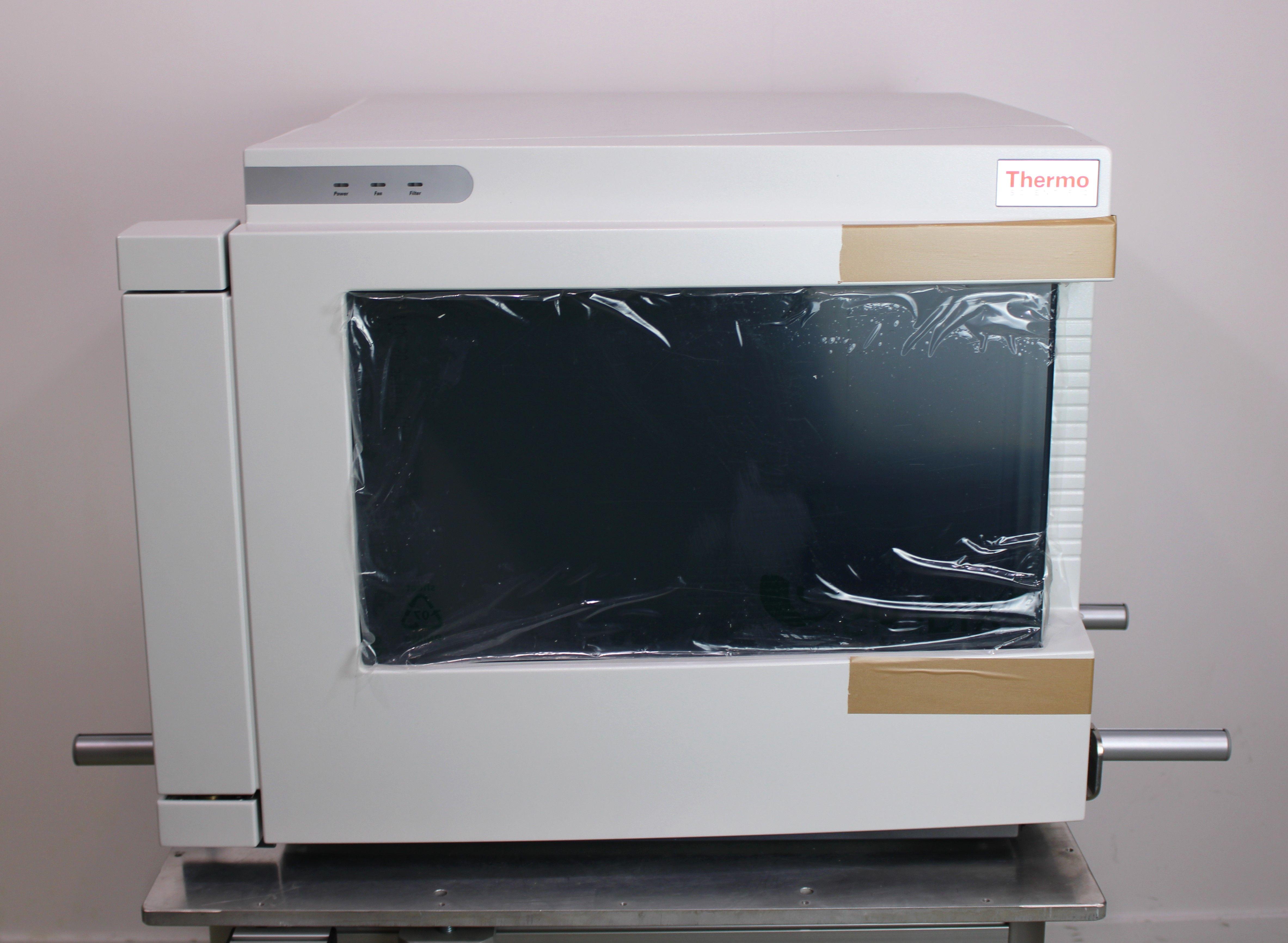
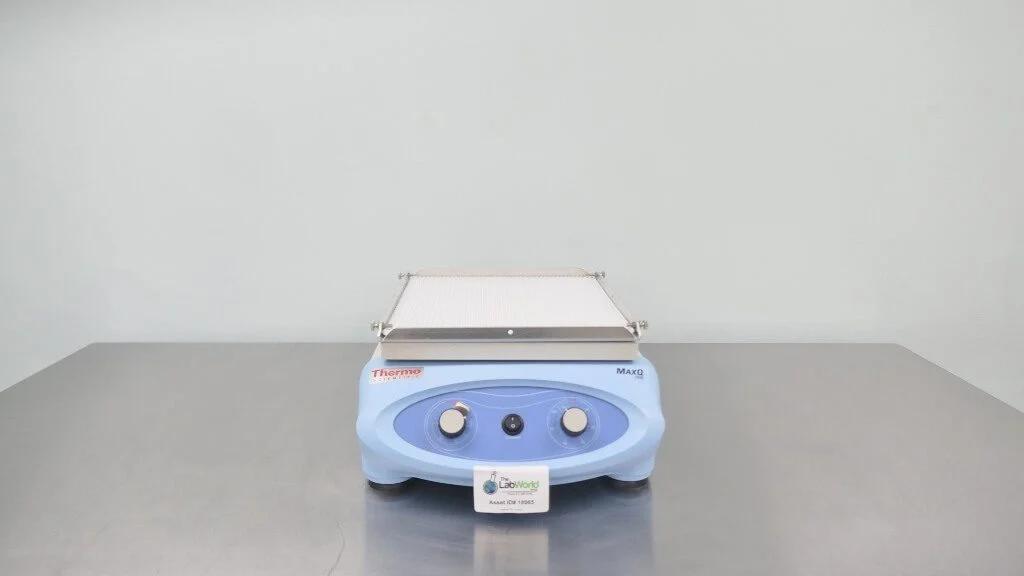
Heavy-duty Thermo MaxQ 416 orbital shaker with 30×18 in platform, 71 lb capacity, 25–525 rpm range, CO₂ compatible.
The Thermo Scientific MaxQ 416 is a heavy-duty table top orbital shaker designed for reliable mixing in biotechnology, molecular diagnostics, and biochemical research workflows. Featuring a 30 × 18 inch platform and a robust 71 lb (32 kg) load capacity, it bridges the gap between compact benchtop shakers and full-size floor models. The shaker operates with a 2.5 cm (1 inch) orbital motion at speeds ranging from 25 to 525 ±1 rpm, supporting uniform agitation of flasks, bottles, and other secured lab vessels essential for bioprocessing and synthetic biology protocols.
Key features include a triple-counterbalanced drive system that ensures stable, consistent orbital shaking under heavy loads, critical in applications such as cell culture and protein expression studies. The digital control panel provides a backlit display with icon-based user interface for easy setting of speed and timer parameters, programmable from 5 minutes up to 200 hours, including continuous operation modes, enabling unattended, long-duration mixing needed in molecular cloning workflows.
Engineered for flexible lab environments, the MaxQ 416 accepts operating temperatures from 4°C to 60°C and tolerates 20% to 90% non-condensing relative humidity, making it suitable for placement in CO₂ incubators and temperature-controlled chambers frequently used in clinical diagnostics and live cell imaging. Its compact 25 × 26 × 9 inch footprint maximizes bench space while delivering enhanced capacity and performance required in biomanufacturing and biomedical engineering research.
This orbital shaker is widely used in life sciences research laboratories requiring reliable sample agitation with precise environmental control. Its compatibility with incubation conditions and programmable operation makes it indispensable for applications including fluorescence analysis, protein crystallization, and cell suspension cultures, reinforcing its role as a critical instrument in biotechnology and biopharmaceutical production pipelines.
Lab equipment markets are fragmented. Buyers spend weeks calling distributors, comparing quotes, and verifying supplier reliability. Sellers struggle to reach global research labs.
We built Questpair to fix this. Every supplier on the platform is verified before listing. Every quote you receive comes from a real, vetted seller. AI prepares your case in minutes, then a real specialist takes over.
We're an independent team based in The Netherlands, working with research labs and procurement teams across Europe and worldwide.
With a service contract, ten to fifteen years is normal for most benchtop instruments. Detectors and pumps are the parts that wear first.
Yes. Every verified supplier states which service partners cover the instrument, and we list that alongside the offer.
Ask a scientist through the request button. Parts are often available even when the instrument itself is discontinued.
Two to six weeks, depending on refurbishment scope and whether calibration is included.
We ship to 38 countries. Crating and customs handling are quoted with the instrument.
Tell us what you need and a scientist finds it for you, usually within the hour.
Last updated 19 October 2026
The middle half of the 3,026 with a price runs from €65 to €1,488.