51k+ listingsShips to NLResponse within one hour+31 73 711 4717info@questpair.com

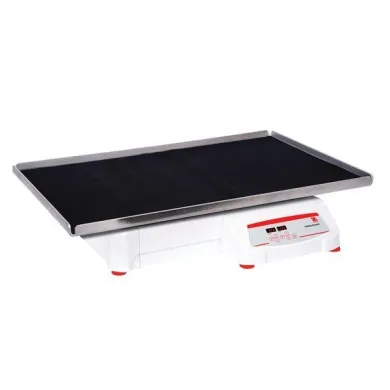
Ohaus Roto-Rock Genie SI-R100 Laboratory Rocking and Rotating Mixer, 120V

UsedOhausSample preparationUnited States

From€2,729.28excl. VAT

In stock

Can't find what you're looking for?

Motion
Rock; Rotate; Timed auto-switch Rock/Rotate
Capacity
4.5 kg/10 lb centered on axis for rotating / rocking
Tray Size
12 in x 12 in (300 mm x 300 mm) (LxW)
Control
Touch control
Rocking Speed
1 rpm - 70 rpm
All 16 specifications
  • Ships to NL
  • Response within 1 hour
  • Warranty available. Buy without worry
  • Support from a scientist

Specifications 16

Brands
Ohaus
New/Used
Used
Motion
Rock; Rotate; Timed auto-switch Rock/Rotate
Capacity
4.5 kg/10 lb centered on axis for rotating / rocking
Tray Size
12 in x 12 in (300 mm x 300 mm) (LxW)
Control
Touch control
Rocking Speed
1 rpm - 70 rpm
Dimensions
12 in x 15 in x 15.75 in (300 mm x 380 mm x 400 mm) (LxHxW)
Magnetic Platform Size
10 in x 12.7 in (250 mm x 320 mm) (LxW)
Working Environment
0°C - 38°C, 95%RH, non-condensing (32°F - 100°F, 95%RH, non-condensing)
Tilt Angle
0 – 25°
Accessories Included
Rocking Tray; Magnetic Platform
Net Weight
21.3 lb (9.7 kg)
Safety Certification
CE
Rotating Speed
1 rpm - 35 rpm
Power
24 V DC, 2.5A

Product description

Versatile benchtop rotator mixer with rock and rotate modes, adjustable speed, magnetic platform for protein and cell sample mixing.

The Ohaus Roto-Rock Genie SI-R100 is a precision benchtop laboratory rotator mixer designed for *biotechnology*, molecular diagnostics, and clinical research workflows. It supports *rocking* and *rotating* motions with a timed auto-switch, catering to applications such as blood sample mixing, protein immunoprecipitation, ELISA reagent mixing, and cell lysis buffer agitation.

  • Motion Modes: Rock, Rotate, and timed automatic switching between rock/rotate
  • Capacity: Supports up to 4.5 kg (10 lb) load centered on axis
  • Tray Dimensions: 12 in x 12 in (300 mm x 300 mm) platform suitable for microplate and tube racks
  • Control Interface: Touchscreen LCD for precise speed and mode adjustments
  • Speeds: Rocking from 1 to 70 rpm; rotating from 1 to 35 rpm, adaptive for gentle to vigorous mixing
  • Tilt Angle: Adjustable between 0° to 25° accommodating various sample mixing protocols
  • Magnetic Platform: 10 in x 12.7 in (250 mm x 320 mm) magnetic surface supports secure sample holding critical in protein purification and hybridization protocols
  • Operating Environment: 0°C to 38°C, 95% relative humidity (non-condensing), optimal for controlled temperature lab settings
  • Power Requirements: 120V AC input with 24 V DC, 2.5A output power supply included
  • Construction: Durable plastic with coated sheet metal housing and rubber feet for stable lab bench operation
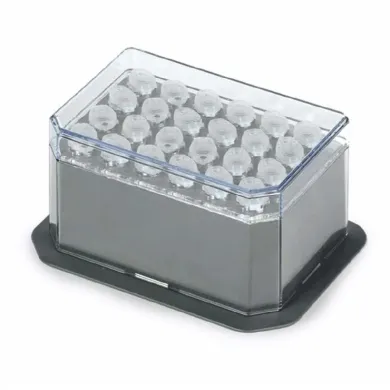
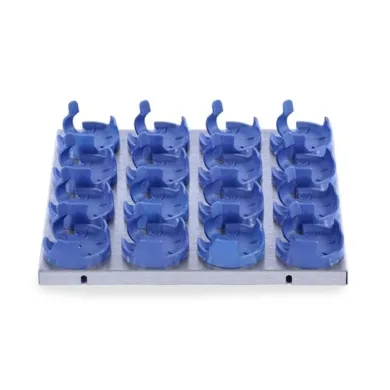
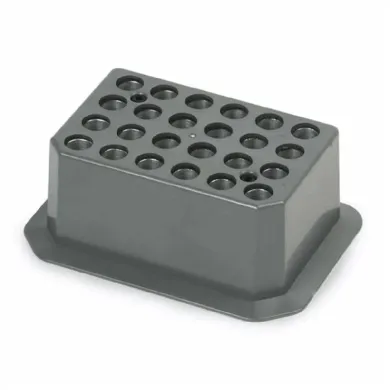
  • Accessories: Includes rocking tray and magnetic platform; optional stacking trays and magnetic microtube boxes expand capacity and versatility

This rotator mixer is widely used in *synthetic biology research*, molecular biology laboratories, and *bioprocessing* environments where precise, reproducible agitation is essential. Its compatibility with multiple sample types and volumes makes it critical in *biopharmaceutical production pipelines* and *gene editing* protocols requiring consistent hybridization and incubation conditions.

Why Questpair exists

Lab equipment markets are fragmented. Buyers spend weeks calling distributors, comparing quotes, and verifying supplier reliability. Sellers struggle to reach global research labs.

We built Questpair to fix this. Every supplier on the platform is verified before listing. Every quote you receive comes from a real, vetted seller. AI prepares your case in minutes, then a real specialist takes over.

We're an independent team based in The Netherlands, working with research labs and procurement teams across Europe and worldwide.

Frequently asked questions

How long does laboratory equipment typically last?

With a service contract, ten to fifteen years is normal for most benchtop instruments. Detectors and pumps are the parts that wear first.

Can I get service for older equipment?

Often, yes. Verified suppliers frequently work with service partners converting the instrument. If applicable, we can list servicing options alongside the offer.

Where can I buy parts?

Ask a scientist through the request button. Parts are often available even when the instrument itself is discontinued.

What is the typical lead time for refurbished equipment?

Two to six weeks, depending on refurbishment scope and whether calibration is included.

Does laboratory equipment ship internationally?

We ship to 38 countries. Crating and customs handling are quoted with the instrument.

Reply in one hour

Can't find the exact configuration?

Tell us what you need and a scientist finds it for you, usually within the hour.

Last updated 17 November 2026