58k+ listingsShips to NLResponse within one hour+31 73 711 4717info@questpair.com

Globe Scientific GVM-AS-EU Variable Speed Orbital Vortex Mixer with Touch and Continuous Modes

From€213.79excl. VAT

In stock

Can't find what you're looking for?

Specifications
GVM-AS
Voltage
110-120V/220-230V, 50/60Hz
Power
60W
Mixing Motion
Orbital
Orbital Diameter
4mm
All 18 specifications
  • Ships to NL
  • Response within 1 hour
  • Warranty available. Buy without worry
  • Support from a scientist

Specifications 18

Brands
Globe Scientific
New/Used
Used
Specifications
GVM-AS
Voltage
110-120V/220-230V, 50/60Hz
Power
60W
Mixing Motion
Orbital
Orbital Diameter
4mm
Motor Type
Shaded pole motor
Motor Rating Input
58W
Motor Rating Output
10W
Speed Range
0 to 2500rpm
Speed Display
Scale
Run Type
Touch operation or continuous
Dimensions (W x D x H)
127 x 130 x 160mm (5 x 5.1 x 6.3")
Weight
3.5 Kg (7.7 lbs)
Operating Temperature
5 to 40°C
Permissible Relative Humidity
80% RH (non-condensing)
Protection Class
IP21

Product description

Variable speed orbital vortex mixer (0-2500 rpm) with touch and continuous modes, compact design, stable for diverse lab mixing.

The Globe Scientific GVM-AS-EU is a variable speed orbital vortex mixer designed for precise laboratory mixing applications, widely used in biotechnology, molecular diagnostics, and clinical research workflows. Featuring a speed control range of 0 to 2500 rpm, the unit provides efficient vortex mixing for various tube types, essential for bioprocessing and gene editing preparatory processes.

Key functional specifications include:

  • Orbital mixing motion with a 4 mm orbital diameter, facilitating consistent and homogenous sample mixing.
  • Touch operation or continuous run mode, allowing flexibility for diverse experimental protocols including live-cell imaging and synthetic biology assays.
  • A robust shaded pole motor with 58W input power and 10W output ensures reliable performance with minimal noise and vibration.
  • The mixer’s cast aluminum heavy-duty base combined with vacuum suction feet delivers exceptional stability during operation, critical when handling delicate biomolecular samples or during biopharmaceutical manufacturing steps.
  • Compact footprint with dimensions of 127 x 130 x 160 mm and weight of 3.5 kg, convenient for benchtop use in biotechnology labs.
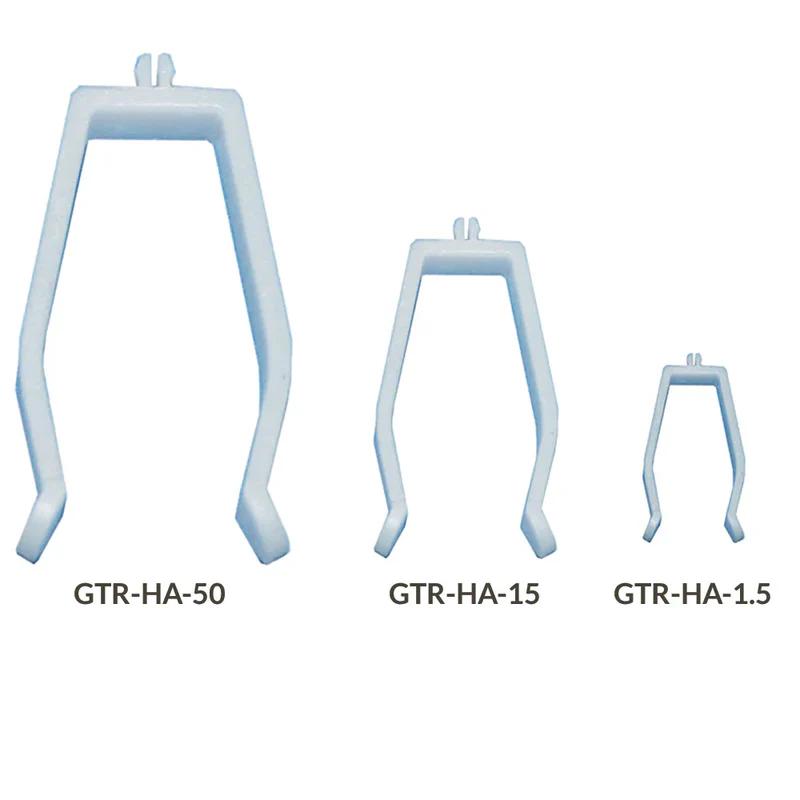
  • Wide compatibility with optional adapter accessories tailored for different tube sizes and types, supporting multiplexed sample processing common in molecular cloning and synthetic biology research.
  • Operating voltage adaptable between 110-120V and 220-230V with 50/60 Hz frequency, suitable for global laboratory environments.
  • Operational environmental parameters include a temperature range of 5 to 40°C and permissible relative humidity up to 80% non-condensing, ensuring reliable performance under standard lab conditions.
  • Compliance with protection class IP21 safeguards internal components from light water exposure, enhancing durability in clinical diagnostics and biomedical engineering labs.

This vortex mixer is critical in biomanufacturing and molecular biology laboratories, offering reliable, high-performance mixing essential for sample preparation in biotechnology research, molecular diagnostics, and clinical sample processing. It is a preferred choice for researchers needing consistent vortexing performance with customizable speed control and stability for multiple simultaneous samples.

Why Questpair exists

Lab equipment markets are fragmented. Buyers spend weeks calling distributors, comparing quotes, and verifying supplier reliability. Sellers struggle to reach global research labs.

We built Questpair to fix this. Every supplier on the platform is verified before listing. Every quote you receive comes from a real, vetted seller. AI prepares your case in minutes, then a real specialist takes over.

We're an independent team based in The Netherlands, working with research labs and procurement teams across Europe and worldwide.

Frequently asked questions

How long does laboratory equipment typically last?

With a service contract, ten to fifteen years is normal for most benchtop instruments. Detectors and pumps are the parts that wear first.

Can I get service for older equipment?

Yes. Every verified supplier states which service partners cover the instrument, and we list that alongside the offer.

Where can I buy parts?

Ask a scientist through the request button. Parts are often available even when the instrument itself is discontinued.

What is the typical lead time for refurbished equipment?

Two to six weeks, depending on refurbishment scope and whether calibration is included.

Does laboratory equipment ship internationally?

We ship to 38 countries. Crating and customs handling are quoted with the instrument.

Reply in one hour

Can't find the exact configuration?

Tell us what you need and a scientist finds it for you, usually within the hour.

Last updated 19 October 2026