58k+ listingsShips to NLResponse within one hour+31 73 711 4717info@questpair.com

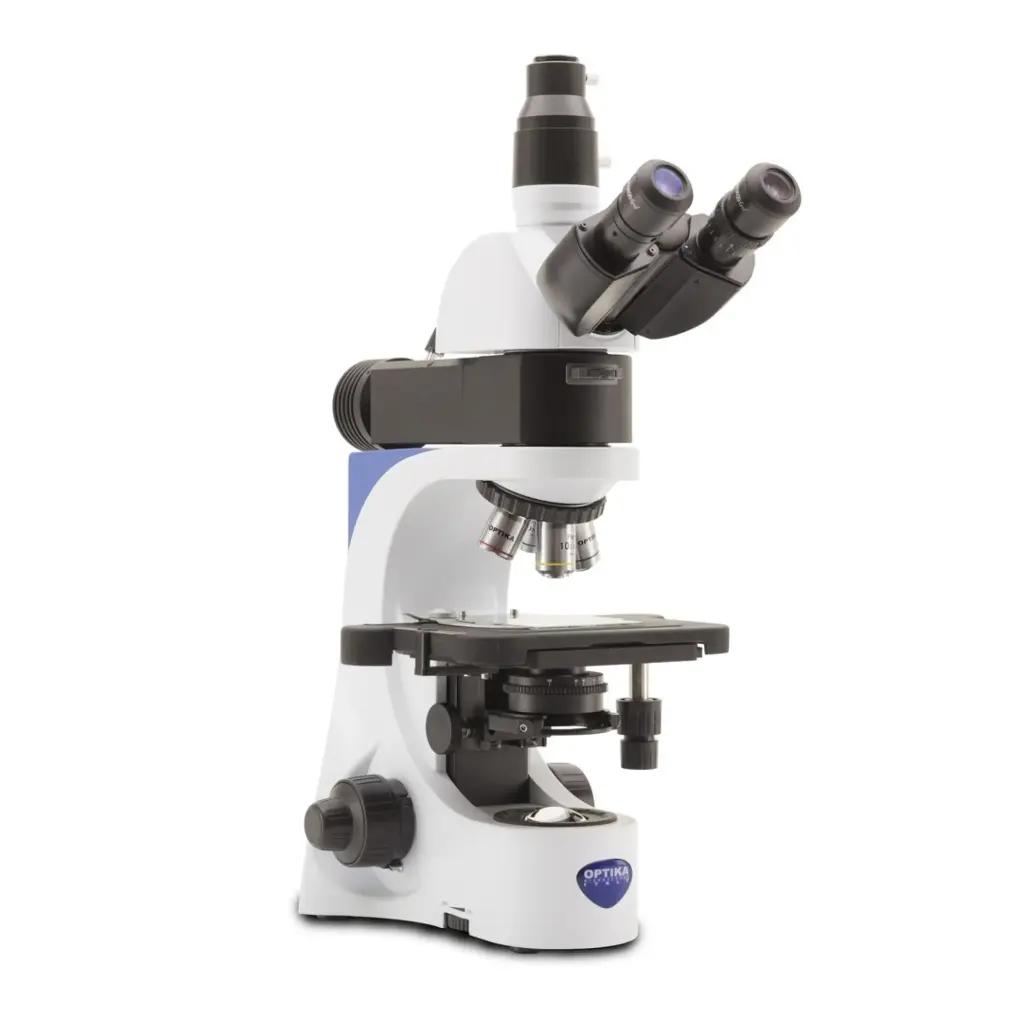
Trinocular Stereozoom Microscope with Brightfield and Darkfield Illumination for Gemology

NewMicroscopesUnited States

€2,670.32excl. VAT

In stock

Can't find what you're looking for?

New/Used
New
  • Ships to NL
  • Response within 1 hour
  • Warranty available. Buy without worry
  • Support from a scientist

Product description

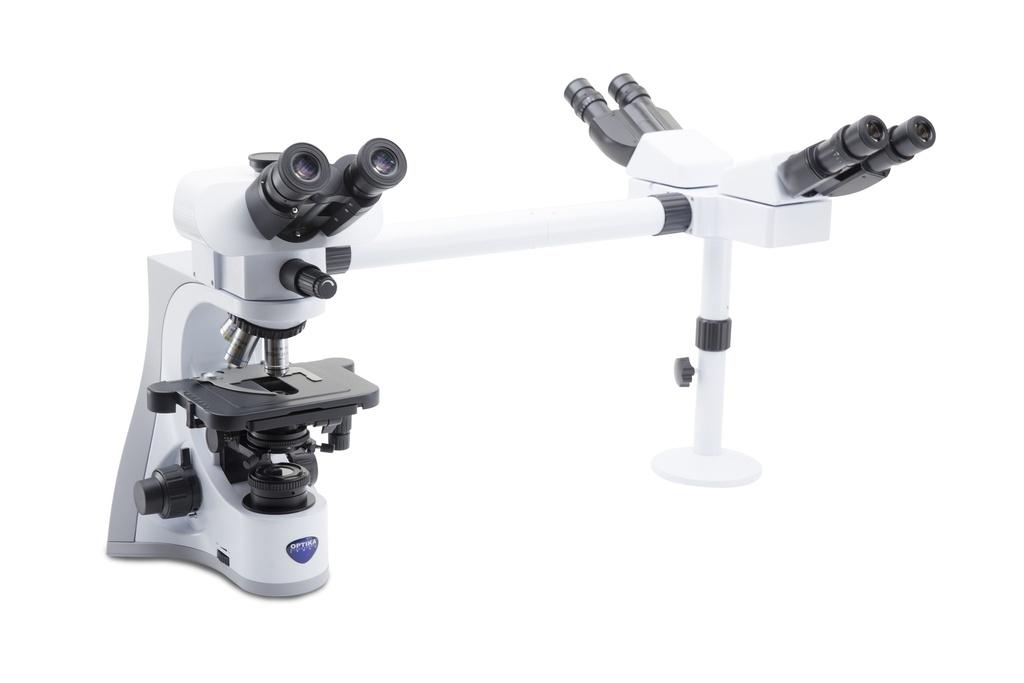
Trinocular stereozoom microscope with 6.43:1 zoom, LED brightfield/darkfield lighting, and adjustable interpupillary distance.

This trinocular stereozoom microscope is specifically designed for precision gemological analysis, integrating both brightfield and darkfield illumination utilizing advanced LED technology. Key features include:

  • Optical system: Parfocal achromatic zoom objective with a 0.7x to 4.5x magnification range (zoom factor 6.43:1) enabling detailed stereo imaging essential for gemstone inspection and biotechnological applications requiring high-resolution 3D visualization.
  • Observation modes: Dual brightfield and darkfield illumination supports enhanced contrast for transparent and reflective sample examination, critical in molecular diagnostics and synthetic biology workflows involving crystal and particle analysis.
  • Ergonomics: Trinocular head, 45° inclined and 360° rotatable, with adjustable interpupillary distance from 51 to 75 mm, ensures comfortable viewing during extended microscopy sessions, widely used in bioprocessing labs and quality control in biomanufacturing.
  • Eyepieces: Widefield (WF) 10x/21 mm high eye-point eyepieces allow detailed specimen assessment with minimal eye strain, suitable for clinical diagnostics and biotechnology research.
  • Stage and focusing: Gemological specimen stage equipped with clamp for secure sample positioning; rack and pinion focusing mechanism with dual control knobs provides precise focusing crucial for live-cell imaging and fluorescence analysis in research settings.
  • Illumination system:
  • *Darkfield*: Innovative side-emitting LED ring with a 38° emission angle and dimming control enhances edge contrast and detail detection for synthetic biology sample characterization.
  • *Transmitted light*: Under-stage LED illuminator with adjustable brightness for consistent specimen illumination in biophysical and biochemical assays.
  • *Incident light*: Flexible gooseneck 4-LED illuminator with brightness regulation provides targeted surface illumination, optimizing observations of surface morphology in molecular cloning workflows.
  • Color temperature: Pure white at 6,300 K ensures natural specimen color rendition critical for accurate analysis in clinical and research laboratories.
  • Stand design: Fixed arm with tilting and complete overturn capability offers a dual usage mode—standard observation and water-immersion observation—ideal for applications in cell imaging and biomedicine.

This sophisticated stereozoom microscope is essential in biotechnology and biomedical engineering environments, offering consistent performance for molecular diagnostics, bioprocessing, and biomanufacturing quality assessments. Its versatile illumination and ergonomic design support precise analysis widely adopted in gemology, synthetic biology research, and clinical microscopy workflows.

Why Questpair exists

Lab equipment markets are fragmented. Buyers spend weeks calling distributors, comparing quotes, and verifying supplier reliability. Sellers struggle to reach global research labs.

We built Questpair to fix this. Every supplier on the platform is verified before listing. Every quote you receive comes from a real, vetted seller. AI prepares your case in minutes, then a real specialist takes over.

We're an independent team based in The Netherlands, working with research labs and procurement teams across Europe and worldwide.

Frequently asked questions

How long does laboratory equipment typically last?

With a service contract, ten to fifteen years is normal for most benchtop instruments. Detectors and pumps are the parts that wear first.

Can I get service for older equipment?

Yes. Every verified supplier states which service partners cover the instrument, and we list that alongside the offer.

Where can I buy parts?

Ask a scientist through the request button. Parts are often available even when the instrument itself is discontinued.

What is the typical lead time for refurbished equipment?

Two to six weeks, depending on refurbishment scope and whether calibration is included.

Does laboratory equipment ship internationally?

We ship to 38 countries. Crating and customs handling are quoted with the instrument.

Reply in one hour

Can't find the exact configuration?

Tell us what you need and a scientist finds it for you, usually within the hour.

Last updated 19 October 2026