58k+ listingsShips to NLResponse within one hour+31 73 711 4717info@questpair.com

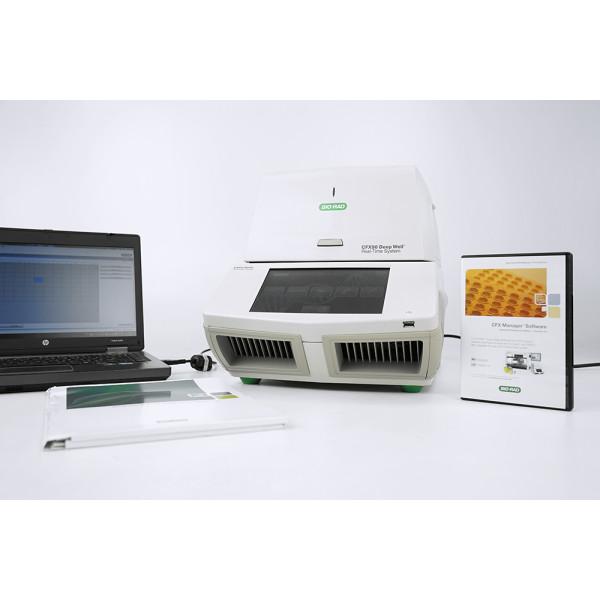
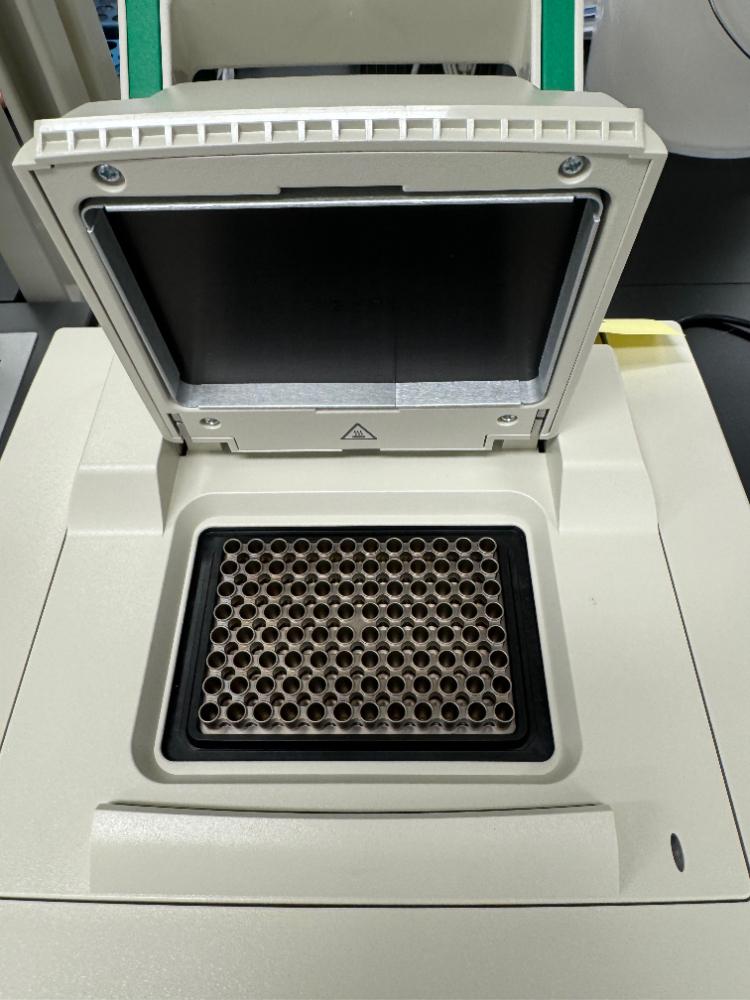
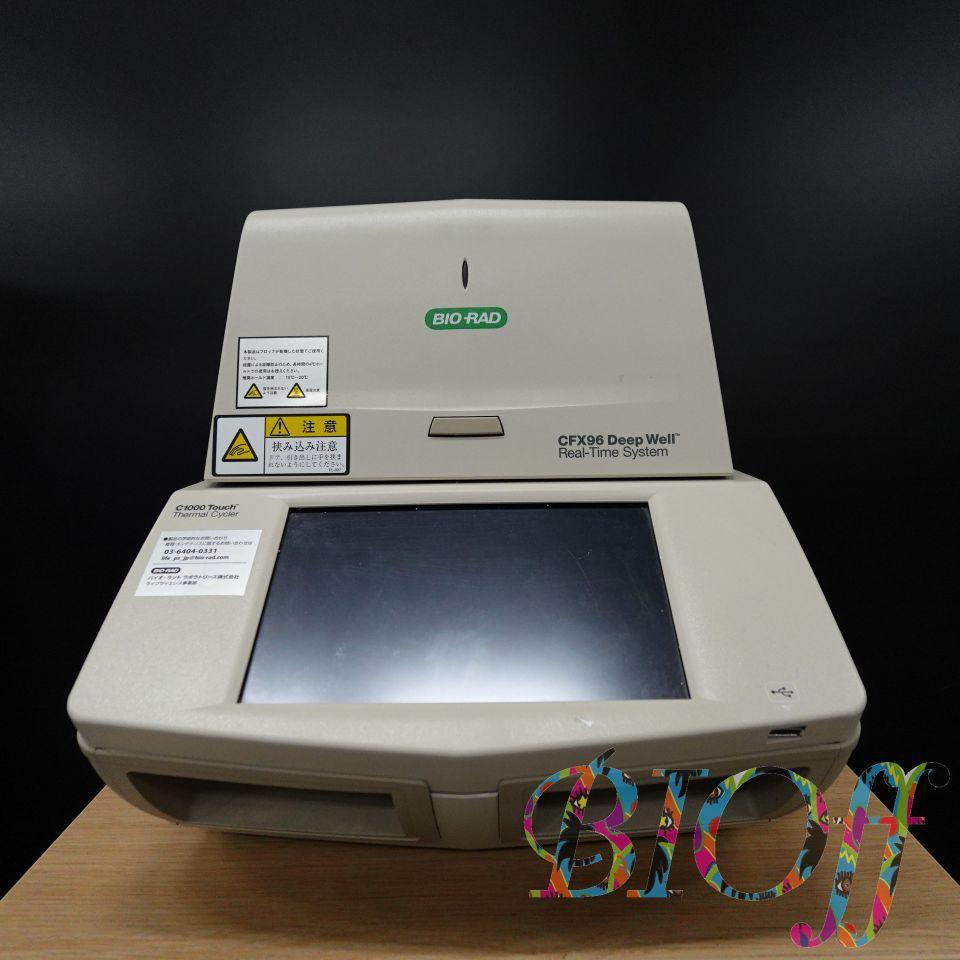
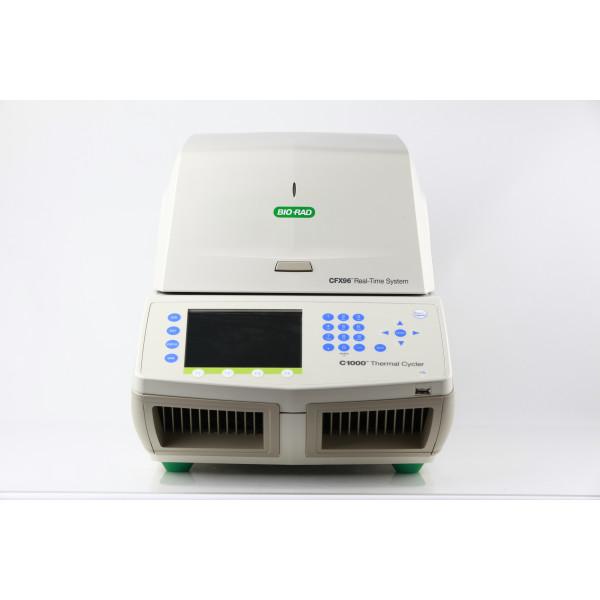
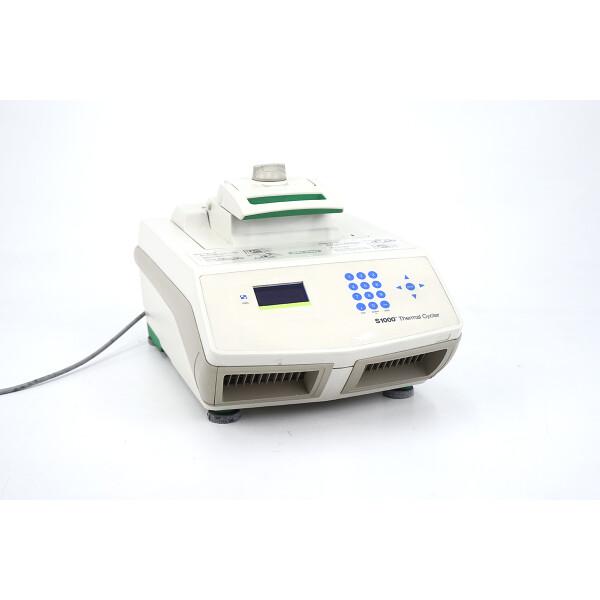
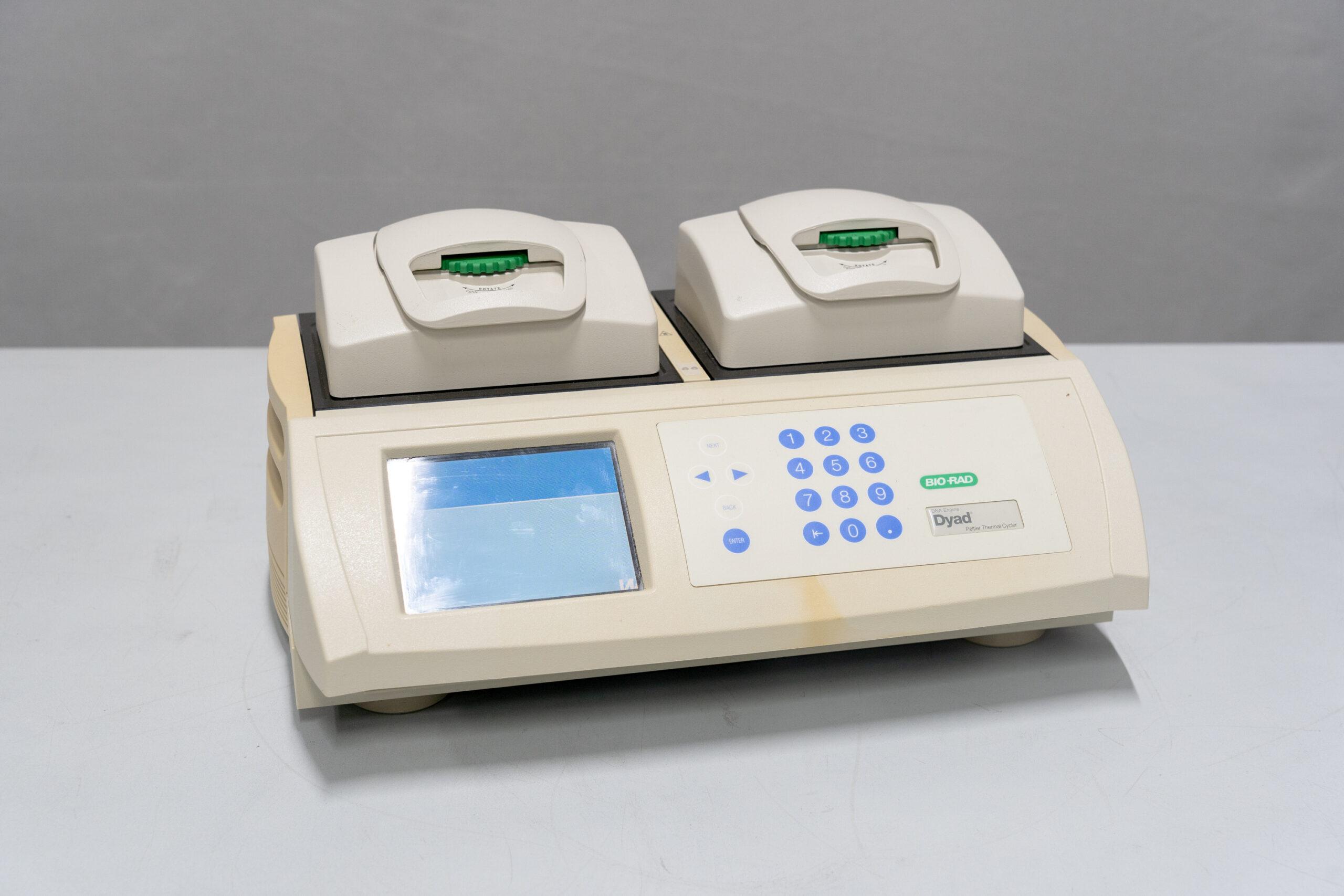
Bio-Rad CFX Opus 96 Real-Time PCR System with Gradient Thermal Cycling and Multiplex Fluorescence Detection

UsedBio-RadPCR equipmentUnited States

Price on request

In stock

Can't find what you're looking for?

Maximum ramp rate
5°C/sec
Average ramp rate
3.3°C/sec
Heating and cooling method
Peltier
Lid
30–110 °C
Temperature Range
4–100°C
All 25 specifications
  • Ships to NL
  • Response within 1 hour
  • Warranty available. Buy without worry
  • Support from a scientist

Specifications 25

Brands
Bio-Rad
New/Used
Used
Maximum ramp rate
5°C/sec
Average ramp rate
3.3°C/sec
Heating and cooling method
Peltier
Lid
30–110 °C
Temperature Range
4–100°C
Accuracy
±0.2°C of programmed target at 90°C
Uniformity
±0.3°Cwell-to-well after 10 sec of arrival at target
Operational range
30–100°C
Programmable span
1–24 °C
Excitation
6 filtered LEDs
Detection
6 filtered photodiodes
Range of excitation wavelengths, nm
450–684
Range of emission wavelengths, nm
515–730
Sensitivity
Detects 1 copy of target sequence in human genomic DNA
Dynamic range
10 orders of magnitude
Software Operating systems
Windows 10
Touch Screen
Adjustable from 15°–22°
Sample capacity
96-well
Sample size, µl
1–50 (10–50 recommended)
Communication interface
USB 2.0
Dimensions
13x26x14”
Weight
48lbs
Power
100-240v, 50/60hz, 850W

Product description

High-precision 96-well real-time PCR system with gradient heating, Peltier thermal control, and six-channel multiplex fluorescence detection.

The Bio-Rad CFX Opus 96 Real-Time PCR System is engineered for advanced molecular diagnostics, biotechnology research, and quantitative gene expression analysis. This 96-well qPCR instrument is equipped with a Peltier-based thermal cycler capable of precise temperature control between 4°C and 100°C, featuring a gradient function programmable from 1–24°C to optimize assay conditions across samples.

  • Thermal performance: Maximum ramp rate of 5°C/sec (average 3.3°C/sec), heated lid adjustable from 30–110°C ensures uniform amplification and minimizes condensation.
  • Optical system: Solid-state optics with six filtered LEDs (excitation wavelengths 450–684 nm) and six filtered photodiodes (emission wavelengths 515–730 nm) enable sensitive, multiplexed fluorescence detection across diverse chemistries, including SYBR Green, TaqMan, and hydrolysis probes.
  • Detection sensitivity: Capable of detecting a single copy of target sequences within human genomic DNA, suitable for high-sensitivity molecular cloning, gene editing validation, and molecular diagnostics workflows.
  • Connectivity & control: Supports Ethernet and Wi-Fi connections for remote operation; includes a tiltable touchscreen interface and compatibility with Windows 10-based control software, facilitating seamless integration into networked laboratory environments.
  • Sample capacity & handling: Standard 96-well block supporting 1–50 µL reaction volumes (recommended 10–50 µL), ideal for high-throughput qPCR assays in genomics, synthetic biology, and bioprocessing research.
  • Dimensions & power: Compact footprint (13"x26"x14"), weighing 48 lbs, with universal power input (100–240V, 50/60Hz), suitable for diverse laboratory settings.

This instrument is critical in biotechnology and biomedical engineering applications, widely used in gene expression profiling, synthetic biology research, and biopharmaceutical development where precision thermal cycling and multiplex fluorescence analysis are essential. Its robust dynamic range spanning 10 orders of magnitude supports quantitative analyses across a broad spectrum of nucleic acid concentrations, making it indispensable for molecular cloning workflows, molecular diagnostics, and bioprocessing pipelines.

Why Questpair exists

Lab equipment markets are fragmented. Buyers spend weeks calling distributors, comparing quotes, and verifying supplier reliability. Sellers struggle to reach global research labs.

We built Questpair to fix this. Every supplier on the platform is verified before listing. Every quote you receive comes from a real, vetted seller. AI prepares your case in minutes, then a real specialist takes over.

We're an independent team based in The Netherlands, working with research labs and procurement teams across Europe and worldwide.

Frequently asked questions

How long does laboratory equipment typically last?

With a service contract, ten to fifteen years is normal for most benchtop instruments. Detectors and pumps are the parts that wear first.

Can I get service for older equipment?

Yes. Every verified supplier states which service partners cover the instrument, and we list that alongside the offer.

Where can I buy parts?

Ask a scientist through the request button. Parts are often available even when the instrument itself is discontinued.

What is the typical lead time for refurbished equipment?

Two to six weeks, depending on refurbishment scope and whether calibration is included.

Does laboratory equipment ship internationally?

We ship to 38 countries. Crating and customs handling are quoted with the instrument.

Reply in one hour

Can't find the exact configuration?

Tell us what you need and a scientist finds it for you, usually within the hour.

Last updated 19 October 2026