From€308.24excl. VAT
In stock
Can't find what you're looking for?
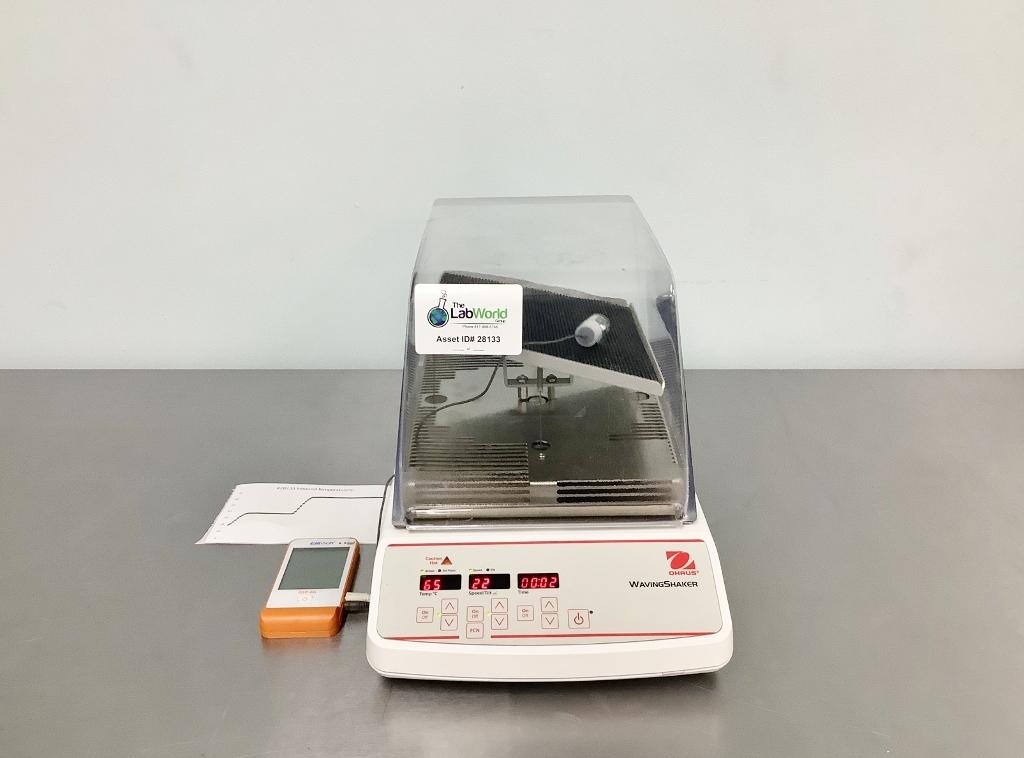
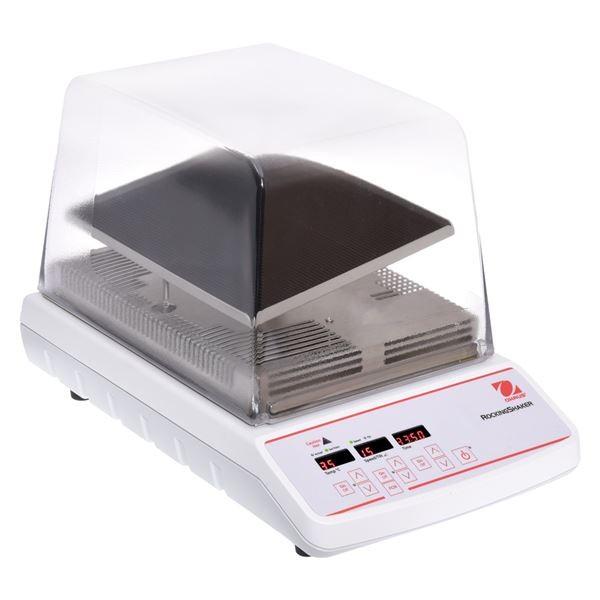
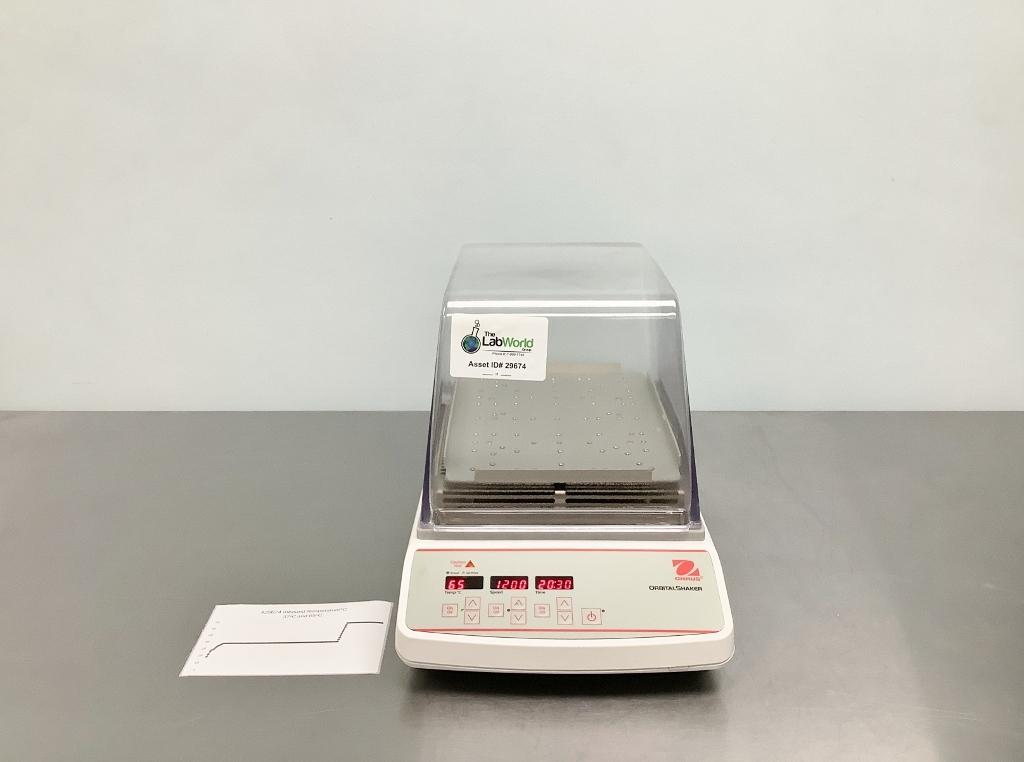
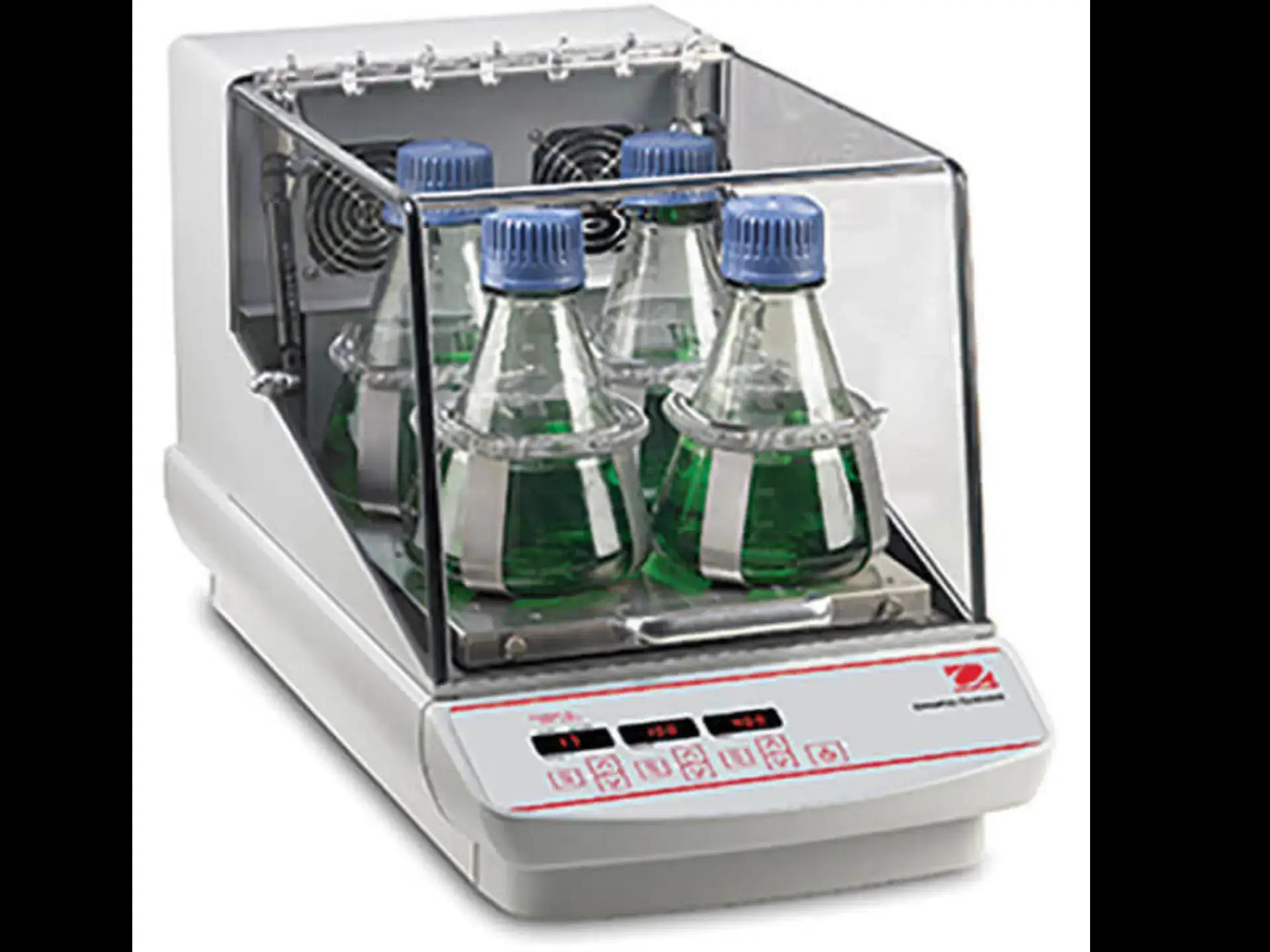
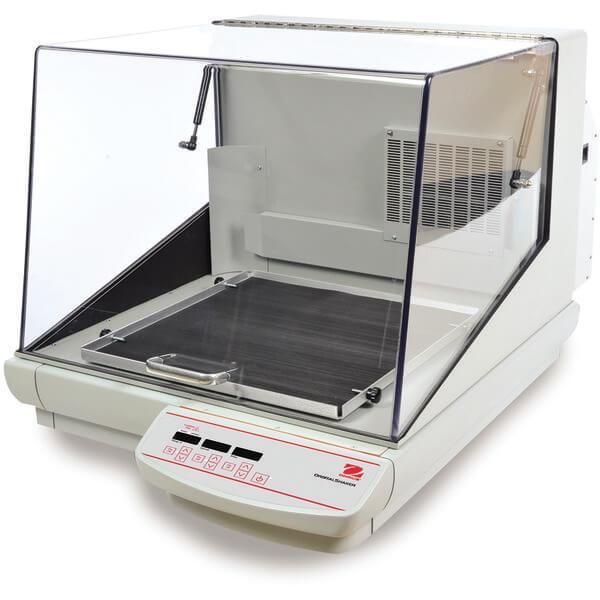
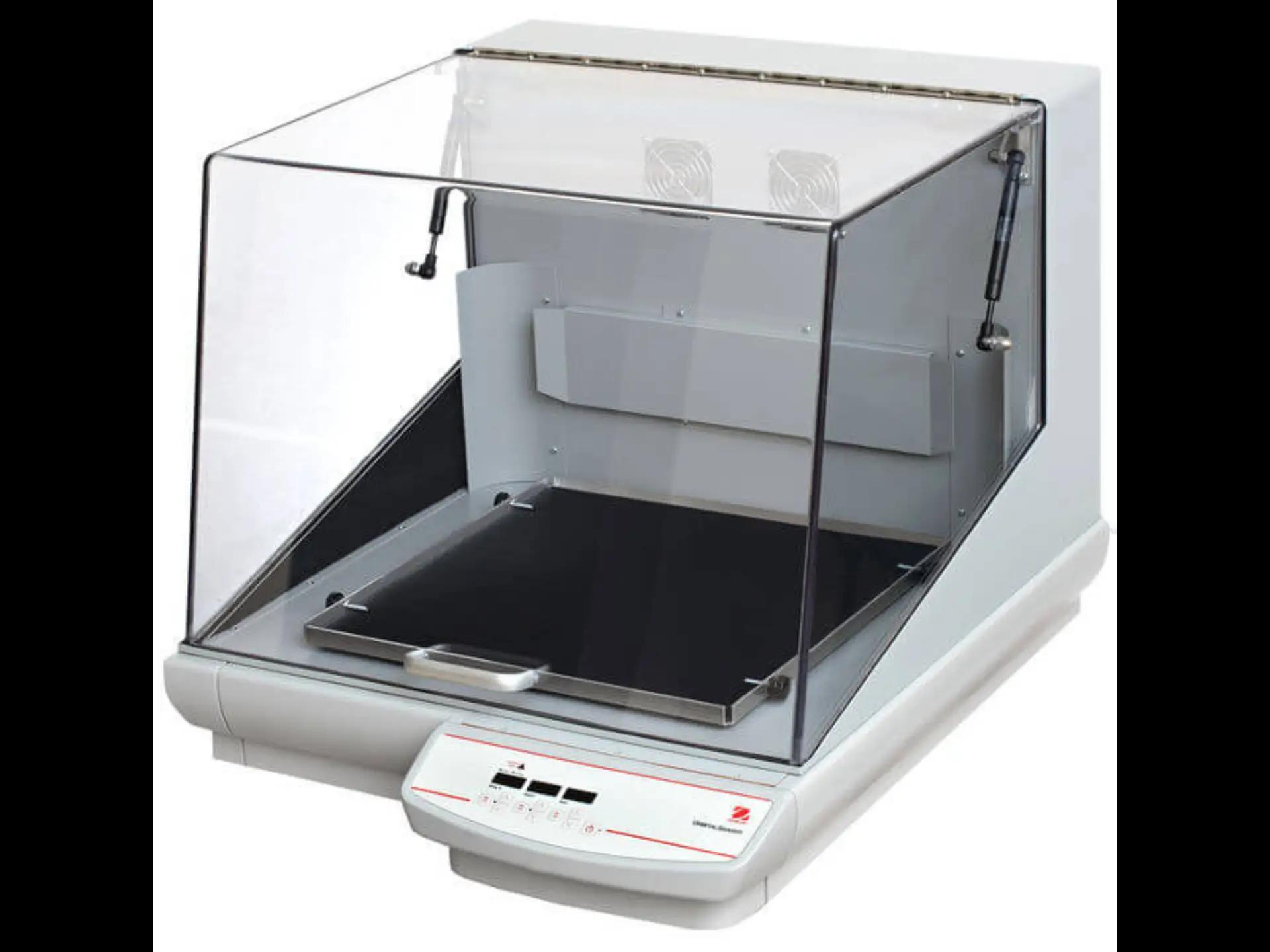
The Ohaus Incubator Genie SI-1400 is a versatile benchtop incubator designed for precise temperature-controlled applications in molecular diagnostics, bioprocessing, and cell culture workflows. It features a digital control system with temperature accuracy of ±0.2°C and uniformity within 0.5°C across its 24-liter chamber. This incubator supports a temperature range of 28°C to 75°C, ideal for protein expression studies, nucleic acid incubation, and enzyme reactions fundamental to biotechnology and synthetic biology research.
Key operational features include dual motion modes—rocking (6–70 rpm) and rotating (3–35 rpm)—to support suspension cell culture, immunostaining protocols, and hybridization workflows commonly encountered in molecular cloning and biomedical engineering. The incubator accommodates a 4.5 kg (10 lb) load centered on the motion axis, enhancing reproducibility in experimental procedures.
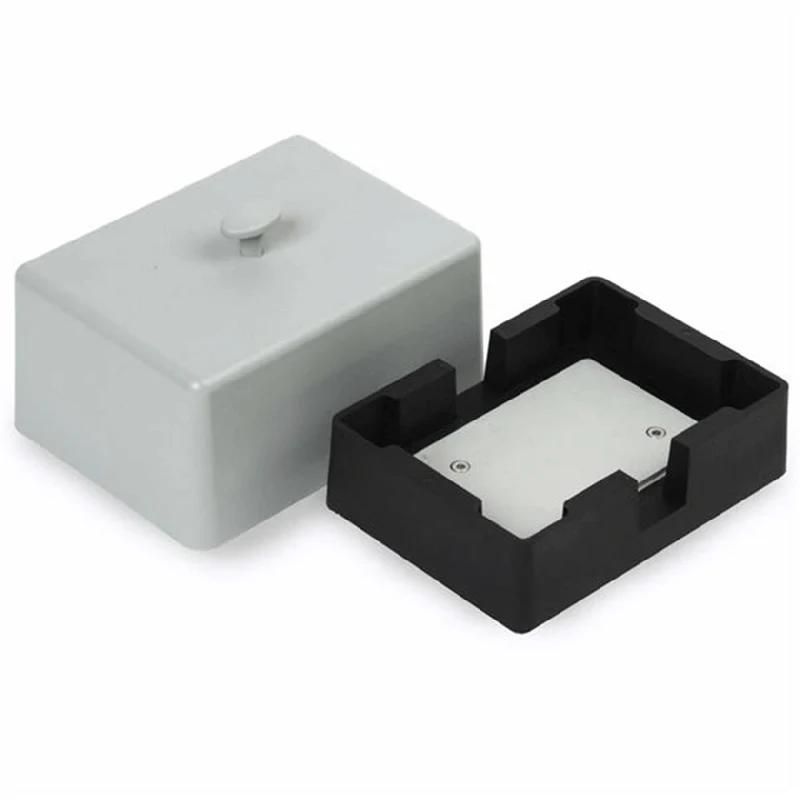
Its construction incorporates a coated metal enclosure with rubber feet and a rotating platform, complemented by accessories such as clip plates for various tube sizes, a non-skid tray, and wire racks for stacking to optimize shelf space in temperature-controlled environments. The unit includes an independent LED display and digital calibration functionality, enabling precise environmental monitoring and control critical for consistent experimental outcomes.
Additional features suitable for biomedical and biopharmaceutical production pipelines include a visible and audible temperature alarm system, CE certification for safety compliance, and multi-voltage power compatibility (100 VAC, 120 VAC, 230 VAC). Communication capabilities via RS232 port are available for integration with laboratory data management systems.
Overall, this incubator is essential for researchers engaged in molecular diagnostics, live-cell incubation, and biological sample preparation, offering reliable temperature control combined with adjustable mixing motions, which are widely used in synthetic biology research and bioprocess development.
Lab equipment markets are fragmented. Buyers spend weeks calling distributors, comparing quotes, and verifying supplier reliability. Sellers struggle to reach global research labs.
We built Questpair to fix this. Every supplier on the platform is verified before listing. Every quote you receive comes from a real, vetted seller. AI prepares your case in minutes, then a real specialist takes over.
We're an independent team based in The Netherlands, working with research labs and procurement teams across Europe and worldwide.
With a service contract, ten to fifteen years is normal for most benchtop instruments. Detectors and pumps are the parts that wear first.
Yes. Every verified supplier states which service partners cover the instrument, and we list that alongside the offer.
Ask a scientist through the request button. Parts are often available even when the instrument itself is discontinued.
Two to six weeks, depending on refurbishment scope and whether calibration is included.
We ship to 38 countries. Crating and customs handling are quoted with the instrument.
Tell us what you need and a scientist finds it for you, usually within the hour.
Last updated 19 October 2026
€308 sits in the middle range incubators here. The middle half of the 1,008 with a price runs from €224 to €4,643.