€5,786.32excl. VAT
In stock
Can't find what you're looking for?
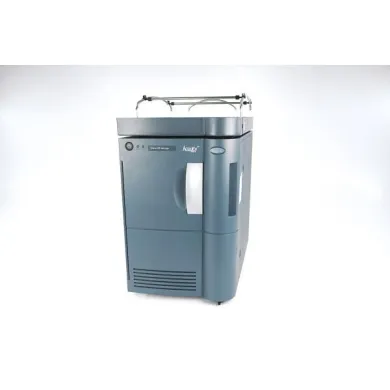
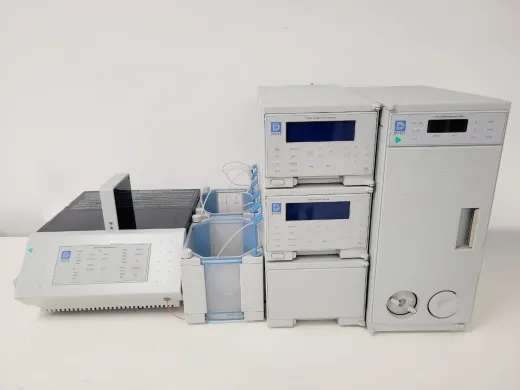
High-sensitivity Shimadzu LCMS-2010A mass spectrometer with Q-array ion guide and SIL-HT autosampler for fast, mixed-mode LC/MS analysis.
The Shimadzu LCMS-2010A is a high-performance quadrupole Liquid Chromatography Mass Spectrometer (LC-MS) designed for ultra-sensitive detection and quantification of non-volatile and thermally unstable compounds. It features a Q-array ion guide composed of three quadrupoles with varying radii, providing focused ion delivery optimized for complex matrix analysis. The system supports full scan and selected ion monitoring acquisition modes with up to 64 combinations of acquisition conditions, making it highly versatile for molecular weight confirmation and trace analysis.
Key technical attributes include:
Weighing 122.47 kg (270 lbs) and manufactured in the United States, this system supports complex sample matrices commonly encountered in clinical diagnostics and biomedical engineering research. It is ideal for laboratories requiring reliable, fast mass spectrometric analysis integrated with high-throughput autosampling capability.
This model remains widely adopted in biotechnology research fields that demand sensitivity and scanning speed, such as gene editing validation and live cell metabolic profiling. The instrument is supplied in fair used condition with minor errors and includes a 30-day warranty, supporting critical workflows in cell imaging and fluorescence analysis setups when combined with LC separation.
Lab equipment markets are fragmented. Buyers spend weeks calling distributors, comparing quotes, and verifying supplier reliability. Sellers struggle to reach global research labs.
We built Questpair to fix this. Every supplier on the platform is verified before listing. Every quote you receive comes from a real, vetted seller. AI prepares your case in minutes, then a real specialist takes over.
We're an independent team based in The Netherlands, working with research labs and procurement teams across Europe and worldwide.
With a service contract, ten to fifteen years is normal for most benchtop instruments. Detectors and pumps are the parts that wear first.
Often, yes. Verified suppliers frequently work with service partners converting the instrument. If applicable, we can list servicing options alongside the offer.
Ask a scientist through the request button. Parts are often available even when the instrument itself is discontinued.
Two to six weeks, depending on refurbishment scope and whether calibration is included.
We ship to 38 countries. Crating and customs handling are quoted with the instrument.
Tell us what you need and a scientist finds it for you, usually within the hour.
Last updated 22 October 2026
€5,786 sits above most hplc equipment here. The middle half of the 17 with a price runs from €50 to €1,900.