
Hettich equipment
We personally find you the right used, refurbished & new Hettich instruments & equipment from verified suppliers
Hettich is a German laboratory centrifuge and incubator manufacturer founded in 1904 in Tuttlingen, Germany, by master mechanic Andreas Hettich, who began with surgical instruments before moving into centrifuge production. The company remains independently owned, with a majority held by the third-generation Eberle family. Its product range covers laboratory centrifuges, laboratory incubators, refrigerators and freezers, and automated centrifuge systems, built around lines such as ROTINA, ROTANTA, MIKRO and HettCube. On Questpair, 266 Hettich listings are available from 15 verified suppliers and distributors.
Updated:
Hettich product list
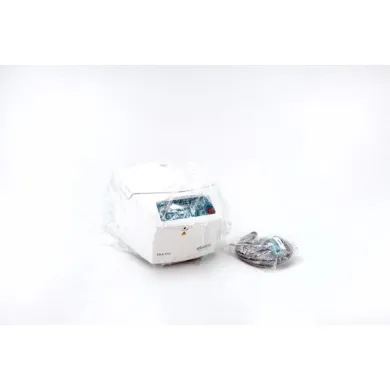
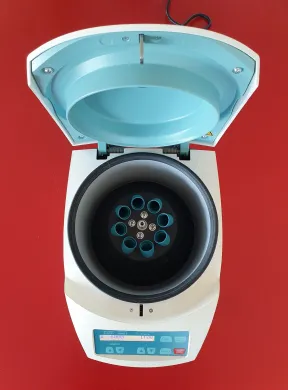
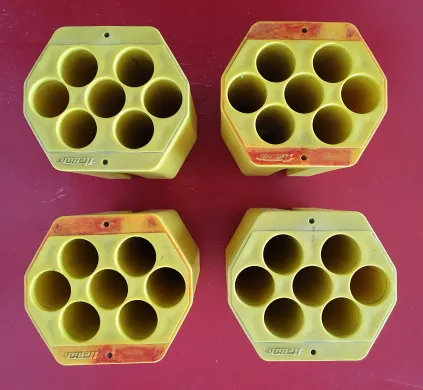
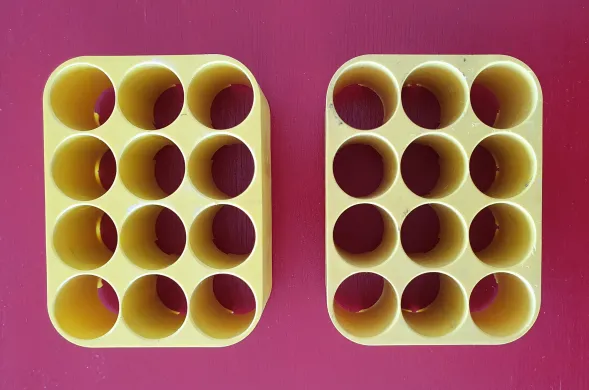


Not the exact instrument you need?
Tell our scientists what you are after. We track it down, including off-market supply.
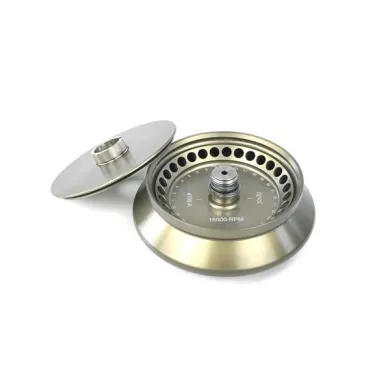
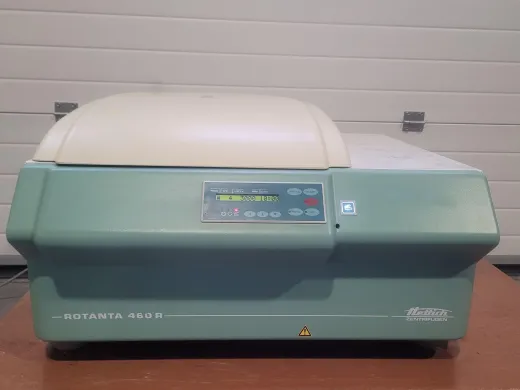
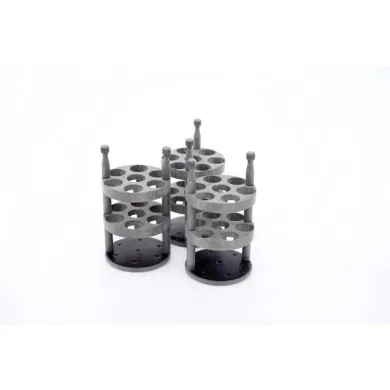
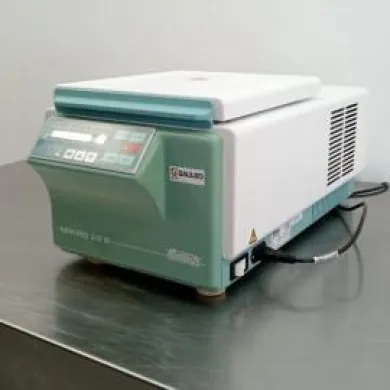
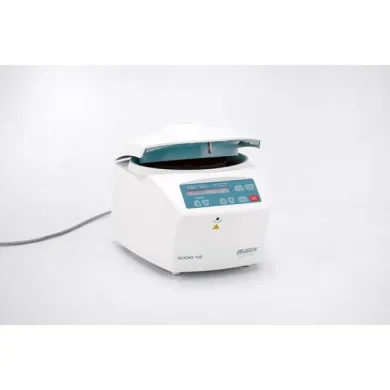
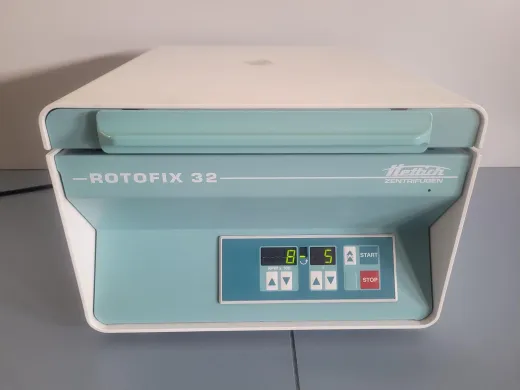
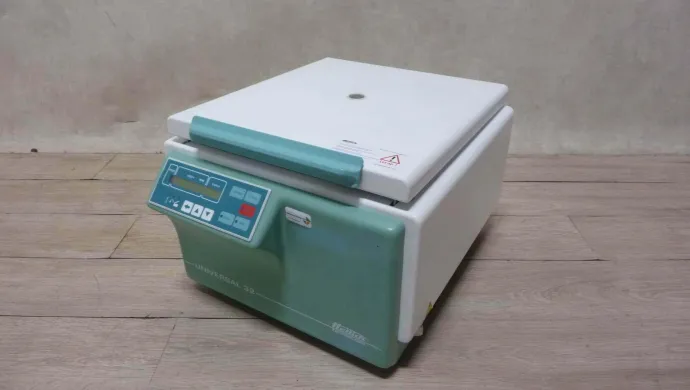
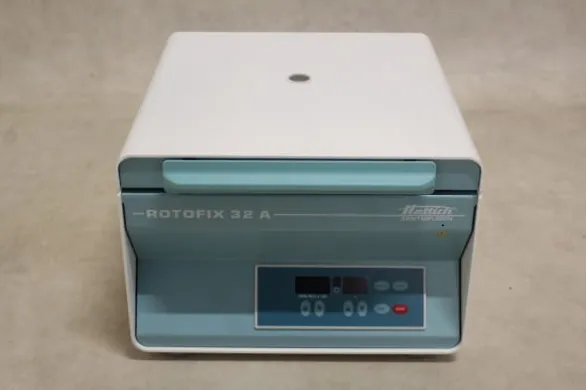
Not the exact instrument you need?
Tell our scientists what you are after. We track it down, including off-market supply.
Showing 1–40 of 216 listings
Show 40 more listingsAbout Hettich
Hettich is a German manufacturer of laboratory centrifuges and incubators, founded in 1904 in Tuttlingen, Germany. The company was started by master mechanic Andreas Hettich, who initially produced surgical instruments before expanding into centrifuge manufacturing. It remains independently owned, with the majority held by the third-generation Eberle family and a minority stake taken by Bregal Unternehmerkapital in July 2024 through a capital increase; there is no controlling parent company. Its primary categories are laboratory centrifuges, laboratory incubators, laboratory refrigerators and freezers, and automated centrifuge systems. The best-known product lines are ROTINA, ROTANTA, MIKRO, HettCube and ROTO MAGNA. On Questpair, these instruments are listed by 15 verified suppliers and distributors across 7 countries.
Hettich product lines and what they do
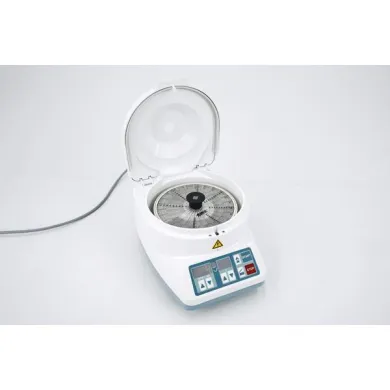
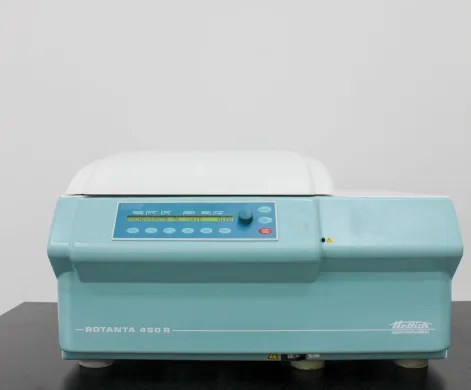
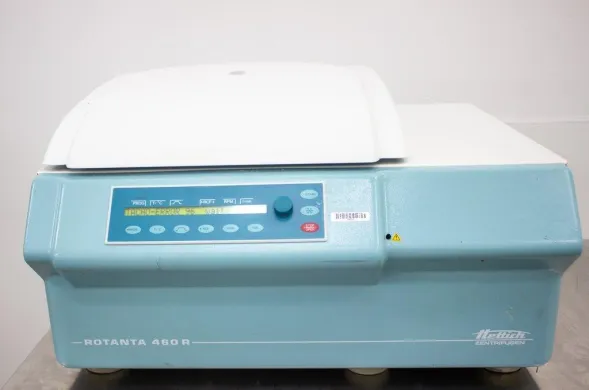
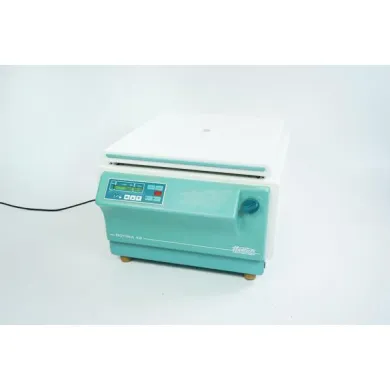
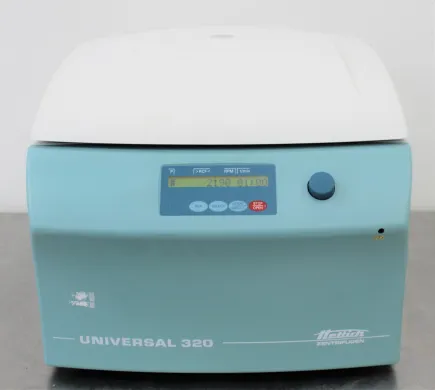
The centrifuge portfolio is organised by capacity and duty. The MIKRO line covers microcentrifuges, compact units that spin small reaction tubes at high speed for molecular biology and sample preparation. The ROTINA and ROTANTA lines move up to benchtop and larger benchtop formats, swinging-bucket and fixed-angle rotor configurations that handle blood tubes, cell suspensions and larger sample volumes. Centrifugation across these classes underpins routine work in molecular diagnostics and in the clinical laboratory, where separating plasma, serum or cellular fractions is a daily step.
Where temperature matters, refrigerated versions of these platforms hold samples cold during long runs, which is what protein purification and cell culture handling often require. The automated centrifuge systems extend the same principle to higher throughput, integrating loading and unloading for laboratories running continuous volumes.
Alongside the spinning equipment, the HettCube line covers laboratory incubators, enclosures that hold a controlled temperature for microbiology and for cell culture work. These are also used for microbial growth studies and for the controlled-environment steps that sit upstream and downstream of centrifugation in a typical workflow. The ROTO MAGNA designation covers larger-format centrifuge systems within the range. Laboratory refrigerators and freezers round out the catalogue on the cold-storage side.
Read together, the lines describe a maker whose equipment sits at several points in the molecular biology and diagnostics bench: preparation, separation, controlled incubation and storage. A benchtop refrigerated unit serving a genomics or proteomics workflow, a microcentrifuge for a reaction-tube protocol, an incubator for a microbiology plate, these are the roles the hardware fills, and the research field attached to each class is what a buyer is usually matching against.
What is listed on Questpair?
The catalogue holds 266 Hettich listings. Of these, 98 percent are used. The remaining items are offered as new. Used and refurbished units are listed at lower prices than new equivalents, which for an established brand with a long service life is often the practical route to a specific older model.
Prices range from EUR 59 to EUR 10.379. The average listing sits at EUR 1.218. That band reflects the architecture of the range: small microcentrifuges and consumable items at the lower end, large-capacity and automated platforms at the upper end.
Supply comes from 15 verified suppliers and distributors across 7 countries, so most model classes appear from more than one source. Where a buyer needs documentation for a particular unit, or parts for an older machine, both can be arranged through Questpair; specialists respond to a documentation request within an hour, and parts can be sourced via the platform. Warranty is often possible and is set in consultation for the specific listing rather than as a fixed term. For a buyer who already knows which line and rotor configuration the protocol calls for, the depth of used stock here is the main reason to work from this catalogue.
Questpair review of Hettich
Our take based on listings data and supplier feedback
Hettich occupies a specific position in the laboratory centrifuge market: a long-established, family-owned German maker whose range stretches from small personal microcentrifuges to floor-standing automated systems. For a buyer working from the Questpair catalogue, that breadth is the first thing the listings confirm.
The condition spread is the clearest signal of how this brand reaches the second-hand market. Of the units listed, 98 percent are used. That concentration reflects how Hettich equipment ages in the field: these are durable instruments that pass through multiple owners as labs reconfigure or upgrade, and the volume of pre-owned stock means a buyer rarely has to accept the first match. Someone after a specific ROTINA generation, or a particular ROTANTA rotor configuration, can usually compare several candidates rather than one. For older models where a new equivalent is no longer made, the used market is effectively the only market, and here the catalogue carries real depth.
Price is the second axis worth weighing, and the range is wide for a reason. Listings run from EUR 59 to EUR 10.379, with the average sitting at EUR 1.218. That spread is not noise; it maps onto the product architecture. At the low end sit small MIKRO-class microcentrifuges and consumable items, instruments that do routine spins of blood tubes or reaction vials in clinical and molecular biology work. The upper end reflects large-capacity and automated centrifuge platforms, the kind of equipment a diagnostics lab or blood bank runs continuously. Because used and new units are both present, and used examples are listed below new pricing, a buyer can decide where on that curve the trade-off between budget and condition falls for their application. The individual listing is where that judgement gets made, and warranty on a specific unit is arranged in consultation rather than set as a blanket term.
Supply is the third consideration, and it matters more than it first appears. The 266 listings come from 15 verified suppliers and distributors spread across 7 countries. For a buyer, multiple sources for the same model class reduce the risk of a single-seller bottleneck and allow comparison on condition and price rather than availability alone. It also means a somewhat specialised line, such as HettCube incubators or ROTO MAGNA systems, has a better chance of appearing than it would in a thinner catalogue.
What the listings do not resolve is which Hettich line suits a given protocol, and that is where the buyer's own requirements take over. Centrifugation needs are defined by rotor type, maximum relative centrifugal force, tube format and whether temperature control is required. The catalogue lets a buyer filter against those criteria across a genuinely deep inventory; it does not make the specification choice for them. For a reader who already knows the model family they want, the depth here is the practical advantage. For one still narrowing down, the range of conditions and prices is the room to manoeuvre.
**Depth across the condition spectrum**
With 261 used units in the Questpair catalogue against 4 listed as new, buyers comparing ROTINA, ROTANTA and MIKRO models can select by generation and service history rather than settling for whatever is in stock.
**A wide price band from consumables to floor-standing systems**
Listings run from EUR 59 to EUR 10.379, spanning small benchtop microcentrifuges through to large automated centrifuge platforms, with an average around EUR 1.218.
**Supply drawn from several markets**
Equipment is offered by 15 verified suppliers and distributors across 7 countries, giving buyers more than one source for a given Hettich model.
Frequently asked questions
Where can I get the manual or documentation for a specific Hettich centrifuge?
Documentation for a particular unit can be requested through Questpair, and specialists respond within an hour. State the model and series when you ask so the correct manual is matched to your listing.
How much does a Hettich centrifuge cost?
Across the Hettich listings on Questpair, prices run from EUR 59 to EUR 10.379, with the average at EUR 1.218. Microcentrifuges and accessories sit at the lower end, while large-capacity and automated platforms account for the higher figures.
What is the difference between a refurbished and a used Hettich unit?
A used unit is sold in its existing condition, while a refurbished one has been reconditioned before sale. Both are listed below the price of new equivalents, so check the individual listing for the exact condition described.
Do Hettich listings come with a warranty?
A warranty is often possible and is arranged in consultation for the specific listing rather than as a fixed term. Ask about it against the individual unit you are considering.
Are Hettich centrifuges suitable for clinical and research use?
The ROTINA and ROTANTA benchtop formats handle blood tubes, serum and cell suspensions for clinical laboratory work, while the MIKRO microcentrifuges serve molecular biology and sample preparation. Refrigerated versions hold samples cold during long runs for protein purification and cell culture handling.
How long do Hettich centrifuges last?
Hettich equipment has a long service life, which is why used and refurbished units for older models are a practical route to a specific machine. Expected lifespan on any given unit depends on its age and prior use, both of which the listing should describe.
Can I still get parts for an older Hettich machine?
Parts can be sourced via Questpair, including for older models. Give the model and series so the correct component is identified.
What are the alternatives to Hettich centrifuges?
Alternatives depend on the class you need: a microcentrifuge, a benchtop clinical centrifuge, a high-speed centrifuge or an automated system. The Questpair catalogue lists comparable instruments from other makers across these categories, so match by capacity, rotor configuration and whether refrigeration is required.
How long does delivery take for a Hettich unit?
Lead time is set by the individual supplier and the condition of the unit, so it varies between listings. Supply comes from 15 verified suppliers and distributors across 7 countries, which means a given model often appears from more than one source.
What is the difference between parts and spares for Hettich equipment?
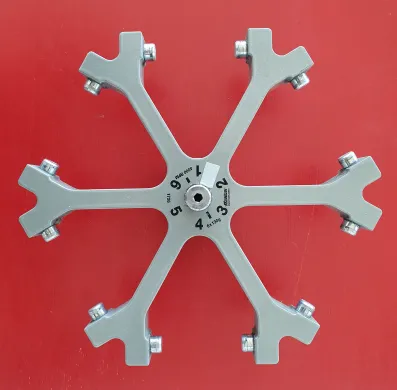
The terms refer to the same thing: components such as rotors, buckets and other replacements for a unit. These can be sourced via Questpair when you specify the model.
Can Hettich equipment be shipped internationally?
Listings come from verified suppliers and distributors across 7 countries, so cross-border supply is common. Shipping arrangements are set per listing with the supplier offering it.
What product lines does Hettich make and how do they differ?
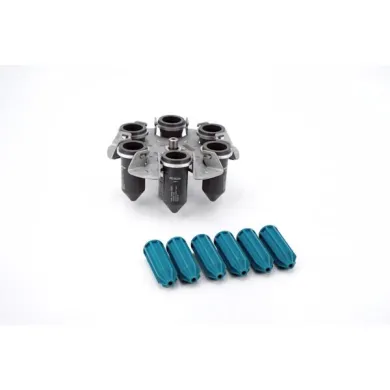
The centrifuge range is organised by capacity: MIKRO covers compact microcentrifuges for small reaction tubes, while ROTINA and ROTANTA cover benchtop and larger benchtop formats with swinging-bucket and fixed-angle rotors. ROTO MAGNA designates larger-format centrifuge systems, and HettCube covers laboratory incubators for microbiology and cell culture.
Which types of Hettich instruments are listed here and in what condition?
The catalogue covers benchtop centrifuges, laboratory and clinical centrifuges, high-speed centrifuges, centrifuge rotors and accessories. Of the 266 Hettich listings, 98 percent are used and the remainder are offered as new.
What separates the cheapest Hettich listings from the most expensive?
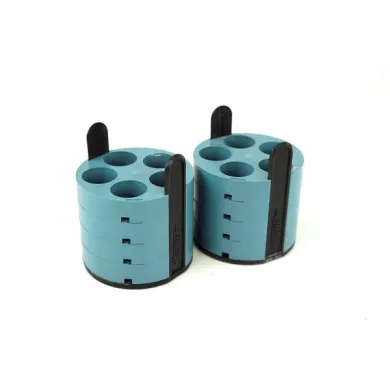
The low end holds small microcentrifuges and consumable items such as rotors and accessories, while the high end holds large-capacity and automated centrifuge platforms. Condition also moves the figure, since used and refurbished units are listed below new equivalents.
About Questpair
Questpair is the European marketplace for lab equipment, where AI-prepared cases and personal specialists guide every purchase. We work with 247 verified suppliers across 38 countries to find buyers the right used, refurbished or new instruments, with response within 1 hour and significant savings vs buying new.
Personal · Fast · Reliable · Affordable