From€18,987excl. VAT
In stock
Can't find what you're looking for?
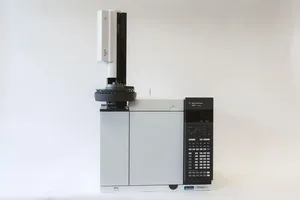
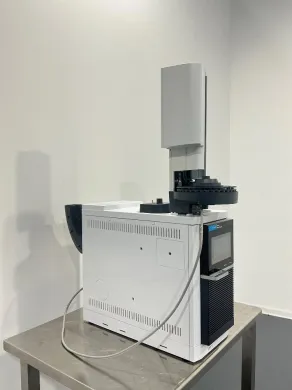
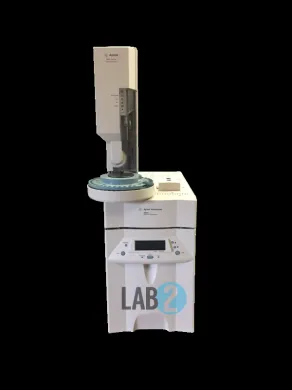
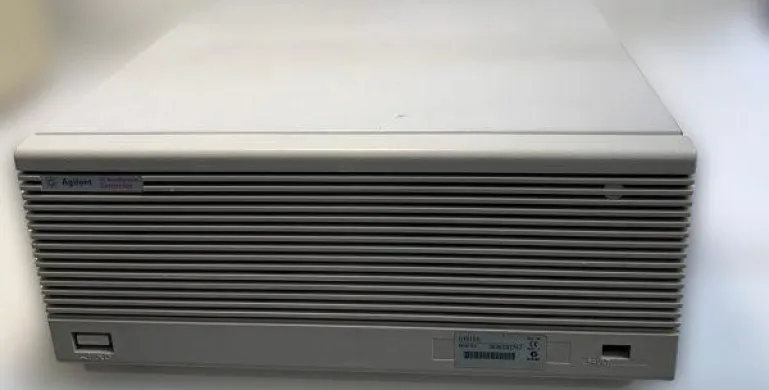
Agilent 7890B gas chromatograph with autosampler, split/splitless injector and FID for automated analysis of volatile organic compounds.
The Agilent 7890B gas chromatograph is a laboratory GC system for qualitative and quantitative analysis of volatile and semi-volatile organic compounds. It supports applications in chemistry, petrochemicals, environmental research, food analysis, pharmaceuticals and quality control.
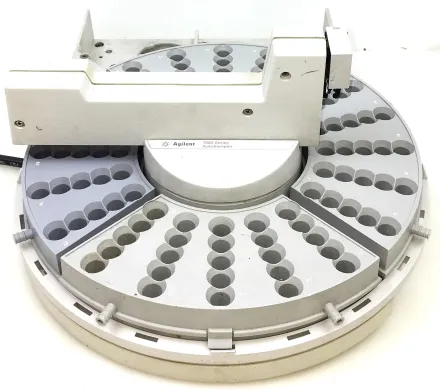
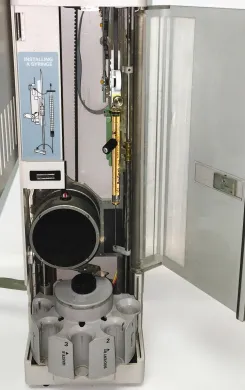
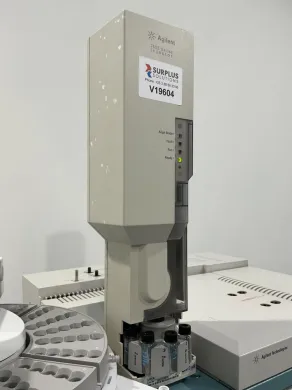
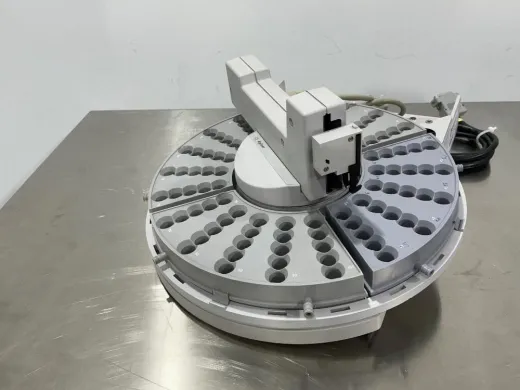
This unit includes a split/splitless injector, flame ionization detector, autosampler, Agilent HP-ULTRA 2 capillary GC column and a hydrogen cylinder with approximately 100 bar of residual pressure. The autosampler supports automated GC analyses alongside manual analyses using the injector.
The instrument was taken out of service while in working order and has a history of annual maintenance. A computer and GC control or data processing software are not included.
The Agilent 7890B is a gas chromatograph for qualitative and quantitative analysis of volatile and semi-volatile organic compounds. The installed configuration includes:
The system is suited to gas chromatography applications in chemistry, petrochemicals, environmental research, food analysis, pharmaceuticals and quality control. It is also relevant to biotechnology and life sciences laboratories performing organic compound analysis.
A computer and GC control or data processing software are not included. Agilent OpenLab CDS can be used for instrument control, data acquisition, processing and reporting. The instrument was taken out of service while in working order and has a history of annual maintenance.
The split/splitless injector provides the two injection configurations named for this unit. The FID configuration supports analysis of the volatile and semi-volatile organic compounds specified for the system.
The autosampler separates this configuration from a manual-only GC setup by supporting automated sample introduction. This supports both manual and automated GC analyses without changing the installed detector and injector configuration.
Lab equipment markets are fragmented. Buyers spend weeks calling distributors, comparing quotes, and verifying supplier reliability. Sellers struggle to reach global research labs.
We built Questpair to fix this. Every supplier on the platform is verified before listing. Every quote you receive comes from a real, vetted seller. AI prepares your case in minutes, then a real specialist takes over.
We're an independent team based in The Netherlands, working with research labs and procurement teams across Europe and worldwide.
With a service contract, ten to fifteen years is normal for most benchtop instruments. Detectors and pumps are the parts that wear first.
Often, yes. Verified suppliers frequently work with service partners converting the instrument. If applicable, we can list servicing options alongside the offer.
Ask a scientist through the request button. Parts are often available even when the instrument itself is discontinued.
Two to six weeks, depending on refurbishment scope and whether calibration is included.
We ship to 38 countries. Crating and customs handling are quoted with the instrument.
Tell us what you need and a scientist finds it for you, usually within the hour.
Last updated 27 November 2026
Questpair lists 24 similar items in GC autosamplers.
4 other listings of this model are available.