58k+ listingsShips to NLResponse within one hour+31 73 711 4717info@questpair.com

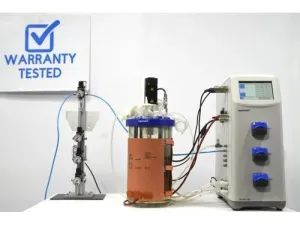
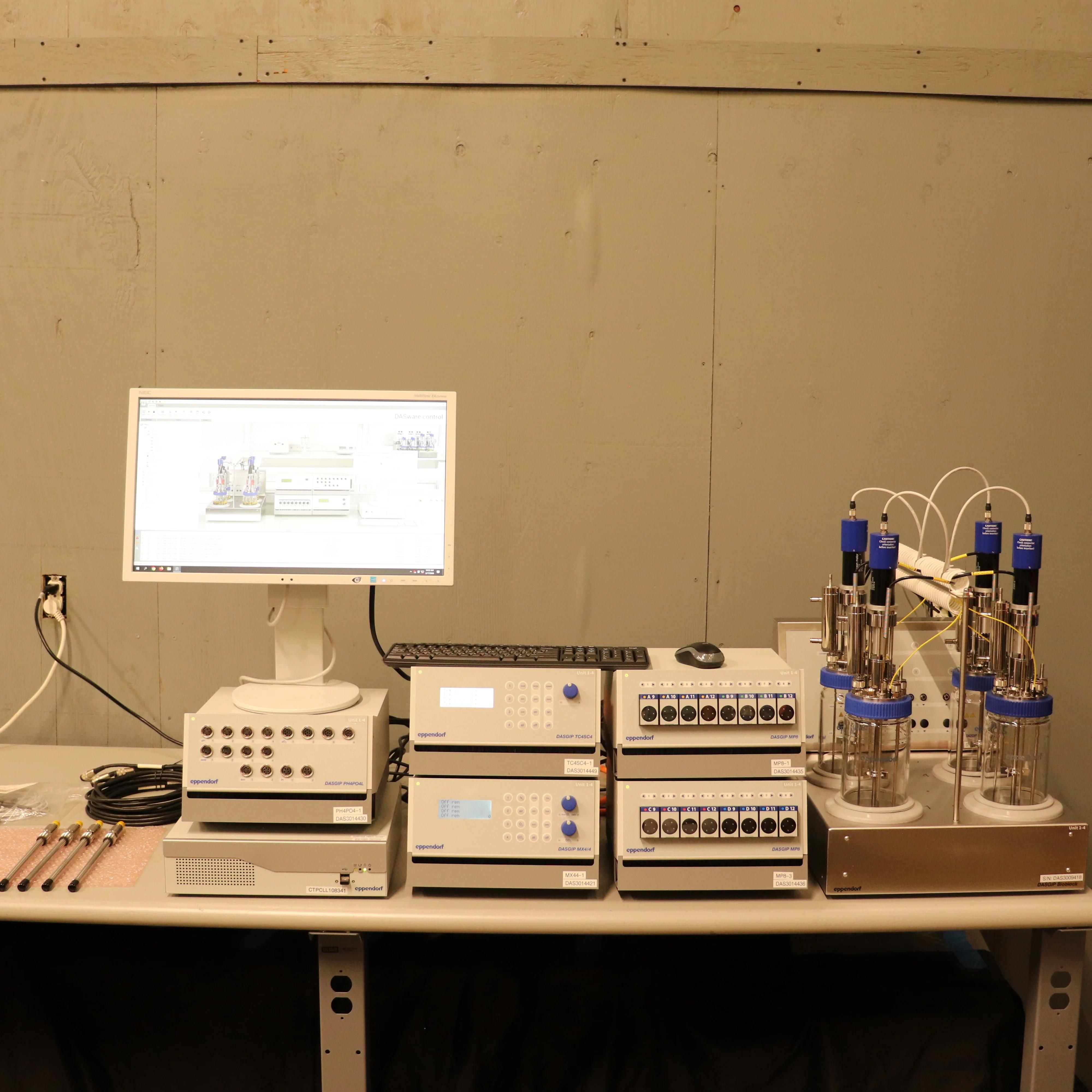
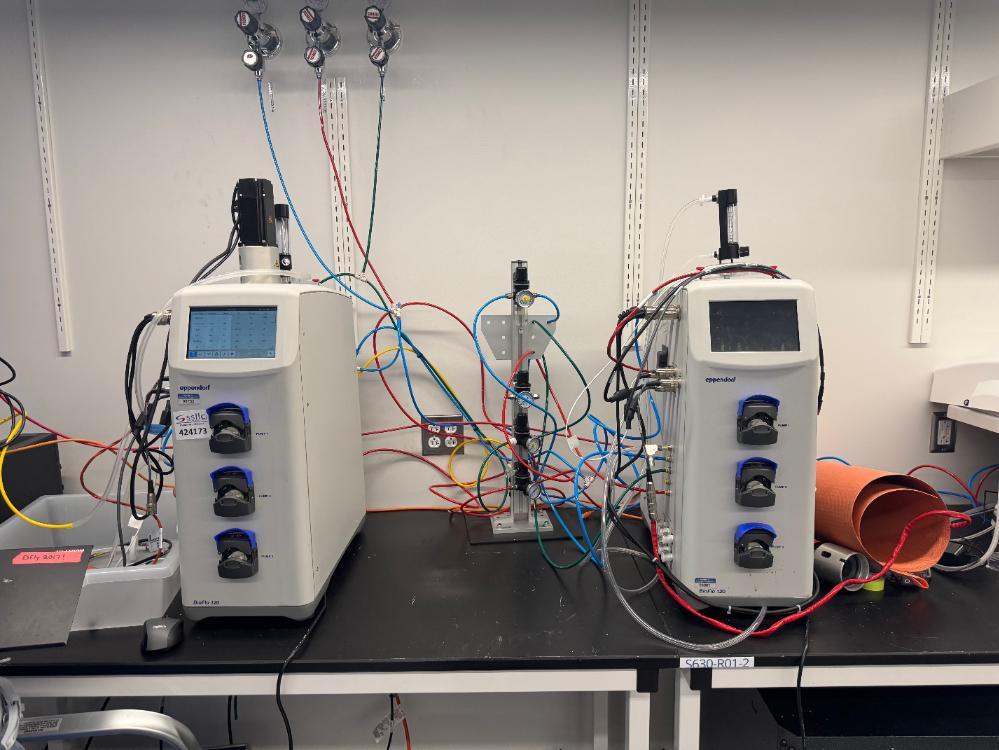
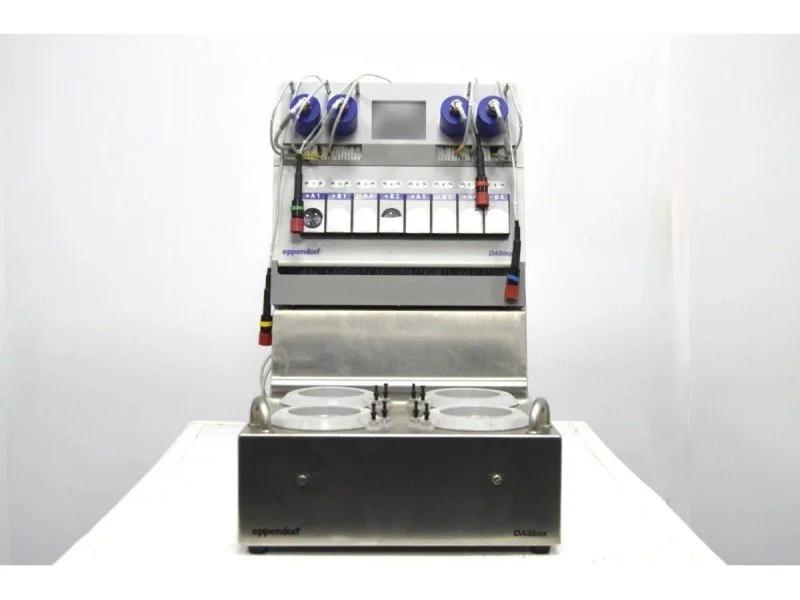
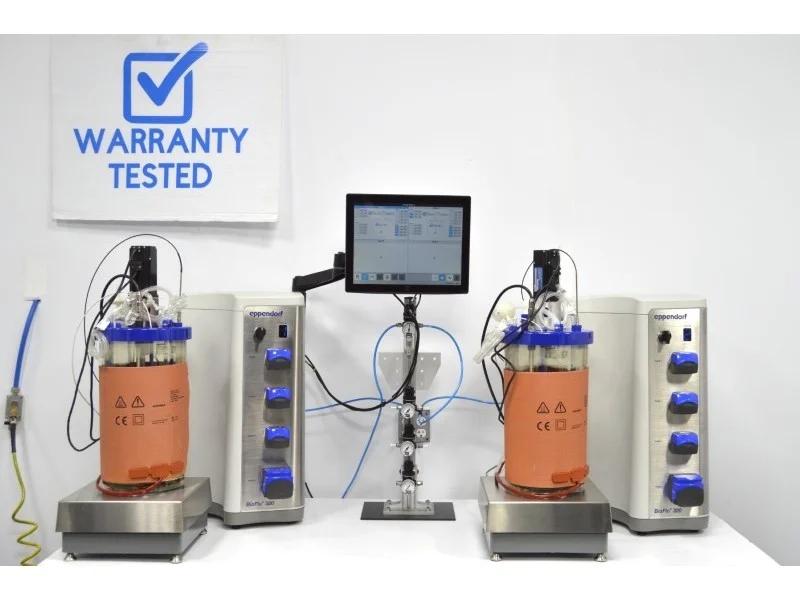
Eppendorf BioFlo 120 Bioprocess Controller for BioBLU Single-Use and Glass Vessels

Price on request

In stock

Can't find what you're looking for?

Stock
In Stock
Product Code
SM101412-SU20
Product Type
Controllers/PLC
Working Volume
0.25 to 40 L
Vessel Type
Glass Autoclavable, Single-Use
All 9 specifications
  • Ships to NL
  • Response within 1 hour
  • Warranty available. Buy without worry
  • Support from a scientist

Specifications 9

Brands
Eppendorf
New/Used
Used
Stock
In Stock
Product Code
SM101412-SU20
Product Type
Controllers/PLC
Working Volume
0.25 to 40 L
Vessel Type
Glass Autoclavable, Single-Use
Detail
Built-In Display
Control Parameters
pH, DO, Temperature, Agitation, Gas Mix (O2/CO2)

Pre-Owned

Product description

Bioprocess controller for 250 mL–40 L single-use and glass vessels with pH, DO, temperature, gas, and pump control.

The Eppendorf BioFlo 120 Bioprocess Controller is a compact bioprocess control system for microbial fermentation and mammalian, insect, bacterial, yeast, or fungal cell culture. It supports Eppendorf BioBLU single-use vessels and glass/autoclavable vessels from 250 mL to 40 L, making it suitable for cell line development, protein expression, vaccine production, media optimization, and small-scale biomanufacturing.

Control and Process Management

  • Built-in touchscreen interface
  • Control of pH, dissolved oxygen (DO), temperature, agitation, and gas mixing
  • Four-gas mixing capability for air, N2, O2, and CO2
  • One thermal mass flow controller with a gas-out sparge flow range of 0.04–20 SLPM
  • Additional thermal mass flow controller ranges may include 0.002–1 SLPM or 0.01–5 SLPM
  • Three installed peristaltic pumps with Watson-Marlow 114DV heads
  • Pump speed: 30 rpm, with 0–100% duty cycle
  • Direct or magnetic vessel drive connection
  • PT100 temperature probe compatibility
  • Two digital sensor inputs for pH, DO, redox, or CO2 sensors
  • One level sensor input
  • Heater blanket control
  • Compatibility with liquid or Peltier exhaust condensers
  • Advanced models may provide three analog input/output connections

Vessel Compatibility

The BioFlo 120 can be configured for:

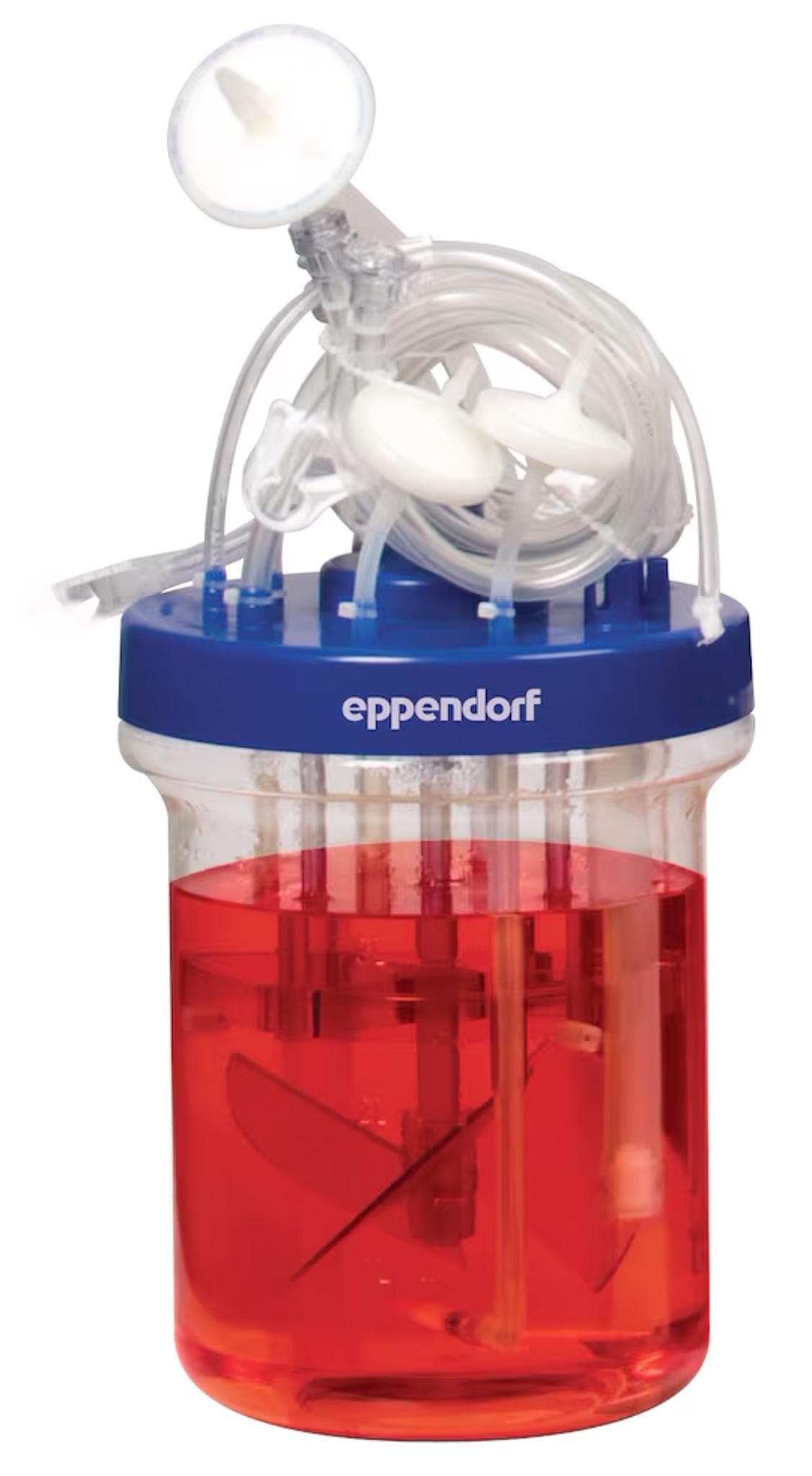
  • Eppendorf BioBLU single-use vessels: BioBLU 1c, 1f, 3f, 10f, 3c, 5c, 5p, 14c, and 50c, including µ or M variants where applicable
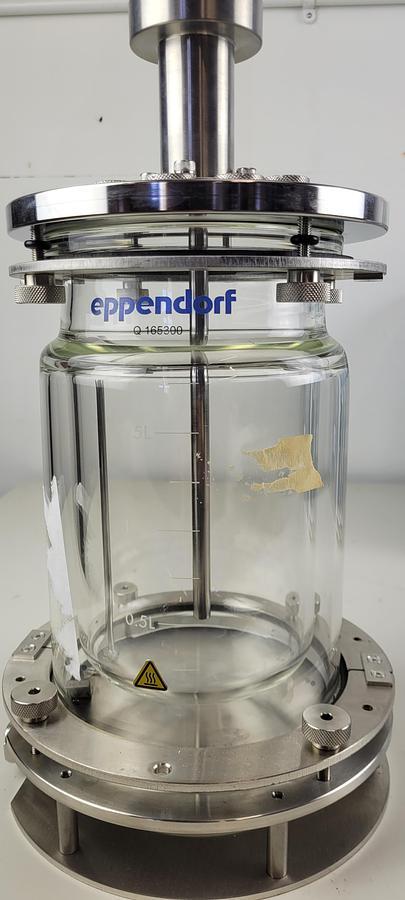
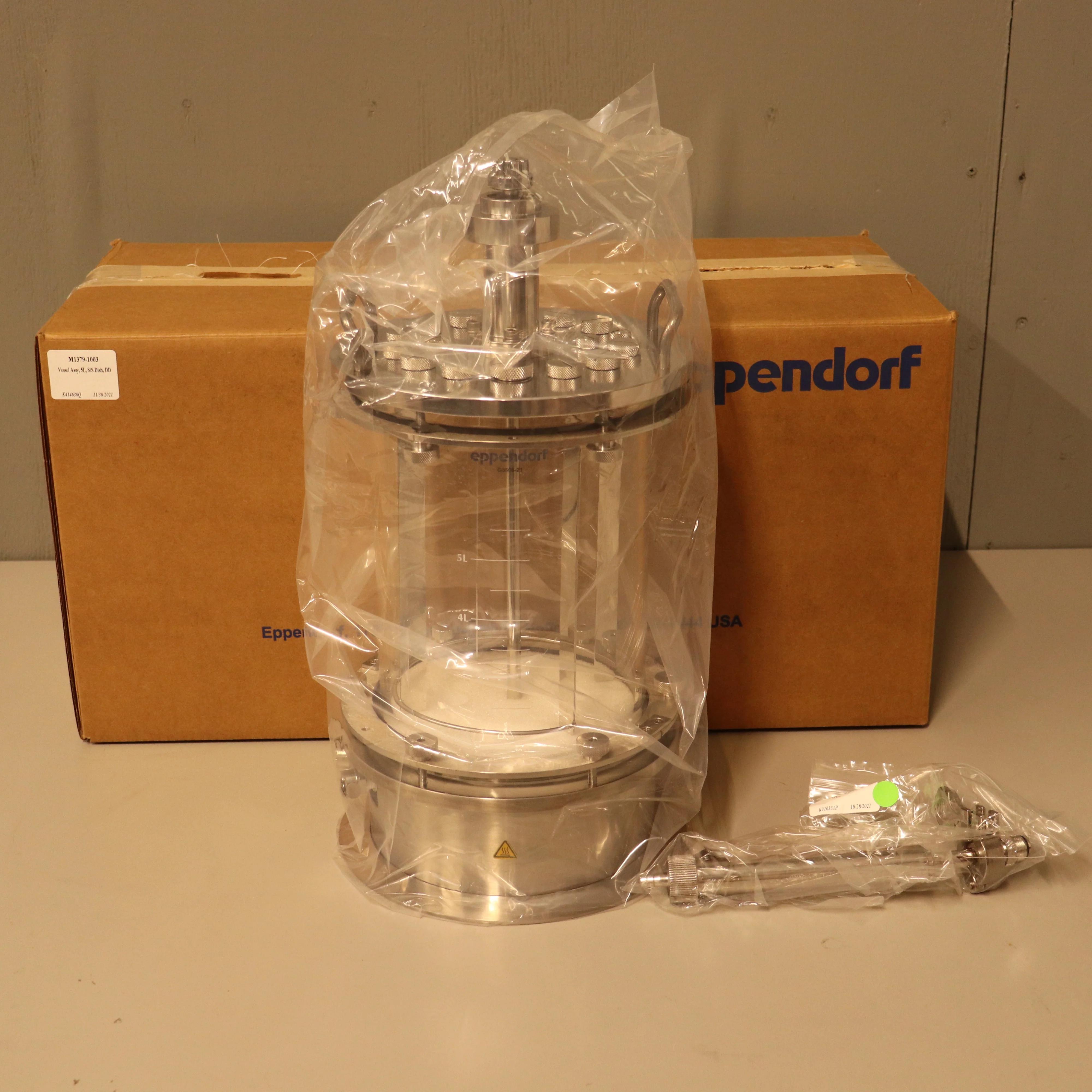
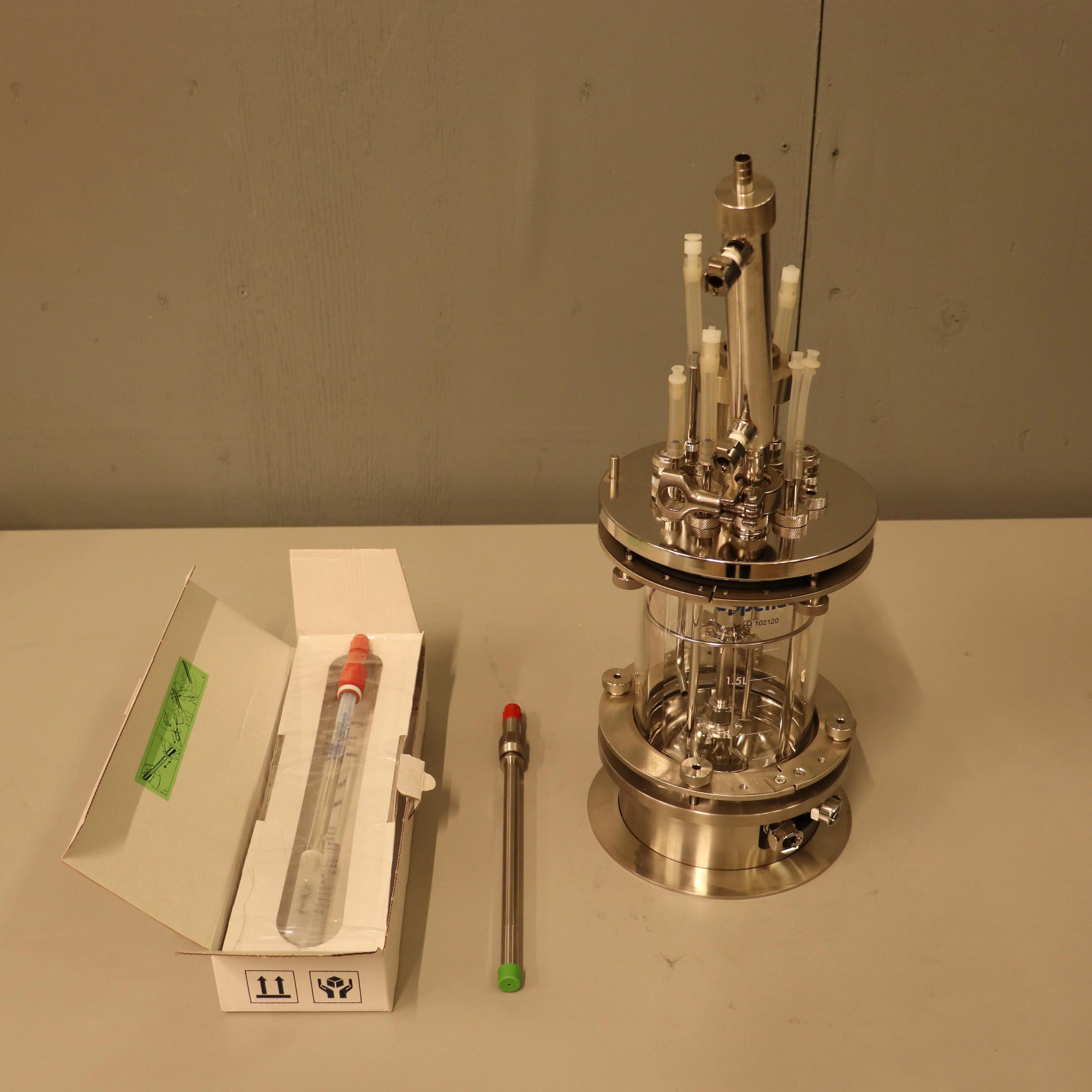
  • Glass/autoclavable vessels: 1.0 L, 2.0 L, 5.0 L, and 10 L
  • Cell culture vessels with pitched-blade or packed-bed impellers
  • Fermentation vessels with Rushton-type impellers

Reported BioBLU working-volume ranges include 320 mL–1.25 L for BioBLU 1c, 250 mL–1.25 L for BioBLU 1f, 1.25–3.75 L for BioBLU 3c and 3f, 3.75 L for BioBLU 5p, 3.5–10.5 L for BioBLU 14c, and 18–40 L for BioBLU 50c.

Included Configuration

  • Eppendorf BioFlo 120 bioprocess control station
  • Vessel-matched drive, quantity 1
  • Four-gas regulator with valves, quantity 1
  • pH sensor cable, quantity 1
  • pH sensor, quantity 1
  • Dissolved oxygen sensor, quantity 1
  • Temperature sensor, quantity 1
  • Heated blanket for BioBLU vessel applications, with size selected according to vessel configuration

Technical Specifications

  • Power requirement: 100–120/208–240 VAC
  • Dimensions (W × D × H): 24.7 × 55.9 × 62.9 cm (9.7 × 22 × 24.8 in)
  • Net weight: 14.8 kg (32.7 lb)
  • Gas supply pressure with glass/autoclavable vessels: maximum 10 psig (0.69 barg)
  • Gas supply pressure with BioBLU single-use vessels: maximum 6 psig (0.44 barg)
  • Liquid-cooled exhaust condenser pressure: 0.5 psig (0.035 barg)

This pre-owned bioprocess controller is tested for touchscreen operation, agitation control, peristaltic pump delivery, pH and DO sensor readings, heating control, temperature accuracy, gas output, and accessory functionality. It is suited to biotechnology workflows including microbial fermentation, cell culture, bioprocess development, molecular biology research, and small-scale biopharmaceutical production.

Why Questpair exists

Lab equipment markets are fragmented. Buyers spend weeks calling distributors, comparing quotes, and verifying supplier reliability. Sellers struggle to reach global research labs.

We built Questpair to fix this. Every supplier on the platform is verified before listing. Every quote you receive comes from a real, vetted seller. AI prepares your case in minutes, then a real specialist takes over.

We're an independent team based in The Netherlands, working with research labs and procurement teams across Europe and worldwide.

Frequently asked questions

How long does laboratory equipment typically last?

With a service contract, ten to fifteen years is normal for most benchtop instruments. Detectors and pumps are the parts that wear first.

Can I get service for older equipment?

Yes. Every verified supplier states which service partners cover the instrument, and we list that alongside the offer.

Where can I buy parts?

Ask a scientist through the request button. Parts are often available even when the instrument itself is discontinued.

What is the typical lead time for refurbished equipment?

Two to six weeks, depending on refurbishment scope and whether calibration is included.

Does laboratory equipment ship internationally?

We ship to 38 countries. Crating and customs handling are quoted with the instrument.

Reply in one hour

Can't find the exact configuration?

Tell us what you need and a scientist finds it for you, usually within the hour.

Last updated 19 October 2026