Price on request
In stock
Can't find what you're looking for?
Pre-Owned
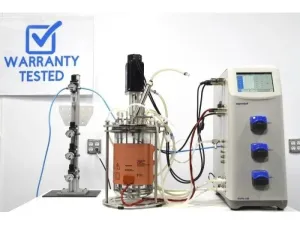
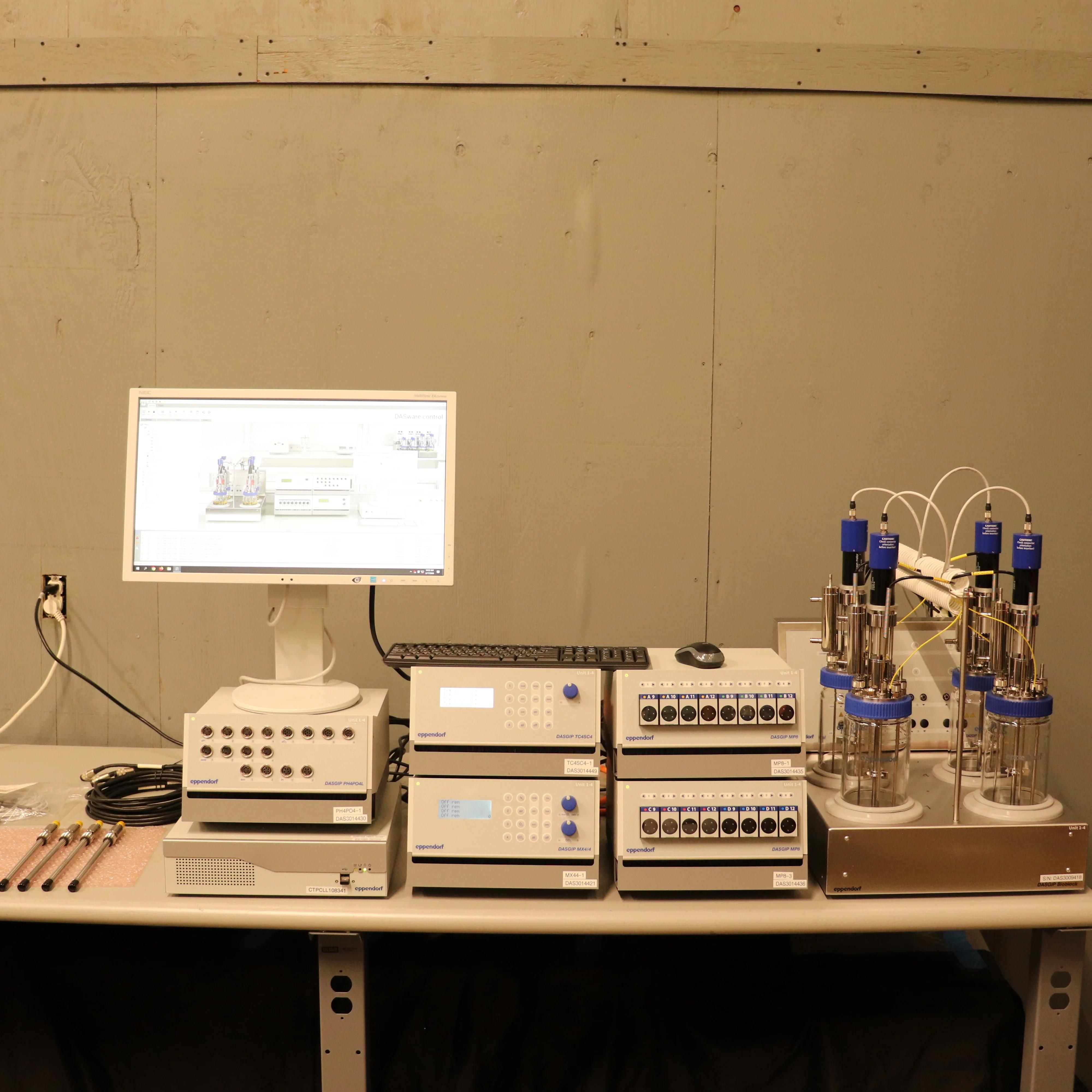
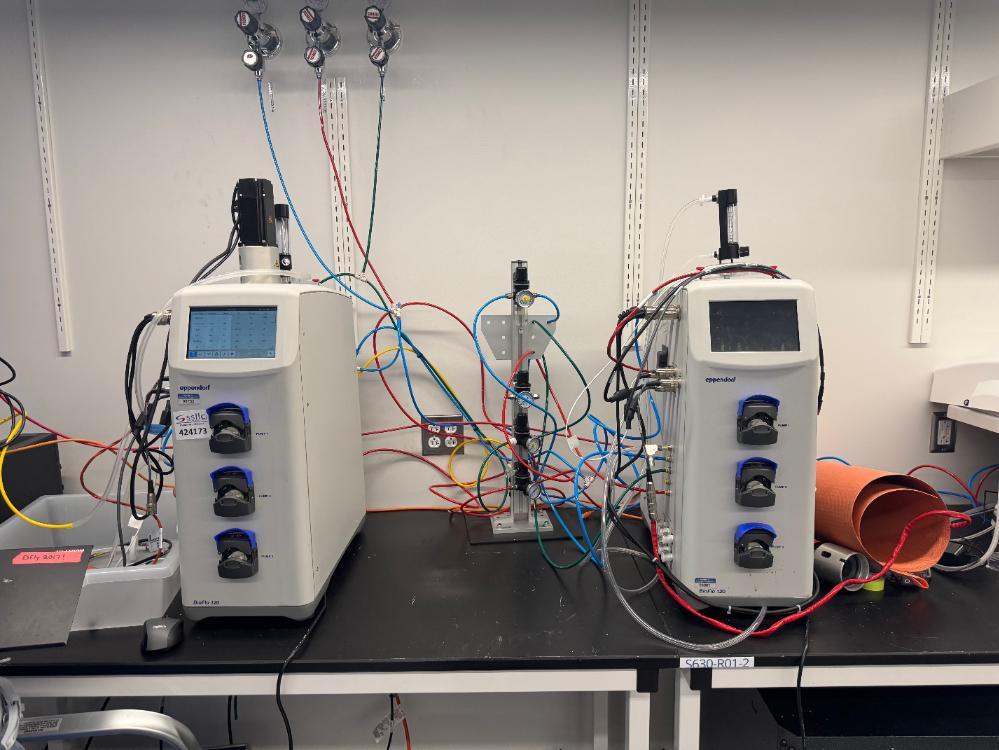
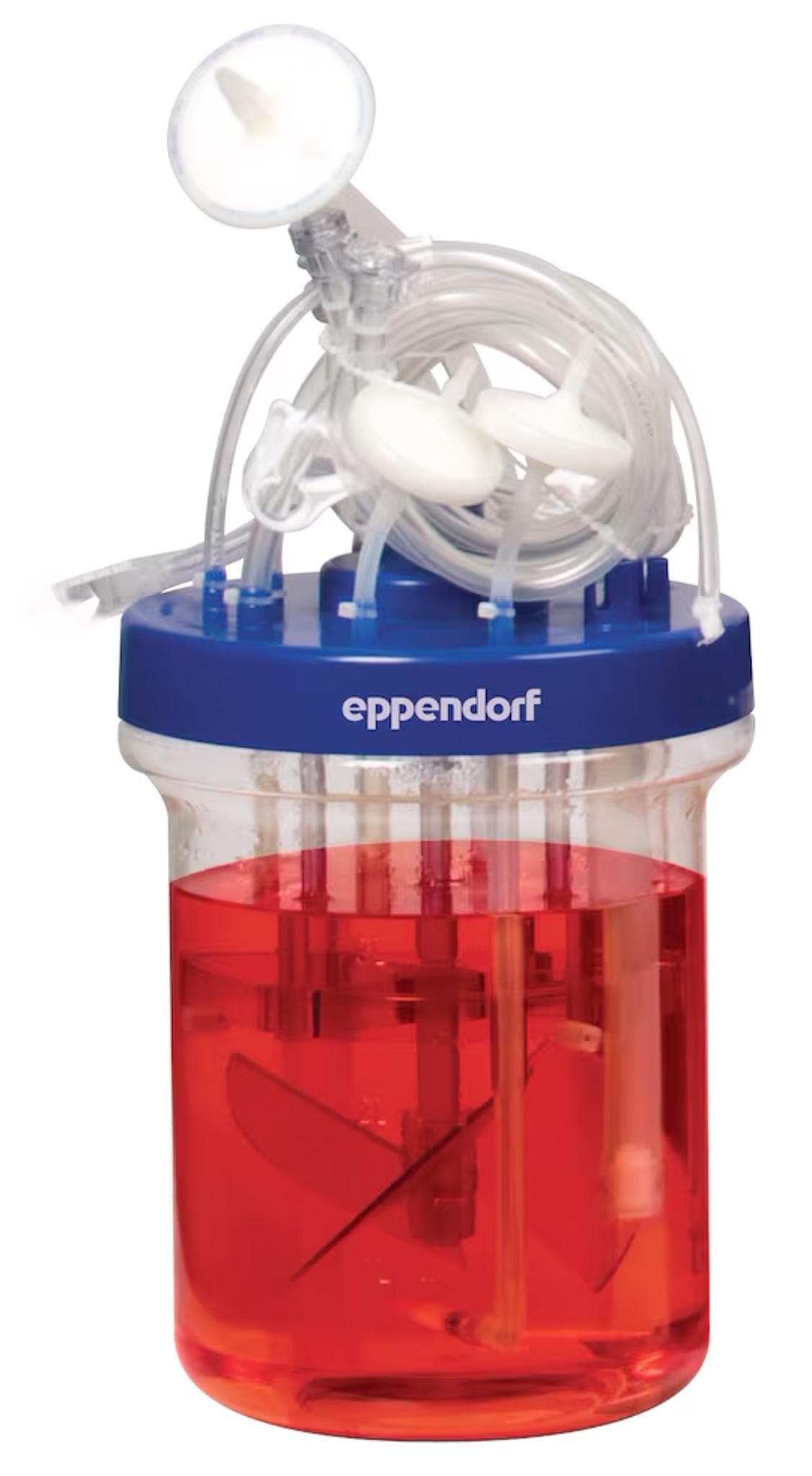
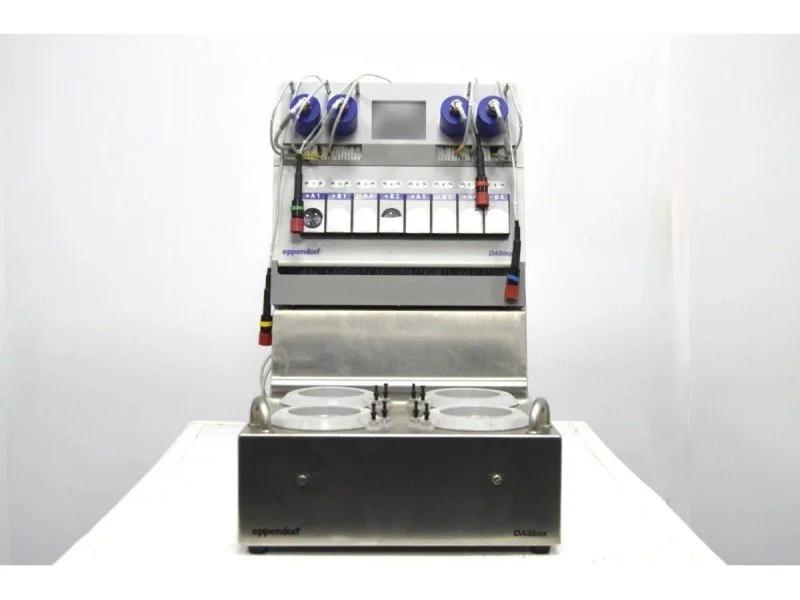
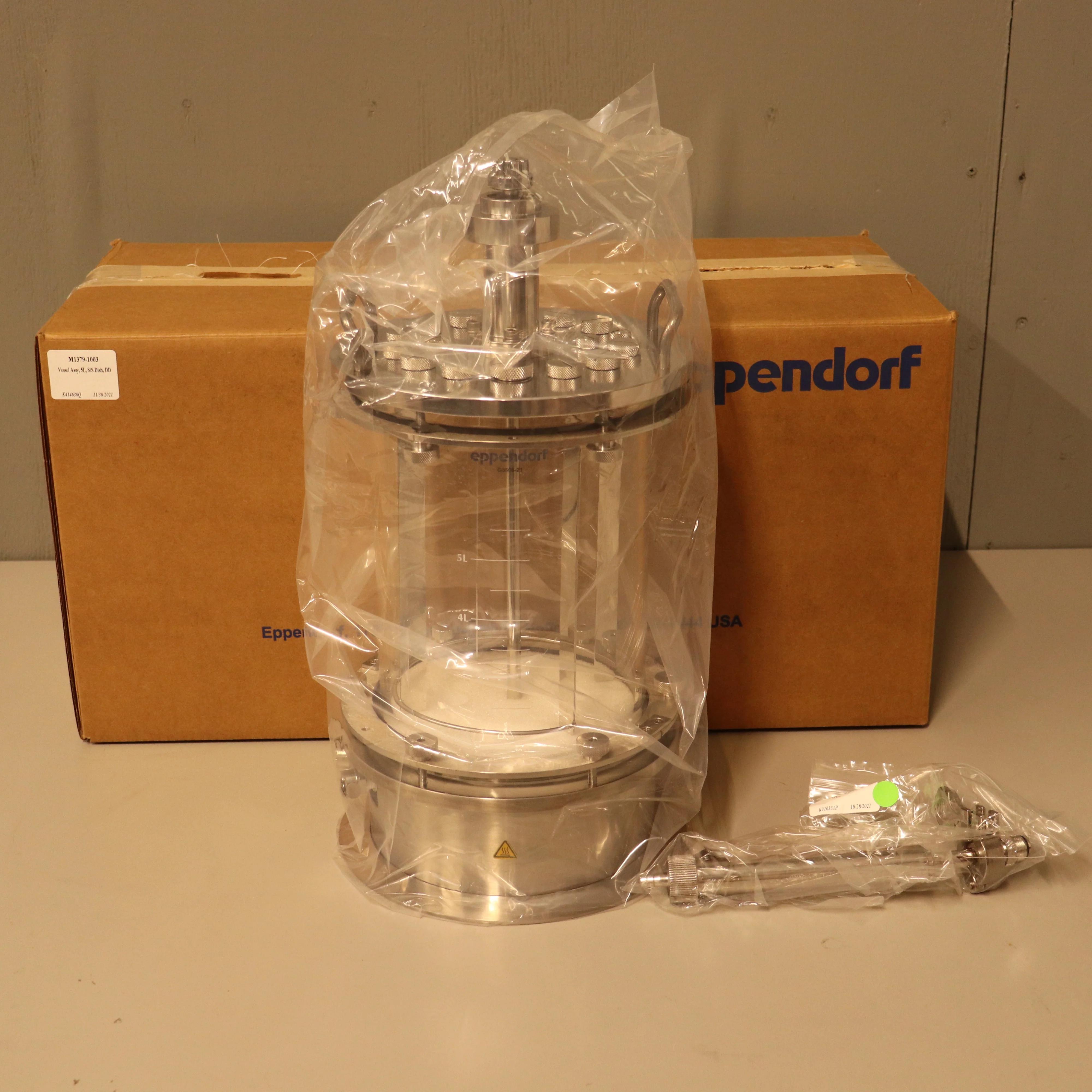
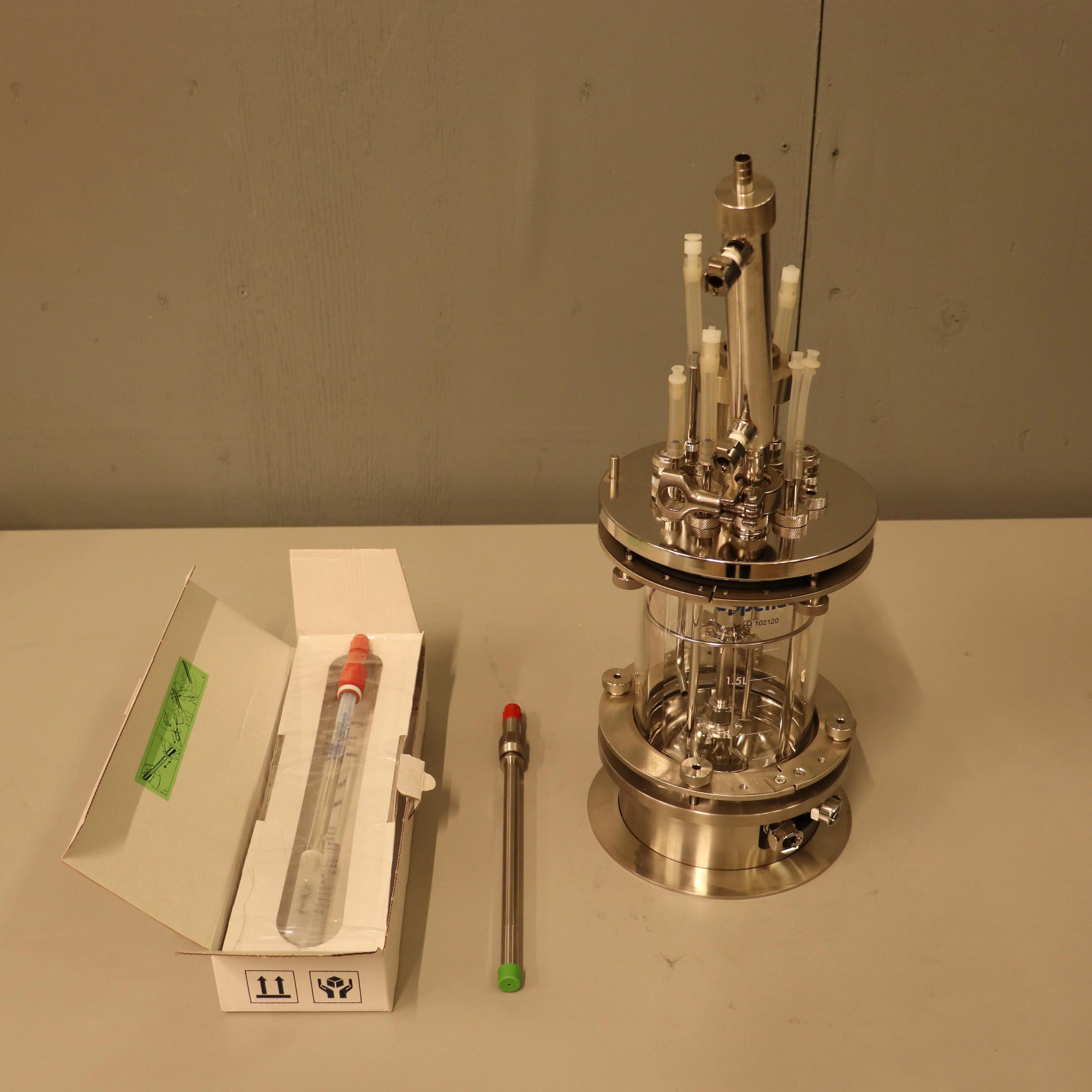
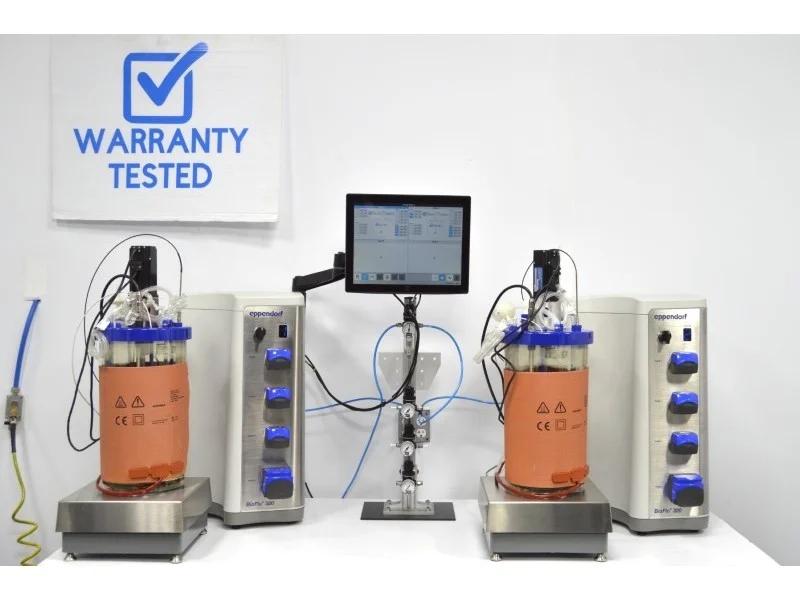
Eppendorf BioFlo 120 controller with 5 L glass autoclavable vessel for microbial fermentation and cell culture.
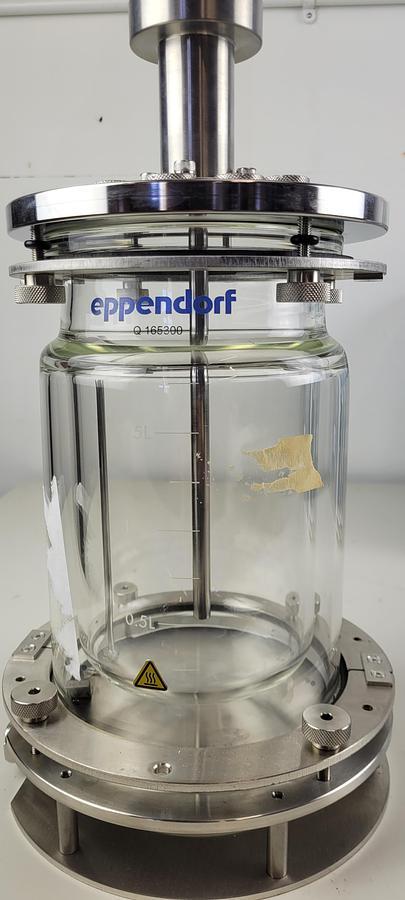
The Eppendorf BioFlo 120 Bioprocess Control System is a compact benchtop controller for microbial fermentation, cell culture, protein expression, vaccine production, media optimization, and small-scale biomanufacturing. This configuration includes a 5 L glass autoclavable vessel with a working-volume range of 2.0–5.6 L.
The BioFlo 120 supports glass/autoclavable vessels with nominal volumes of 1.0 L, 2.0 L, 5.0 L, and 10 L, as well as Eppendorf BioBLU single-use vessels. The included configuration uses a 5 L glass autoclavable vessel.
Available vessel configurations may include water-jacketed or heat-blanketed designs, direct-drive or magnetic-drive agitation, Rushton, pitched-blade, marine, or spin-filter impellers, and optional baffles, sparge attachments, cooling loops, level sensors, foam sensors, redox sensors, CO2 sensors, and exhaust condensers.
The BioFlo 120 is suitable for biotechnology workflows including fermentation development, cell-line development, recombinant protein expression, molecular biology research, and small-scale bioprocessing. Its integrated sensor inputs, automated gas control, peristaltic pumping, and touchscreen operation support reproducible cultivation and biomanufacturing processes.
Lab equipment markets are fragmented. Buyers spend weeks calling distributors, comparing quotes, and verifying supplier reliability. Sellers struggle to reach global research labs.
We built Questpair to fix this. Every supplier on the platform is verified before listing. Every quote you receive comes from a real, vetted seller. AI prepares your case in minutes, then a real specialist takes over.
We're an independent team based in The Netherlands, working with research labs and procurement teams across Europe and worldwide.
With a service contract, ten to fifteen years is normal for most benchtop instruments. Detectors and pumps are the parts that wear first.
Yes. Every verified supplier states which service partners cover the instrument, and we list that alongside the offer.
Ask a scientist through the request button. Parts are often available even when the instrument itself is discontinued.
Two to six weeks, depending on refurbishment scope and whether calibration is included.
We ship to 38 countries. Crating and customs handling are quoted with the instrument.
Tell us what you need and a scientist finds it for you, usually within the hour.
Last updated 19 October 2026
The middle half of the 128 with a price runs from €218 to €5,635.
2 other listings of this model are available.