From€4,000excl. VAT
In stock
Can't find what you're looking for?
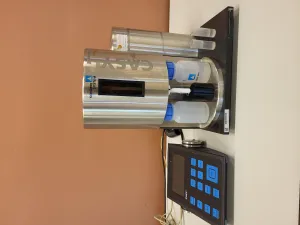
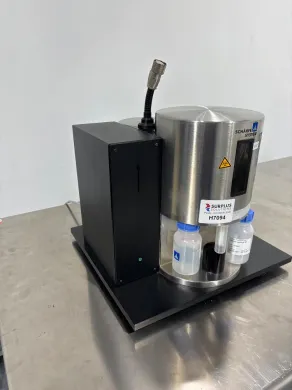
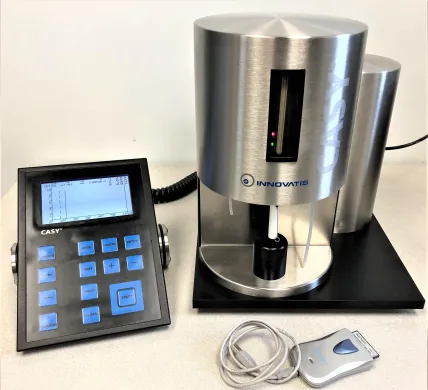
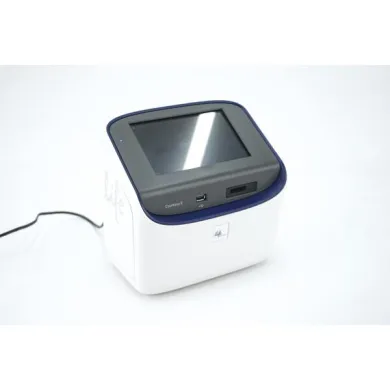
Casy Model TT cell counter and analyzer for cell culture, microbiology and biotechnology, with dye-free viability analysis from 0.7 to 120 µm.
The Casy Model TT cell counter and analyzer is an automated system for counting and analyzing cells, bacteria, and particles in suspension. It supports cell counting applications in cell culture, microbiology, and biotechnology.
The system includes fully automated sample preparation and software for data analysis. Its Resistance Measurement Principle and Pulse Area Analysis support cell and particle measurements without dyes or labels.
The used unit came from a closed pharmaceutical laboratory in the Netherlands. It has been thoroughly tested and is in excellent condition.
The Casy Model TT is an automated cell counter and analyzer for cells, bacteria, and particles in suspension. It is used in cell counting, cell culture, microbiological research, pharmaceutical laboratories, medical laboratories, environmental research, and food research.
The Casy measuring principle combines resistance-based particle measurement with pulse area analysis. This provides a dye-free method for cell counting and viability determination.
The used Casy Model TT unit includes automated sample preparation and data analysis software. It has been thoroughly tested and is in excellent condition.
The Resistance Measurement Principle enables particle measurement without dyes or labels. Pulse Area Analysis supports viability determination without dye-based staining, which allows cell analysis using the listed measurement approach.
The 0.7 to 120 µm measurement range covers the cell, bacteria, and particle sizes described for this system.
Lab equipment markets are fragmented. Buyers spend weeks calling distributors, comparing quotes, and verifying supplier reliability. Sellers struggle to reach global research labs.
We built Questpair to fix this. Every supplier on the platform is verified before listing. Every quote you receive comes from a real, vetted seller. AI prepares your case in minutes, then a real specialist takes over.
We're an independent team based in The Netherlands, working with research labs and procurement teams across Europe and worldwide.
With a service contract, ten to fifteen years is normal for most benchtop instruments. Detectors and pumps are the parts that wear first.
Often, yes. Verified suppliers frequently work with service partners converting the instrument. If applicable, we can list servicing options alongside the offer.
Ask a scientist through the request button. Parts are often available even when the instrument itself is discontinued.
Two to six weeks, depending on refurbishment scope and whether calibration is included.
We ship to 38 countries. Crating and customs handling are quoted with the instrument.
Tell us what you need and a scientist finds it for you, usually within the hour.
Last updated 5 November 2026
€4,000 sits in the middle range cell counters here. The middle half of the 80 with a price runs from €1,250 to €7,752.
1 other listing of this model is available.