
Thermolyne equipment
We personally find you the right used, refurbished & new Thermolyne instruments & equipment from verified suppliers
Thermolyne is an American laboratory equipment manufacturer specializing in heating, stirring, and temperature control instruments. The company began in 1942 as the Thermo Electric Manufacturing Company, relocated from Chicago to Dubuque, Iowa, after a dentist founded it to make small electric furnaces for molding dentures. Operating today as Barnstead Thermolyne, a subsidiary of Thermo Fisher Scientific, the brand produces muffle furnaces, hot plates, magnetic stirrers, incubators, water baths, and dri-baths. On Questpair, 58 used Thermolyne items are currently listed by verified suppliers and distributors across 4 countries.
Updated:
Thermolyne product list
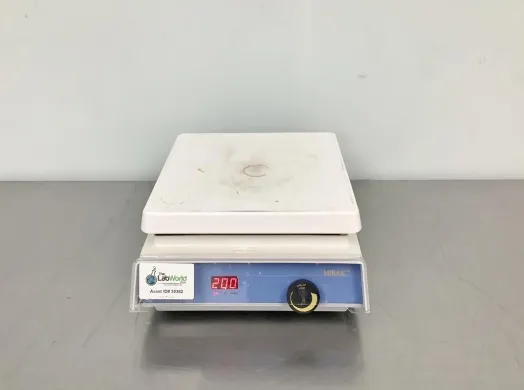
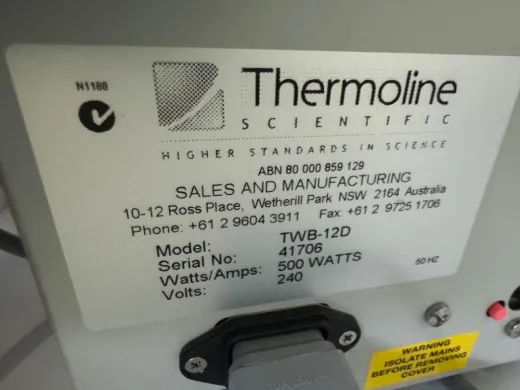
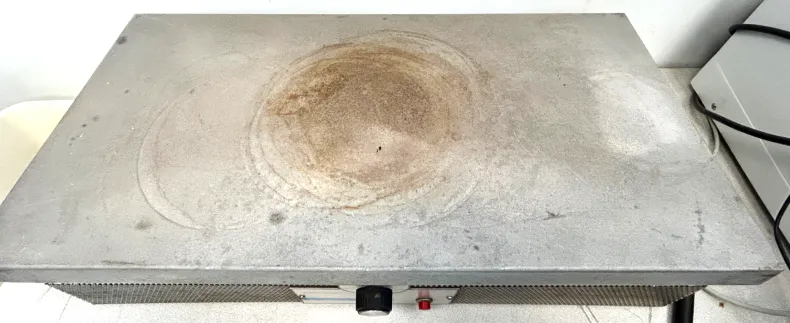
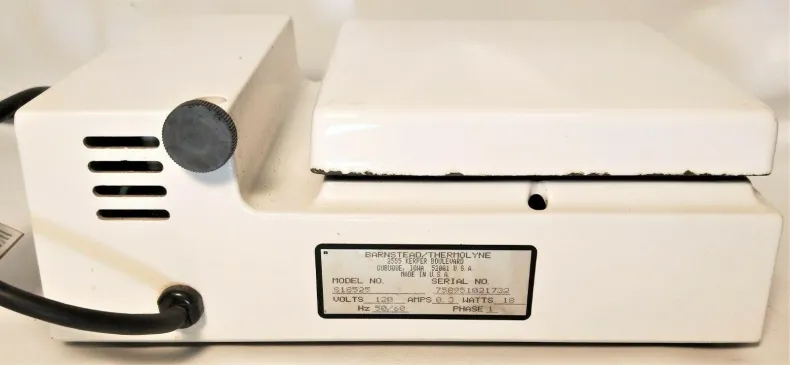


Not the exact instrument you need?
Tell our scientists what you are after. We track it down, including off-market supply.
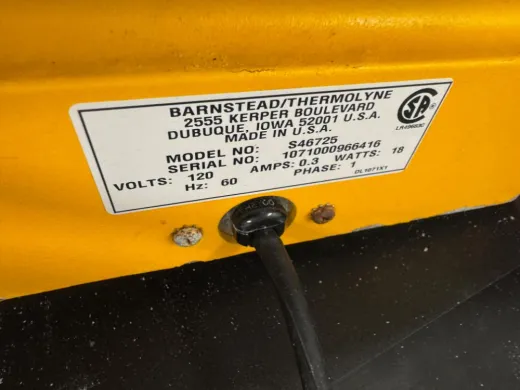
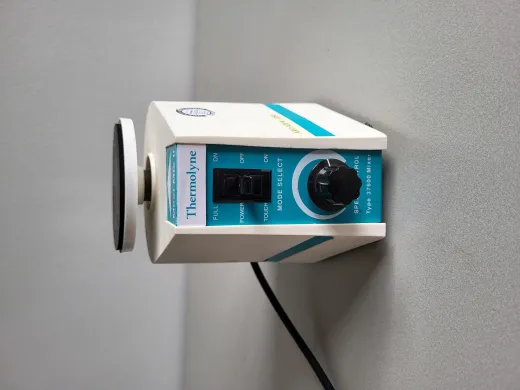
About Thermolyne
Thermolyne is an American laboratory equipment manufacturer specializing in heating, stirring, and temperature control instruments. The brand traces back to 1942, when the Thermo Electric Manufacturing Company, originally founded by a dentist in Chicago to make small electric furnaces for molding dentures, was sold to investors and relocated to Dubuque, Iowa. Dubuque remained the historic operational base for decades. Today the brand operates as Barnstead Thermolyne Corporation, a listed subsidiary of Thermo Fisher Scientific, which is headquartered in Waltham, Massachusetts. Its instruments cover muffle furnaces, hot plates, magnetic stirrers, incubators, water baths, dri-baths, ovens, environmental chambers, and cryogenic storage apparatus. On Questpair, 58 used Thermolyne items are listed by verified suppliers and distributors.
Thermolyne product lines
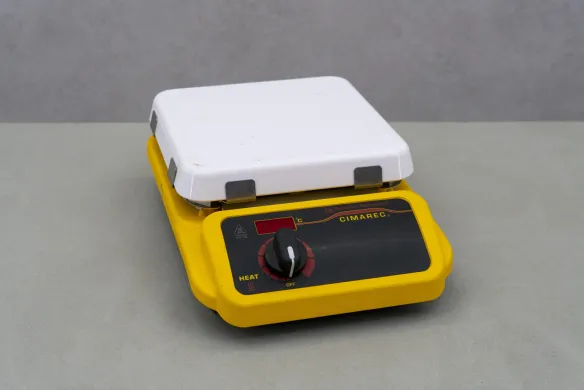
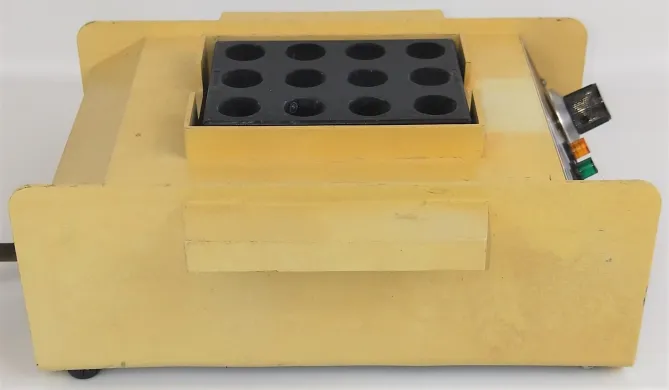
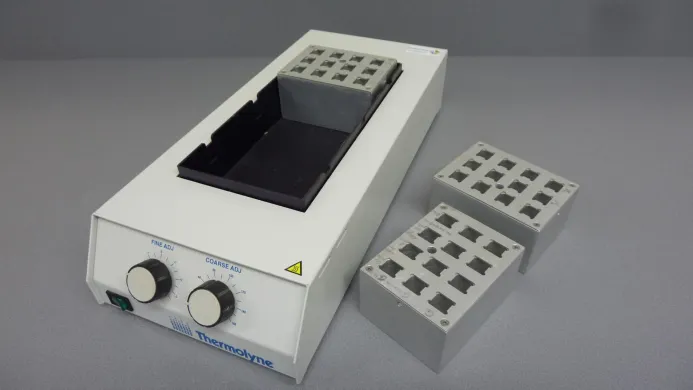
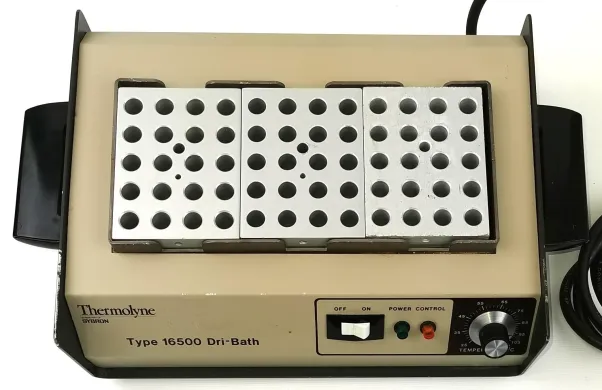
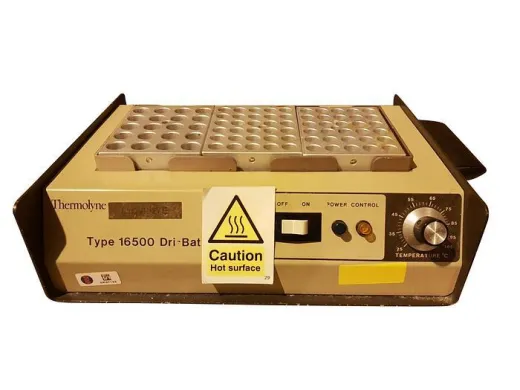
The brand's output falls into a few recognisable groups. The muffle furnaces are high-temperature chambers for ashing, gravimetric analysis, and material testing, where a sample is heated to a controlled set point and held there. Ashing and gravimetric analysis are routine steps in sample preparation, and a muffle furnace is the standard tool for reducing a sample to its mineral content by heat. The hot plates and magnetic stirrers, the latter long associated with the Cimarec name, handle heating and mixing of solutions on the bench, two of the most common operations in any wet laboratory. Dri-baths provide dry-block heating for tubes and vials, an alternative to a water bath where a liquid medium is unwanted.
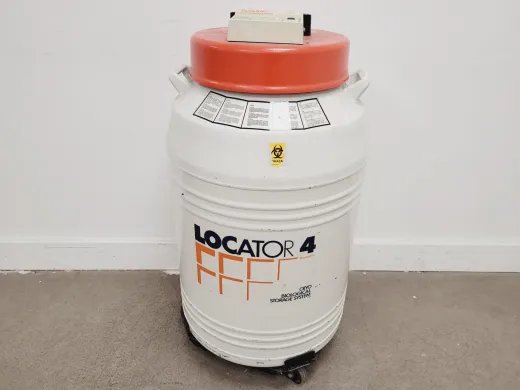
Several of these classes serve life sciences work directly. The incubators and environmental chambers maintain controlled temperature and atmosphere for cell culture and microbiology, holding plates and flasks at a steady set point while cells grow. Incubators used for cell culture incubation keep temperature and humidity within a narrow band, which is why the controller and the seal are the parts that matter most on a used unit. The water baths and dri-baths are standard fixtures in molecular biology, where enzyme reactions and sample preparation steps run at defined temperatures. The cryogenic storage apparatus, by contrast, holds biological samples at very low temperatures for long-term storage, a requirement in any laboratory that banks cells or tissue. Across these roles the common thread is temperature control: whether the target is high, ambient, or cryogenic, the instrument's job is to reach a set point and hold it, and that is the specification a buyer should check first.
Thermolyne equipment on Questpair
The Questpair catalogue for this brand is a single-condition one. 100 percent of the listings are used. The 58 items come from 9 verified suppliers and distributors spread across 4 countries, so the same class of instrument is often available from more than one seller. Prices run from EUR 22 to EUR 7.313. The average listing price is around EUR 457.
That price range is wide because the category is wide. A bench magnetic stirrer and a large environmental chamber are different machines, and both carry the Thermolyne name, so the model designation does more work than the brand in telling a buyer what a listing actually is. When reading a listing, the useful questions are the model number, the temperature range and controller type, and the physical state of the heating element or seal. Documentation for a specific unit can be requested through Questpair, and parts can be sourced the same way. Where a warranty is relevant, it is arranged in consultation for the individual listing rather than offered as a blanket term. Because every Thermolyne unit here is used, the comparison a buyer makes is between individual used units and their condition, and having several suppliers for one instrument class makes that comparison practical.
Questpair review of Thermolyne
Our take based on listings data and supplier feedback
Thermolyne occupies a specific niche in laboratory instrumentation: the heating, stirring, and temperature control equipment that sits on almost every bench but rarely gets named in a protocol. That positioning shapes how the brand reads on a secondary market, and it is worth examining the three points above against what the Questpair catalogue actually contains.
The first point concerns product lineage. Thermolyne has made muffle furnaces, hot plates, and magnetic stirrers since the 1940s, and that continuity matters on the used market because the model families are stable and widely recognised. The Cimarec stirrer line and the benchtop muffle furnaces have been in production long enough that spare units, documentation, and comparable models circulate in quantity. For a buyer, a long-running model number is easier to verify than a one-generation product, because its specifications and typical wear patterns are known. The depth of the heating and temperature control range also means the brand name alone does not tell you much: a Thermolyne listing could be a small dri-bath or a large environmental chamber, so the model designation carries the real information.
The second point concerns pricing, and here the catalogue is concrete. Prices run from EUR 22 to EUR 7.313. That is a wide spread, and it reflects the breadth of the category rather than inconsistency: a magnetic stirrer and a muffle furnace are different machines serving different budgets. The average sits around EUR 457, which places the bulk of the listings well below the cost of comparable new instruments. Because used and refurbished units are listed below new pricing, the heating and stirring segment is one where a secondary purchase is straightforward to justify, since the underlying technology, a heating element and a controller, changes slowly.
The third point concerns supply. The Thermolyne equipment on Questpair is listed by 9 verified suppliers and distributors across 4 countries. Several sources for the same class of instrument gives a buyer room to compare condition and price rather than taking the only unit available. The entire Thermolyne catalogue on Questpair is used: 100 percent of the listings are used. That is a single-condition catalogue, so the comparison a buyer makes is between individual used units, not between new and used, and the relevant questions become the specific state of each listing and what documentation accompanies it.
Taken together, the three points describe a brand that suits a buyer looking for established, serviceable heating and temperature control equipment at used-market prices rather than the latest instrument generation. The evaluative caveat is that the breadth of the range puts the burden on the buyer to read the model number carefully, because the gap between the cheapest and the most expensive Thermolyne listing is large and the brand name alone does not narrow it. Where documentation is needed for a specific unit, it can be requested through Questpair.
**Documented heating and stirring product families**
Thermolyne has produced muffle furnaces, hot plates, and magnetic stirrers since the 1940s, so model lines like the Cimarec stirrers and the benchtop furnaces appear with a long service history on the used market.
**A catalogue weighted toward accessible pricing**
Across the Thermolyne listings on Questpair, prices range from EUR 22 to EUR 7.313, with an average around EUR 457, covering both small benchtop units and larger environmental chambers.
**Supply spread across multiple European sellers**
The Thermolyne units on Questpair come from 9 verified suppliers and distributors across 4 countries, giving buyers several sources for the same equipment class.
Frequently asked questions
Where can I get the manual or documentation for a specific Thermolyne unit?
Documentation for an individual listing can be requested through Questpair, and specialists respond within an hour. This matters most for used instruments where the original paperwork may not be included.
How much does Thermolyne equipment cost?
On Questpair, listings range from EUR 22 to EUR 7.313, with an average around EUR 457. The spread is wide because the catalogue covers everything from bench magnetic stirrers to large environmental chambers.
What's the difference between a refurbished and a used Thermolyne unit?
A used unit is sold in its existing condition, while a refurbished one has been reconditioned before resale. Both are listed below the price of new equipment, so checking the specific listing for its stated condition is the practical step.
Does Thermolyne equipment on Questpair come with a warranty?
A warranty is often possible and is arranged in consultation for the specific listing. Because every unit here is used, terms are set per item rather than as a blanket policy.
Is Thermolyne equipment suitable for clinical or research use?
Several of its instrument classes serve life sciences work directly, including incubators and environmental chambers for cell culture, and water baths and dri-baths for enzyme reactions and sample preparation. The specification to check first is the temperature range and controller type for your application.
How long does Thermolyne equipment last?
Lifespan depends on the instrument class and how hard the unit has been run, since a magnetic stirrer and a muffle furnace age differently. On a used unit the heating element, seal, and controller are the parts whose condition most affects how long it will keep working.
Can I get parts for a Thermolyne instrument?
Parts can be sourced via Questpair. For heating and temperature-control instruments the heating element, seal, and controller are the components most often needed.
What are good alternatives to Thermolyne?
The alternative depends on the instrument class you need, since the brand spans furnaces, stirrers, baths, incubators, and chambers rather than one product type. On Questpair the same class of instrument is often available from more than one of the verified suppliers and distributors, so comparing listings within a category is the practical route.
How long does delivery take?
Lead time depends on the individual seller and the instrument, since listings come from 9 suppliers and distributors across 4 countries. The delivery detail for a specific unit can be confirmed through Questpair.
What is the difference between parts and spares when buying?
In practice the terms overlap: both refer to components like heating elements, seals, or controllers that replace worn parts in an existing unit. Either can be sourced via Questpair for a specific instrument.
Can Thermolyne equipment be shipped internationally?
The listings come from verified suppliers and distributors across 4 countries, so cross-border shipping is part of how the catalogue works. Shipping arrangements for a particular listing can be confirmed through Questpair.
What product lines does Thermolyne make and how do they differ?
The output falls into muffle furnaces for high-temperature ashing and gravimetric analysis, hot plates and magnetic stirrers (the latter associated with the Cimarec name) for bench heating and mixing, and dri-baths for dry-block heating. It also covers incubators, environmental chambers, water baths, ovens, and cryogenic storage apparatus, so the model number tells a buyer more than the brand name does.
Which Thermolyne instruments are actually listed here and in what condition?
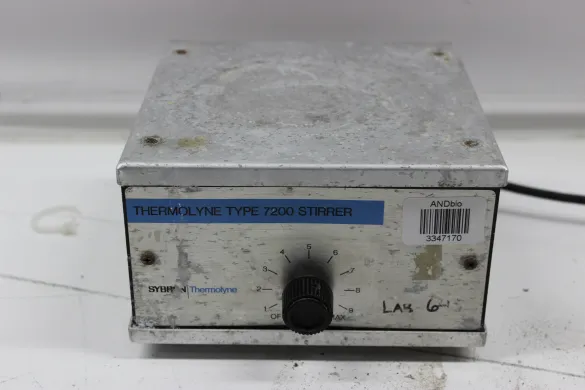
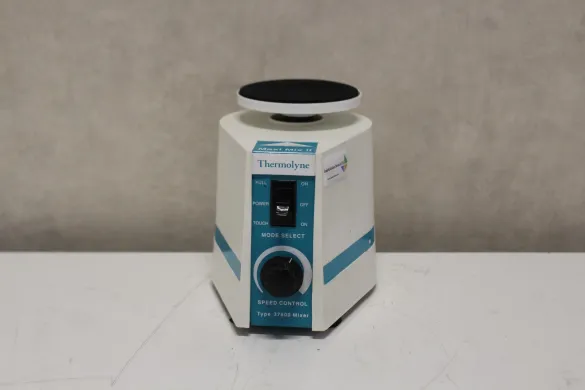
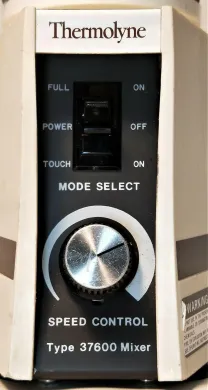
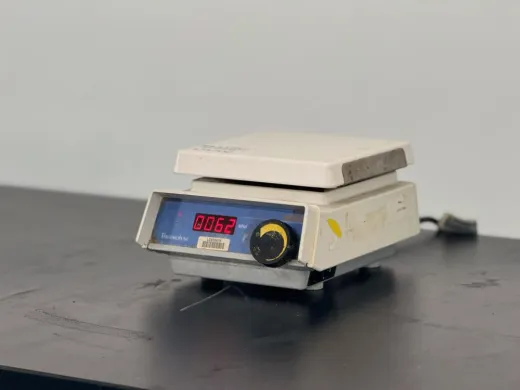
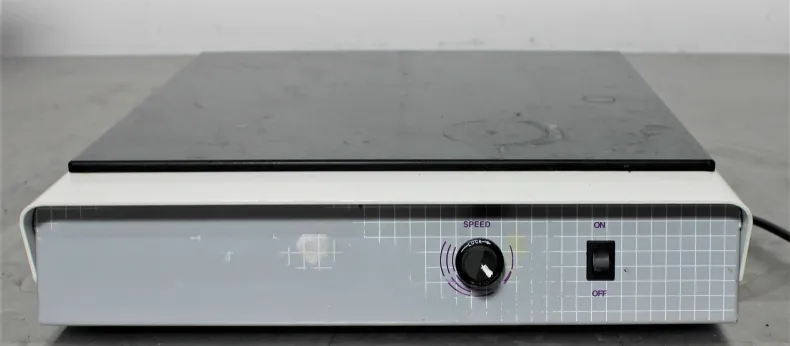
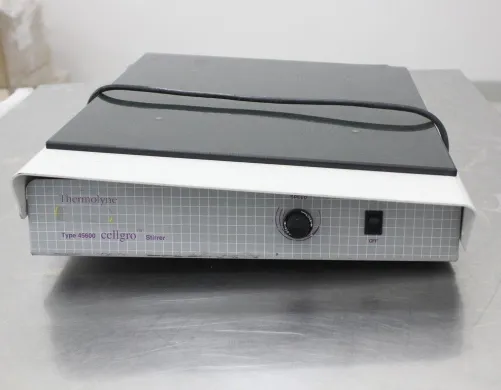
The catalogue is single-condition: 100 percent of the 58 items are used. The types that appear include magnetic stirrers, vortex mixers, benchtop stirrers, laboratory mixers, laboratory stirrers, and hotplate stirrers.
What separates the cheapest Thermolyne listings from the most expensive?
The main driver is the instrument class rather than the brand: a bench magnetic stirrer and a large environmental chamber are different machines, and both carry the Thermolyne name. Within a class, the model number, temperature range, controller type, and the physical state of the heating element or seal account for the remaining difference between EUR 22 and EUR 7.313.
About Questpair
Questpair is the European marketplace for lab equipment, where AI-prepared cases and personal specialists guide every purchase. We work with 247 verified suppliers across 38 countries to find buyers the right used, refurbished or new instruments, with response within 1 hour and significant savings vs buying new.
Personal · Fast · Reliable · Affordable